






 Copy Link
Snapshots
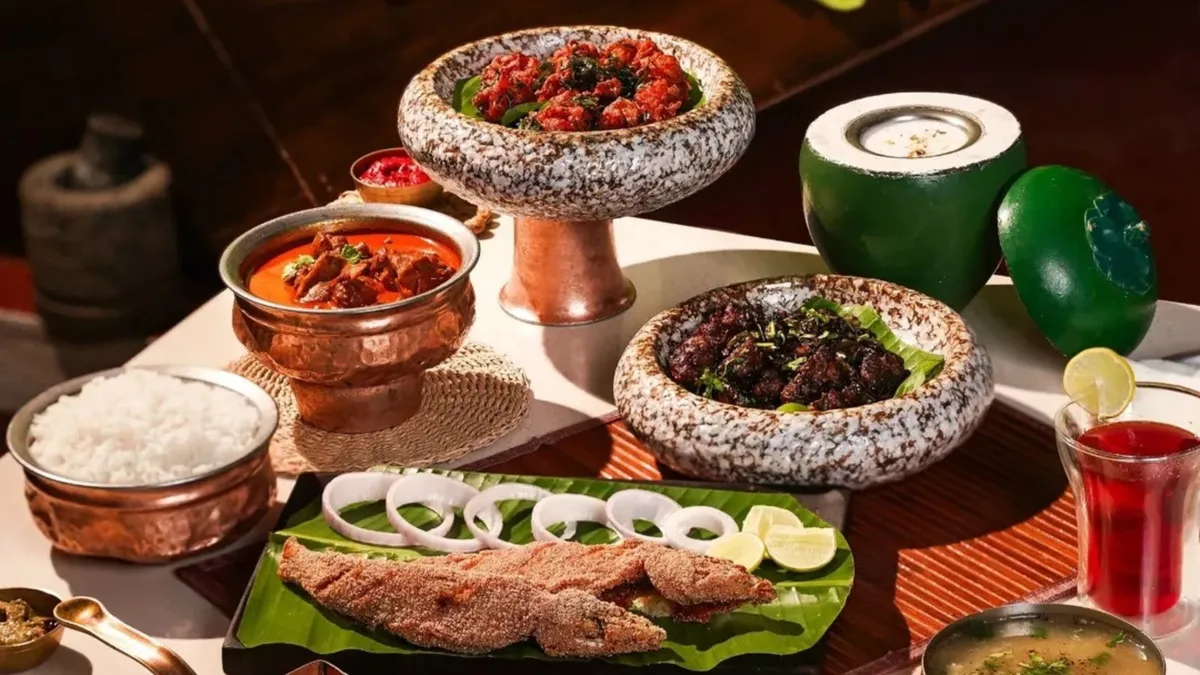
There was a time when Indian food was unfairly boxed into very simple eats or too heavy and oily curries. However, a closer look at the world’s most exclusive menus today, and you will find a revolution! From the smoky depths of a 24-hour slow-cooked dal to the molecular theatre of a deconstructed chaat, the transition from humble home kitchens to Michelin-starred dining rooms is nothing short of a culinary odyssey. Read along to learn how some of the most modest Indian staples shed their rustic labels to become the high fashion icons of the global gastronomic stage.
Why did this shift happen?
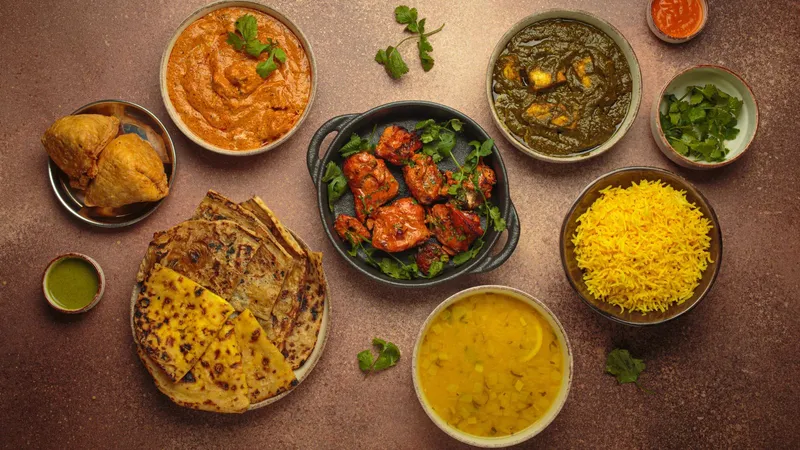
This shift was not just a change in recipes; it was a reclamation of the narrative. For decades, Indian food was viewed through a curry house lens, which was understood as affordable, informal, and often standardised. The transition to Indian fine dining was ignited by a new wave of visionary chefs who treated traditional techniques with the reverence of French haute cuisine. By marrying centuries-old cooking methods with modern molecular gastronomy and avant-garde plating, they proved that a humble lentil or a street-side snack possessed the same complexity as a truffle or a foie gras. Ultimately, the world began to realise that gourmet cuisine isn't defined by the price of the ingredients, but by the soul of the story and the mastery of the craft behind them.
_1716187298187_thumb_300.jpeg?w=800&f=webp&t=a75788f398f59f8b)
From clay pots to luxury Indian food- The golden age of Indian gastronomy
The global dining landscape is witnessing a seismic shift as the vibrant and soulful flavours of India move from plastic plates to fine bone china. No longer defined solely by heat and heavy sauces, Indian cuisine has reclaimed its heritage through a lens of technical mastery and artisanal food. This evolution isn't just about changing ingredients, but about a thousand-year-old culinary culture that has finally been revealing the white-glove treatment it has always deserved.
1. Dal Bukhara
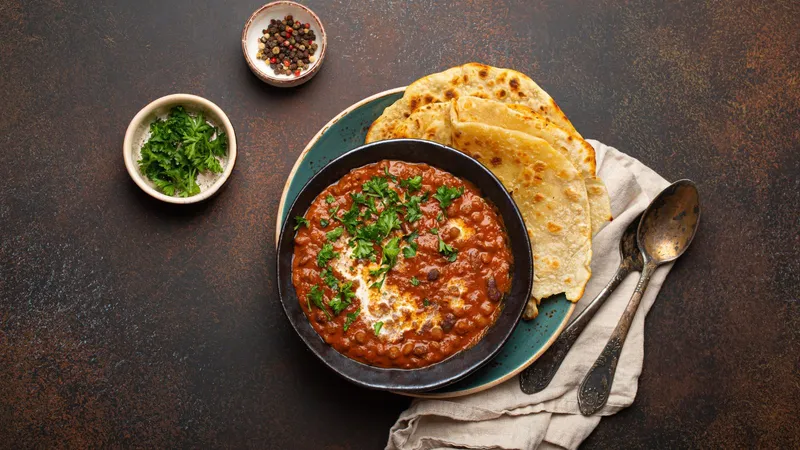
Once a simple peasant’s protein, this slow-cooked masterpiece has been refined into a symbol of patience. As a part of luxury Indian foods, black lentils are simmered over coal fires for over 24 hours, achieving a velvet-like creaminess without the need for excessive fats. It is no longer just a side dish, but the star of the table, often served with artisanal sourdough naans that honour the grit of the hearth and the grace of the palace.
2. Deconstructed chaat
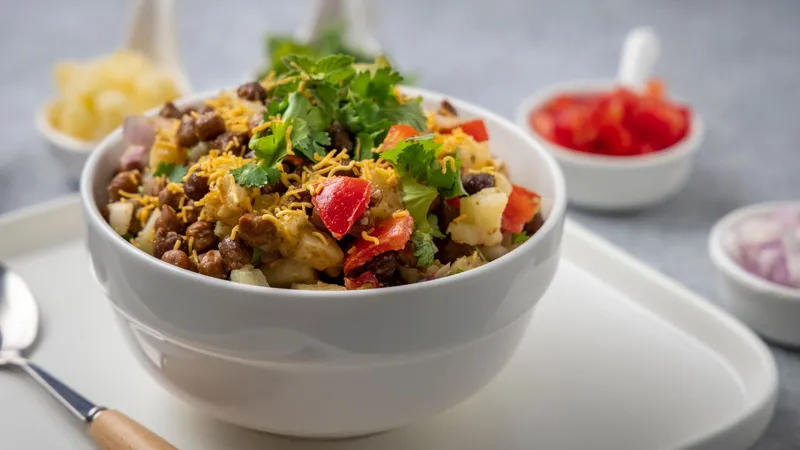
Upscale Indian food has taken the chaotic joy of Indian street corners and turned it into a flavour bomb of precision. Chefs now use molecular gastronomy. Think yoghurt spheres that burst on the tongue and delicate tamarind glass to present the crunch and tang of Papdi Chaat as a sophisticated amuse-bouche, proving that complex acidity belongs in a crystal bowl.
3. Galouti kebab
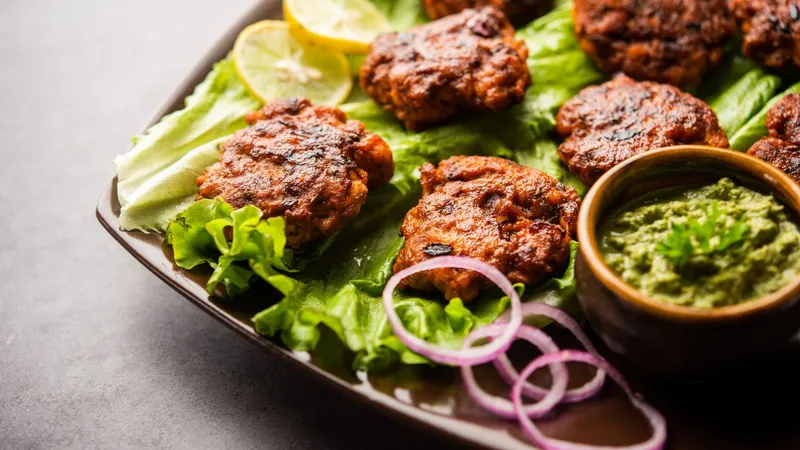
Legend says this kebab was invented for the toothless Nawab, but today it is the gold standard for meat cookery. Infused with a secret blend of up to 150 spices and smoked with sandalwood, modern chefs serve this silken lamb pate on miniature saffron-infused paranthas, transforming a historic royal indulgence into a bite-sized Indian fine dining dish.
4. Progressive khichdi
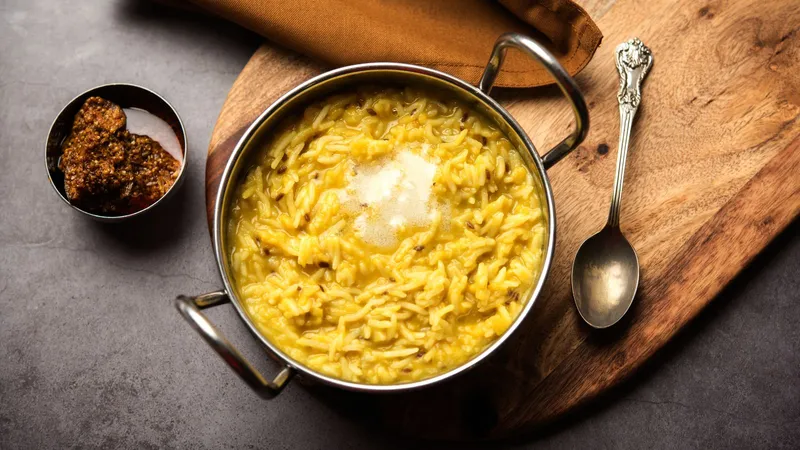
Long considered to be a sick-day food, khichdi has undergone a stunning makeover. High-end restaurants now treat this rice and lentil base as an Indian risotto, enriching it with shaved Italian truffles, wild mushrooms, or butter-poached lobster. This version of the Indian gourmet cuisine represents the glocal trend by staying rooted in comfort while reaching for global luxury.
5. Jackfruit carpaccio
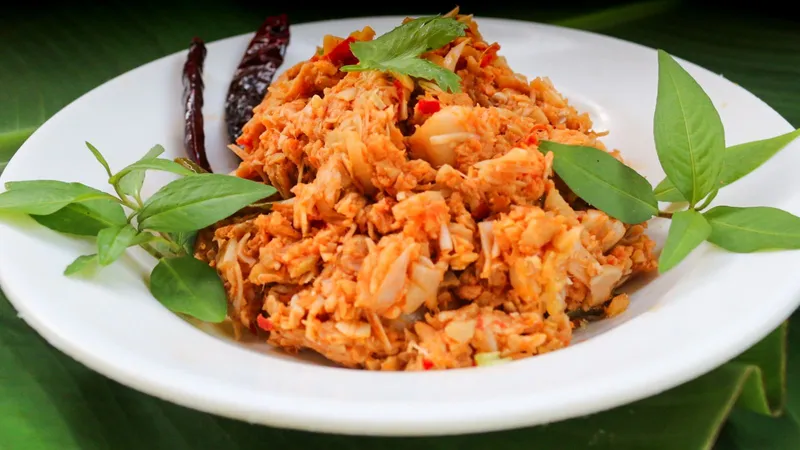
In the new era of plant-forward dining, the humble jackfruit has moved from the backyard to centre stage. Often prepared using sous vide or slow roasting techniques, its fibrous texture is showcased as a gourmet alternative to pulled pork or carpaccio, seasoned with fermented spices that highlight India’s ancient wisdom in meat-free excellence.
6. Rogan Josh
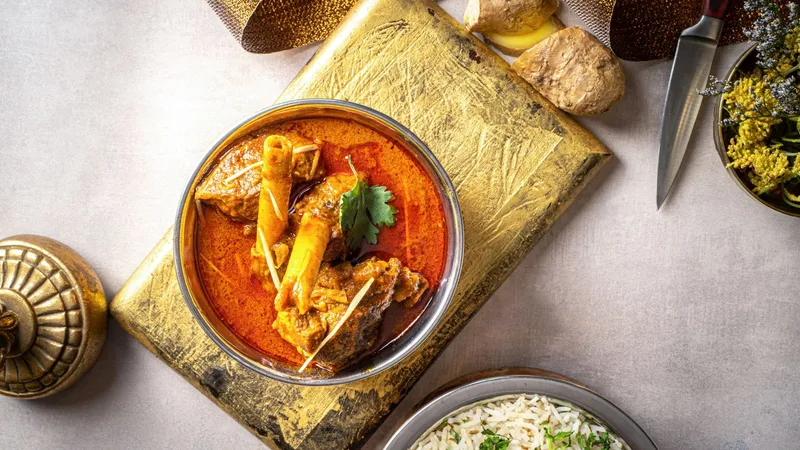
Kashmiri Wazwan is the epitome of slow food, and Rogan Josh is its crown jewel. In the world of luxury Indian food, this dish has been reimagined through high-quality butchery, using premium lamb shanks or even wagyu braised in a vibrant, thin gravy colored by the Mawal flower and infused with the cooling aroma of fennel and dry ginger.
7. Scallop moilee
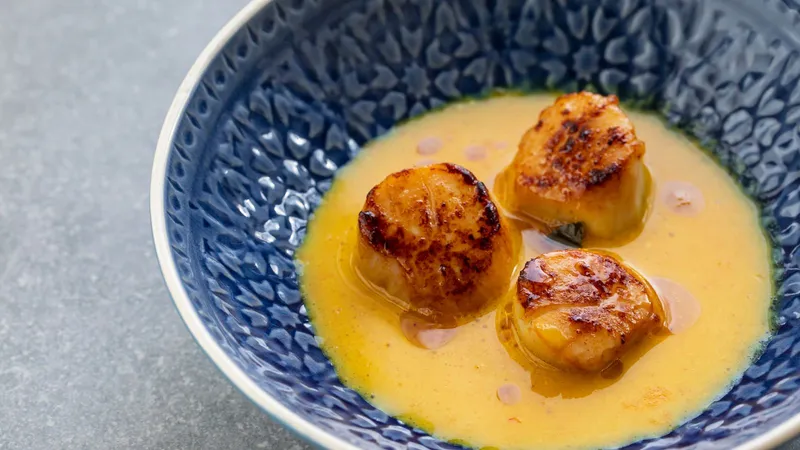
Traditional Kerala fish moilee is a fragrant, coconut milk-based curry that defines coastal comfort. In the upscale Indian food scene, this dish has been elevated by substituting the local river fish with seared Atlantic scallops or jumbo prawns, served in a pool of silky, turmeric-stained broth that emphasises the delicacy of Indian spices over their heat.
8. Mishti doi cheesecake
The classic Bengali fermented yoghurt is no longer just served in a clay pot. Modern pastry chefs have transformed it into light-as-air mousses or baked cheesecakes topped with jaggery honeycomb and edible gold leaf. It is a finale that marries the probiotic heritage of the East with the structural elegance of French patisserie.