






 Copy Link
Snapshots
India’s urban landscape is changing at a fast pace, and it is no longer just the metros grabbing attention. In a major shift that reflects evolving lifestyles and priorities, Pune has emerged as the best tier 2 city in India in the Ease of Living Index 2025, that was released by the Ministry of Housing and Urban Affairs. Once known primarily as a student hub, Pune has steadily transformed into one of the best cities in India today, offering strong job opportunities, modern infrastructure, and a quality of life that rivals the bigger metros without their chaos.
What is the Ease of Living Index?
The Ease of Living Index is the Government of India’s benchmark for measuring how comfortable, sustainable, and citizen friendly a city truly is. Released by the Ministry of Housing and Urban Affairs, it goes beyond surface level metrics to evaluate what everyday life actually feels like for residents. The index looks at key aspects such as quality of life, economic ability, sustainability, and citizen perception. In simple terms, this index answers a question that most people care about, which is, “How easy and fulfilling is it to love here?” By combining data driven insights with public feedback, the Ease of Living Index has become one of the most reliable indicators of urban livability in India today.
What makes Pune the best tier 2 city in India?
Pune’s rise to the top isn't accidental, but a result of a rare balance that few Indian cities have managed to achieve. While most urban centres excel in one or two areas, Pune as the best city to live in delivers consistently across the board, making everyday life smoother, comfortable, and more rewarding for its residents.
1. A thriving job market backed by IT and innovation
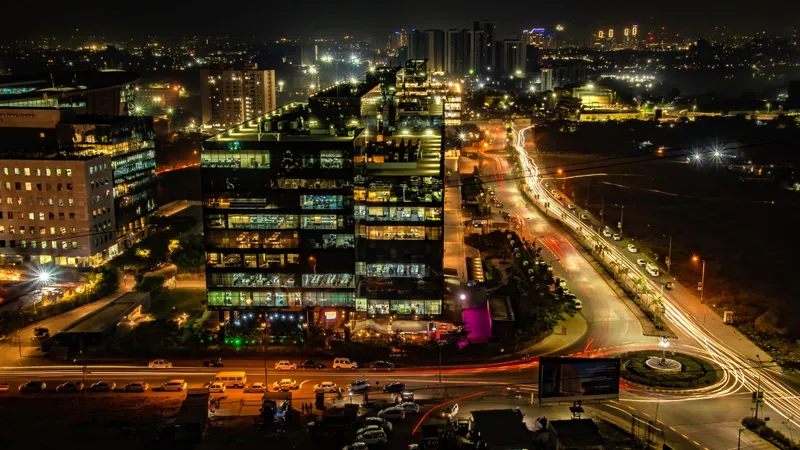
Pune has firmly established itself as one of India’s leading IT and startup hubs, attracting global companies, tech talent, and entrepreneurs alike. From Hinjewadi’s bustling IT parks to a growing ecosystem of startups, the city offers diverse employment opportunities across sectors.
2. Rapidly improving infrastructure and connectivity
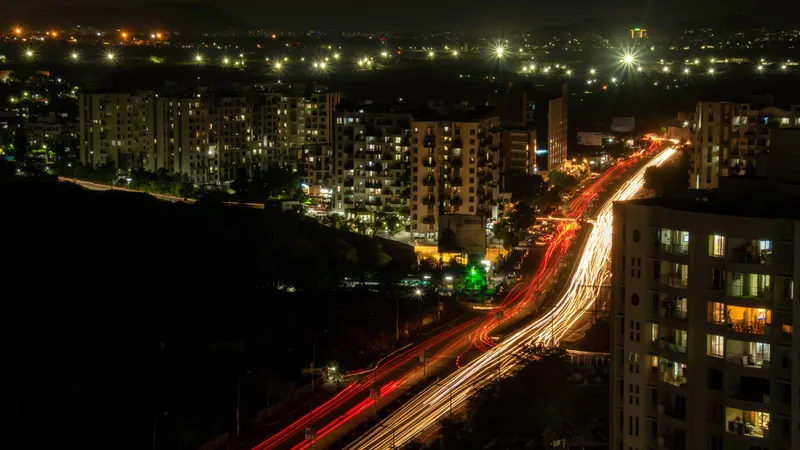
Infrastructure has been a key driver of Pune’s success. With the expansion of the metro network, improved roadways, and better public transport systems, commuting here has become more efficient. Its strategic location, which makes it well connected to Mumbai and other major cities also adds to its appeal, making it both a livable city and have a logistical advantage.

3. High quality of life without the metro chaos
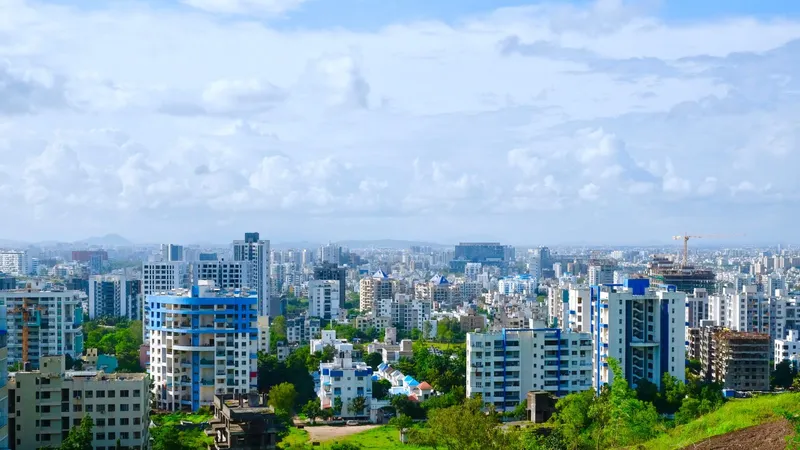
Unlike the overcrowded metro cities of India, Pune offers a more relaxed and breathable urban experience. The city strikes a balance between modern living and cultural charm, with access to quality education, top tier education, vibrant food scenes, and a thriving cultural life. Residents enjoy the perks of a big city, without the constant stress and congestion.
4. Education and talent hub of India
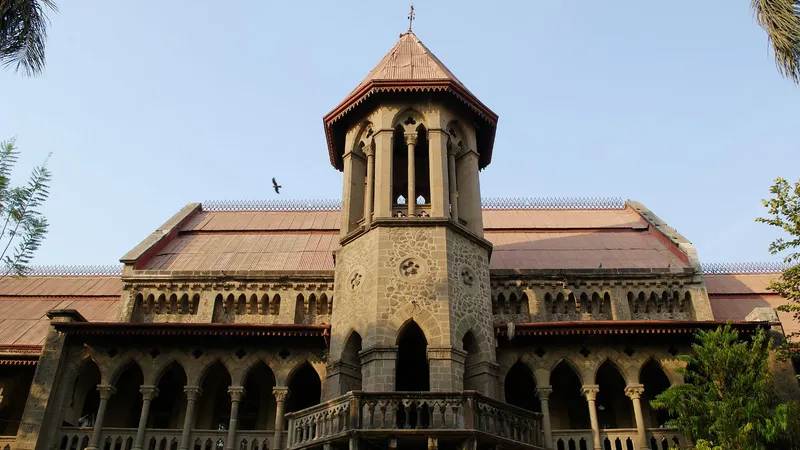
Often called the Oxford of the East, Pune is home to some of India’s most prestigious educational institutions. This not only attracts students from across the country, but also creates a skilled talent pool, which in turn fuels industries and innovation, creating a self-sustaining growth cycle.
5. Focus on sustainability and green living
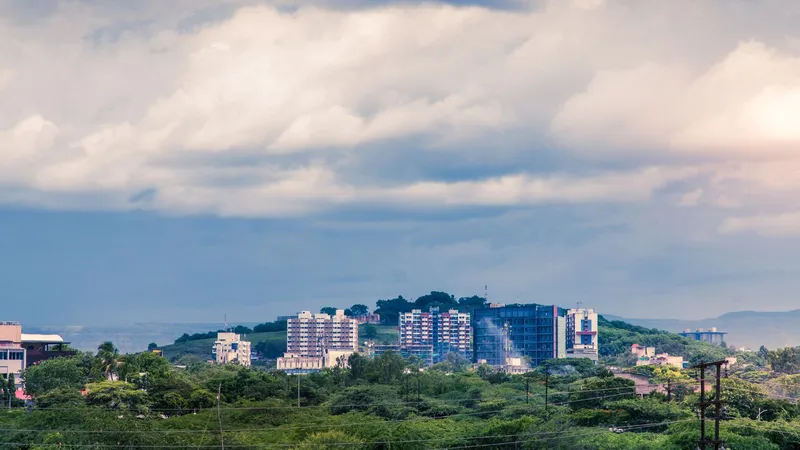
Pune has made notable progress in promoting sustainable urban development. From green spaces and cleaner neighbourhoods to initiatives that are aimed at improving waste management and air quality, the city is steadily moving toward a more eco-friendly future, which is a critical factor in the livability rankings today.
Other top cities to live in India in the Ease of Living Index 2025
While Pune has taken the spotlight, it is far from alone. The Ease of Living Index 2025 reveals a broader and more interesting trend, which is a new generation of Indian cities that are quietly redefining urban living.
1. Navi Mumbai
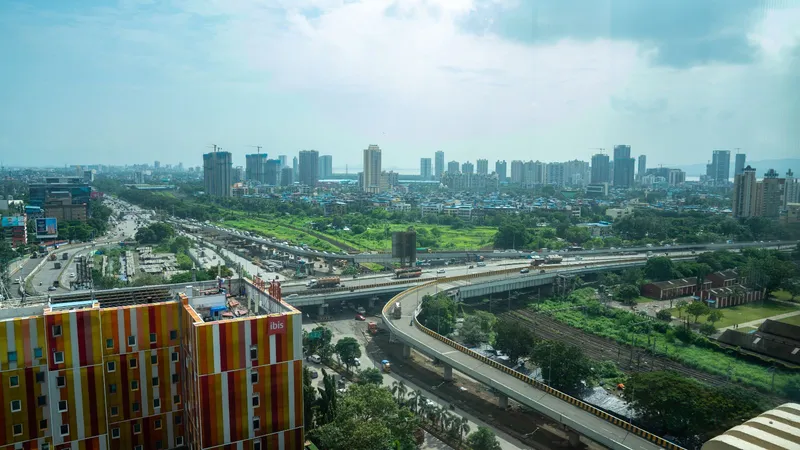
Right behind Pune, Navi Mumbai stands out as a model of modern urban planning done right. With wide roads, efficient public transport, and well organised residential zones, it offers the advantages of Mumbai without the overwhelming congestion. Its steady infrastructure growth and proximity to major business hubs makes it one of the most balanced cities to live in today.
2. Greater Mumbai
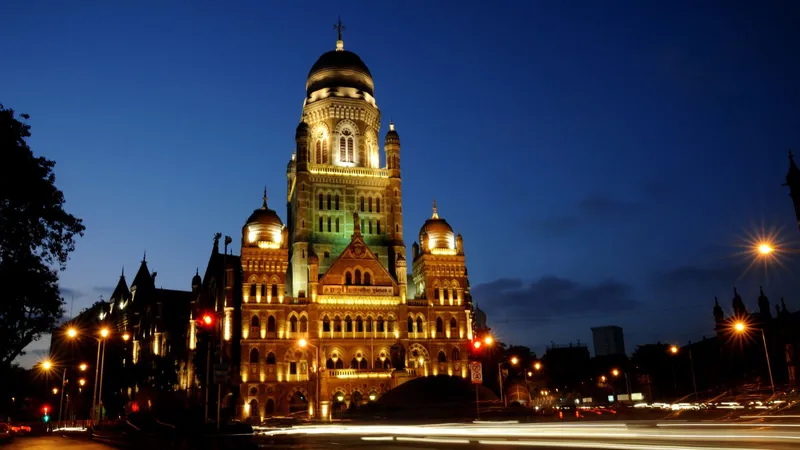
Despite its challenges, Greater Mumbai continues to rank high due to its unmatched economic opportunities and world class infrastructure. From finance to entertainment, the city remains India’s powerhouse. What keeps it relevant in the livability rankings is its constant evolution, metro expansions, coastal roads, and improved urban services that are steadily enhancing everyday life.
3. Tirupati
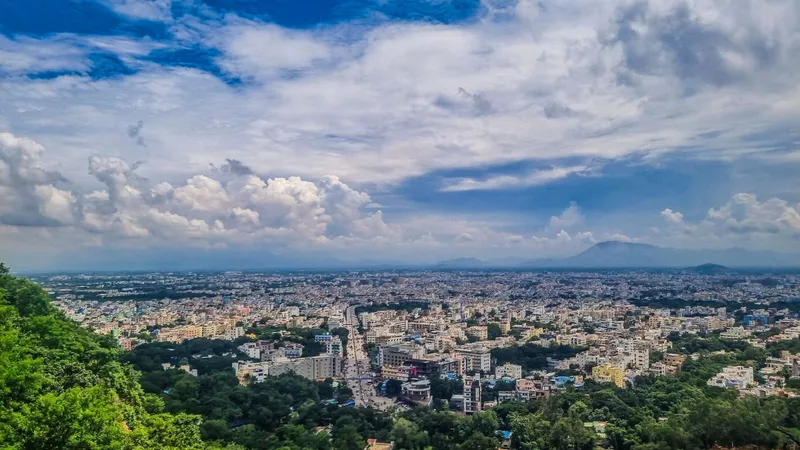
Often known as a spiritual destination, Tirupati’s presence in the top rankings highlights something deeper, that is efficient governance and clean urban management. The city has quietly built a reputation for reliable public services, better sanitation, and a more organised urban environment, making it a standout among the emerging tier 2 cities.
4. Chandigarh
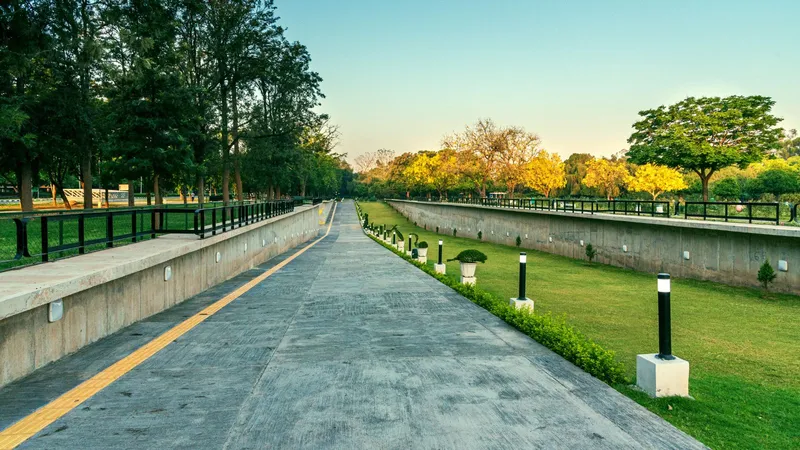
Chandigarh has long been synonymous with order, greenery, and high quality of life. Designed with precision, the city continues to excel in areas like cleanliness, safety, and infrastructure.
5. Thane
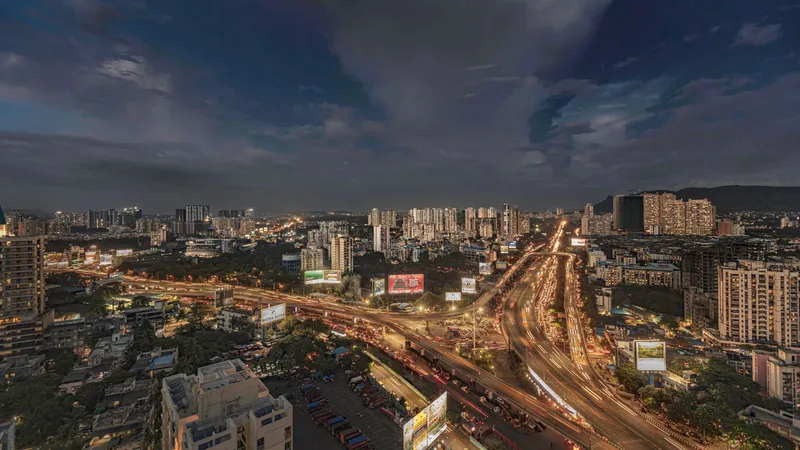
Once overshadowed by Mumbai, Thane has transformed into a thriving residential and commercial hub, with improved real estate development and access to green spaces, it strikes a compelling balance in the urban lifestyle.

6. Raipur
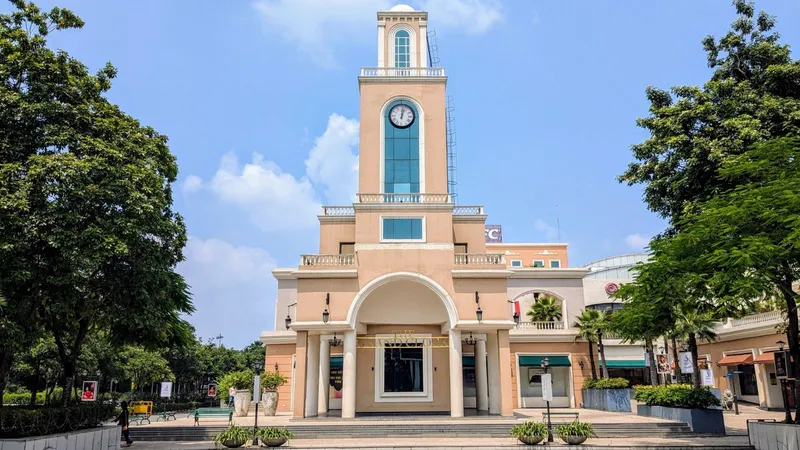
Raipur represents the new face of India’s smaller cities, which are fast-growing, digitally enabled, and increasingly citizen-focused. It is quickly becoming a preferred destination for those seeking affordability without compromising on urban amenities.
7. Indore
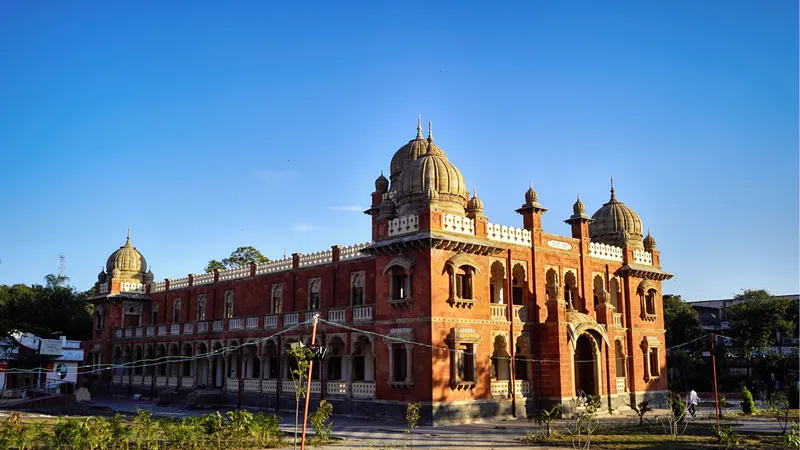
Indore continues to build on its reputation as one of India’s cleanest and most efficiently managed cities.
8. Vijayawada and Bhopal

Cities like Vijayawada and Bhopal may not always dominate headlines, but they are steadily improving where it matters most, that is in the aspects of infrastructure, governance, and quality of life.