






 Copy Link
Snapshots
Set to redefine air travel in India, the highly anticipated Navi Mumbai International Airport is on track to open by the end of September, this year. Designed as a state-of-art gateway to the city’s booming metropolitan region, this ambitious new airport project in Navi Mumbai promises to ease congestion, boost connectivity, and offer seamless multimodal integration. The new Mumbai airport location has become a hub for global aviation and a catalyst to regional economic growth and urban transformation.
About the Navi Mumbai International Airport
The Navi Mumbai airport is currently being developed under a public-private partnership by the Adani Airports Holdings Limited along with the City and Industrial Development Corporation (CIDCO). A greenfield international airport, currently under construction at Ulwe, Navi Mumbai in the Raigad district of Maharashtra, the new Mumbai airport expands over a total area of approximately 1160 hectares.
The initial phase of this airport project in Navi Mumbai will have just one terminal along with a runway. The capacity of the passengers will be roughly around 20 million on an annual level. Eventually, once all the phases are complete, the new Mumbai airport is expected to scale up to 90 million passengers annually with multiple terminals and two runways.

Features and facilities of the Navi Mumbai airport
Boasting of a modern terminal design, the Navi Mumbai International Airport features an advanced baggage handling system, along with automated check-ins, biometric validation, and other facilities. The main highlight of this airport project in Navi Mumbai is its design, which draws inspiration from the Lotus flower. The new Mumbai airport aims for aesthetic appeal as well as functionality, and also plans to make use of solar power, electric vehicles for internal operations, among others.
Connectivity of the new Mumbai airport
The Navi Mumbai International Airport will be connected via multiple routes, which include the Aamra Marg Road, NH 4B, and upcoming roads such as the Ulwe Coastal Road (UCR) and Kargar Coastal Road (KCR) for improved connectivity. The metro connectivity is also planned via the Metro Line-2 of Navi Mumbai, and proposed Metro Line-8.
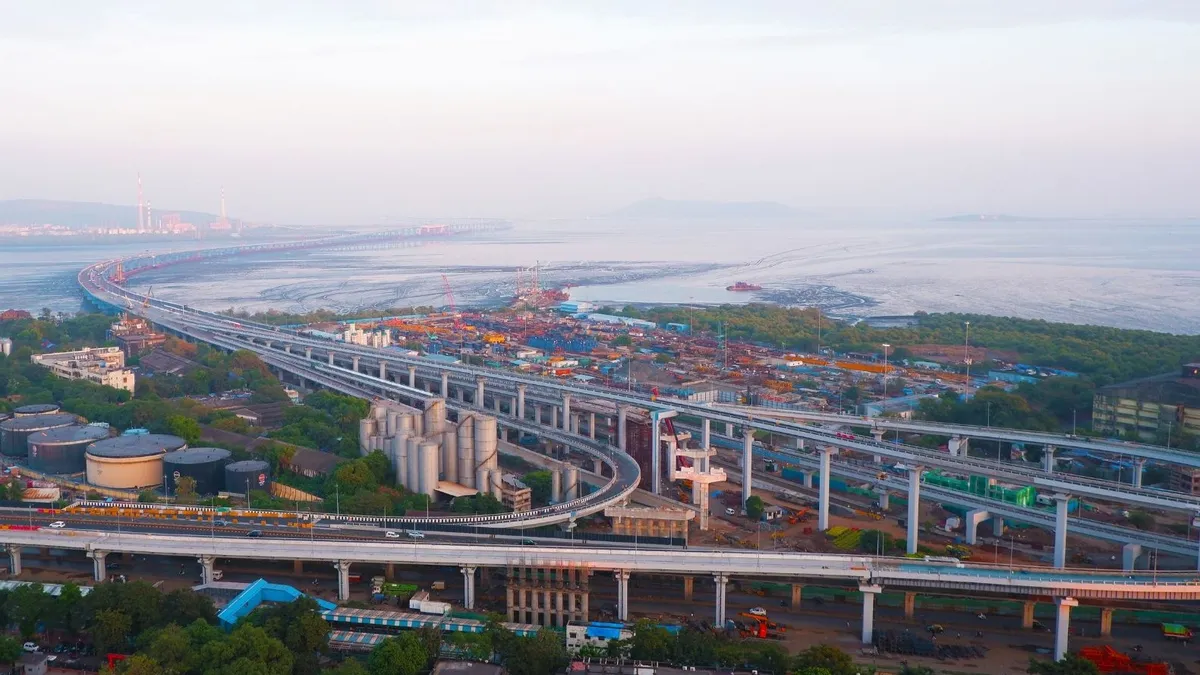
The Navi Mumbai airport is also poised to integrate further with infrastructure like the Mumbai Trans Harbour Link, which is expected to reduce travel time from South Mumbai to Ulwe significantly.
Distance of Navi Mumbai from the main city
Navi Mumbai is located approximately at a distance of 35-40 kilometres from South Mumbai. With the new Mumbai airport being strategically positioned to serve both Navi Mumbai and the Mumbai metropolitan region, once operational, the airport will significantly cut travel time for residents of Navi Mumbai, Thane, and even other parts of the city. With enhanced connectivity, metro extensions, and expressways, the Navi Mumbai airport is an emerging aviation and logistics hub that is just at an hour’s drive from the city’s center.

Top places to visit in Navi Mumbai
For all those thrilled about the opening of the Navi Mumbai International Airport, here’s how you can amplify your travel experience with some of the best places to visit in Navi Mumbai-
1. Central Park, Khargar
Sprawling across hundreds of acres, the Central Park in Khargar is one of the largest urban parks in Asia. Boasting of landscaped gardens, walking trails, amphitheatres, and a musical fountain, this place to visit in Navi Mumbai offers a serene escape from the city life.
2. Pandavkada Falls
Tucked away in the lush hills of Khargar, the Pandavkada Falls is a monsoon spectacle. A true natural beauty that is also steeped in mythology, this waterfall boasts of thundering waters, surrounded by mist laden rocks and stunning greenery.
3. Belapur Fort
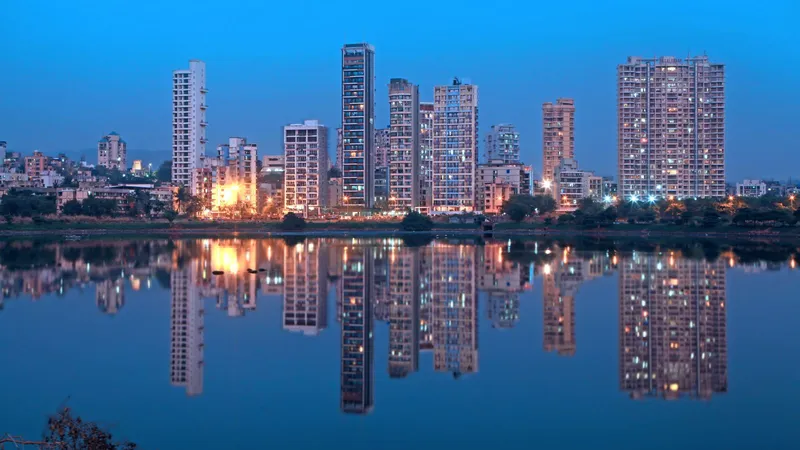
Built in the 16th century by the Siddis of Janjira, which was later captured by the Portuguese and the Marathas, the Belapur Fort is a hidden gem. A sea facing spot in Navi Mumbai that is a testament to the region’s layered history, this fort offers the most scenic views and tranquil atmosphere.
4. TS Chanakya Birding Point
Located near Nerul, the TS Chanakya Birding Point is a peaceful wetland that gets transformed into a vibrant birding paradise from the months of November to May. Migratory birds like flamingos, herons, and storks flock here making it a hotspot for birthwatchers and nature photographers alike. A rare ecosystem that thrives amidst the urban development, visiting this place is a must while in Navi Mumbai.
5. Palm Beach Road
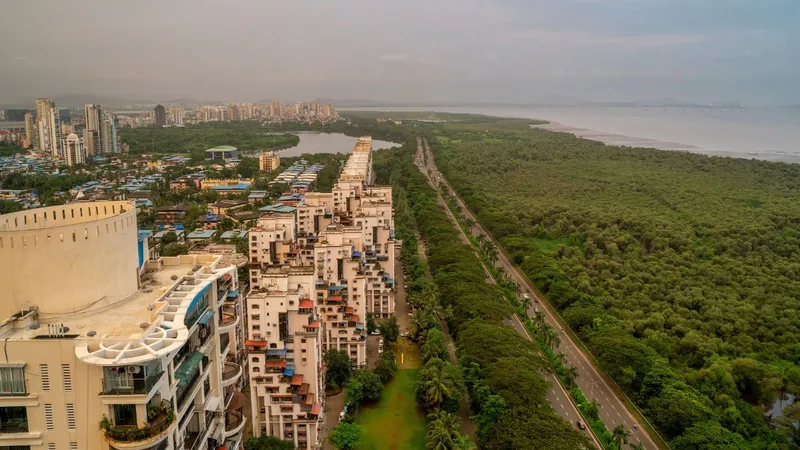
Often compared to Marine Drive, this scenic coastal road connects Vashi and Belapur. Flanked by mangroves and creeks, this stretch is perfect for long drives, cycling, and even reflective walks. The Palm Beach Road also offers glimpses of flamingos especially during the winter months.