






 Copy Link

Slow travel is about how deeply you cover a new destination, not how much you cover. There has been a recent paradigm shift among Indian tourists—and travellers more generally—as they seek out experiences that go beyond just checking items off their bucket lists. This is the only definition of slow travel! Slow travel is quickly becoming a popular travel method, both inside India and overseas. This is because many Indians nowadays work remotely, are interested in sustainable locations, and are demanding more genuine cultural experiences. This recent shift is probably why the theme of World Tourism Day 2025 focuses on the slow travel trend in India! So what is the World Tourism Day 2025 theme actually about? Let’s get into it as we put a spotlight on the slow travel trend in India!
World Tourism Day 2025 theme and its meaning
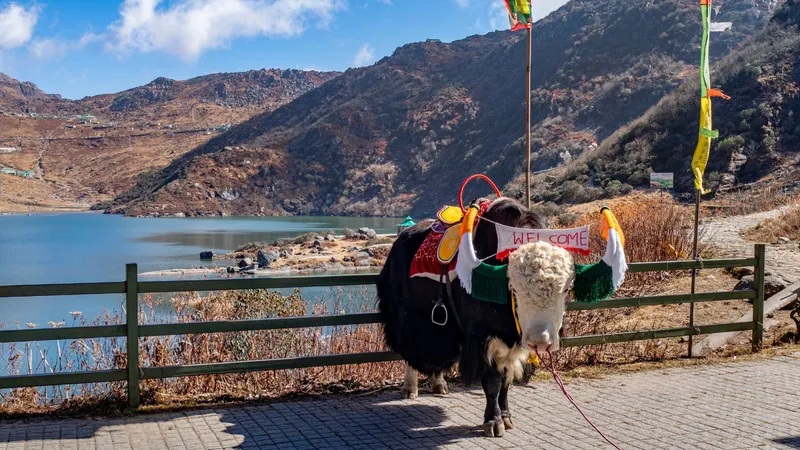
India is an ideal destination for leisurely exploration due to its rich variety. There are so many spots in and around India that are ideal for leisurely exploration: A two-week stay in the Spiti Valley is an alternative to a journey to Ladakh. Discover hidden gems of rural Nepal, including centuries-old monasteries, charming homestays, and picturesque villages that await your exploration. You have more time to think, relax, and rediscover yourself in this tranquil setting, where life moves at a leisurely pace. With an astounding 82% of Indian travellers opting for eco-friendly options—far above the 68% average throughout Asia—India has surpassed all but one Asian market in terms of sustainability consciousness, according to the Agoda 2025 Sustainable Travel Survey.

What does 'slow travel' actually mean?
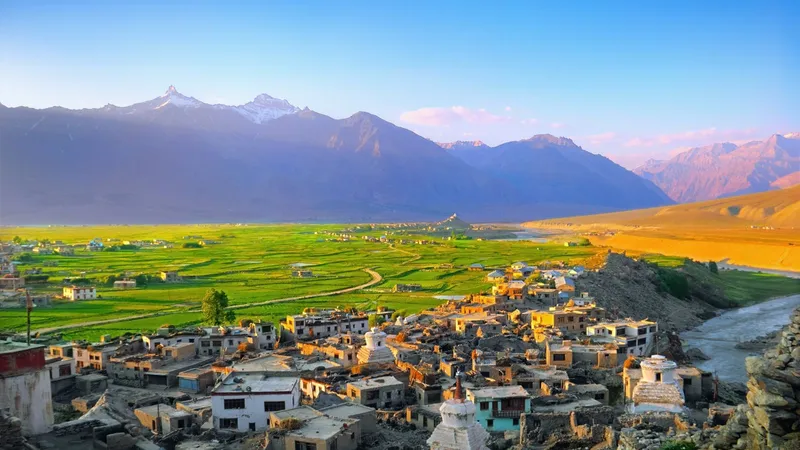
So what does the World Tourism Day 2025 theme actually mean for you? Travellers are increasingly placing a higher value on genuine cultural encounters than on mass tourism. Off-peak travel is becoming more popular to beat the crowds; more and more people are venturing to popular places during off-peak months. Conscious exploration refers to the current trend towards more environmentally friendly travel practices. Ecotourism is the wave of the future, not a luxury anymore. In 2025, Indian travellers will lead the charge in promoting responsible tourism, eco-friendly options, and conservation-focused excursions in the travel industry. The options are limitless, ranging from trekking through the unspoiled landscapes of Sikkim to scuba diving in the protected seas of Raja Ampat and cycling through the historic alleyways of Kyoto.

Best places in India for slow travel
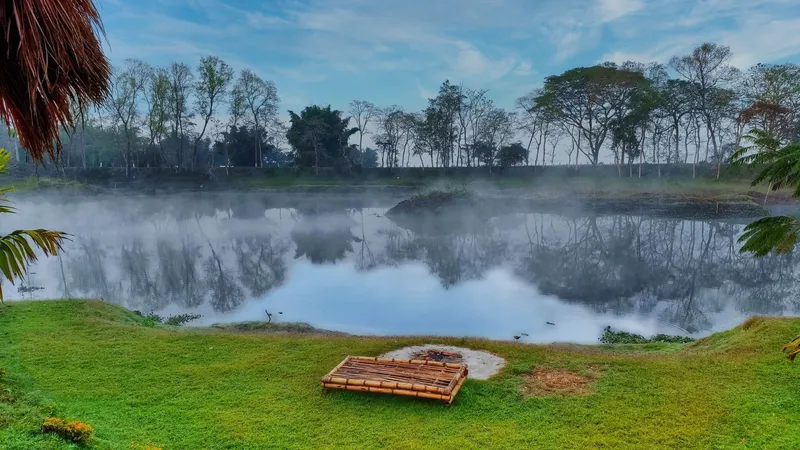
- Majuli Island: Travellers visiting Majuli Island in Assam might have a profound spiritual connection to the island, which is the biggest river island in India. For those seeking a serene, eccentric vacation, Majuli is the perfect island to visit, thanks to its Neo-Vaishnavite monasteries and vanishing culture.
- Fort Kochi: Alternatively, you might skip across Kerala and go straight to Fort Kochi. Fort Kochi is big enough to accommodate your whole vacation. The town is ideal for leisurely mornings spent discovering art due to its historical beauty, vibrant cultural scene, and sea air. Seeing a vibrant Kathakali performance is a must while you're here.
- Sikkim: Sikkim, the first state in India to be certified organic, is a veritable Eden with its verdant forests, organic farms, and abundant wildlife. At its core, every encounter is about sustainability, whether you're hiking through its gorgeous landscapes or visiting local villages.
- Puducherry: Embark on your next journey in Puducherry if you're seeking spirituality, health, and creativity. Here you may try out a novel approach to eco-friendly, leisurely living. Not only that, but many Indians are opting to stay for longer periods of time or plan more imaginative vacations there.
- Sunderbans: In West Bengal, you'll find the Sundarbans, an ideal site for getting back to nature. There is a special environment here where everything revolves around the ebb and flow of the tides. Those seeking excitement should go elsewhere; those who want to watch, absorb, and enjoy will find it here.

The best international destinations for slow travel
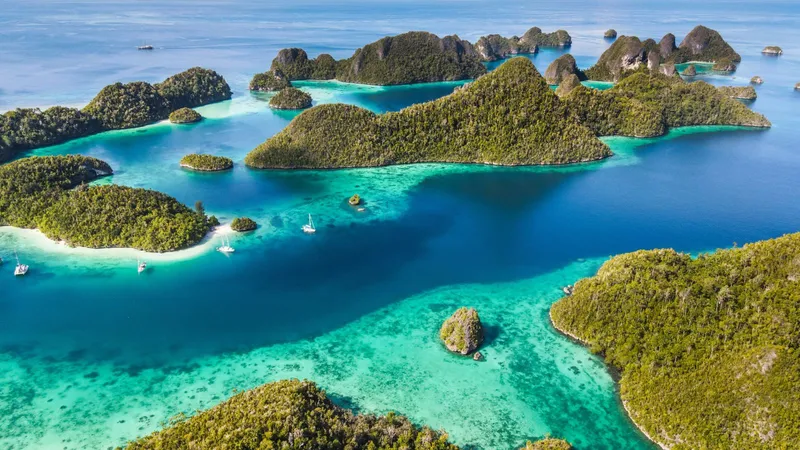
- Raja Ampat, Indonesia: A Marine Haven: Surrounded by secluded islands, this underwater paradise is home to 75% of the world's coral species. The country's stringent conservation rules have made it a top destination for eco-conscious divers and snorkelers, making it an ideal spot for those who love the ocean.
- Kyoto, Japan - A Fusion of Sustainability and Tradition: Get away from the bright lights of Tokyo and explore the ancient temples, bamboo woods, and bike paths of Kyoto. A low-impact, immersive vacation is possible in Kyoto because to the city's dedication to ecotourism and preservation of its cultural history.
- The Perfect Eco-Island Getaway: Langkawi, Malaysia: Langkawi is a UNESCO Global Geopark that has virgin mangrove forests, eco-resorts, and beautiful beaches that are environmentally conscious and meant to be enjoyed by anyone.
- The World's Only Carbon-Neutral Nation, Bhutan: The low-impact, high-value tourism strategy that Bhutan has developed is revolutionising sustainable travel. This Himalayan monarchy is the stuff of environmentalists' dreams thanks to its Taiwan has implemented a carbon-neutral policy, established stringent tourist limitations, and embraced deeply held environmental ideals.
- Embark on a Leisurely Journey Through Taiwan: Taiwan demonstrates that ecotourism doesn't have to sacrifice excitement. Taiwan is a wonderful example of a low-impact tourist destination, with its beautiful landscape, eco-friendly farm lodges, and efficient public transportation system.
- Sustainable Island Tourism in the Philippines: A Model for the World: El Nido and Siargao are just two examples of how the Philippines is leading the way in eco-resorts, zero-waste programs, and marine conservation. This is what it means to live responsibly on an island.