






 Copy Link
Snapshots
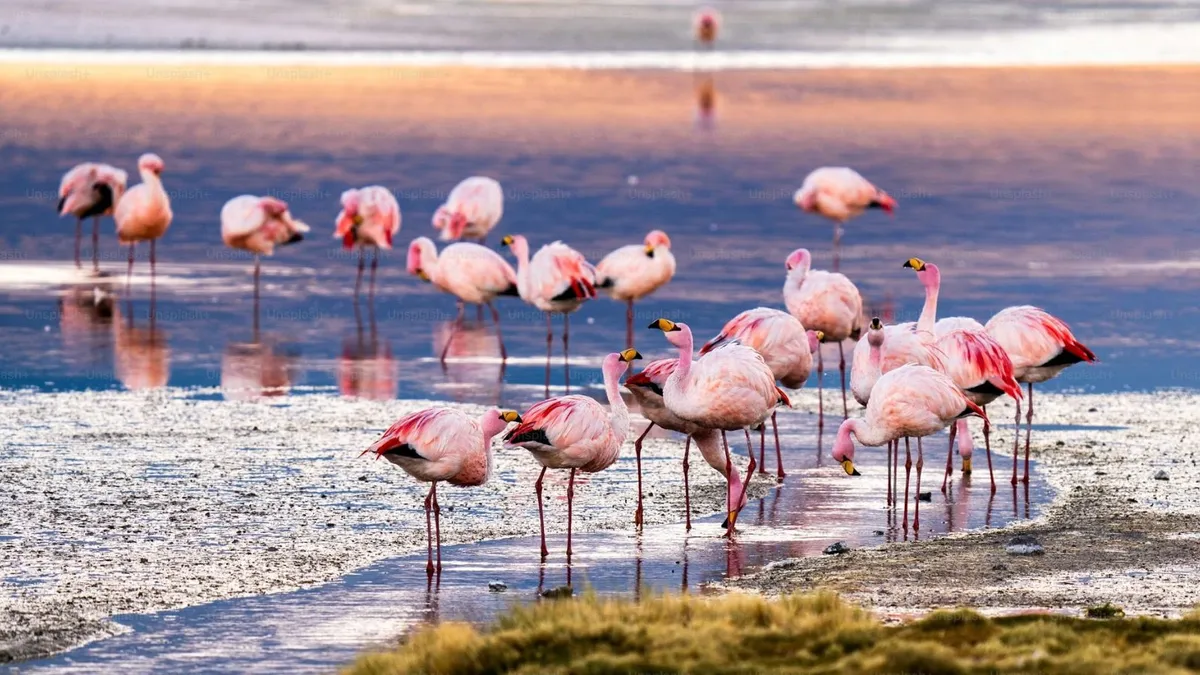
Discover the breathtaking, otherworldly landscape as Rajasthan’s Sambhar Salt Lake transforms into a vibrant canvas of pink!
Every winter, the Ramsar wetland site welcomes hundreds of thousands of migratory flamingos, flying in from distant lands like Siberia and Central Asia. The shallow, nutrient rich saline waters of the Sambhar Lake become the crucial habitat for hosting a magnificent spectacle, where the sheer number of birds casts a stunning rosy hue over the vast, shimmering expanse. Here’s all you need to know to get prepared to be enchanted by this awe-inspiring display of nature’s magic at India’s largest inland saltwater lake.
Why is Sambhar Lake a flamingo magnet?
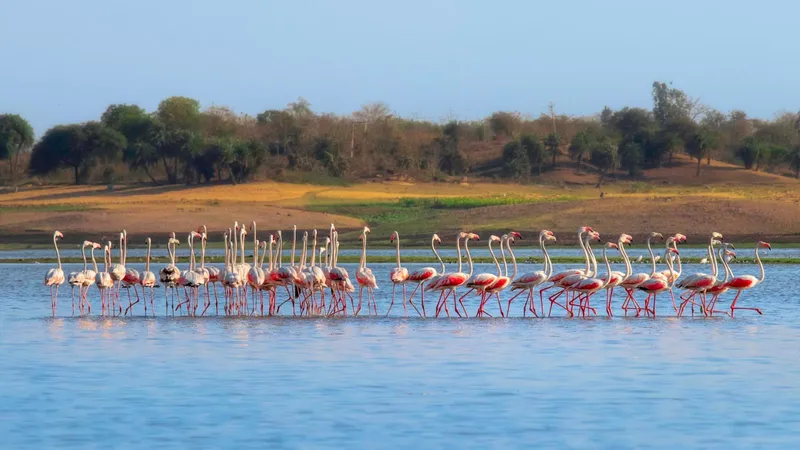
The Sambhar Lake acts as a ‘flamingo magnet’ for several compelling ecological reasons. An ideal wintering ground for these migratory birds, here’s why Sambhar Lake flamingos are so popular.
- Abundant food source- The lake’s high salinity is a breeding ground for the flamingo’s primary diet, which includes brine shrimp, algae, and other tiny organisms. This rich supply of food allows thousands of birds, especially both Lesser and Greater Flamingos to feed easily in the shallow waters, making this place a famous spot for flamingos in Rajasthan.
- High salinity and algae- The lake is India’s largest inland salt lake, and its hypersaline water promotes the growth of specific algae and bacteria that contain carotenoid pigments. Consuming these pigments is what gives the flamingoes their pink colour.
- Key migration stopover- Sambhar Lake tourism is boosting as this place is a vital stopover point along the Central Asian Flyway, which is a major migratory route. Flamingos travel thousands of kilometers from regions like Russia, Siberia, and Mongolia to escape the harsh winters.
- Optimal conditions and safety- The lake provides a vast, relatively peaceful, and protected wetland area for the birds to rest, feed, and sometimes breed. Favourable conditions like good rainfall and sustained water levels create an optimal habitat by ensuring plentiful food and water availability throughout the season.
- International recognition- The lake’s ecological importance is formally recognised as a Ramsar Wetland of International Importance, underscoring its role in supporting diverse birdlife.
_1735227718290_thumb_300.jpeg?w=800&f=webp&t=63a80e32b5d190c4)
What is the best time to visit Sambhar Lake?
The best time to visit Sambhar Lake to witness the spectacular flamingo migration is during the winter season.
Prime flamingo season
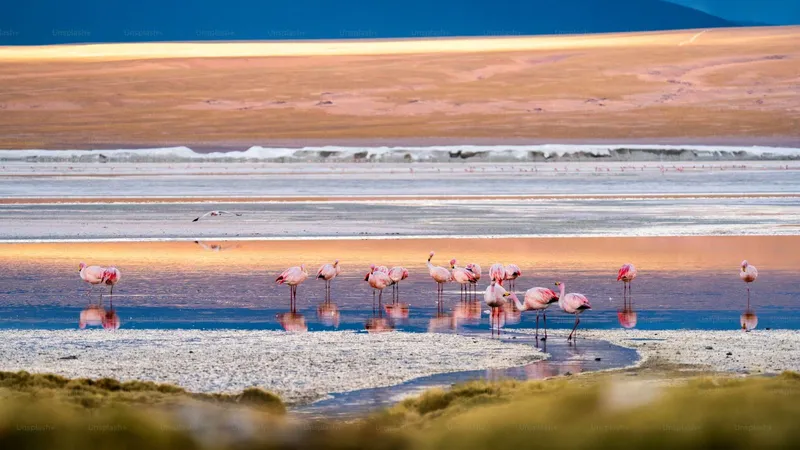
The most reliable months to witness the Sambhar Lake flamingos are-
- November to February- This is the best time to visit Sambhar Lake when the weather is pleasant, and the flamingos of Rajasthan arrive in huge numbers from their northern breeding grounds.
- Peak sightings- Many experts note that the peak arrival of the flamingos, boosting Sambhar lake tourism, can be as early as October and the season lasts through March. Focusing on the months of December and January is often recommended for the most vibrant experience.
Best time for viewing Sambhar Lake flamingos
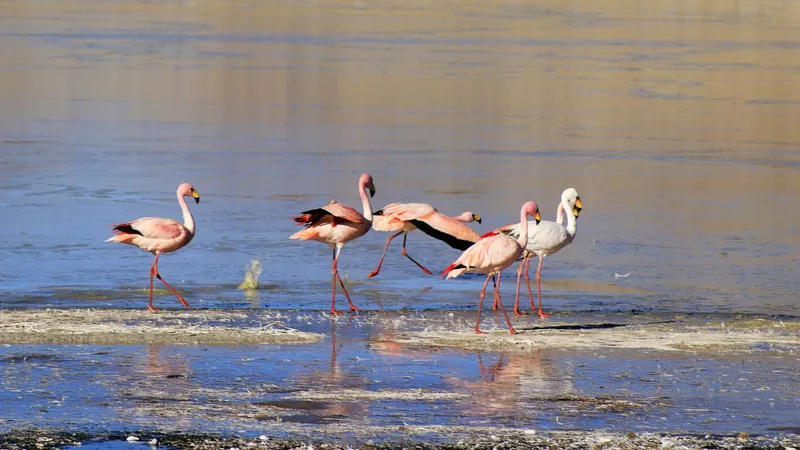
For the best experience, especially for photography, plan your visit for these times-
- Early morning (Sunrise)- The soft, golden light is perfect for photography, and the birds are generally more active as they feed.
- Late afternoon (Sunset)- This time offers a dramatic and colourful backdrop as the sun reflects off the salt pans and large pink flocks.
Viewing spots
The vastness of Sambhar Lake means the flamingos are often dispersed, but certain locations consistently offer the best and spectacular views.
1. Cenotaph Hill
Perched above the ancient Shakambhari Devi Temple, the Cenotaph Hill offers arguably the best panoramic view of the entire lake basin. From this high vantage point, the sheer scale of the flamingo migration becomes breathtakingly clear. The pink flocks, which can number in the hundreds of thousands, appear like a colossal, living rose-hued stain against the brilliant white salt flats and the shallow, shimmering water.
2. The western section of the lake
Bird experts often point to the western part of the lake as a primary congregation zone. This area, particularly around the region of Devyani Island, is known for its high concentration of brine shrimp and algae, which is the main food source for the flamingos. You will probably need a vehicle to navigate the rough tracks leading to the lake’s edge here.
3. Sambhar Lake railway line
A unique viewing point for the Sambhar Lake flamingos is provided by the old, defunct meter-gauge railway line that cuts dramatically across the lake’s vast salt pans. While the trains no longer run, the track and its scattered remnants of rolling stock create a mesmerising, rustic and slightly eerie foreground. Positioning yourself near the tracks offers a compelling juxtaposition of human history against natural wonder, creating a linear frame that draws the eye out towards the distant, pink tinged horizon and the feeding birds.
4. The edge of the salt pans, new Sambhar town
Near the historic Sambhar town, where the commercial salt pans meet the main lake body, you can often find smaller and equally engaging flocks. The shallow, well-defined banks here allow for relatively easier and safer access. This spot is excellent not just for flamingoes, but also for getting a closer look at the diverse wanderers, such as Avocets and Stilts.
_1738942446588_thumb_300.jpeg?w=800&f=webp&t=c521d1266af03438)
Travel guide and logistics
1. How to get to Sambhar Lake
- Nearest airport- The Jaipur International Airport is approximately 90-100 km from Sambhar Lake.
- By rail- Sambhar Lake Town has its own railway station, though major connections usually run through Jaipur or Ajmer.
- By road- Sambhar is well connected by state highways. The drive from Jaipur takes about 2-2.5 hours. Hiring a local taxi or self driving is the most flexible option.
2. Accommodation
Accommodation options directly near the lake are minimal. It is highly recommended to stay in Jaipur or Ajmer, and plan a day trip to the lake, as both cities offer a wide range of hostels and amenities.