






 Copy Link
Snapshots
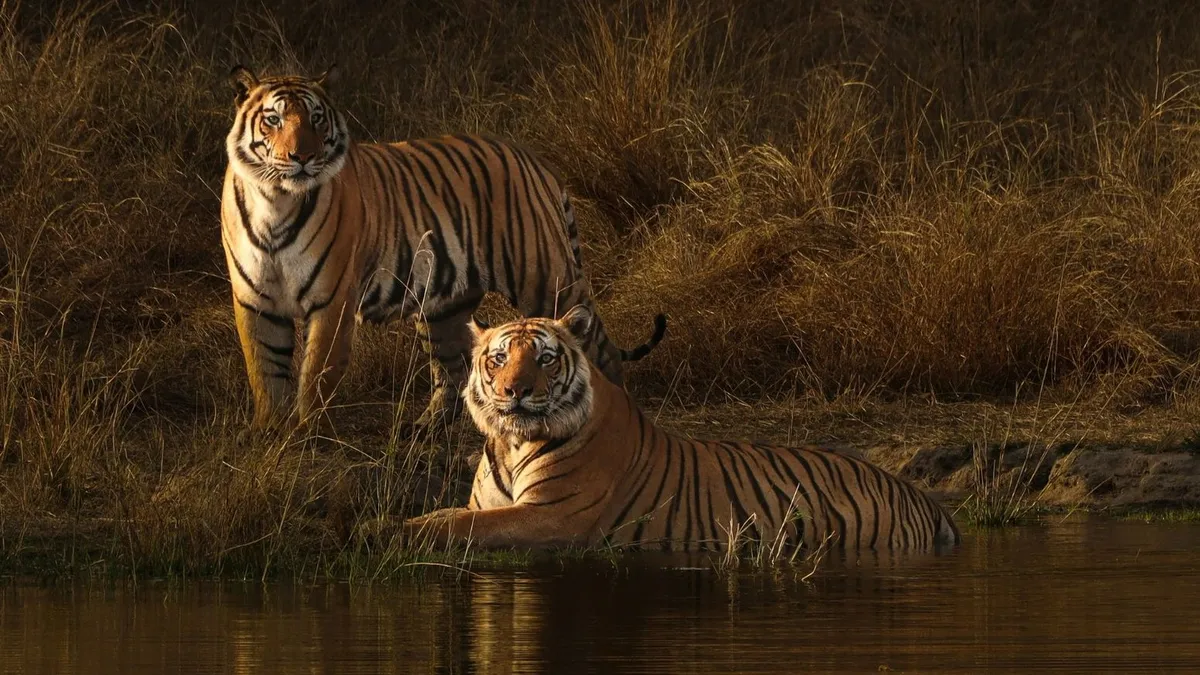
In 2026, the call of the wild has never been more refined. As families seek a deeper connection away from the digital noise, the ancient beautiful forests in India have emerged as the ultimate sanctuary for multi-generational bonding. From the mist covered canopies of Wayanad to the tiger-stalked grasslands of Jim Corbett, these green cathedrals offer more than just a vacation, they provide a shared adventure. So, whether you are interested in tracking the Big Five in Kaziranga or waking up in a luxury treehouse in Pench, 2026 is the year to trade screen time for the timeless rhythm of the jungle.
Forest escapes as slow travel hubs in India
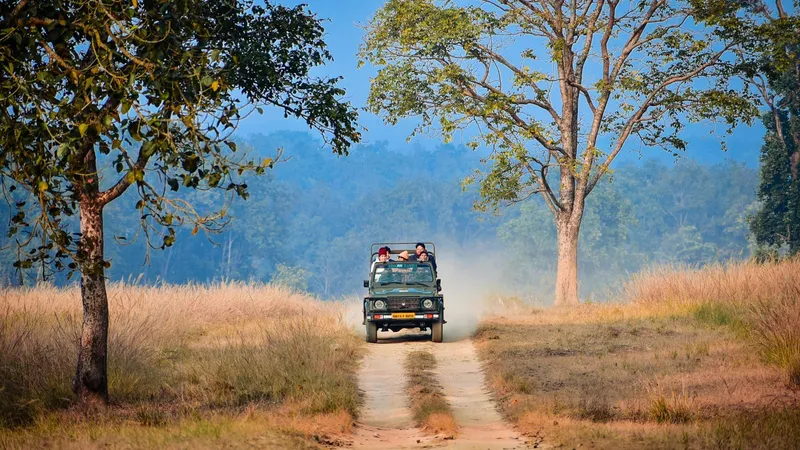
A defining trend for 2026 is the embrace of slow travel, which is a movement that prioritises quality of connection over the tranquillity of the sights seen. While traditional safaris often feel like a race to check off tiger sightings, the modern family escape is about lingering in the landscape.
- Deep immersion over daily drives- Families are now opting for week-long stays in a single reserve like Satpura or Jaldapara. This allows for ‘quietcations’, where the mornings are spent on bird watching walks and afternoons are dedicated to reading by a riverside or sketching local flora.
- Correlating conservation with play- Slow travel in the forest allows children to engage with the ecosystem beyond the jeep. Many lodges now offer junior naturalist programs, where the kids learn to track pugmarks or identify medicinal plants, turning a vacation into a form of live education.
- The homestay advantage- The rise of premium forest homestays in 2026, particularly in Dooars and Meghalaya, encourages families to eat local organic produce and participate in village life at the forest’s edge, creating a travel experience that respects both the environment and the local community.

Top family-friendly forest destinations in India to bookmark for your 2026 travel
Planning a family trip to the wild requires a delicate balance between adventure for the kids and comfort for the seniors. In 2026, India's eco-tourism scene is more accessible than ever, here are some of the best forests in India you can plan your escape to.
1. Kanha National Park, Madhya Pradesh
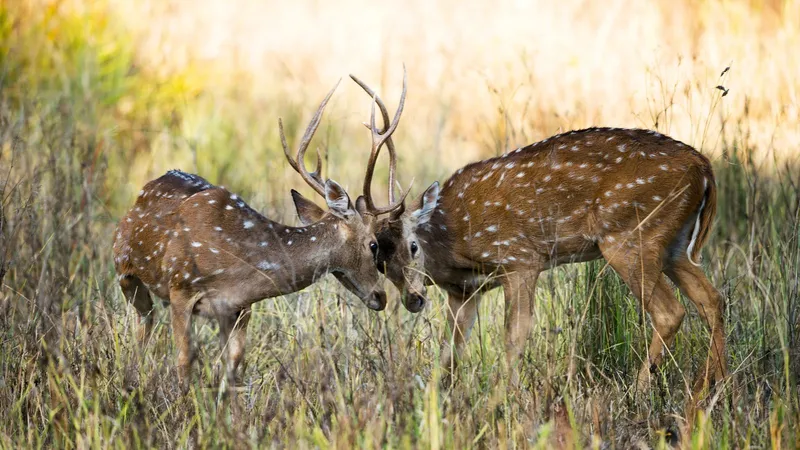
Often called the Real Jungle Book, Kanha’s sprawling meadows and lush bamboo forests are a dream for children and adults alike. Among the most famous forests in India, in 2026, the focus is on holistic exploration, and here families can visit the Kanha Museum to witness the life-sized exhibits or participate in Gond art workshops at the local lodges. This is a place where the stories of Mowgli come to life through the rustling of the Sal trees.
2. Wayanad Wildlife Sanctuary, Kerala
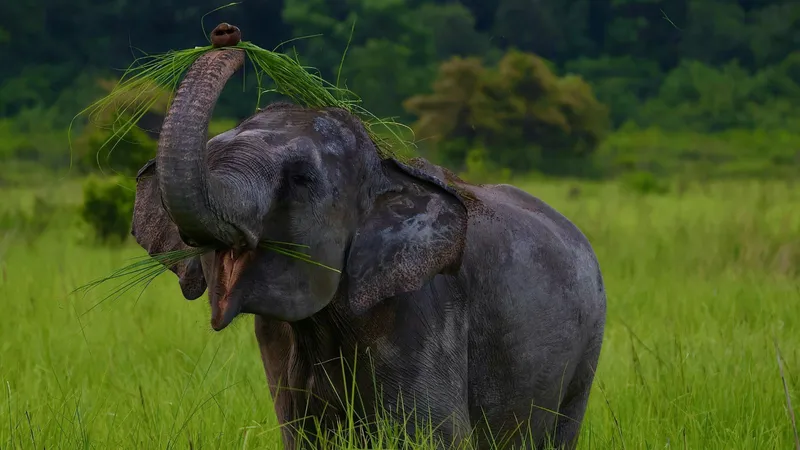
Part of the Nilgiri Biosphere, Wayanad is a misty, emerald green paradise. Families are flocking to this beautiful forest in India to experience eco-stays in luxury treehouses that hover high above the forest floor, beyond the jeep safaris to see the wild elephants. This is one of the best forests in India for spotting elephants. You can also hike to the Edakkal Caves to witness the Neolithic petroglyphs that offer a unique blend of prehistoric history and vibrant biodiversity.
3. Satpura Tiger Reserve, Madhya Pradesh
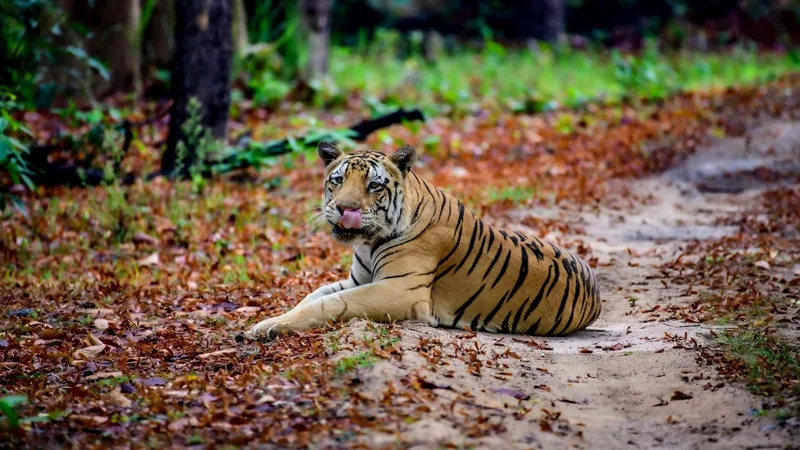
Satpura is the capital of silent safaris. In 2026, it is one of the best forests in India and a top choice for families who prefer peace over the roar of engines. You can take a canoe safari on the Denwa River, watch crocodiles bask on the banks, or engage in a guided walking safari. This famous forest in India is one of the few places where you can explore a tiger reserve on foot with an expert ranger.
4. Kaziranga National Park, Assam
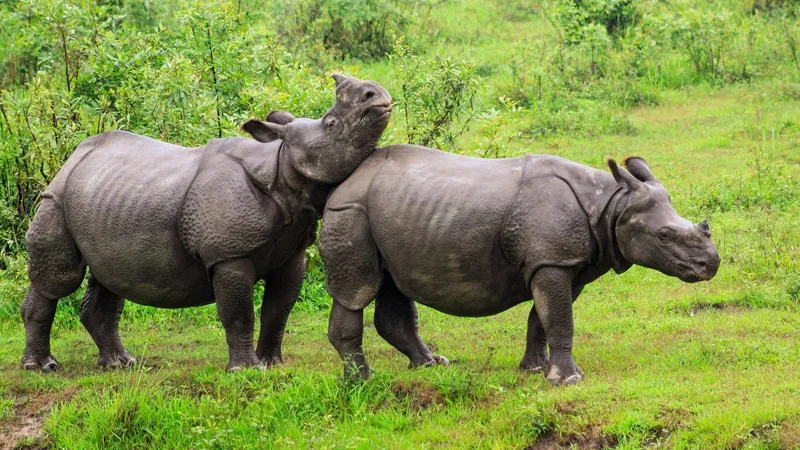
Home to the Big Five, Kaziranga is a prehistoric-looking landscape of tall elephant grass. The 2026 traveller must visit the National Orchid and Biodiversity Park nearby, which features over 500 orchid species and daily Assamese folk dance performances, making it a rich cultural and wild escape.
5. Bandhavgarh National Park, Madhya Pradesh
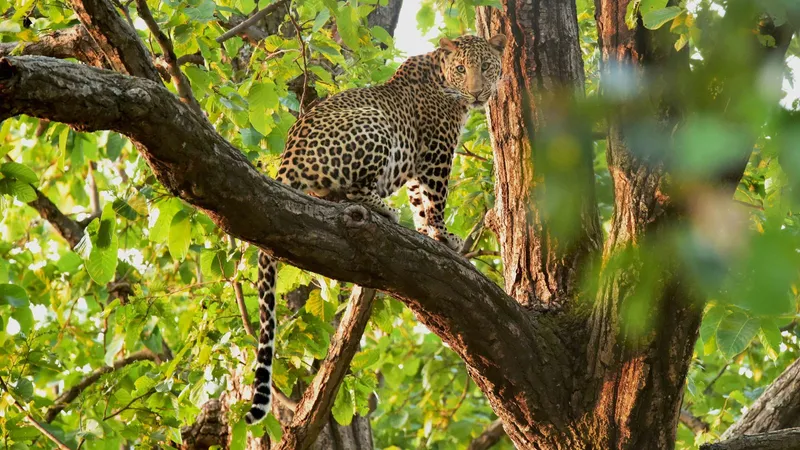
For families determined to see a tiger, Bandhavgarh offers the best odds. However, the magic lies in its archaeological wonders. You can trek up to the Bandhavgarh Fort ruins or sit in silence before the Shesh Shaiya, which is a 1000-year-old reclining statue of Lord Vishnu hidden deep in the forest, where a natural spring flows from his feet.

6. Ranthambore National Park, Rajasthan
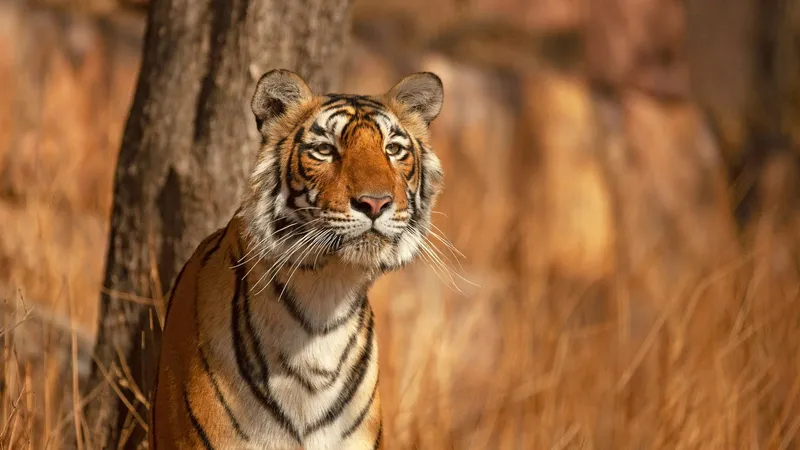
This beautiful forest in India is where royalty meets the wild. This famous forest in India is known for its tigers that roam among ancient, crumbling cenotaphs and lake palaces. In 2026, the Wildlife Bingo and junior photography trails organised by high-end glamping sites make it a massive hit for families with teenagers who want that Instagram-perfect historical backdrop.
7. Gir National Park, Gujarat
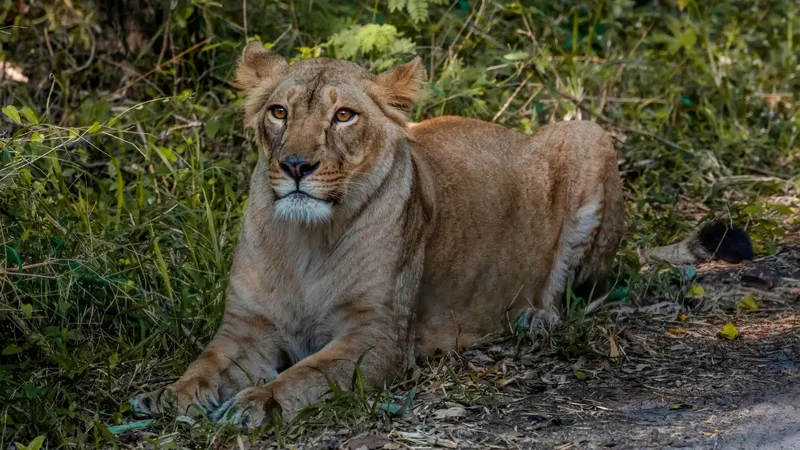
This forest is the only place on Earth to see Asiatic Lions in the wild. Gir has become a favourite for its Devalia Interpretation Zone, which is a fenced mini-safari that guarantees lion sightings, making it perfect for families with toddlers. For a deeper cultural dive, families can visit the Maldhari tribal settlements, learning how these semi-nomadic herders have lived in harmony with lions for centuries.
Coastal wonders
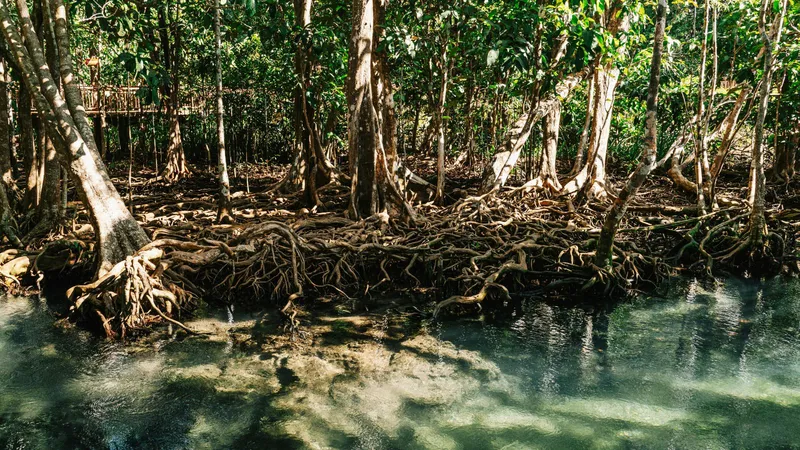
Beyond the dense jungles also lies India’s enchanting water forests. In the Sunderbands or Pichavaram, families can glide through emerald mangrove labyrinths on rowboats, which makes for a calmer alternative to bumpy jeeps.
For a mix of marine and birdlife, the Marine National Park in Gujarat offers island hopping experiences, where kids can spot colourful corals and stilt legged herons at low tide. Meanwhile, sanctuaries like Ranganathittu transform rivers into bird forests, where painted storks nest in trees rising directly from the water, offering a front row seat to nature’s nursery.