






 Copy Link
Snapshots
India is readily ushering in a new era of digital travel with the launch of the e-passport. An advanced, and secure travel document that is embedded with an electronic microchip, electronic passport, India is designed to streamline immigration processes and enhance security. The e passport benefits help to bring the nation in line with global standards. As the government integrates cutting edge technology into public services, this innovation not only simplifies international travel for Indian citizens, but also marks a significant step toward a digitally empowered and globally connected India.
What is an e-passport?
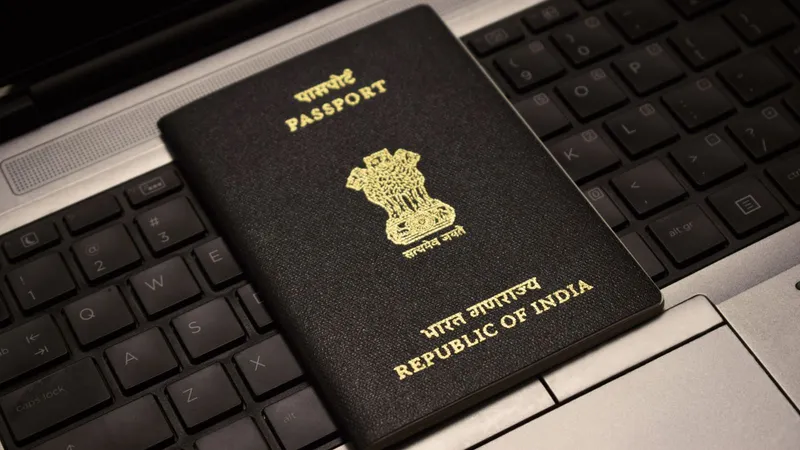
Electronic passports in India are made in such a way so as to integrate an RFID chip with an antenna, which is able to store personal and biometric data like fingerprints, as well as a digital photograph. The data is digitally signed and encrypted using the Public Key Infrastructure (PKI) and Radio Frequency identification (RFID) technology, which in turn enhances security and prevents forgery.
An e-passport can be identified by a small gold coloured symbol printed below the national emblem on the passport’s front cover. The electronic passport, India offers a faster immigration clearance by enabling contactless, automated reading at borders.

E-passport launch in India: Timeline and current status

India began a phased, pilot launch of electronic passports back on April 1, 2024, under the Passport Seva program (PSP) 2.0. As of September, 2025, select regional passports offices like those in Nagpur, Bhubaneswar, and Chennai can issue e-passports. A nationwide rollout to all regional passport offices is expected to be completed by mid 2025.
Who is eligible for an e-passport in India?
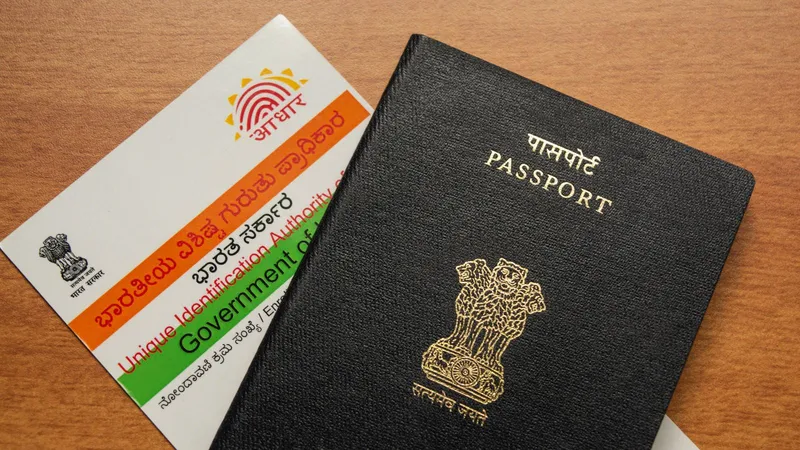
Anyone who is eligible to apply for a traditional passport can also apply for an e-passport in India. In case you are wondering how to apply for an e passport, there are certain basic requirements, that includes adults, minors, and senior citizens who need to travel internationally. Applicants who intend to know how to apply e passport need to meet certain standard requirements, such as providing proof of Indian citizenship, identity, and address.
The process for applying involves submitting documents, biometric data, and completing the application at a Passport Seva Kendra or a Regional Passport Office, or even through e-seva passport services.
Step-by-step procedure on how to apply for e passport

In order to apply for an electronic passport in India, you need to follow certain basic steps. Here’s a complete layout of how to apply e passport-
- Visit the Passport Seva Portal- Visit the official website, that is, passportindia.gov.in, and register if you are a new user, otherwise simply log in to your existing account.
- Fill out and submit the application- Once you have registered or logged in, select “Apply for Fresh Passport/Re-issue of Passport”. Choose the former option if you have never had that category before, or else re-issue. Thereafter, fill in the required personal, identity, and travel history details.
- Pay fees and schedule appointment- After you have submitted the application form, pay the required fees online through your desired mode of payment. Then schedule an appointment at a Passport Seva Kendra or Post Office Passport Seva Kendra for document verification and biometric capture.
- Appear in person- On the day of the appointment, visit your chosen place of appointment with all the original documents and copies. There, your photograph, fingerprints and other biometrics will be captured.
- Police verification- A police verification will be done. With the m-Passport Police App, this process has been further sped up to around 5-7 working days in usual cases.
- Tracking and delivery- After successful verification, you can track application status online. Once everything is cleared, your e-passport will be printed and delivered to your address.

E-passport benefits

The introduction of the electronic passport in India marks a major technological leap in travel documentation, offering a host of e passport benefits.
1. Enhanced security with embedded microchip
At the heart of the electronic passport, India is an electronic chip that is embedded in the front cover. This feature securely stores the holder’s biometric data, which makes it extremely difficult to forge or tamper with. As a result, one of major e passport benefits is the reduced risk of identity theft and fraud.
2. Faster immigration and check-in
E passports can be read by automated e-Gates at airports. This allows for quicker processing at immigration, reduced queues and wait times, along with smooth cross border travel experiences. It also significantly cuts down on manual verification, making international travel seamless and hassle free.
3. Global recognition and visa facilitation
As more and more countries are currently adopting e-passport infrastructure, Indian travelers with e passport benefits will be able to experience faster visa issuance, increased trust from foreign immigration authorities, as well as better chances of visa approvals due to enhanced reliability of data.
4. Time saving and convenient
For those who travel frequently, e-passport ensures no repetitive manual entries, quicker travel history checks, and simplified airport procedures.