






 Copy Link
Snapshots
Where the Earth breathes and the water lingers, you will find the world’s most vibrant ecosystems. Far more than just swamps, wetlands are nature’s ultimate multitaskers. These are spaces that act as the planet’s kidneys to filter water and its lungs to store carbon. From the jaguar stalked plains of the Pantanal to the shimmering lily pads of the Okavango, wetlands are liquid landscapes that host a theatrical display of biodiversity, which cannot be found anywhere else. Here’s for you to join us as we dive into the 10 most iconic wetlands that prove the meeting point of land and water is where life truly flourishes at its most wild and wonderful.
A journey through the most iconic wetlands of the world
Wetlands are the world’s most versatile landscapes. These places act as natural sponges that soak up flood waters, they are carbon storing powerhouses, and biological supermarkets when it comes to the staggering array of wildlife that they are homes to. From the salt sprayed edges of the coastal wetlands to the emerald heart of the inland deltas, these wetland destinations offer more than just scenery, but a front row seat to nature’s most complex and beautiful survival stories.
1. The Pantanal (Brazil, Bolivia, Paraguay)
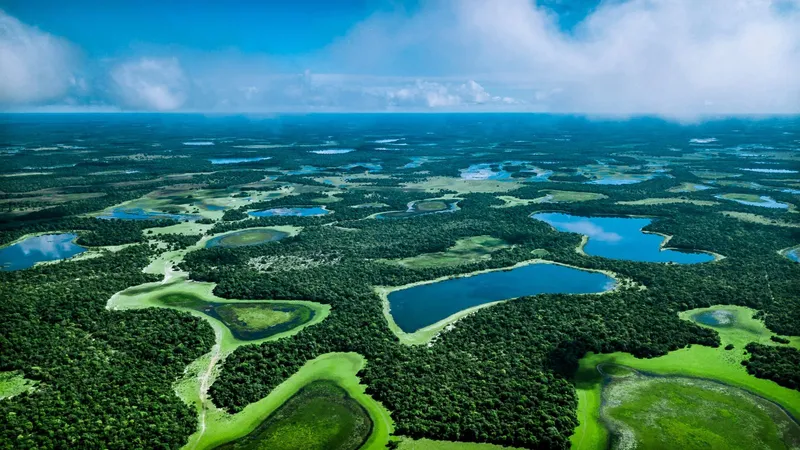
This is the world’s largest tropical wetland. A sprawling mosaic of flooded grasslands and lagoons, this wetland, unlike the dense Amazon, consists of open vistas that make this place a premier stage for spotting the elusive jaguar and the massive Jabiru stork.
2. The Okavango Delta (Botswana)
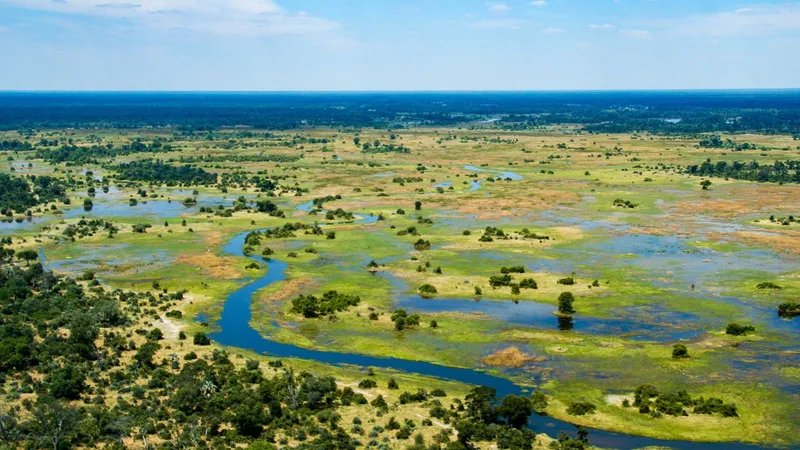
Known as the Jewel of the Kalahari, this inland delta is a miracle of geography where the river drains into a desert instead of the sea. A coastal wetland that you can navigate through crystal clear channels in a traditional mokoro, or a doughnut canoe, this wetland brings you face to face with elephants, hippos, and painted reeds.
3. The Sunderbans (India and Bangladesh)
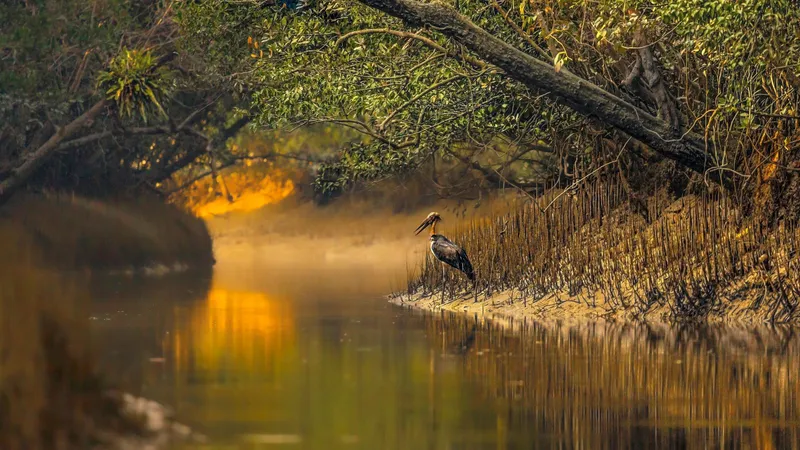
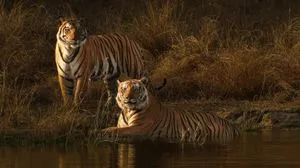
This is a UNESCO World Heritage site, which is also the largest mangrove forest in the world. A hauntingly beautiful maze of tidal waterways and mudflats, this wetland nature reserve is where the Royal Bengal tiger has famously adapted to a semi-aquatic life, swimming between the islands of tangled roots.
4. The Everglades (USA)
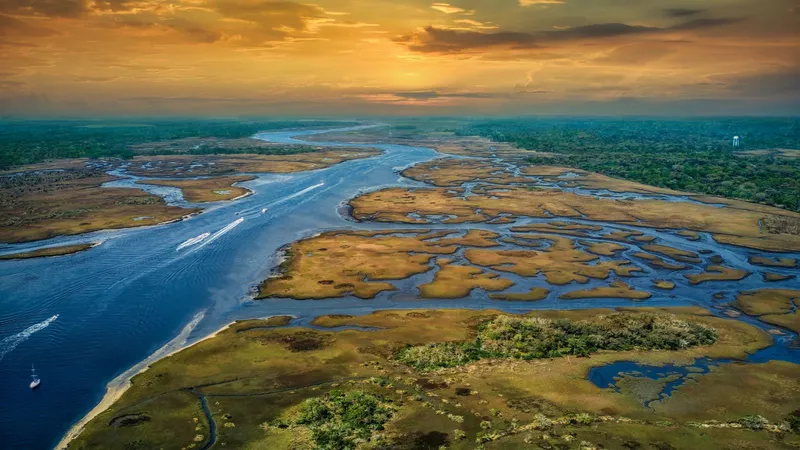
Often called the River of Grass, this subtropical wilderness is a slow moving sheet of water that nurtures a unique coexistence of American alligators and crocodiles. Its sawgrass marshes and cypress domes are a lifeline for the endangered Florida panther.
5. The Camargue (France)
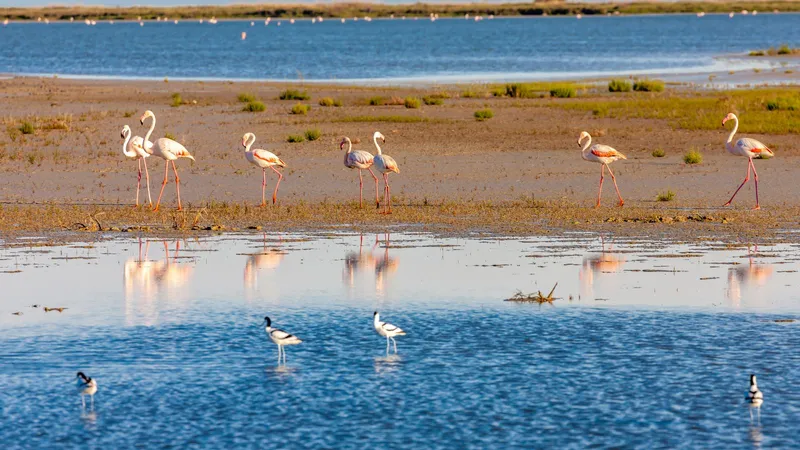
Europe’s most distinctive coastal wetland is a landscape of salt pans and lagoons where the wild white horses gallop through the surf and clouds of pink flamingos that paint the sky during sunset. This place represents a rare blend of ancient pastoral culture and raw Mediterranean beauty.
6. Kakadu National Park (Australia)
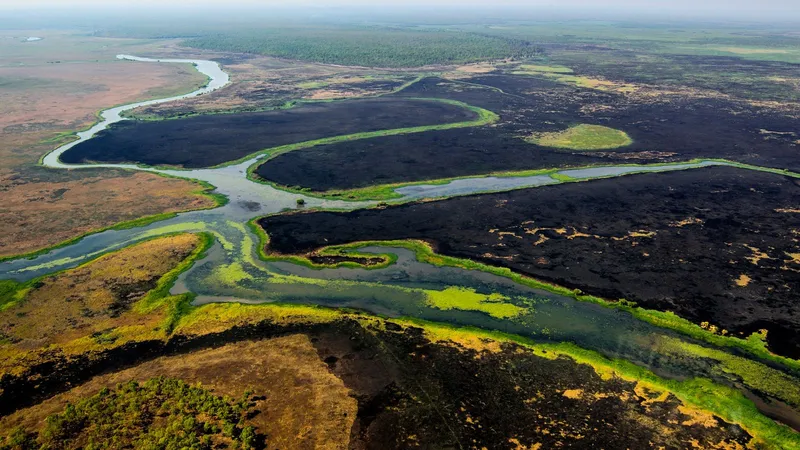
A living cultural landscape, this wetland nature reserve is home to one of the world’s highest concentrations of saltwater crocodiles. The wetlands here are inextricably linked to 65,000 years of Aboriginal history, which is depicted through the vibrant rock art found here.
7. The Sudd (South Sedan)
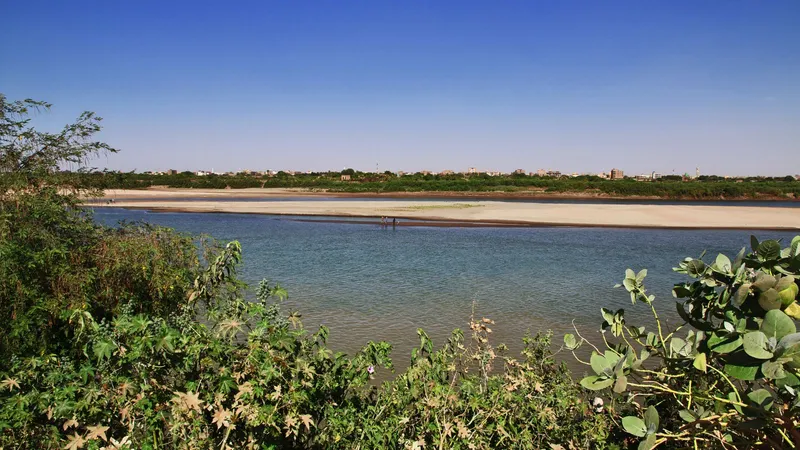
One of the largest freshwater wetlands in the world, the Sudd is a vast and impenetrable expanse of papyrus and water hyacinths that are fed by the White Nile. It is a critical sanctuary for millions of migratory birds, as well as a focal point for the pastoralist lifestyle.
8. The Danube Delta (Romania & Ukraine)
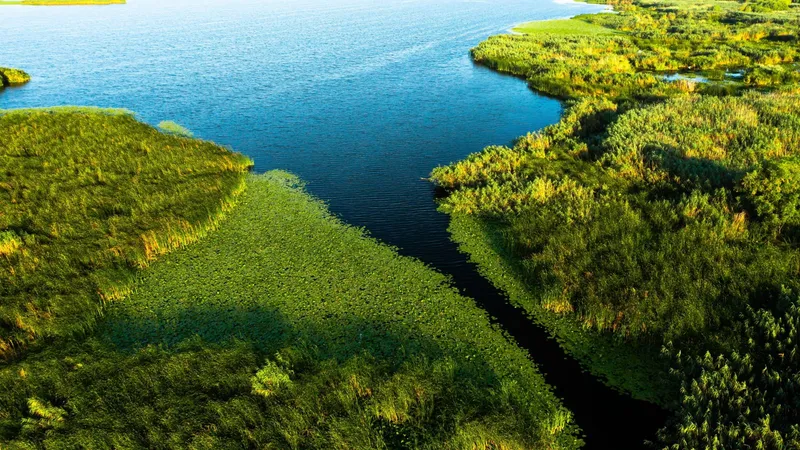
The space where the Danube meets the Black Sea lies Europe’s best preserved delta. It is a labyrinth of reed beds and lakes that serves as a vital pit stop for over 300 species of birds, including the great white pelican, during their long migrations.
9. The Mekong Delta (Vietnam)
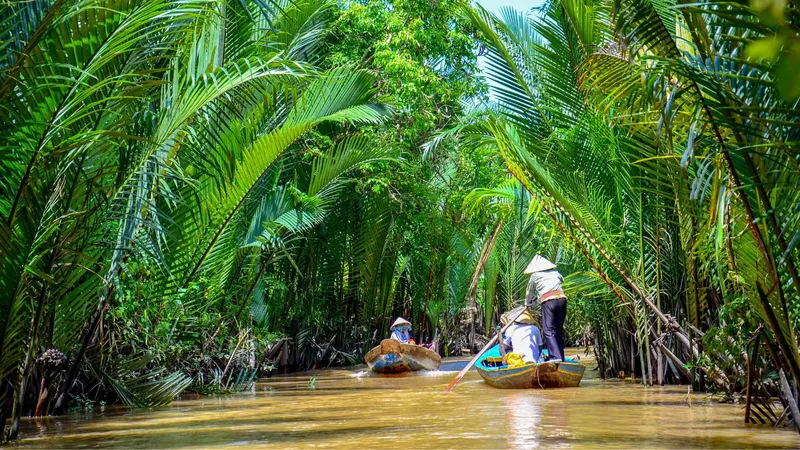
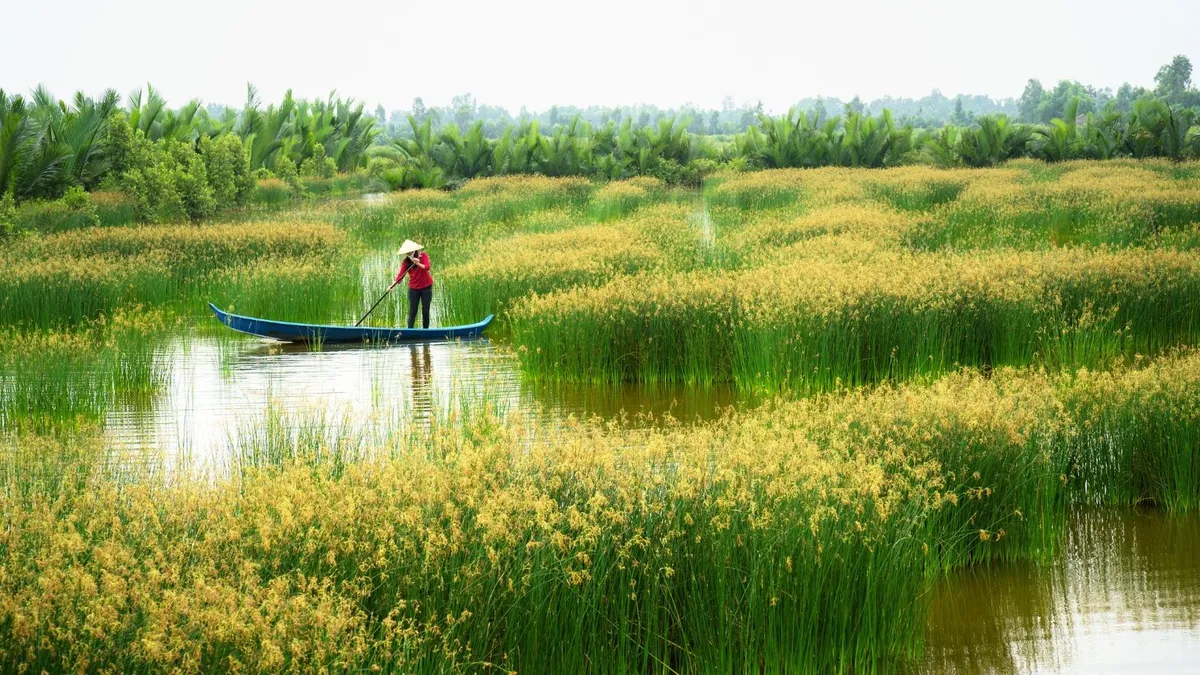
Largely known as the Rice Bowl of Vietnam, this is a dynamic coastal wetland, which is also as much a cultural wonder as it is an ecological one. Its network of silt-rich rivers supports the floating markets of the area, as well as the mangrove swamps, and helps build a beautiful tapestry of life that feeds millions of people.
10. The Hudson Bay Lowlands (Canada)
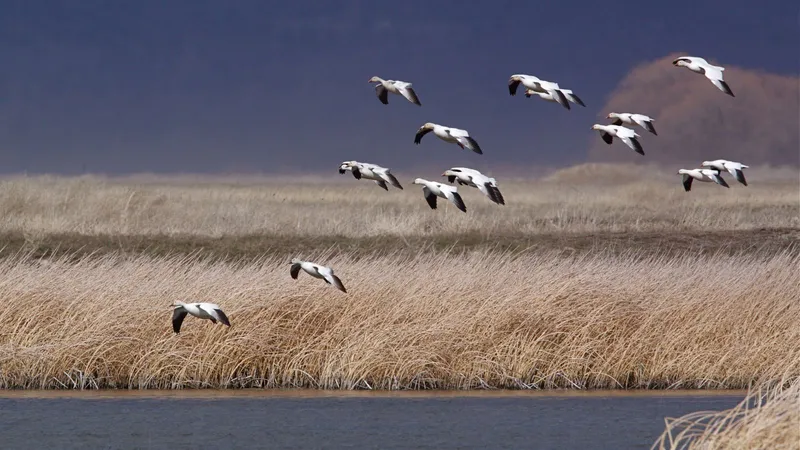
Covering a massive portion of the subarctic, this is the peatland in North America. These bogs and fens are carbon-storing champions that lock away vast amounts of greenhouse gases while providing a summer home for polar bears and caribou.
Pro tips for your wetland exploration
Wetlands are as fragile as they are beautiful. Unlike a typical forest hike, exploring the marsh or delta requires a specific set of rules to ensure both your safety and the protection of the ecosystem.
- Wear earth-toned, long-sleeve clothing to blend into the environment and protect against the sun and biting insects.
- Use biodegradable, mineral-based sunscreens to prevent toxic chemical runoff from harming sensitive aquatic life.
- Invest in waterproof dry bags to safeguard electronics and documents from high humidity and sudden tropical downpours.
- Strictly stick to the designated boardwalks and trails to avoid crushing fragile peat moss or disturbing hidden nesting sites.
- Carry high-quality binoculars to enjoy close-up views of the wildlife without physically encroaching on their territory.
- Pack sturdy, waterproof footwear with high traction soles to navigate slippery boat decks and muddy banks safely.
- Hire a local eco-certified guide who is able to understand seasonal water levels and can ensure a safe, educational experience.