






 Copy Link
Snapshots
India is a subcontinent of impossible contrasts, where the Earth constantly reinvents itself. In 2026, travel is no longer just about the destination, but about the visceral connection to the land. From surreal, moon drenched salt flats of Gujarat to the vertical emerald rainforests of the Western Ghats, this guide to the most beautiful landscapes in India maps out a year long odyssey through the soul of the Indian landscape. So, whether you are chasing the first bloom of Himalayan spring or the golden silence of a desert sunset, here are twelve striking and beautiful natural landscapes in India to define your travel calendar.
The best of Indian landscapes for 2026 travel
Forget the tourist trails of yesterday. In 2026, the most rewarding journeys across the Indian subcontinent is through the beautiful natural landscapes. Defined by raw, untamed beauty, here are some of the top landscapes to plan your 2026 travel to in India.
1. January- Rann of Kutch (Gujarat)
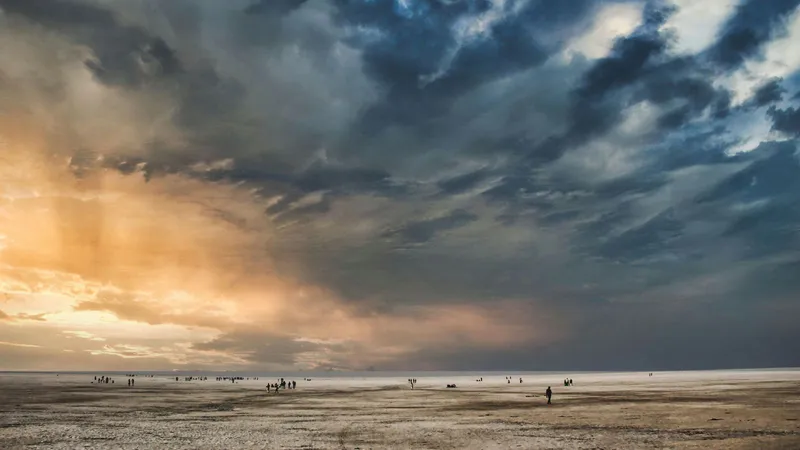
Kick of the year in a landscape that feels like the edge of the world. The Great Rann of Kutch is a massive seasonal salt marsh that dries into blindingly white, cracked Earth desert. Under the winter sun, the salt crystals of this beautiful landscape in India shimmer like diamonds, while, under the full moon, the horizon disappears into a ghostly blue glow. This place is a minimalist’s dream and a photographer’s paradise.
2. February- Orccha and Khajuraho (Madhya Pradesh)
As the harsh winter begins to soften, central India’s heritage landscapes come alive. In Orccha, the Betwa River flows past towering 16th century chhtaris or cenotaphs that look like stone sentinels. Nearby, the intricate sandstone temples of Khajuraho rise against clear sapphire skies. This beautiful natural landscape feels like a dialogue between the rugged riverine nature and some of the world’s most sophisticated stone masonry.
3. March- Tirthan Valley (Himachal Pradesh)
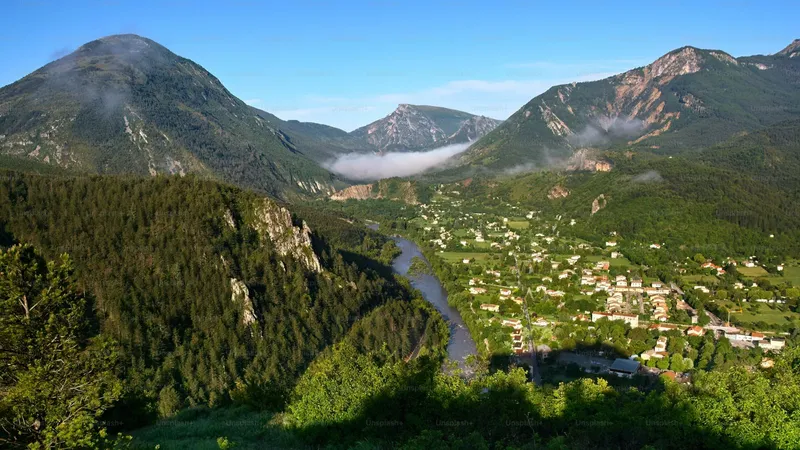
Before the summer crowds arrive, March reveals the Tirthan Valley in its most delicate state. As the snow retreats to the higher peaks of the Great Himalayan National park, the valley floor explodes with pink apple blossoms and emerald pine forests. The Tirthan River, crystalline and cold, winds through a landscape that feels like a forgotten alpine fairytale.

4. April- Mawlynnong and Dawki (Meghalaya)
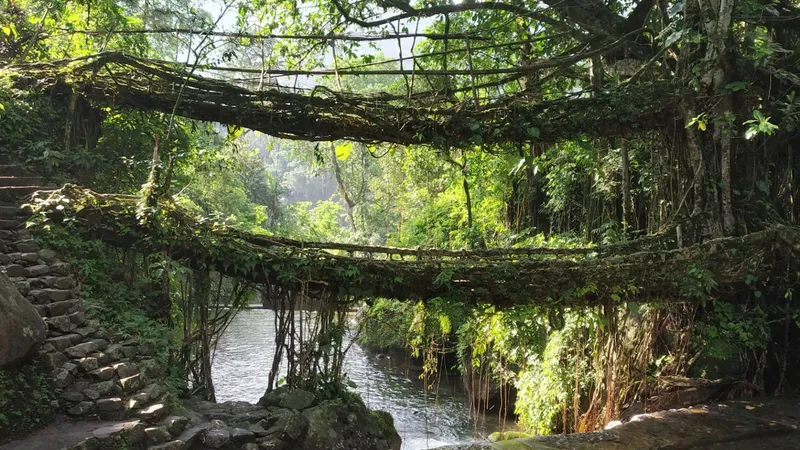
April in Meghalaya is a sensory overload of green. In Mawlynnong, which is recognised as the cleanest village in Asia, the landscape is defined by ancient living root bridges, which are organic architecture that are grown from the roots of rubber trees. A short drive away, the Umngot River in Dawki is so clear that boats appear to be floating on glass, suspended over a riverbed of smooth and colourful stones.
5. May- Chopta and Tungnath (Uttarakhand)
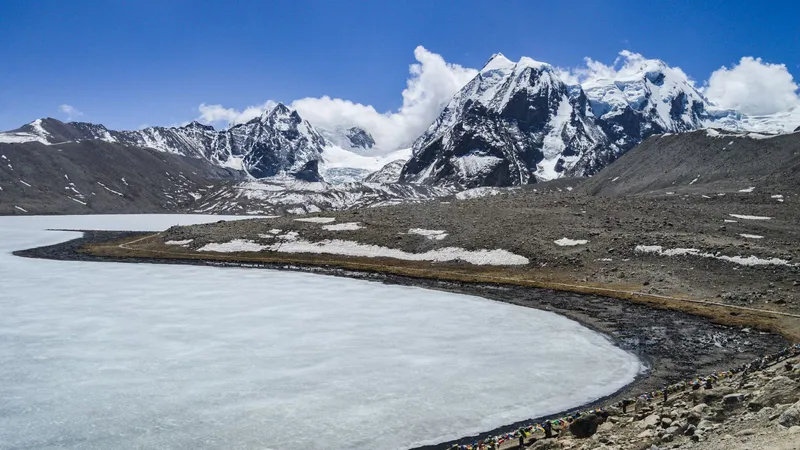
Escape the heat of the plains for the Mini Switzerland of India. In May, the meadows of Chopta are carpeted in velvet grass and blooming rhododendrons. The trek to Tungnath, which is the highest Shiva temple in the world, offers to you the most panoramic natural landscape in India where the jagged peaks of Nanda Devi and Trishul feel close enough to touch.
6. June- Valparai (Tamil Nadu)
While the rest of the country awaits the rain, the Anamalai Hills of Valparai remain a cool, mist drenched sanctuary. This beautiful landscape in India is a geometric masterpiece of undulating tea estates, interspersed with dense patches of tropical rainforests. It is one of the few places where you can see the Nilgiri Tahr grazing against a backdrop of clouds rolling over deep green valleys.
7. July- Bhandardara (Maharashtra)
When the monsoon hits the Western Ghats, the landscape transforms into a scene that feels out of a movie. Bhandardara, located alongside the Arthur Lake becomes a land of a thousand waterfalls. The surrounding Kalsubai peak gets shrouded in mist, and the lush, rain washed cliffs create a vertical landscape of roaring water and deep, mossy canyons.
8. August- Araku Valley (Andhra Pradesh)
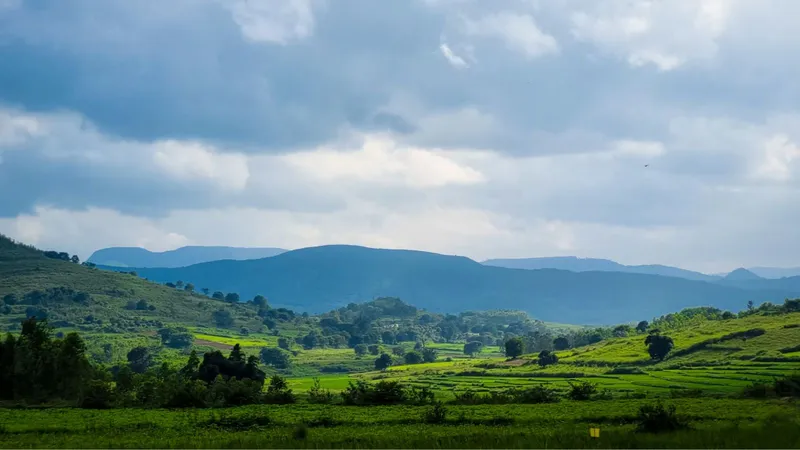
August turns Araku Valley into a vibrant tapestry of coffee plantations and misty tribal hamlets. The landscape is defined by the Galikonda and Chitamogondi mountains, which often get hidden behind the soft rain veils. Below the surface, the Borra Caves offer a subterranean landscape of ancient stalactites and stalagmites that are millions of years in the making.
9. September- Ladakh
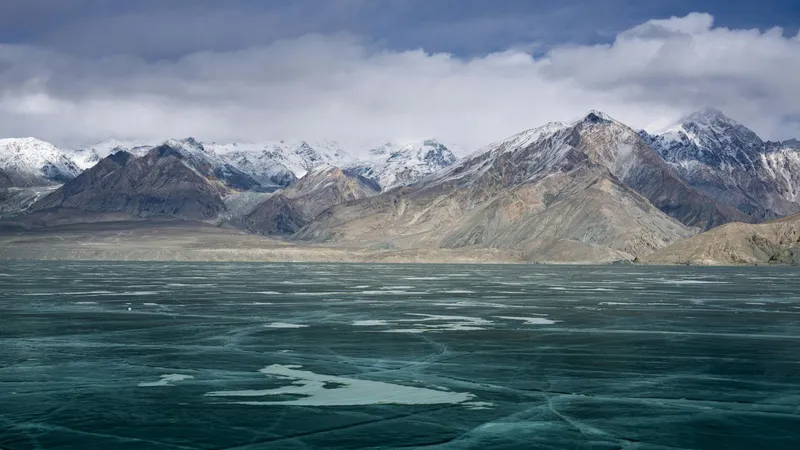
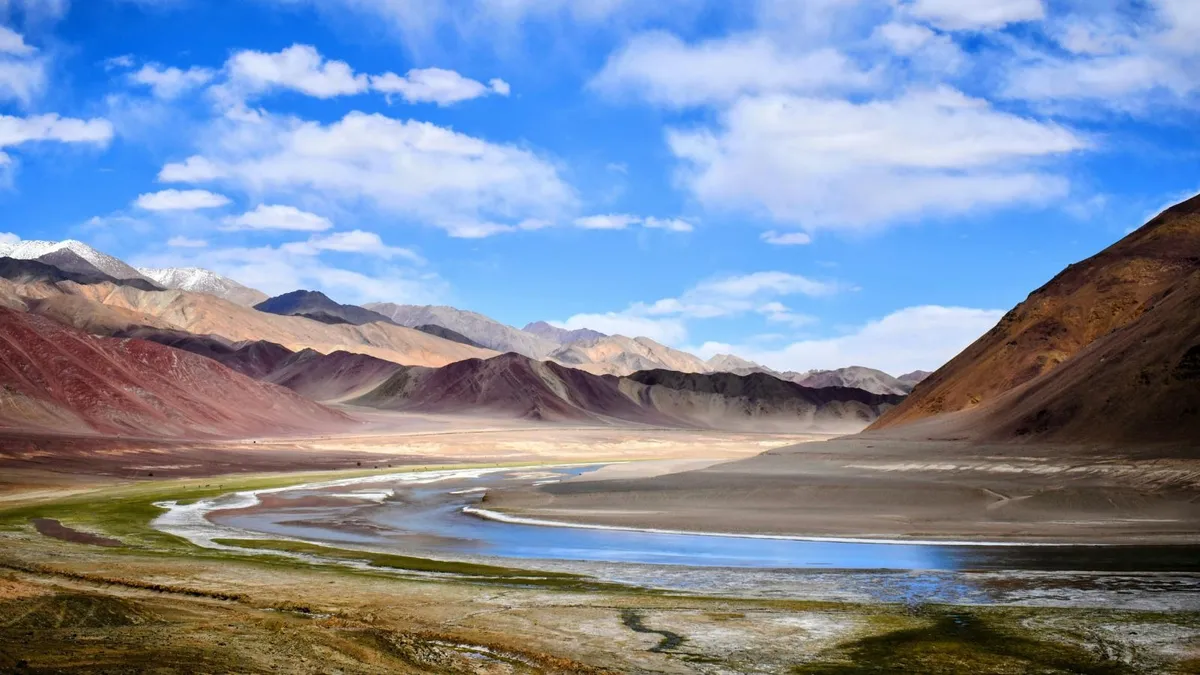
September is the golden hour for Ladakh. As the peak summer season ends, the skies turn a deep, ink-blue, providing a stark contrast to the barren, purple hued mountains. Whether it is the sand dunes of Hunder or the turquoise of Pangong Tso, the landscape is raw, silent, and cosmically beautiful.

10. October- Tawang (Arunachal Pradesh)
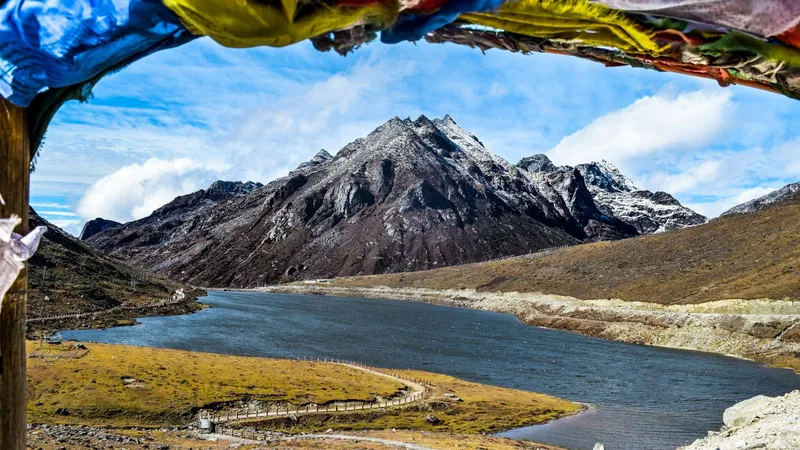
October brings crisp air and high altitude clarity to the far eastern corner of India. Beyond the famous monastery, the outer villages of Tawang offer a landscape of high mountain passes like Sela, glacial lakes, and terraced fields turning gold for the harvest. It is a land of prayer flags fluttering against a backdrop of the looming, snow-capped eastern Himalayas.
11. November- Coastal Odisha
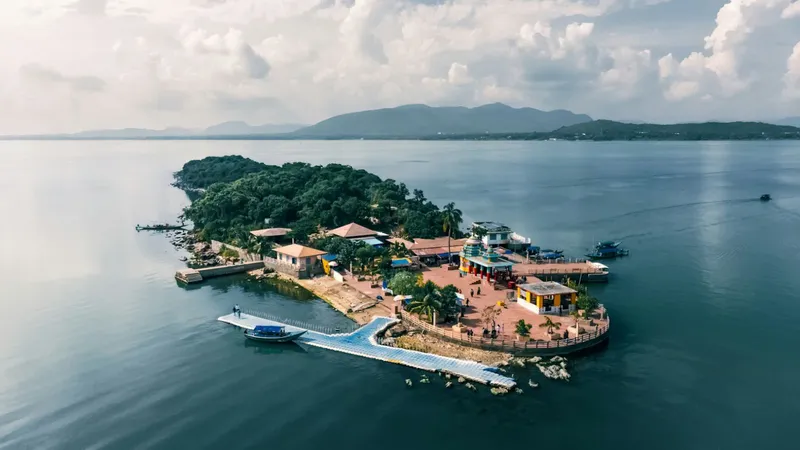
As the humidity drops, the Odisha coastline reveals its quiet majesty. From the golden sands of Puri to the labyrinthine mangroves of Bhitarkanika, the landscape here is a mix of saltwater estuaries and pristine beaches. Moreover, in November, the Chilika Lake becomes a floating landscape filled with thousands of migratory birds.
12. December- Shekhawati (Rajasthan)
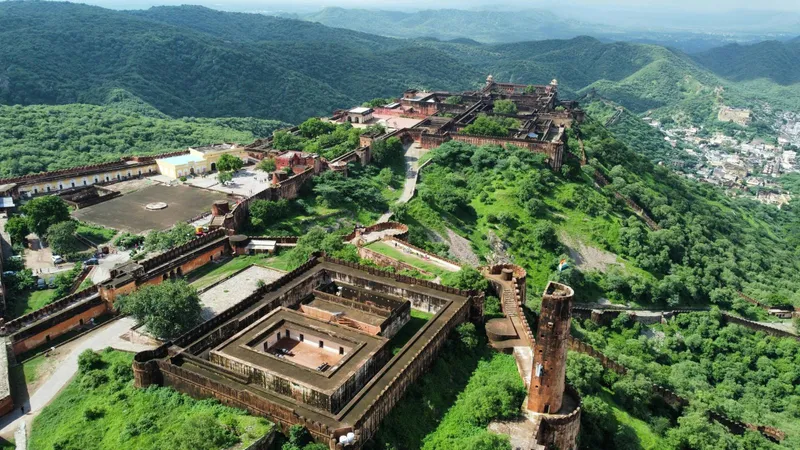
End the year in the Land of Rajas. While the dunes of Jaisalmer are famous, the Shekhawati region offers a more intimate desert landscape. Here, the arid and sandy terrain is punctuated by grand, frescoed havelis. The sight of a sunset hitting the painted walls of a centuries-old mansion in the middle of a semi-arid landscape is the perfect finale to your 2026 journey.