






 Copy Link
_1753102817203.jpg?w=1200&f=webp&t=009cf45b4cd2e199)
Snapshots
High atop the misty hills of Meghalaya, nestled within the world’s wettest place, a one-of-a-kind destination in the form of the Rain Museum, Mawsymram is all set to be created where nature and culture both converge in harmony. This extraordinary museum will not just be a tribute to the region’s rainfall, but also a living and breathing chronicle that celebrates the region’s unique relationship with the monsoon. This would be India’s first rain museum that captures the inspiring phenomenon of Mawsynram’s rains, which is more than anywhere else on earth, through immersive exhibits, indigenous storytelling, scientific displays and interactive installations that celebrate both the science and soul of the rains.
Far more than just a meteorological centre, the Meghalaya Rain Museum is believed to invite visitors to explore the profound impact of rain on the local life of the people in the region, through the aspects of architecture, agriculture, folklore and festivals. All set to offer a sensory journey through sound, visuals, and personal narratives, drawing attentio to the beauty and vulnerability of a region where rain is not merely weather, but a way of life, the construction process of this Mawsynram rain attraction is set to begin post the ongoing monsoon season.
In an era that is marked by climate change and environmental consciousness, this museum would stand as a testament to the enduring connection between humans and nature, urging visitors to see rain not just as a regular occurrence but as a story worth preserving.
Mawsynram Rain Museum as a unique boost to Meghalaya’s tourism landscape
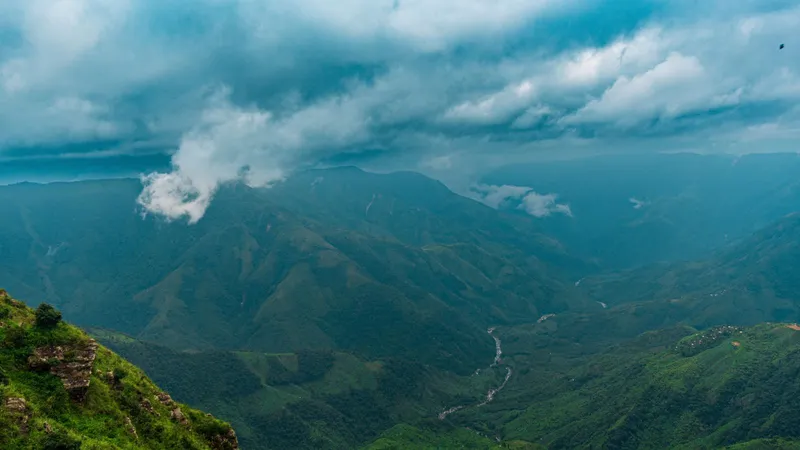
In the heart of the monsoon-soaked East Khasi Hills, where the clouds never seem to part, Mawsynram has long held the global spotlight as the wettest place on Earth. Now, this tiny village in Meghalaya is turning its most abundant natural resource into a powerful force for economic and cultural transformation through the construction of the Rain Museum, Mawsynram. More than just a scientific showcase, this innovative museum is emerging as a dynamic tourism booster, drawing visitors not only for its weather records but also for its ability to turn rainfall into an unforgettable experience.
As eco-tourism is fast gaining global momentum, the Mawsynram Rain Museum, as India’s first rain museum, offers a fresh and immersive attraction that appeals to nature lovers, cultural enthusiasts, climate researchers, as well as curious travellers alike. Designed with local aesthetics and ecological sensibility, this museum would invite guests to walk through the stories of rain, and narrate as to how a regular natural phenomenon shapes lives, inspires myths, drives biodiversity, and challenges sustainability in one of the world’s most rain-soaked habitats. With multimedia exhibits, local art, indigenous knowledge system and sensory installations, the Meghalaya Rain Museum is all set to elevate the tourism experience from sightseeing to something much more immersive in nature.
By placing Mawsynram on the map not just for rainfall records, but for its creativity, resilience and cultural richness, this Mawsynram rain attraction will help towards largely redefining Meghalaya’s tourism strategy, transforming it from a raw nature to a refined narrative.

Rain as a way of life
Mawsymram holds the title of the wettest place on Earth, receiving an astonishing average of 11,000 mm of rainfall annually. In this verdant and mist-draped region, rain has become a way of life for the people of the region. Over generations, the people of Mawsynram have developed unique and indigenous adaptations to survive, thrive and sustain their livelihoods amidst the unrelenting downpour.
- Agriculture- With agriculture remaining as the central livelihood of the people of Mawsynram, the farmers here practice terraced cultivation as a method to reduce soil erosion and help manage water runoff on the steep slopes. Relying upon traditional knowledge, the farmers time the sowing and harvesting around the rainfall patterns. Moreover, organic manure and rain-fed irrigation help to reduce dependency on modern inputs.
- Architecture- The architecture in Mawsynram is a direct reflection of its climatic conditions. Houses are typically built with sloping tin or thatched roofs to allow the rainwater to flow off quickly. Moreover, the construction of elevated wooden floors helps protect against dampness and flooding. A fascinating use of grass is done by the people here, through the formation of ‘knup,’ which is a large, turtle shell-shaped rain shield woven around bamboo and palm leaves that is worn like a backpack.
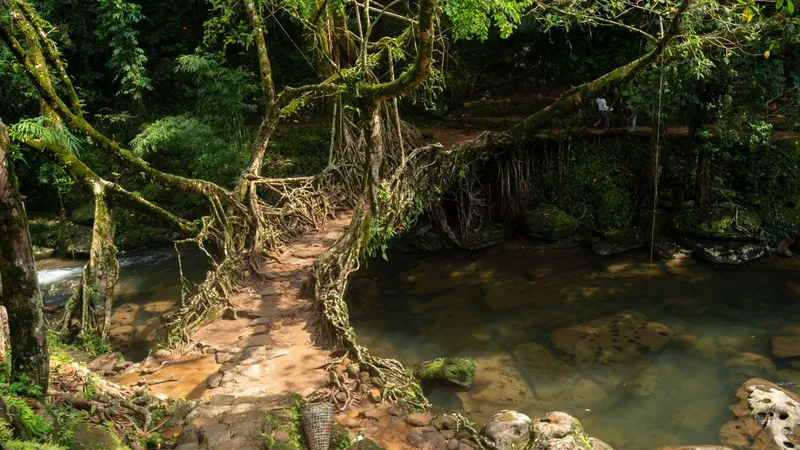
- Infrastructure- The living root bridges are the most iconic examples of adaptation done in Mawsynram and the surrounding regions. Crafted over decades across rivers and gorges by aerial roots of the rubber tree, these bridges are self-renewing, strong and resistant to rotting. Vital for connectivity and transportation, the living root bridges are also extremely sustainable and ecological.

Culture and identity through rain
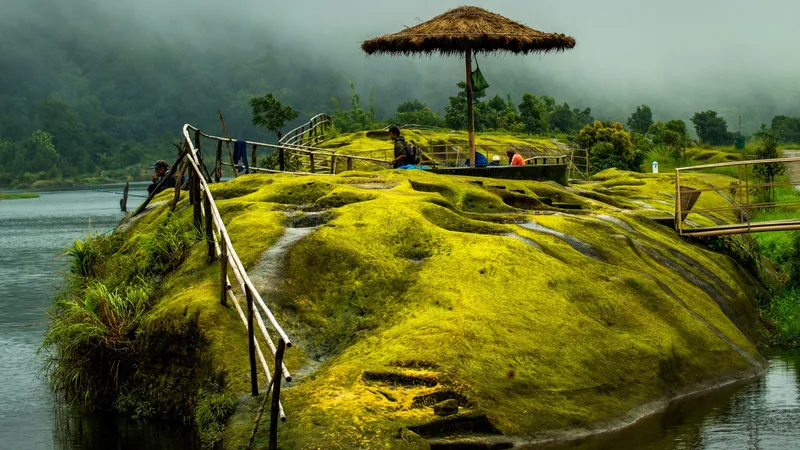
The native communities in Mawsynram and the surrounding areas have developed a deep resilience and harmony with nature over generations. Rain is deeply embedded as a part of the Khasi cultural identity. Oral traditions, songs and folklore often have reference to the monsoon. Often considered a sacred force and spiritual thread in the lives of the indigenous tribes, there are numerous legends, myths and prayers which consider the rains as central, that forms the very identity of Meghalaya’s people.
Places to visit in Mawsynram
_1752663449319.jpg?w=800&f=webp&t=46bd1bbb0a6887c6)
While you're here, don't miss out on exploring these places to visit in Mawsynram.
1. Mawlyngbna Village
Perched on a hilltop, Mawlyngbna is a hidden gem that offers adventurous sports, old fossils, boiling natural springs, and the tranquilly of Umkhakoi Lake. It's ideal for a thrilling yet dreamy getaway.
2. Mawjymbuin Cave
A naturally occurring Shiva linga and stunning, mysterious stalagmites may be seen in this limestone cave close to Mawsynram. The echoey, damp chambers will give you the impression that you have wandered into the hidden centre of the earth.
3. Nohkalikai Falls
With its turquoise pools and foggy cliffs, Nohkalikai, India's tallest plunge waterfall, is a wild and stunning sight. The scene is dramatic, eerie, and reminiscent of a myth that is just waiting for you to rewrite it.
4. Krem Liat Prah Cave
This is the longest natural cave in India and is a part of a large cave system in Meghalaya. It's an underground wonderland for the adventurous and inquisitive, with enormous tunnels and passageways that appear to go on forever.
5. Mawphlang Sacred Forest
The indigenous Khasi tribe is responsible for protecting this magical forest, which is teeming with ancient trees, healing herbs, and whispered stories. It is opulent, holy, and completely unearthly.