






 Copy Link
Snapshots
Andaman’s breaking waves aren’t just calling tourists—they’re calling UNESCO. India’s only active volcano, Barren Island, along with three jaw‑dropping natural marvels, has been proposed for inclusion on the Tentative List of UNESCO World Heritage Sites. In a bold attempt announced in late July 2025, the Geological Survey of India and the Andaman & Nicobar administration are marketing these geological treasures as geo-heritage tourism attractions. About time, we say! It seems a well-thought-out attempt to improve local communities, increase sustainable tourism, and draw attention to the archipelago's unadulterated, untamed beauty. Talk about bringing global attention to these stunning islands!
Andaman & Nicobar Islands
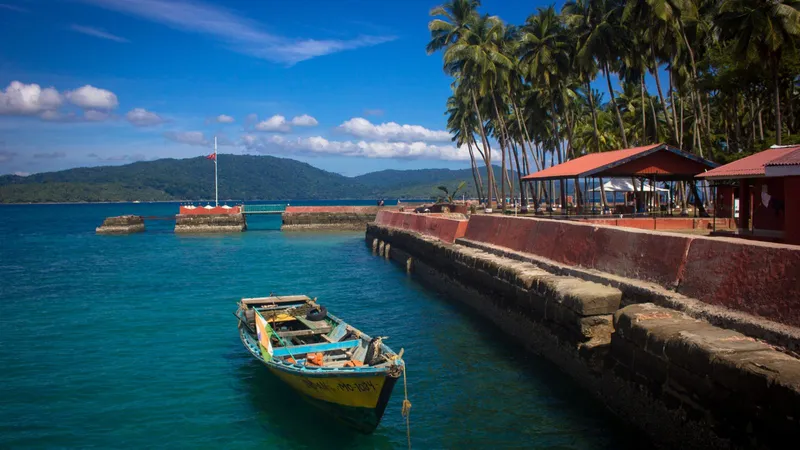
Picture this: shimmering aquamarine seas, gorgeous clean beaches, tropical forests thick with a biodiversity like no other, and geology that’s still sizzling, well, literally. Andaman & Nicobar Islands, in case you haven't been there yet, are a traveller's delight. There's tectonic drama, rare wildlife, cratered karsts, and organic architecture sculpted by wind and water. From manta‑ray‑friendly reefs to India's only volcano that bubbles once in a while, the Andaman pulses with both serene and spectacular energy. It’s a place where you can literally feel Earth breathing beneath your feet. The island group is a beautiful reminder of the power of being in perfect harmony with pristine nature. If that doesn’t spell breathtaking, we don’t know what will!
_1673232016797_thumb_300.png?w=800&f=webp&t=f9779d2ebb40bcfd)
1. Barren Island Volcano
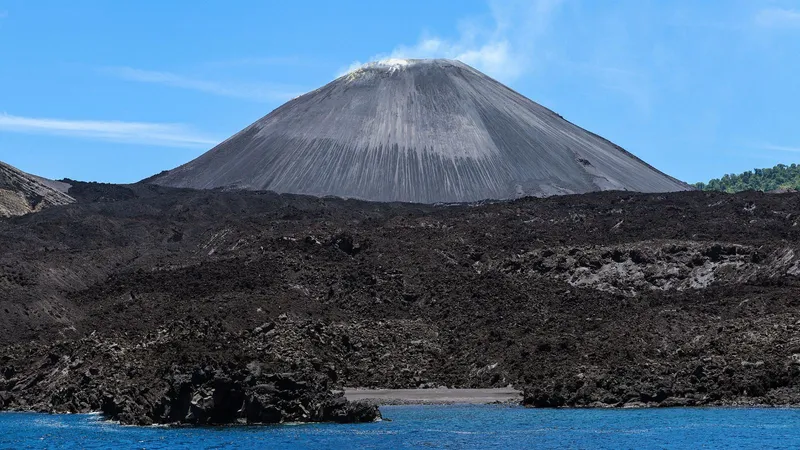
The sole active volcano in the Indian subcontinent and the only fiery performer in South Asia is Barren Island. The unreal beauty that it is, this volcano last erupted in 2022. It rises roughly 350 meters above sea level and is surrounded by rough slopes and basalt flows. Barren Island is a geology enthusiast's paradise, uninhabited and only reachable with permits. Visitors can see coral gardens growing in volcanic runoff, underwater lava structures, and more. Its UNESCO bid aims to turn raw tectonic stress into tourism brilliance by fusing ecological uniqueness with volcanic drama.
2. Narcondam Island
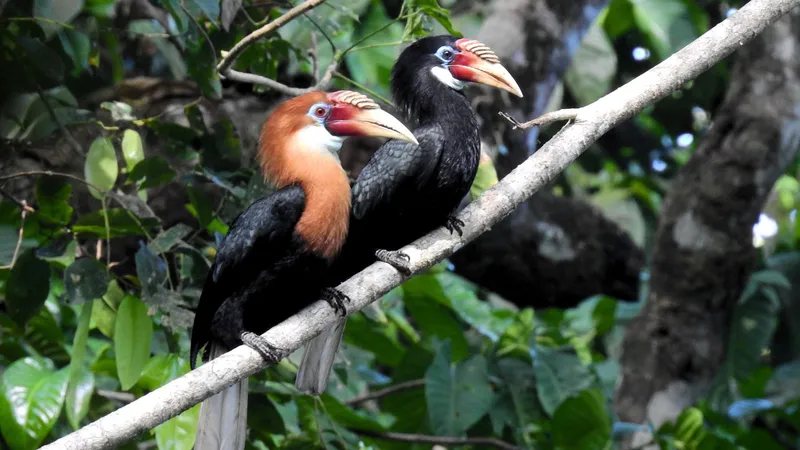
Narcondam Island is the impatient introvert of volcanoes—dormant, solitary, remote, and fiercely unique. At just 6.8 km², it’s home only to the critically endangered Narcondam hornbill, found nowhere else on Earth. This tiny sanctuary is a biodiversity treasure trove, home to unique birds, owls, bats, and dwarf geckos on the volcanic slopes. The island is already on UNESCO's tentative cultural-natural list, but its ecological fragility and evolutionary isolation make full recognition obvious. Think conservation meets soul-stirring wilderness in a rare setting surrounded by azure oceans. Despite its small size, it is formidable and we hope to see it make its way to the UNESCO list soon.
3. Baratang Mud Volcanoes & Karst Caves
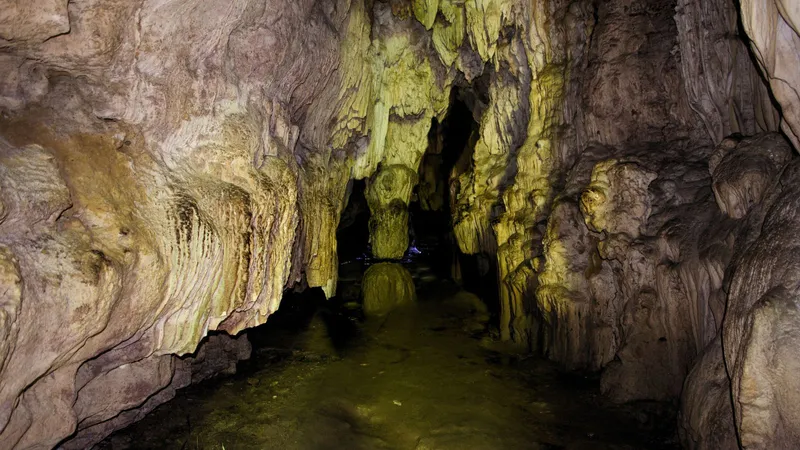
Baratang Island has dreamlike features including underground limestone cave systems and mud volcanoes. Ages of geological activity have formed these living, bubbling rock formations, which are not your typical rock formations. The mud volcano, which the locals refer to as "jalki," occasionally erupts as though it were teasing the Earth's core. The karst caves are dotted with underground streams, carved caverns, stalactites, and stalagmites. This combination of geological significance and wellness-tourism potential makes it reminiscent of Jeju Island in South Korea. Baratang is poised to be the crown jewel we didn't realise we needed, especially with GSI's support.
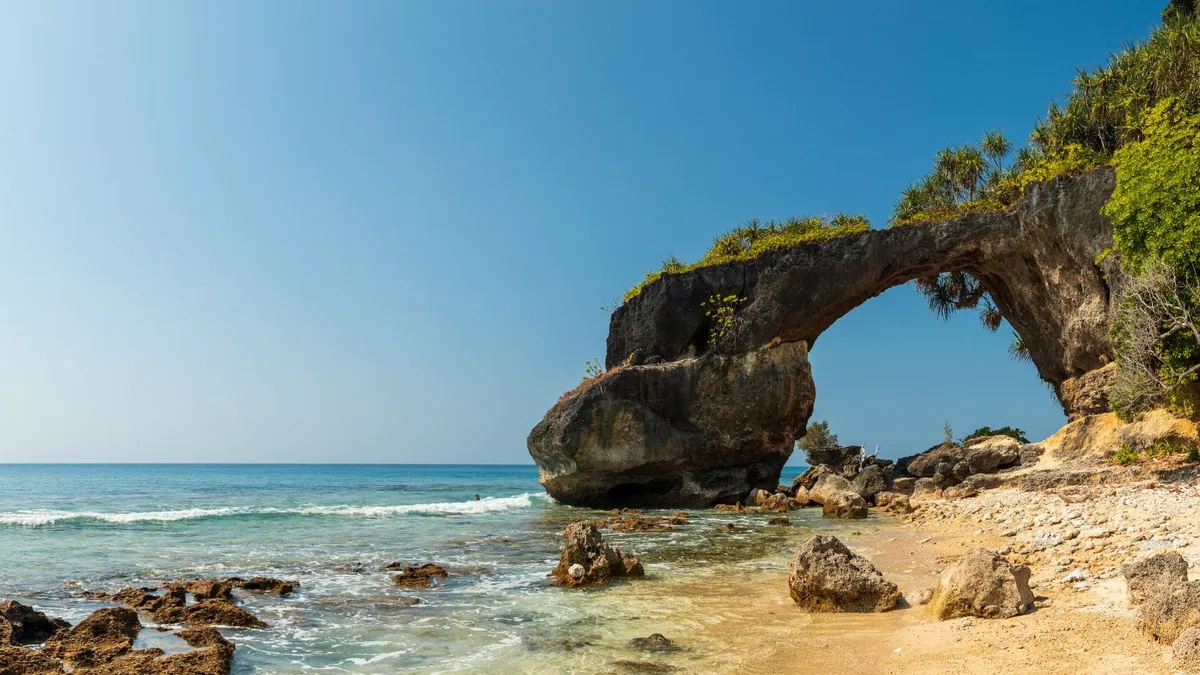
4. Natural Bridge at Shaheed Dweep
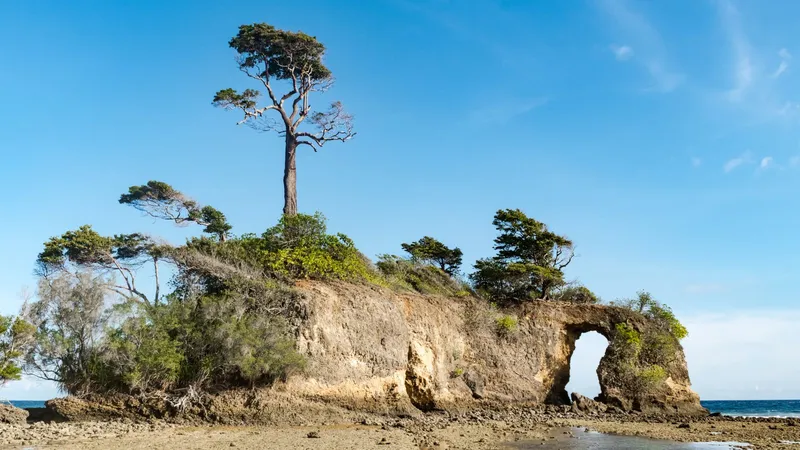
The Natural Bridge in Shaheed Dweep, a remarkable rock creation sculpted by time, coral, and tidal action, is the fourth charmer. At low tide, this naturally occurring coral-stone bridge, which resembles nature's own catwalk, attracts large crowds. In order to experience the visual poetry of coral reefs exposed in rock, thousands of people come here to stroll across its bridge. The Natural Bridge, with its unadulterated beauty and potential for ecotourism, is more than just a lovely face; it is evidence of the Andaman Islands' exquisite geological features.
Visiting Andaman & Nicobar Islands
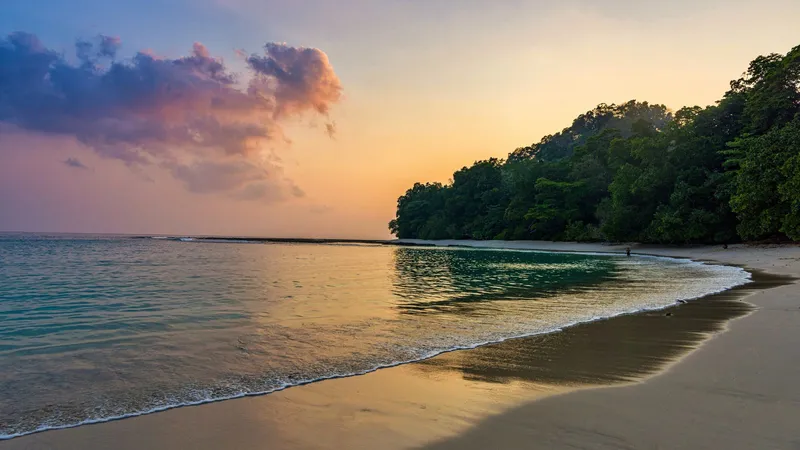
Whether they make it to the UNESCO list or not (we really hope they do), the Andaman & Nicobar Islands are a traveller's delight. With over 300 islands scattered across the Bay of Bengal, the region boasts some of the most pristine beaches in Asia, such as the renowned Radhanagar Beach on Havelock Island, celebrated for its powdery white sands and crystal-clear turquoise waters.
These beaches provide the ideal setting for travellers to unwind beneath palm-fringed skies, soak up the tropical sun, and swim in warm, inviting waters. Best part? Many of these are still mostly unexplored by mass tourism. The islands are perfect for families, couples, and lone travellers alike because they offer a peaceful haven from busy city life. Plus, there are so many breezy resorts in Andaman that you'll absolutely love.
_1682965403495_thumb_300.png?w=800&f=webp&t=37363acf9c2a6a39)
Andaman & Nicobar Islands for adventure lovers
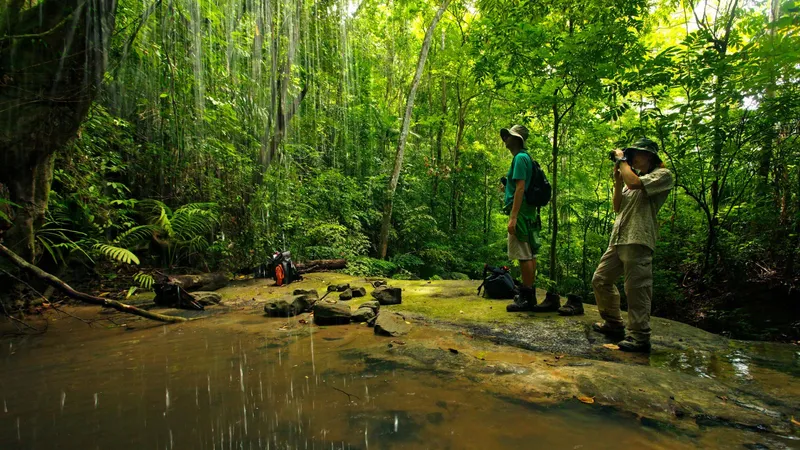
The Andaman & Nicobar archipelago is also a haven for adventurers and nature lovers beyond its picturesque shoreline. You can find one of the richest coral reef ecosystems in the world in the nearby waters. This means adventures like glass-bottom boat excursions, scuba diving, and snorkelling are quite remarkable here. Lush rainforests and mangroves in Andaman & Nicobar contribute to the region's biodiversity, while the islands' national parks and wildlife sanctuaries are home to rare plants and animals, including species that aren't found anywhere else. In order to make every visit full of exploration and adventure, visitors can also hike via nature paths, see birds in eco-parks, explore limestone caverns, and take in the rich cultural legacy of the islands.
Best time to visit Andaman & Nicobar Islands
October through April are the ideal months to visit the Andaman & Nicobar Islands because of the nice weather, which includes moderate humidity and temperatures between 20°C and 30°C. These months are perfect for diving, water sports, touring, and taking in the stunning beaches because of the clear skies and quiet seas. The monsoon season, which runs from June to September, is generally less advised for regular travel because of the intense rains and choppy seas that might interfere with outdoor plans and restrict activities. Expect higher rates and more people during the peak season, which runs from October to March, even though the view is breathtaking.