






 Copy Link
Snapshots
As the temperature drops, nothing feels more comforting than a long, steaming hot shower. However, this cosy ritual is a silent saboteur of your winter skincare efforts. The intense heat and prolonged exposure to hot showers in winter strip your skin of its natural, protective oils, leading to dryness, irritation, and the dreaded winter itch! Dive deeper into the paradox that exists between hot showers and hydration during winters. Discover strategies to balance warmth and wellbeing.
Why do hot showers feel good but hurt your skin?
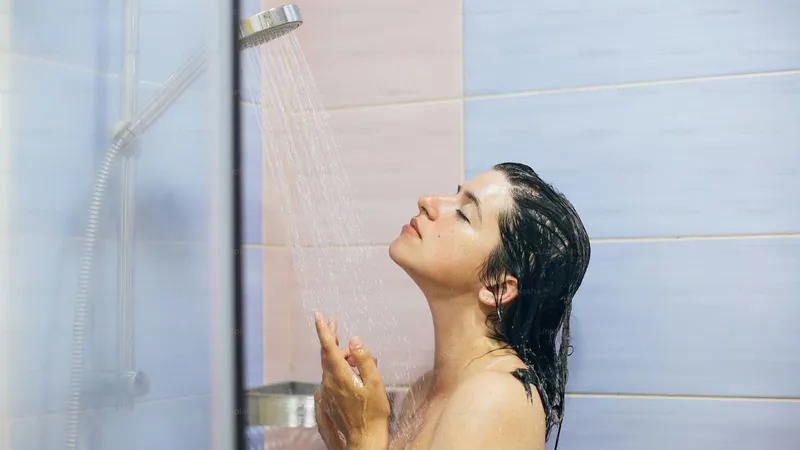
A steaming hot shower in winter feels instantly gratifying because the high temperature engages the thermoreceptors in your skin, sending a powerful signal of warmth and comfort. However, the ritual of using hot water for showers during winter often acts as a solvent on the skin’s outermost protective layer, which is a delicate matrix of cells and natural lipids. By dissolving and stripping away these essential oils, the natural moisture barrier quickly loses hydration. As a result, hot showers might leave you with a compromised skin texture, causing dryness, itchiness, and making it vulnerable to environmental irritants. This creates extreme dehydration and sensitivity, especially in the harsh winter air.
How hot water damages your winter skin

The damaging effect of hot showers in winter can be understood by looking at two key mechanisms: one is lipid removal, and the other is protein denaturation. Here’s how-
1. Dissolving the skin’s lipid barrier
Your skin’s outer layer is often compared to a brick-and-mortar structure. The bricks are skin cells, whereas the mortar is a rich mixture of natural lipids like ceramides, cholesterol, and fatty acids. Using hot water for showers during winters acts as a powerful solvent, the heat of which dissolves the protective, oil-based ‘mortar’ of your skin. This strips you of the natural moisturising factor of your skin and the vital lipids that create this moisture barrier.
2. Denaturing keratin proteins
The second major source of damage that using hot water for showers in winters comes from the effect of heat on the keratin proteins that make up your skin cells. Like an egg white firming up when heated, excessive heat causes these proteins to denature or change their structure. This denaturation disrupts the tight, overly arrangement of skin cells in the stratum corneum, creating tiny gaps and cracks in the skin’s surface. These openings then not only accelerate water loss but also make the skin’s deeper layers vulnerable.
How hot showers perpetuate winter skin distress

The temporary comfort of hot showers in winter initiates a detrimental, self-perpetuating cycle that guarantees dry, and itchy skin throughout the winter months. Here are some common skin concerns that you might face as a result of using hot water for shower during the winter season-
1. The initial strip down
The vicious cycle of skin problems during winters begins with the hot water acting as a solvent that aggressively strips the skin of its protective sebum and lipid barrier. As a result, you are left with a skin that is defenceless and exposed.
2. Rapid water loss
With the natural seal of the skin being removed, the skin’s moisture barrier is compromised. The water that sits deep within the skin rapidly evaporates into the dry, low-humidity air through a process that is known as Transepidermal Water Loss (TEWL). This leads to instant dehydration of the skin.
3. The onset of itch and inflammation
The severe dehydration and barrier compromise of the skin trigger the classic winter symptoms characterised by tightness, flakiness, and severe itchiness. The microscopic cracks in the skin further allow the various environmental irritants to penetrate the sensitive layers, causing inflammation and redness.
_1735226831357_thumb_300.jpeg?w=800&f=webp&t=63ebea595bfbf472)
Finding your ‘Goldilocks shower temperature
Breaking the vicious cycle of winter skin distress begins with a simple adjustment, which is to turn down the dial. Dermatologists universally agree that the ideal temperature is not hot, but lukewarm or tepid. This ‘Goldilocks’ zone provides the warmth needed for comfort and effective cleansing without compromising the skin’s essential protective barrier.
Mastering the post-shower skincare in winter
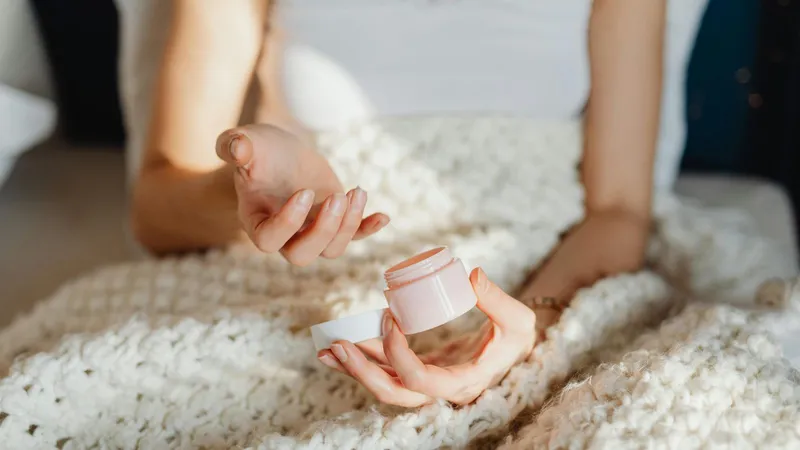
The moment you step out of the lukewarm shower is arguably the most crucial window for your winter skincare success. This is often referred to as the ‘Golden Minute’, mastering which is essential for locking in hydration before it evaporates.
1. The towel technique
Instead of aggressively rubbing your skin dry, which can cause microabrasions and further strip away moisture, use a soft towel to gently pat your skin. The aim is to remove excess droplets of water while leaving the skin damp. This residual water is an essential winter skincare tip for the next step.
2. The golden minute rule
The Golden Minute refers to the short window, ideally within 60 seconds after stepping out and patting dry, before the water on your skin completely evaporates. As an essential winter skincare tip, immediately apply your chosen moisturiser to the still-damp skin. The moisturiser acts like a sealant, trapping the residual surface water against your skin and pulling it to your skin’s outer layer.
It is best advised to opt for occlusive formulas that contain ingredients like ceramides, hyaluronic acid, and shea butter or petroleum.
3. Targeted skincare for extreme dryness
For those looking for dry skin care for winter, consider the double-layer approach. The key is to apply a lightweight, watery serum first to draw the moisture in, and thereafter top it with a thick balm or ointment to create a powerful moisture lock that lasts all day as a part of your dry skin care for winter routine.