






 Copy Link
Snapshots
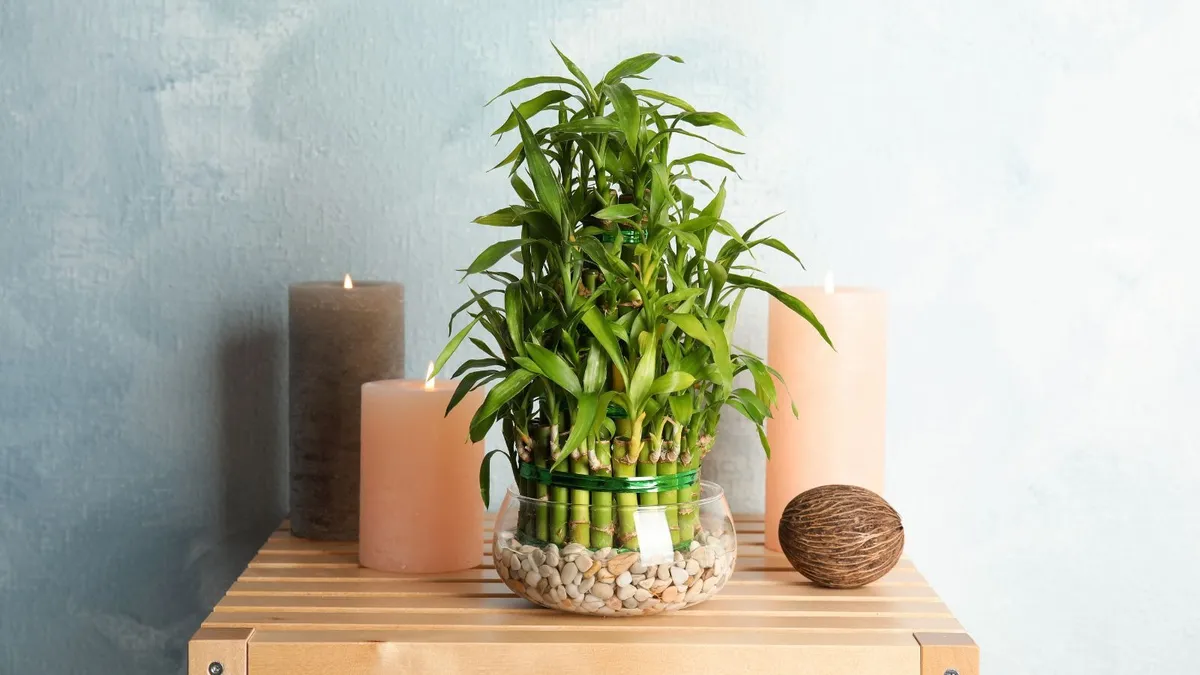
Often associated with luck, prosperity, and positive energy, lucky bamboo is more than just a beautiful addition to your home or office. A symbol of harmony and resilience, the lucky bamboo with its elegant stalks and lush green leaves might be low maintenance, yet it requires some amount of thoughtful care to thrive. A hardy member of the Dracaena family, the lucky bamboo isn't really bamboo at all! So, here’s for you to explore some effective ways for lucky bamboo plant care that will ensure you have a healthy, happy and truly thriving plant at home!
What is lucky bamboo?
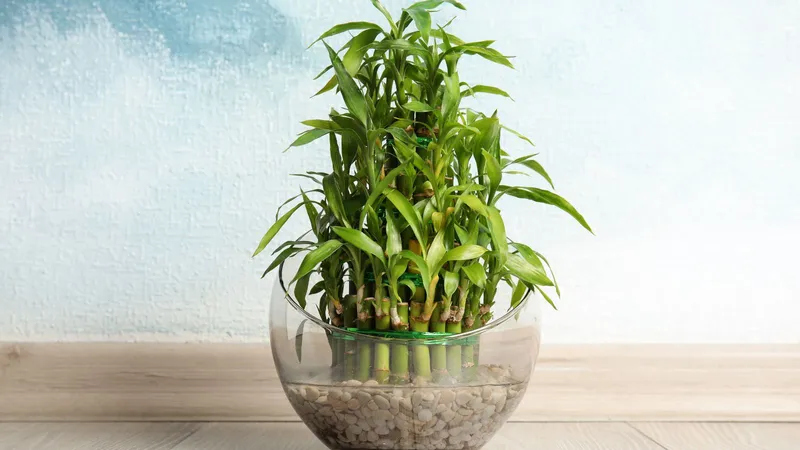
Despite what the name of the plant suggests, the lucky bamboo is not a true bamboo, but a resilient topical water plant that is native to Central Africa. Popular in Feng Shui for attracting good fortune and positive energy, this bamboo plant for indoors is ideally kept in water filled containers with pebbles for support, or in a well draining soil. The lucky bamboo plant care is that it thrives in indirect sunlight and prefers clean and filtered water that needs to be changed every one to two weeks. A low maintenance bamboo plant for indoors that requires only occasional fertilization and trimming, the lucky bamboo is known for its symbolism and adaptability.

Lucky bamboo plant care guide
A popular indoor plant that is tall, graceful, green and embodies endless symbolism, the lucky bamboo offers a lot more than just aesthetics. A symbol of good fortune, prosperity, and harmony, especially in the Feng Shui traditions, here’s everything you need to know to keep your lucky bamboo thriving-
1. Light
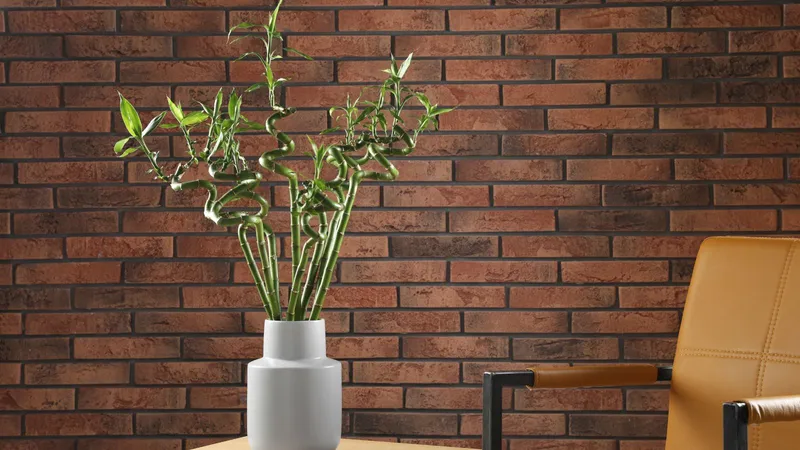
The lucky bamboo plant care in terms of light prefers the kind that is soft and indirect. Too much direct sun can scorch the leaves of the plant, turning them pale or yellow, while too little light with regards to the bamboo plant care can stunt its growth and lead to weak and leggy stalks.
If you are wondering how to care for lucky bamboo in terms of ideal placement and light, it is advised to place it near an east facing window where the morning light gets filtered.
2. Water
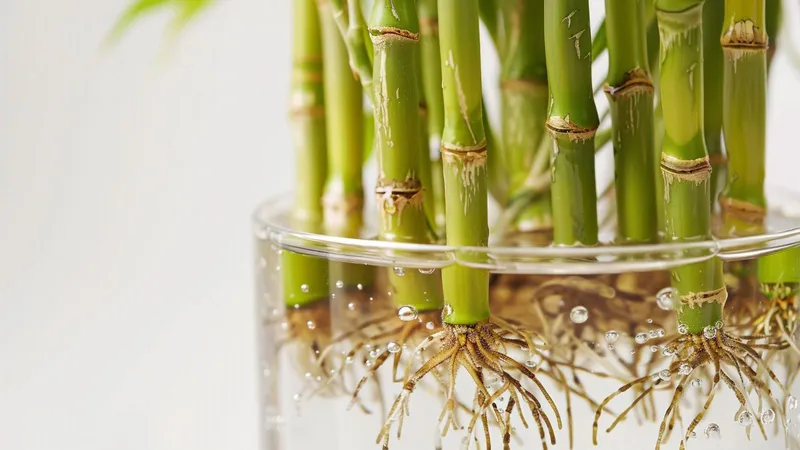
One of the most crucial and often misunderstood care tips for bamboo plant for indoors is in terms of the water quality. Sensitive to chemicals like chlorine and fluoride found in tap water, the lucky bamboo thrives in filtered and distilled water, or rainwater.
You are required to change the water of the plant every 7-10 days, and ensure that the roots of the plant are fully submerged. However, it is also necessary to keep in mind that the stalks should not sit too deep as it can lead to rotting. Clean the container regularly to prevent algae buildup.
3. Watering the soil
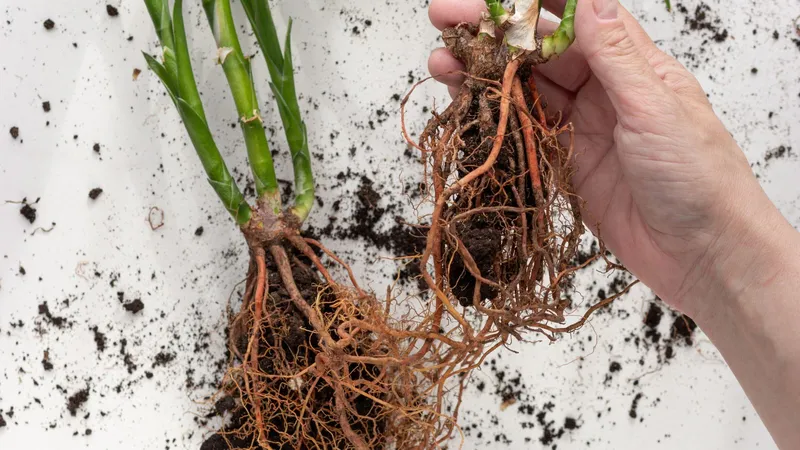
One of the primary factors while wondering how to care for lucky bamboo is with regards to the soil. Keep the soil evenly moist, but never soggy. Water thoroughly every time that the top inch of the soil feels dry, and ensure that the pot where you have placed the plant has good drainage as it will prevent the roots from rotting.

4. Temperature and humidity

The lucky bamboo plant care is most effective when done in a warm and humid environment. Such external factors echo tropical origins, and it is effective for a thriving plant. The lucky bamboo is surprisingly tolerant, however, like most houseplants, it has certain preferences. The ideal temperature range for the lucky bamboo is between 18 degree celsius to 32 degree celsius. Avoid cold drafts or placing the plant near air conditioners or heaters. If your home is dry, it is advisable to increase the humidity by misting occasionally or placing the plant on a pebble tray with water.
5. Fertilizing
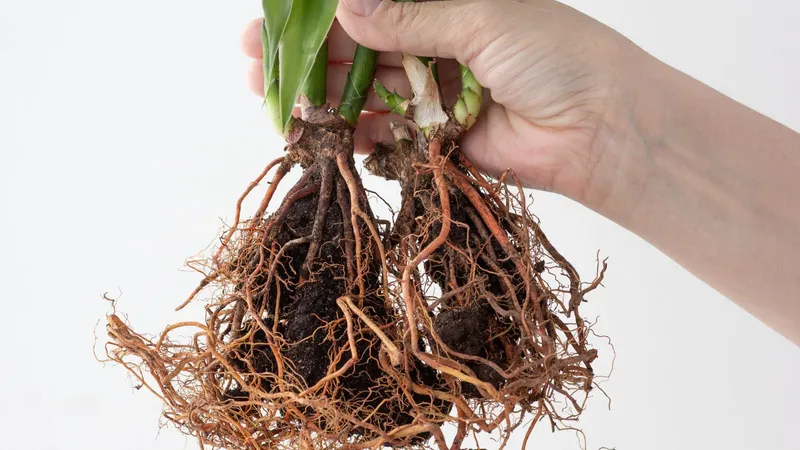
Too much fertilizer use in the bamboo plant care regime can do more harm than good. Lucky bamboo is a light feeder and can flourish for months without any added nutrients. It is advisable to use a diluted liquid houseplant fertilizer when caring for bamboo plant for indoors once a month during the growing season, ideally during spring or summer. If the plant is growing water, use a fertilizer that is specifically formulated for hydroponic plants to avoid algae blooms or salt buildup.
6. Pruning and shaping
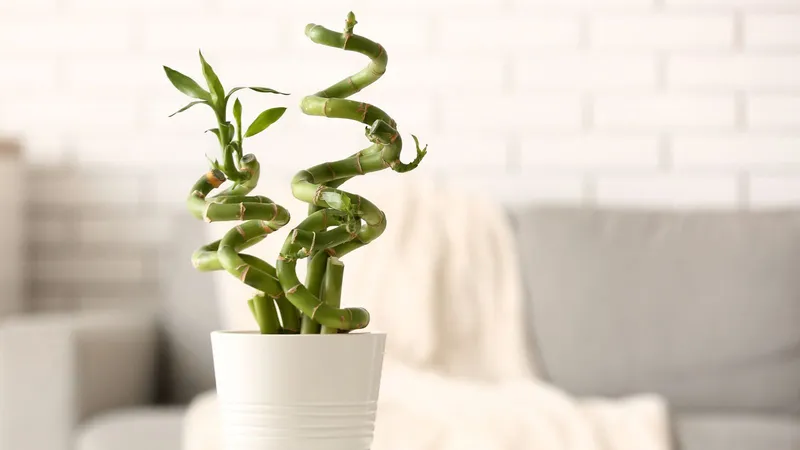
One of the most charming aspects of the lucky bamboo is its malleability. Gardeners and enthusiasts alike especially tend to love shaping the plant into spirals, braids, or heart shapes. It is important to use clean and sharp scissors to trim the yellowing leaves or overgrown stalks. Ensure that you cut above the node to encourage new growth. Further, for shaping purposes, rotate the plant gradually towards the light, and it will naturally bend in that direction over time.