






 Copy Link
Snapshots
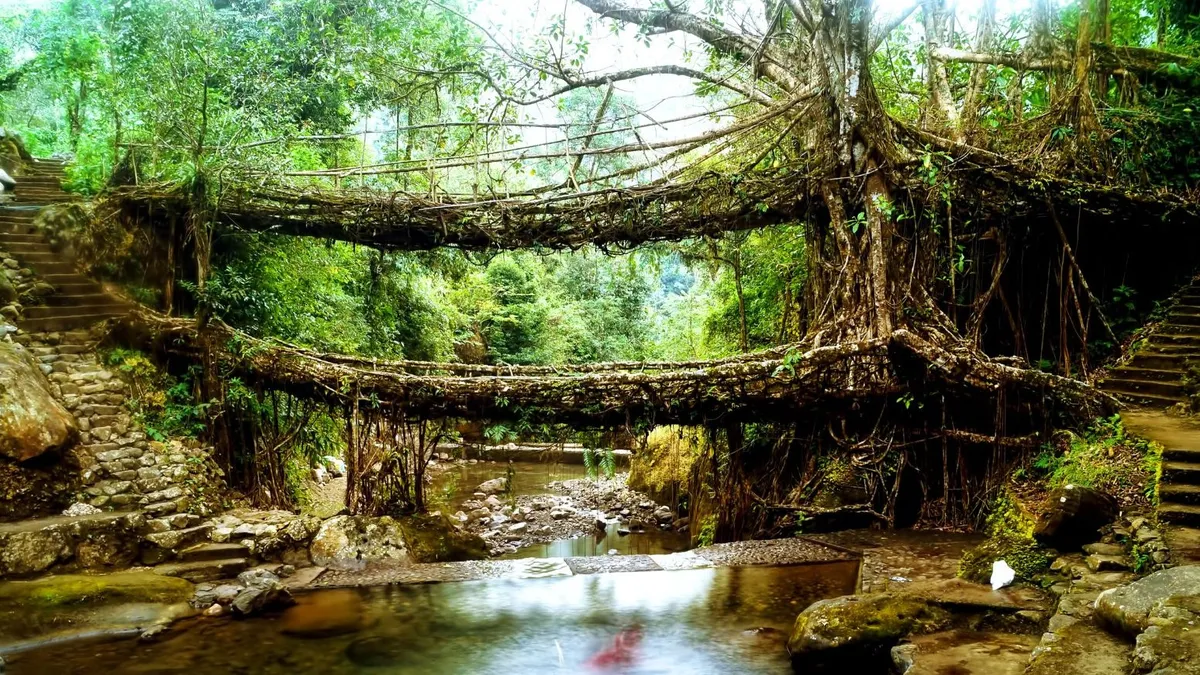
Meghalaya’s natural wonders have always been a picture-perfect painting, with its cotton clouds and gentle verdant peaks; time stands still in the abode of clouds. This is why it is no surprise that Meghalaya’s living root bridges are finally getting the worldwide recognition it deserves! India submitted the nomination dossier for the 2026–27 evaluation cycle, which includes Meghalaya's famous living root bridges, or Jingkieng Jri as they are known locally. UNESCO has formally accepted the nomination. "Jingkieng Jri/Lyu Chrai Cultural Landscape, Meghalaya" was formally presented in Paris by India’s Ambassador and Permanent Representative to UNESCO, Vishal V. Sharma, to Lazare Assomo Eloundou, Director of UNESCO’s World Heritage Centre, according to the Permanent Delegation of India to UNESCO.
This nomination comes after veteran practitioner Bah Halley War was recently awarded the Padma Award for his unwavering commitment to the living root bridge tradition, which is widely recognised as an exceptional and enduring model of sustainable cultural and environmental legacy. War has spent his whole life practising, promoting, and protecting this practice.
What are the Meghalaya root bridges?
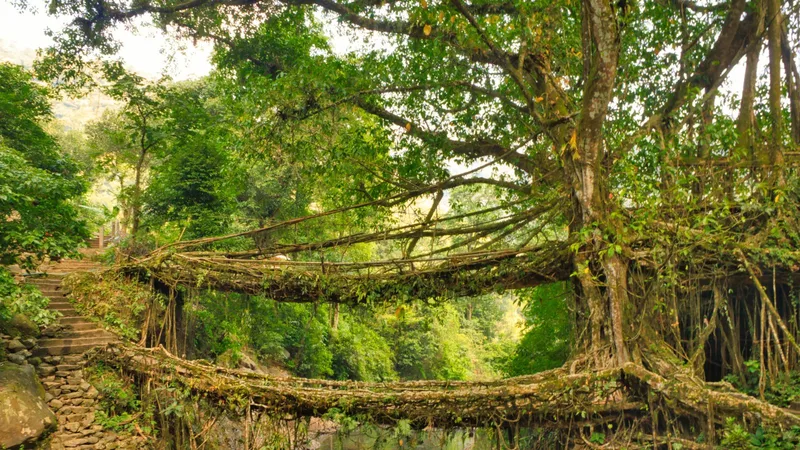
The thick forests of Meghalaya are home to the unusual and remarkable man-made and natural phenomenon known as the Living Root Bridges. Distributed across the districts of East Khasi Hills and West Jaintia Hills, these root-wrapped pedestrian bridges span deep valleys and streams. The root bridges of Meghalaya, which are locally called Jing Kieng Jri, are a prime example of sustainability and self-sufficiency. Instead of using bridges made of wood or metal, which could deteriorate and corrode, the inhabitants of this area relied on engineering and designs inspired by nature because it rains heavily for nearly half the year. The lack of a recorded script until the nineteenth century CE makes it difficult to determine how long these structures have existed. However, the resilience and design of these bridges have finally reached the nomination list of the UNESCO World Heritage List!
_1682479787005_thumb_300.png?w=800&f=webp&t=c1baf0747adbb0d9)
What makes Meghalaya's root bridges a living cultural artefact
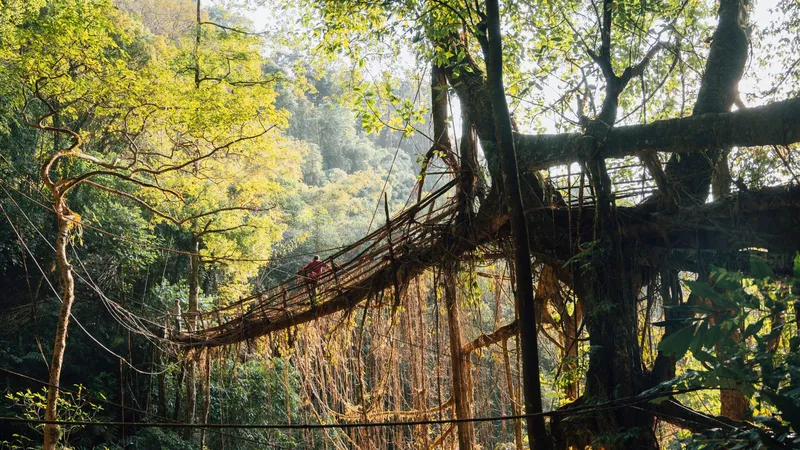
Situated on the southern slopes of the Khasi and Jaintia Hills, the cultural landscape that has been nominated reflects a distinct history that is characterized by the harmonious coexistence of environment, communal traditions, and spiritual beliefs. The live root bridges in Meghalaya are unique among man-made constructions since they are fostered instead of built. These natural bridges, which are formed by directing the aerial roots of rubber fig trees across valleys and streams, take decades to build and, with the right maintenance, can last for generations.

Traditional indigenous beliefs centre on a reverence for the natural environment and a strong bond with Mei Ramew, also known as Mother Earth. Sustainable living, communal effort, and environmental stewardship are embodied by these bridges. The cultural environment in question has the potential to bring in a lot of tourists, and the nomination claims that it exemplifies the inseparable link between people, the land, and their spiritual beliefs through the medium of long-established social norms and ecological responsibility.
_1770197159864.jpg?w=800&f=webp&t=0e09192e2d0689cd)
The contribution goes beyond just preserving physical sites or archaeological artefacts; it also showcases India's broader commitment to protecting indigenous wisdom and existing cultural practices. The living root bridges would put Meghalaya at the forefront of cultural heritage and sustainable tourism efforts worldwide and add to India's growing list of World Heritage sites if they were recognised by UNESCO’s list of heritage sites.
A living cultural testament of India's unique natural wonders
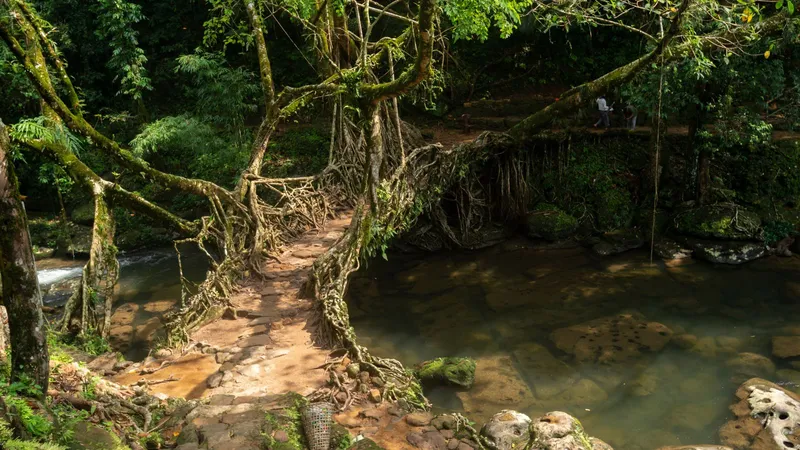
These bridges have been skillfully designed and erected over time, utilising locally available natural resources, such as tree branches, trunks, and roots. The Khasi tribe of Meghalaya is believed to have crafted these bridges. Size, shape, and building method are only a few ways in which the bridges differ from one another. The first step in building the bridge is to plant ficus elastica trees along the riverbanks. After that, a bridge is made by manually pulling and twisting the roots of the tree. Scaffolds made of bamboo, stones, or trunks of areca palms support the roots as they become strong enough to support humans. Assuming the trees are in good health and getting enough water and nutrients, a root bridge can only get stronger with time. Typically, this whole procedure takes about ten to fifteen years. The ever-increasing root system of these bridges makes them exceptionally low-maintenance once they're up and running. Many storms and floods have passed over these bridges, so the belief goes.
_1680624170958_thumb_300.png?w=800&f=webp&t=08d45d69f43f25f6)
An enduring symbol of the synergy between mankind and nature
_1770197283963.jpg?w=800&f=webp&t=b4adbb864bce1068)
Meghalaya's Living Root Bridges beautifully display the Khasi people and their natural surroundings. In addition to revealing a crucial survival tactic, they serve as evidence of the tribe's expert craftsmanship. The fact that these bridges still exist is proof of their shared past and present. In order to restore and preserve nature, it is crucial to implement such sustainable solutions. People prefer easier and faster ways of construction, hence this habit of 'growing' bridges is vanishing. The government and several residents, however, are working to keep this practice alive for the sake of the environment and the tribe's history. A preliminary list of potential UNESCO World Heritage Sites was expanded to include the Living Root Bridge Cultural Landscapes of Meghalaya in March 2022. The original intentions for building these bridges were to facilitate transportation and communication, but now they stand as a testament to history, pride in one's heritage, and optimism for a better, more environmentally friendly tomorrow.