






 Copy Link
Snapshots
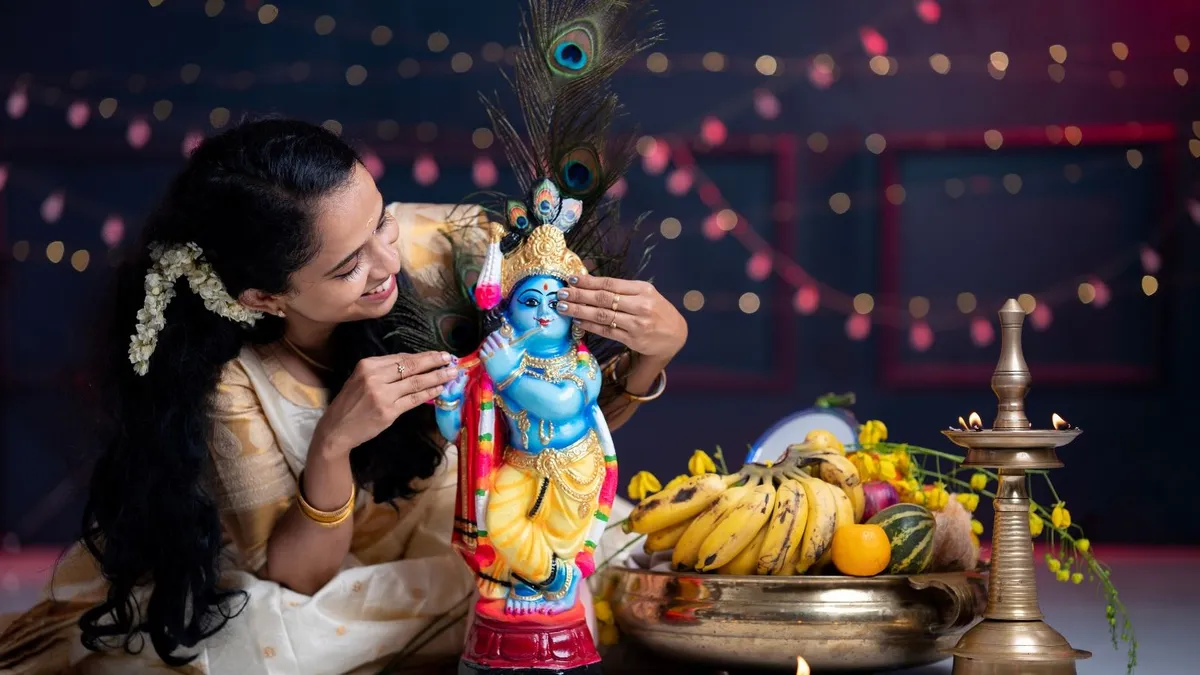
Krishna Janmashtami 2025 is the joyous occasion of Lord Krishna’s birth. Bringing with it waves of devotion, music, dance, and festivity across India and beyond, this is a sacred occasion that reminds us of the divine play (leela) of the eight avatars of Vishnu. As the temples begin to glow with lights and hearts filled with the chants of ‘Hare Krishna’, Krishna Janmashtami puja portrays a vibrant blend of faith and culture that draws people together in the celebration of love, wisdom and righteousness.
Krishna Janmashtami 2025: Dates and Vidhi
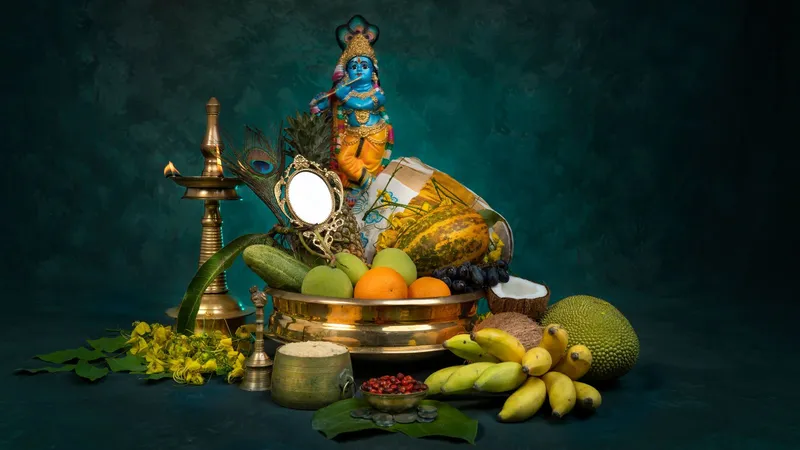
With the auspicious occasion of Janmashtami fast approaching, knowing the exact Krishna Janmashtami dates and time is extremely essential for carrying out and observing the procedures of the puja in the correct manner.
- The Ashtami Tithi as a part of the date of Janmashtami begins on August 15, 2025, at 11:49 pm and ends on August 16, 2025, at 9:34 pm.
- The festival of Krishna Janmashtami is officially celebrated on August 16, 202,5, with regard to the alignment of the sunrise based convention, or the Udaya Tithi.
- The Nishita Puja or the midnight puja of the Krishna Janmnashtami date falls around 12:25 am and 12:26 am on August 16. The date of Janmashtami marks the divine birth of Lord Krishna.
Significance of Krishna Janmashtami
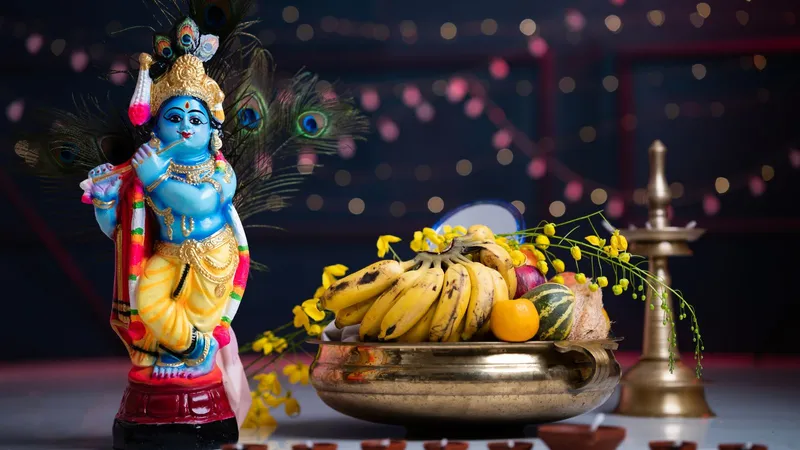
Marking the occasion of the divine birth of Lord Krishna, who is the harbinger of dharma and the destroyer of evil, Krishna Janmashtami 2025 symbolises the victory of light over darkness. Celebrated with midnight prayers, bhajans, and vibrant rituals, devotees observe fasts and reenact Lord Krishna’s playful childhood on this auspicious day. A significant occasion, Janmashtami reminds us of Krishna’s wisdom, love, and cosmic purpose. This day inspires self-reflection, devotion, and the timeless message of the Bhagavad Gita, that is to live righteously with courage, compassion, and truth.

Rituals and traditions of Krishna Janmashtami
A festival that isn't just a religious occasion, Janmashtami is a kaleidoscope of traditions, fasting, feasting, and spiritual fervour. A day marked by the divine celebration of love, devotion and festivity, here are some of the significant traditions and rituals observed during Janmashtami
1. Fasting
The date of Janmashtami is marked by day-long fasts observed by devotees in honour of Lord Krishna’s birth. The Krishna Janmashtami puja fast is often observed without water, and with fruits and milk only, depending upon the personal and religious preferences of the devotees. The ritual of fasting isn't just an act of sacrifice, but a spiritual cleanse and a way to focus the mind and heart on Krishna.
In many other places, apart from fasting, households also indulge in making these Janamashtami special recipes.
2. Midnight celebrations
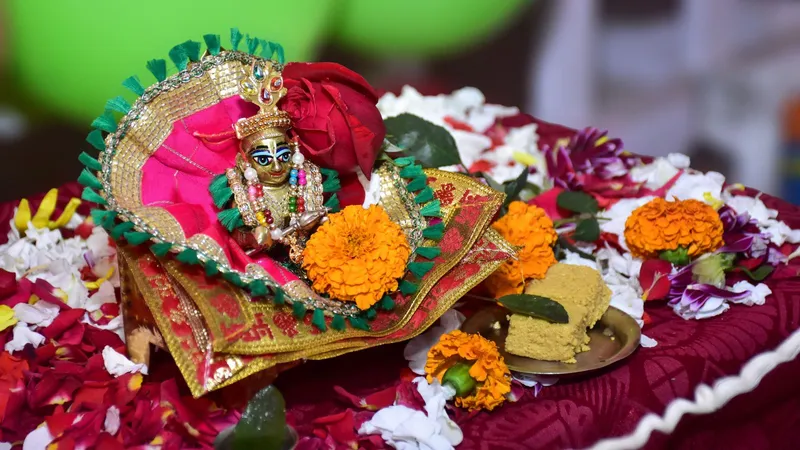
Since Lord Krishna is believed to have been born at midnight, temples and homes come alive at this sacred hour. Devotional songs, shlokas, and the rhythmic beats of drums fill the air. At the stroke of twelve, devotees ceremoniously place a small idol of baby Krishna in a beautifully decorated cradle and rock it, recreating the moment of his birth.
3. Jhulan utsav
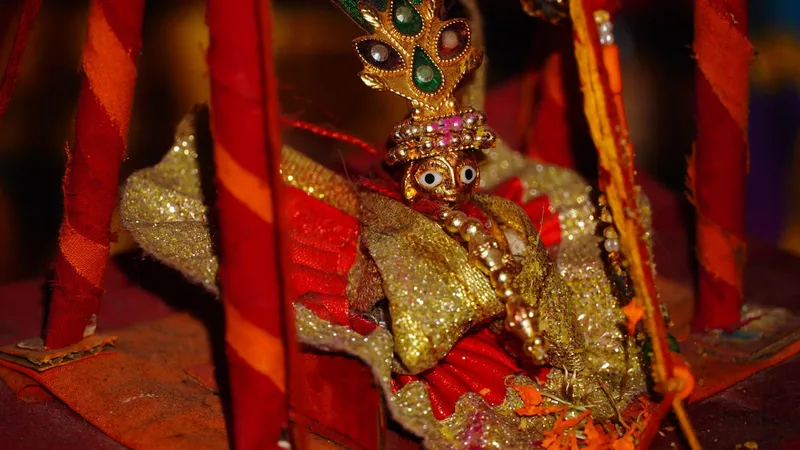
The Jhulan Utsav is a week-long tradition that takes place in many regions, especially in Vrindavan and Mathura. In these regions, devotees place Krishna idols on ornately decorated swings, which are adorned with flowers, lights and colourful fabrics.
4. Decorating the Krishna Janmnashtami jhanki
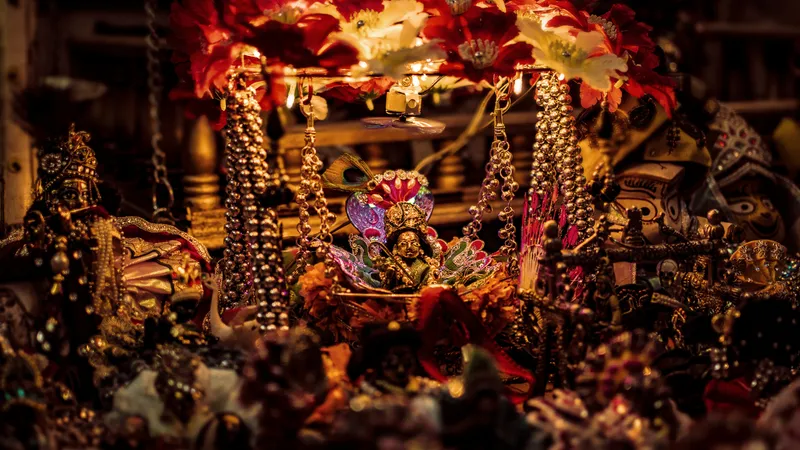
Homes and temples often create jhankis on the occasion of Janmashtami. These are elaborate tableaux that depict scenes from Krishna’s life, such as his birth in the prison in Mathura, his childhood in Gokul, and his playful mischief with the gopis. These dioramas are often made by children and families together, bringing mythology into life.
5. Govardhan and cow worship
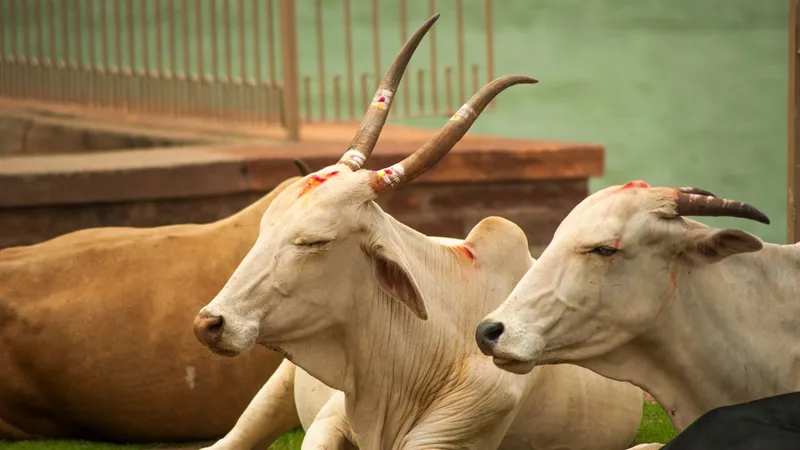
In many regions, especially in rural India, cows are decorated and worshipped during Janmashtami to honour Lord Krishna’s role as Govardhan Giridhari, who is the protector of cows and nature. Devotees recreate the lifting of the Govardhan Hill as a reminder of divine shelter and humility.
Across the country, devotees flock to major Krishna temples to pray and join in the celebrations.
6. Dahi handi
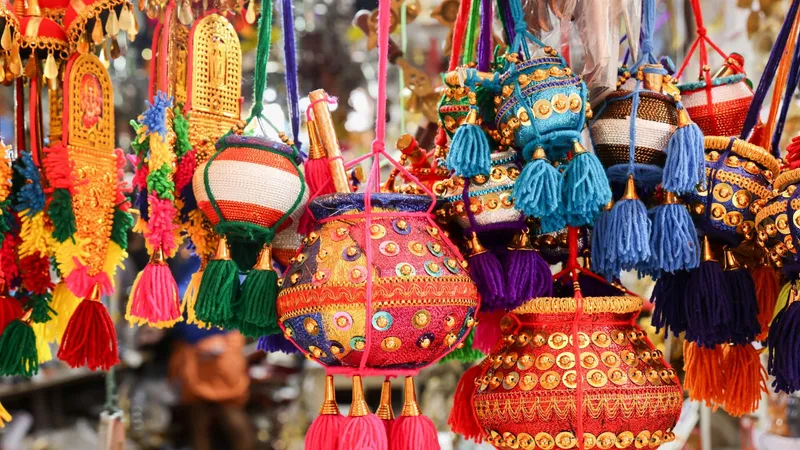
In Maharashtra and parts of Gujrat, Krishna’s mischievous love for butter is brought to life through the dahi handi tradition. Teams of youth form human pyramids to reach and break a pot of curd. This activity symbolises Krishna stealing makhan from neighbourhood homes.
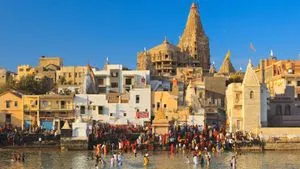
How to celebrate Krishna Janmashtami at home
As the midnight hour of Janmashtami approaches, the households across India and beyond transform into sanctuaries of devotion, echoing with soulful chants and melodious tunes of bhajans. Here’s how to create a sacred and festive atmosphere and celebrate Janmashtami at home
1. Cleanse and decorate your home like a temple
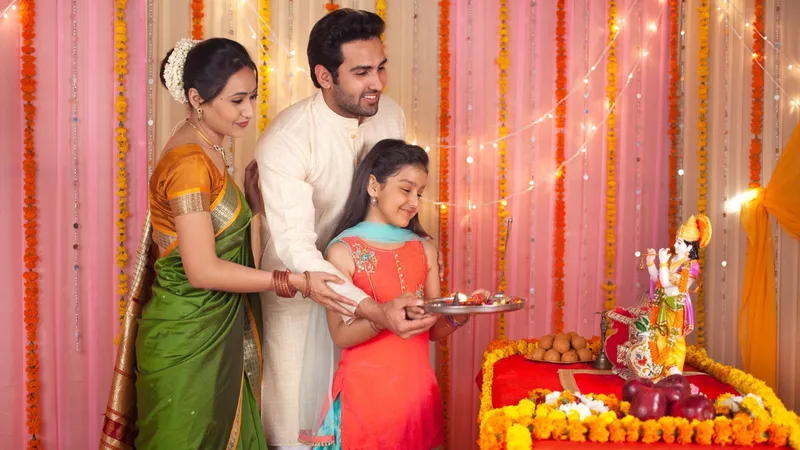
Begin by giving your home, especially the puja space in your house a thorough cleaning. The idea is to welcome Lord Krishna not just in your home, but into your heart. Adorn the puja space with fresh flowers, mango leaves and colourful rangolis. You can also use earthen lamps, fairy lights, and traditional brass diyas to create a glowing and celestial ambience.
2. Dress up the little Krishna
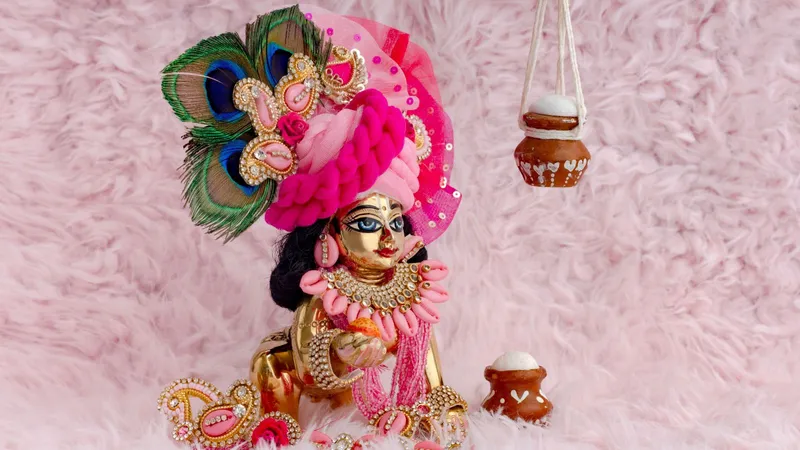
Place the idol or the picture of baby Krishna in a beautifully decorated swing, and bathe it with panchamrit. Dress him up with vibrant clothes, and decorate with a flute, peacock feathers and jewellery.
If you have children at home, you can also dress them up as Krishna and Radha to further accentuate the charm of the celebrations.
3. Spread the joy
The true spirit of Janmashtami is all about selfless love and giving from the heart. By giving food or necessities to people in need or by tenderly feeding animals, we can show our compassion on this holy day. In the most exquisite way, these deeds of kindness convey joy and compassion, embodying the unadulterated devotion that Krishna inspires. Giving is, after all, the purest kind of devotion.