






 Copy Link
Snapshots
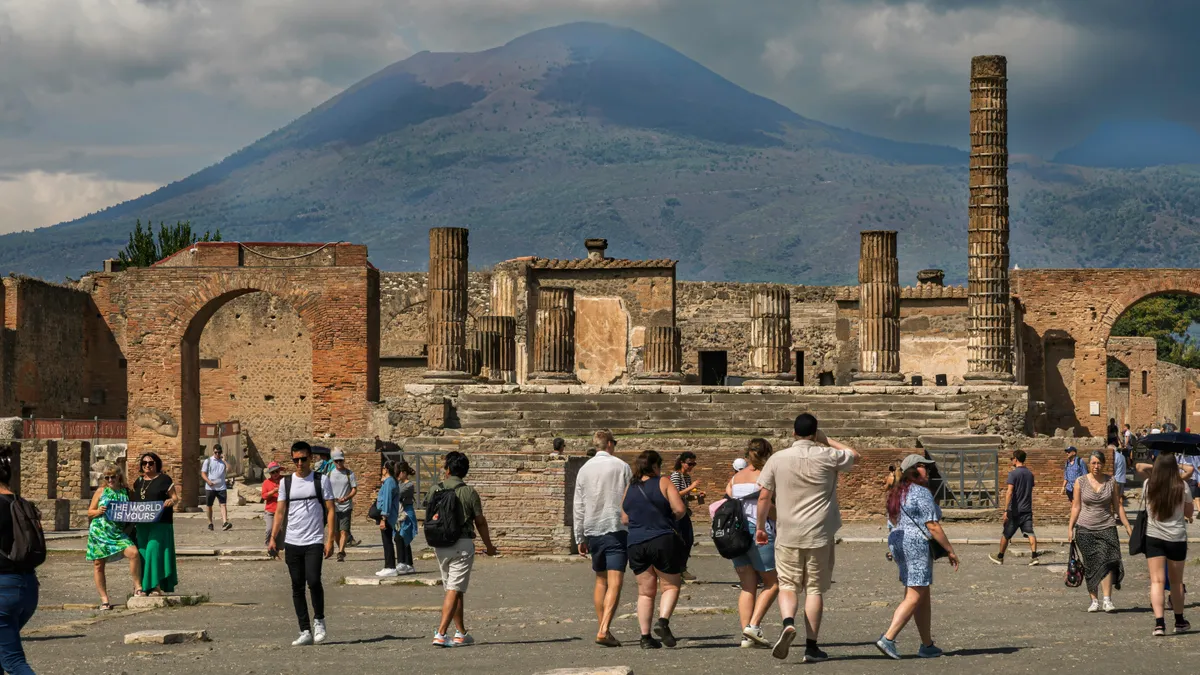
Pompeii is the only site on Earth that brings the ancient Roman city to life like no other. The once-thriving city's homes, shops, temples, and spas have remained frozen in time, buried during the eruption of Mount Vesuvius approximately two thousand years ago. Day trips from Sorrento and the Amalfi Coast to the UNESCO-listed archeological site are common, and visitors often combine them with other activities, such as a visit to Herculaneum, a climb to the peak of Mount Vesuvius, or a stop at a mountaintop winery for a tasting.
The charm of a city that rewinds time
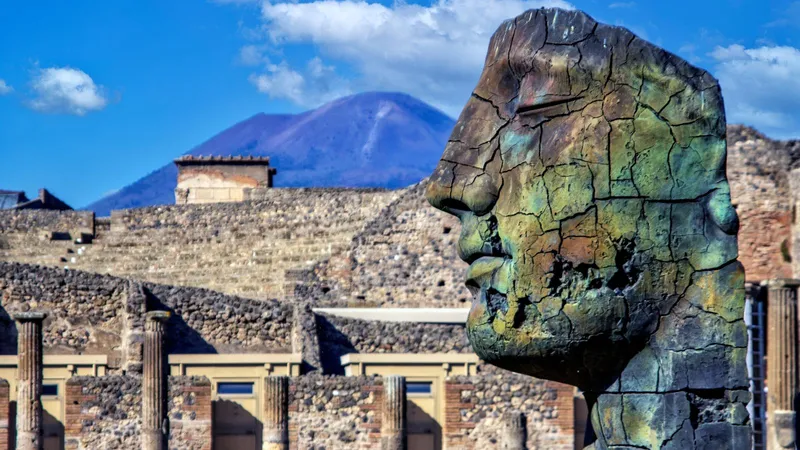
The astonishingly well-preserved city of Pompeii is just one of the many fascinating aspects of this ancient site. The entire city was buried in ash and pumice from Mount Vesuvius's eruption. What later archaeologists found—furniture, wall-mounted murals, bakeries with ovens still in place, and even victim casts—gave us a glimpse into the daily lives of the Romans. Pompeii is like a living museum thanks to its exceptional preservation, and no other Italian site can likely compare globally.
Pompeii is a massive urban area covering dozens of hectares; it is not merely an archaeological site. You may stroll through the ancient alleys, see inside private residences like the House of the Centenary, enjoy the forum's expansive spaces, and relax in the theaters and bath complexes where the Romans once sat. Pompeii is so massive that touring the ruins feels more like penetrating a frozen civilization than a typical tourist attraction.
Along with its nearby sites, Herculaneum and Torre Annunziata, Pompeii is a UNESCO World Heritage Site due to its immense global importance. However, there are downsides to being popular: the park has been receiving around 4 million visitors each year recently. The delicate artifacts and the management of the crowds have become major concerns as a result of this. The park authorities has so instituted a new policy limiting daily ticket issuance to 20,000 people, so if you are planning a trip, you should prepare ahead of time and purchase your entry tickets online
Things to do at Pompeii
Spend the day marvelling at living history at the archaeological site
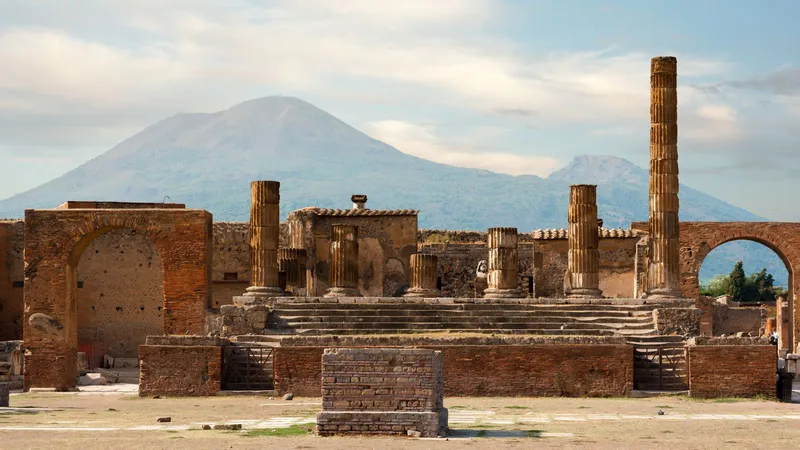
Pompeii, an expansive and ancient city, provides a window into a bygone era. Instead of staring at glass cases, you'll be able to walk the cobblestone streets, witness graffiti from long ago, and perhaps be amazed by how similar it is to a current city. Many modern practices, such as amphitheatres, public restrooms, and restaurants, had their origins in ancient Rome. Exploring this nearly two-thousand-year-old metropolis is a great approach to keep in mind the universality of human experience.
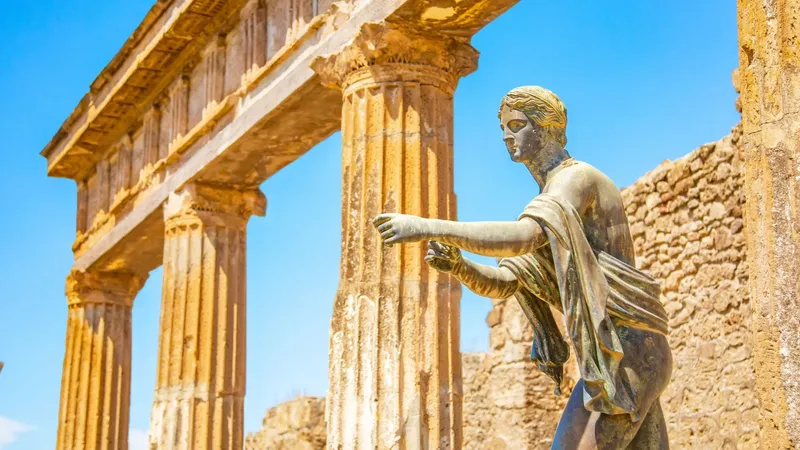
The Great Theatre at Pompeii was a magnificent performance venue that could accommodate up to five thousand spectators in the second century BC. Even now, the acoustics are so good that even the most elevated seats can hear the singers clearly. Classical plays and other events are being held in the mostly intact theater, the first major public structure to be unearthed in the old city.

The Herculaneum Archaeological Park, which houses the remnants of this Roman city, is overshadowed by its more well-known neighbour, Pompeii. Nevertheless, a large number of aficionados find this little site—which is one of the oldest Italian locations classified by UNESCO—to be just as captivating. Herculaneum was buried under a thicker layer of volcanic material than Pompeii after the eruption of Mount Vesuvius (Monte Vesuvio) in 79 AD, which resulted in the extraordinarily well-preserved ruins of the city. These ruins include intact residential interiors with furnishings, jewels, and even food.
Visit Mt Vesuvius
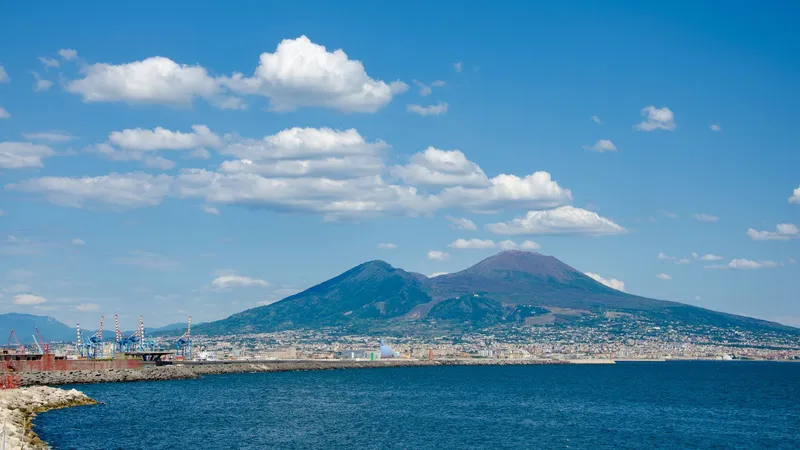
The renowned eruption of Mount Vesuvius (Monte Vesuvio) in the year 79 AD occurred atop the Gulf of Naples. Ash from the eruption blanketed Pompeii, protecting the Roman city's remnants for millennia. It may be the only active volcano in continental Europe right now, but that doesn't stop plenty of tourists from hiking to the crater for the breathtaking views of Mount Somma, Pompeii, the Gulf of Naples, and the Italian countryside.
Live La Dolce Vita at Ravello
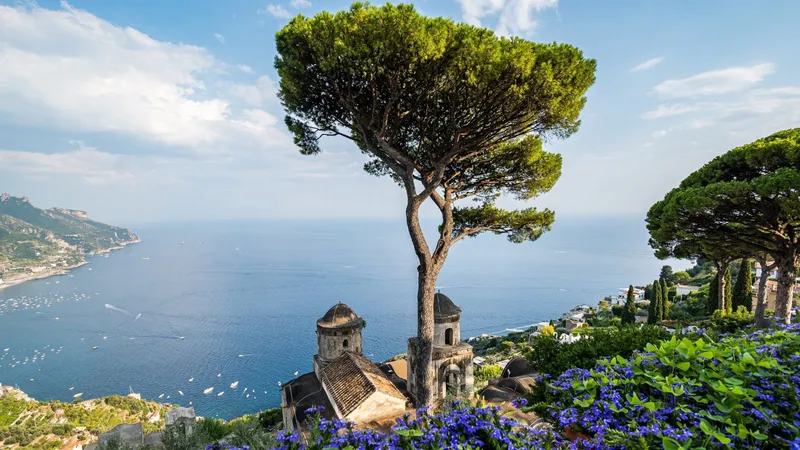
Tiny Ravello, an idyllic village along the Amalfi Coast, has a long history and vibrant cultural life. This picturesque clifftop town, which the Romans founded in the sixth century, attracts modern-day tourists with its gardens, villas, and sea views. Ravello is a sophisticated escape from the coast's throngs, thanks to its stunning villas, such as Villa Rufolo (which prompted new music by German composer Richard Wagner) and Villa Cimbrone (which boasts panoramic gardens).
Take a leisurely stroll down a charming alleyway in Praiano
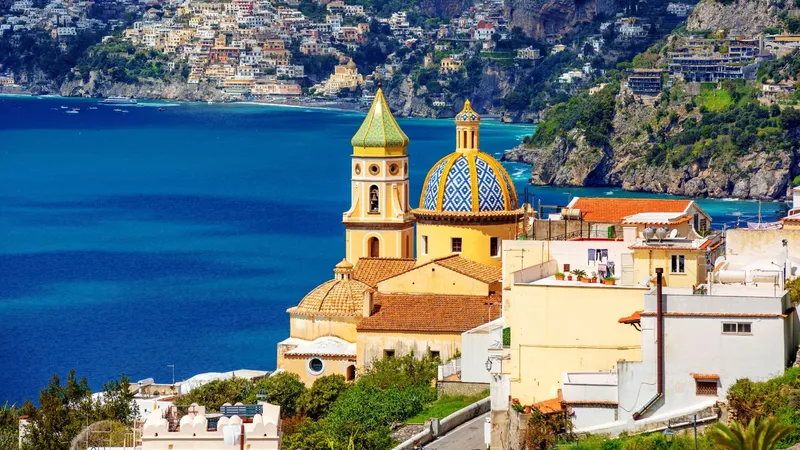
Despite its proximity to the more famous Amalfi Coast towns of Positano and Amalfi, the sleepy fishing village of Praiano has preserved its charm and character. You can see the Li Galli rock formations in the distance as you go past rocky beaches and steep, winding alleys that lead to colourful clifftop villas. Spend some time taking in the sights, such as the Piazza San Gennaro with its dazzling tiles, and then unwind by the water.
Enjoy the best sunsets at Villa Cimbrone
_1771259670248.jpg?w=800&f=webp&t=d7322d37b660235a)
Villa Cimbrone's Terrace of Infinity is a stunning lookout point that offers breathtaking views of the Amalfi Coast. The terrace is adorned with classical busts and provides breathtaking panoramas of the coastline. The verdant gardens lead you to this famous belvedere via winding pathways, carefully tended flower beds, and concealed pavilions.