






 Copy Link
Snapshots
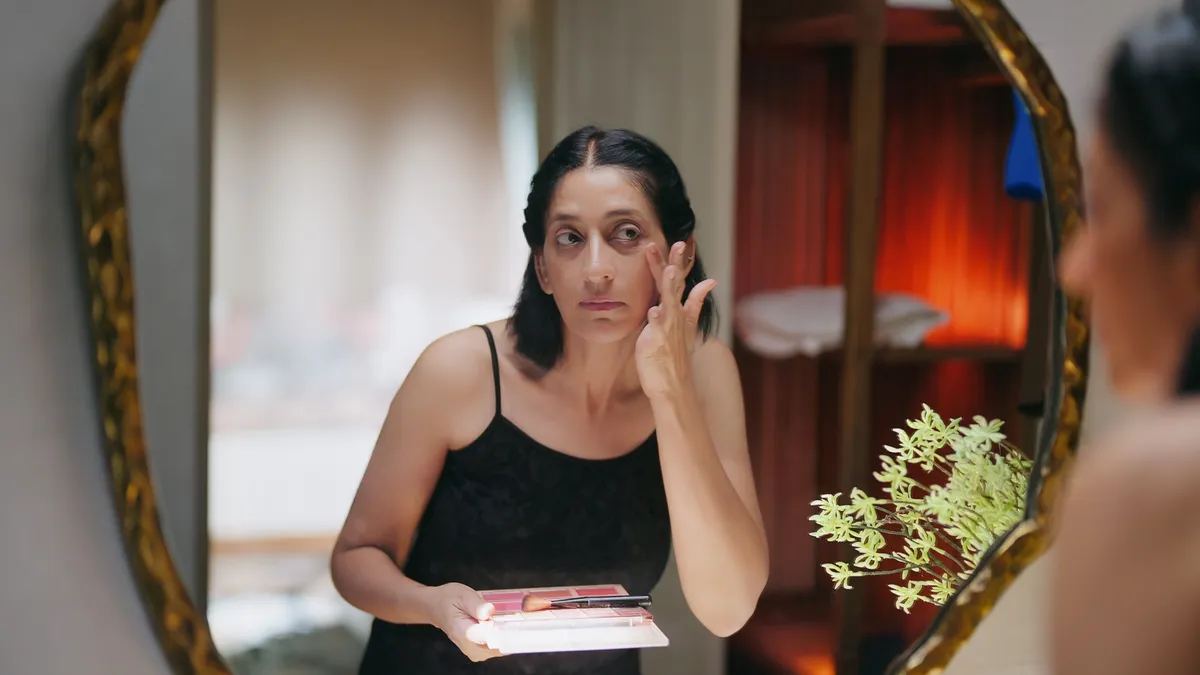
While concealers certainly have their uses, a colour corrector maximises the efficacy of your concealer! A colour corrector is a secret weapon among professional makeup artists and professionals that allows them to achieve a flawless skin tone with a few swipes. Want to help your concealer to do their best? This colour correcting guide is just for you! Those who know what colour correction is but haven't mastered the ABCs will find this guide helpful.
Why do you need a colour corrector?
Are you bothered by those pesky dark circles? The area under your eyes can appear lifeless and uneven due to stress, lack of sleep, or heredity. We mean, come on, who doesn't want to wake up with picture-perfect skin? Introducing the ideal colour-correcting guide: your new go-to for achieving a flawless, radiant finish. Get flawless, radiant skin in every shot with the help of this colour-correcting colour guide. It walks you through every stage of the preparation process. Makeup artists are continually drawn to colour correction, and with good cause: it truly delivers exceptional results! Once you've obtained your pastel palette, use these facial colour correction instructions to perfect the technique.

Colour correction—what is it?
While most people think of concealing flaws by applying a foundation or concealer that matches their skin tone, colour correction is more about bringing the skin tone to a neutral tone to begin with. This sophisticated method of applying cosmetics makes use of complementary hues to camouflage skin discolouration and create the illusion of smoother, more even skin tone. The combination of any two colours on the colour wheel yields a neutral or balanced shade since each colour on the wheel has a complementary colour. Some colours, like green, can balance out redness, while others, like apricots or peaches, can lighten blue-based undereye circles.
A more natural look can be achieved by using a colour corrector before concealer, so you may not have to apply as much makeup in some areas. Make the most of your cosmetic regimen by properly tackling common difficulties like redness and dark circles with this method.
How do you choose the right colour corrector?
The key to being an expert colour correctionist is picking the appropriate shade for the problem you're trying to fix. See it as a painter's palette, where different shades can be used to negate specific flaws and produce a picture-perfect canvas. Consider this a cheat sheet:
- Correcting under-eye circles that have a bluish cast, particularly on lighter complexions, using a peach or light orange shade works wonders. To balance out darker complexion tones without coming across as ashy, a deep orange shade is a great pick.
- Go for green if you have redness due to acne or other skin imperfections. By taming the vibrant tones, this soothing tint provides a level playing field for the foundation.
- Let monotony drag you down? Apply correctors in shades of purple or lavender. Because of their illuminating effects, these tones are ideal for hiding yellow undertones and giving the appearance of healthy, radiant skin.
- To balance out skin tone and provide a hint of warmth, try using yellow correctors for olive or tan complexions if you suffer from hyperpigmentation or age spots.
- Lastly, if you have a lighter skin tone, a pink corrector will work wonders for lightening up the under-eye area and making you look more awake and refreshed.
- Applying and correcting colours are both strategically important. Each colour is like a well-tuned instrument in your cosmetics toolbox, meant to balance and accentuate.
- Minimalism is ideal. Before applying foundation or concealer, apply a small layer of concealer and smooth it into the skin well. Use whichever method is most comfortable for you—a finger, a sponge, or a brush—to go straight.
- Blending your corrector with your base products will give your naked face an "inner" radiance. It offers greater versatility than a single product can provide.
- Blending is all about getting the most out of colour corrections. Before applying a second coat of concealer or foundation, dab it softly and mix thoroughly. Using the corrector will make your skin look flawless, as if you were ready for the camera when you woke up.

Colour correction in makeup- best makeup routine ever!
This part of the colour correction tutorial shows you exactly how to apply the product so that your makeup doesn't seem caked on.
- First, understand what you need: Avoid using a colour correction on every inch of your face. Apply it only to areas that are particularly dark and require lightening. Identify concerns such as dark circles, redness, blemishes, hyperpigmentation, and dullness on the forehead, temples, and chin. The secret to mastering colour correction is familiarity with these target zones.
- Second, not to prime IS a crime: After using primers, colour correction becomes the most important step in applying makeup. Apply a small amount of the colour correction palette sparingly to areas that require neutralisation after cleansing and priming the skin. Thereafter, apply your concealer and foundation on top.
- Third, pick your colours: Start colour-correcting the areas you want by selecting the appropriate pigment. It can be blended in using a makeup brush, a moist sponge, or even your fingertips.
- Fourth, add your foundation: For flawless coverage, lightly apply foundation or concealer over the areas that have been addressed. Thereafter, you can add more glam by using powder cosmetics, blush, and highlighters.
- Fifth, set it and forget it: Apply your last touches to your lips and eyes, and then set your look with a setting spray.