





 Copy Link
_1751905167627.jpg?w=1200&f=webp&t=a16952f19b05153d)
In the quiet moments of our day, in between meetings, while in a line at a cafe, or when simply lying in bed before sleep, many of us tend to reach instinctively for our phones. We open social media not to connect with other people, but simply for the purpose of scrolling. We do not learn, but just look. This habitual flick of the thumb has a name- ego scrolling.
The act of endlessly browsing through social media feeds, not for any particular purpose or for interaction, but to see how we appear to others, mainly for the likes, comments, shares and mentions. A subtle yet potent form of self surveillance, that is fueled by the dopamine hit of digital validation, ego scrolling, unlike doomscrolling is instigated by self focus and comparison. It is all about checking who watched our story, how our posts are performing, or how we measure up to the curated lives of others.
A serious behavioural trait that is often dismissed as harmless or even routine, ego scrolling is fast becoming a defining psychological loop of the social media era. It feeds into our insecurities while offering momentary reassurance at the same time, which in turn creates a cycle that is extremely hard to break. A serious issue of the digital age, ego scrolling has serious impacts upon self esteem and mental health.
What is ego scrolling?

Ego scrolling is the act of repeatedly checking your social media to monitor your own content. The number of likes that your post got, who are the ones that commented, who viewed your story, or how your profile appears to others are all signs of ego scrolling. Unlike regular scrolling, which might involve reading the news or browsing friends’ updates, ego scrolling is inward facing. It centres around the user’s own image, activity, and performance on social media platforms.
Ego scrolling is the act of holding a mirror up to your online self, by constantly checking how the world perceives you, but through the lens of filtered photos, curated captions, and engagement stats. A behaviour that might seem natural, ego scrolling can have detrimental impacts over time which can result in distorted self worth, fuel insecurity, and create a loop of digital self obsession.
_1739505246016_thumb_300.jpeg?w=800&f=webp&t=6dd83b7797406f6b)
Why do people ego scroll?
_1751905388383.jpg?w=800&f=webp&t=73b317d926cb77bb)
A behaviour that offers you validation with a tap, here are some of the powerful psychological forces behind ego scrolling-
- Dopamine rewards- Each like, comment, or view acts like a mini dopamine hit. The brain begins to crave the feedback, making you return to check for updates.
- Fear of missing out (FOMO)- People feel the constant need to know how they are being perceived by others, or if others are engaging more or less with them than before.
- Self comparison- It is never just about how you are doing, rather about the fact as to how you are doing in comparison to others. Ego scrolling intensifies this kind of habit, in turn driving self doubt and envy within you.
- Digital identity maintenance- In a world where personal branding is often tied to online presence, people ego scroll to maintain or ‘perfect’ their digital image.
Ultimately ego scrolling gives a fleeting sense of control and reassurance, but like all short term comforts, it often leaves behind a deeper feeling of emptiness.
Signs of ego scrolling

Here are a few signs to understand if you are prone to ego scrolling-
1.Constantly checking your own posts
Ego scrolling often begins with the revisiting of your own posts, stories, or photos to see how they are performing. Are the likes climbing? Did that comment get a reaction? This behaviour turns social media into a personal performance stage, where validation is the applause you are chasing. It is no longer about sharing, but more about scrolling.
2. Refresh, repeat, reassure
You post something, then keep refreshing the app like a slot machine, hoping that the next scroll brings in more notifications. This behaviour is driven by the psychological hit of dopamine that we tend to get from likes and comments, and ego scrolling is the endless loop we ride to get that fix.
3. Scrolling to size up to others
You scroll through others’ profiles, not just out of curiosity, but rather to compare lifestyles, bodies, followers or even captions. You may feel superior or inadequate depending on the metrics. Either way, ego scrolling thrives on ranking yourself in a never ending social scoreboard.
4. Looking for the ‘perfect’ you
After posting, you scrutinize your own content as if you were someone else. Did the filter not work? Do I look successful? Is the vive consistent? This obsessive analysis of your own feed isn't about enjoying memories, it is about controlling perception.

How can you reduce ego scrolling?
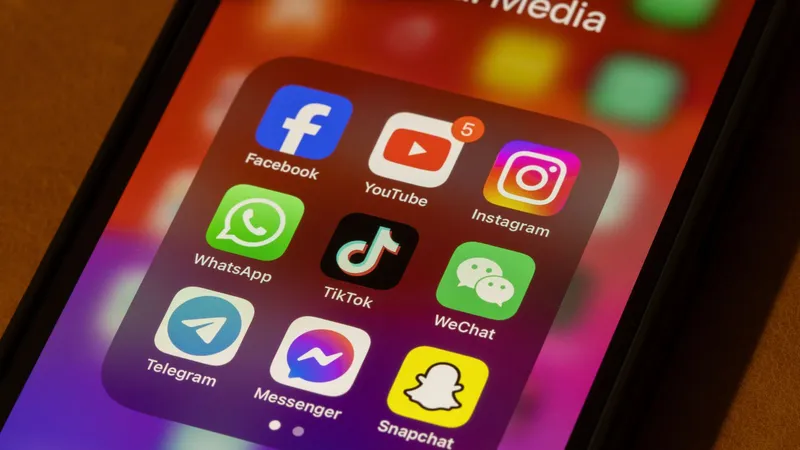
Wondering what can be certain strategic ways to reduce ego scrolling? Here’s what to consider-
- Remind yourself that social media is a highlight reel, and not real life. Shift your comparison to inspiration.
- Before you open an app, ask yourself: “Why am I here?” A quick pause can stop ego scrolling driven impulses.
- Use timers or lockout tools. Create small windows for intentional use and then get out of the loop.
- Unfollow the accounts that make you feel inadequate. Follow creators who educate, uplift, or inspire curiosity, not envy.
- Transition to the ghost mode. Resist the urge to constantly update others, silence the need for likes and shift your focus to the real world joys.
- Follow the 3 scroll rule. Set a personal limit of three scrolls before you exit the app. Keep it snappy, not sappy.