






 Copy Link
Snapshots
In a world of fast paced trends, a Bonsai is a breath of deliberate stillness. More than just a miniature tree, it is a living sculpture, showcasing a partnership between human patience and nature’s resilience. In India, where our roots run deep into the soil and spirits, growing a Bonsai is a meditative journey that mirrors our own growth. So, whether it is a rugged Peepal or a vibrant Bougainvillea, Bonsai trees for India are tiny titans that bring the majesty of the forest to your urban balconies. Here’s for you to discover how you can master this ancient art, take care of the Bonsai tree, and how this very indoor plant will become your lifelong companion.
Top 5 recommended species of Bonsai for India
Here are the top five species of Bonsai tree for India that are perfectly suited to the country’s climate. These trees are selected not just for their beauty, but also for their unique ability to thrive in the specific heat and humidity levels that are characteristic to our country.
1. The resilient Ficus
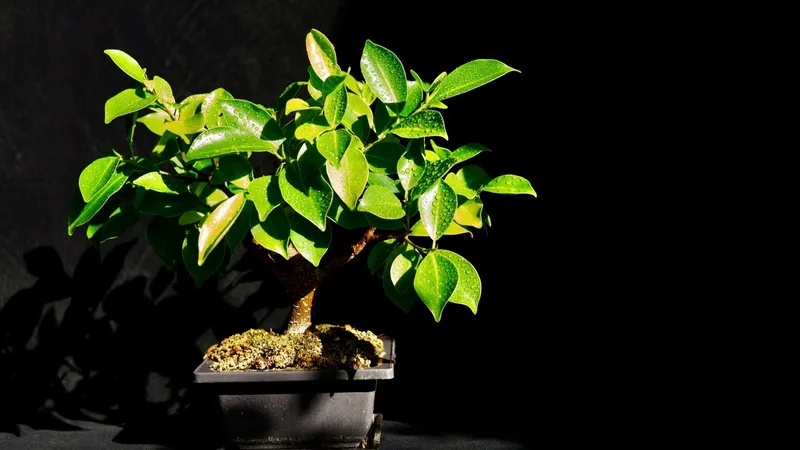
The Ficus is arguably the king of all indoor Bonsai trees in India. Since this species of the plant, similar to the Peepal and Banyan are native to the subcontinent, they are genetically programmed to handle our monsoons along with the intense summers. They develop some of the most stunning aerial roots that give the illusion of ancient, sprawling jungles right in a tiny pot! Representing strength and longevity, the forgiving nature of this plant makes them the gold standard for beginners. Taking care of this Bonsai tree is an absolute no-brainer, as they can even survive even when you have missed out on watering them, and do not require heavy pruning.
2. The vibrant Bougainvillea
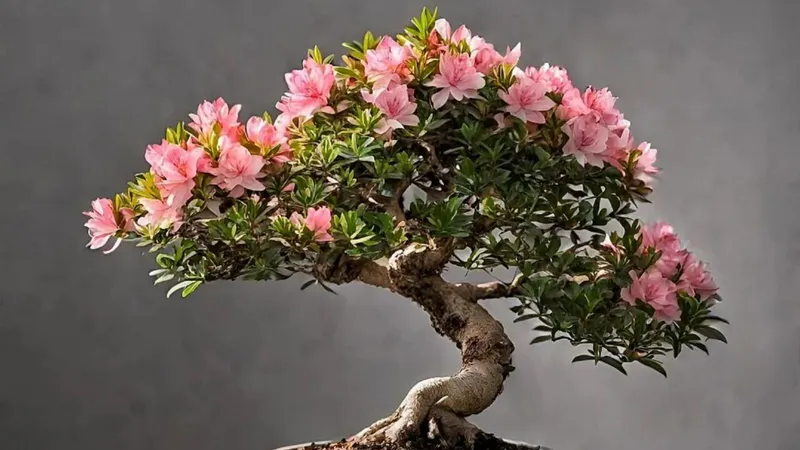
Often seen spilling over garden walls across India, the Bougainvillea makes for an extraordinary Bonsai. It is one of the few species that rewards the grower with an explosion of colour in shades of magenta, orange, and white. This Bonsai growing guide is the simplest of its kind, since it thrives on neglect. In fact, it flowers best when the soil is slightly dry and placed under the harshest Indian sun. adding a touch of festive, architectural flair to your balcony, the wooden trunks of this plant thickens quickly, giving it a mature and gnarly look in just a few years.
3. The ‘Money Tree’ Jade
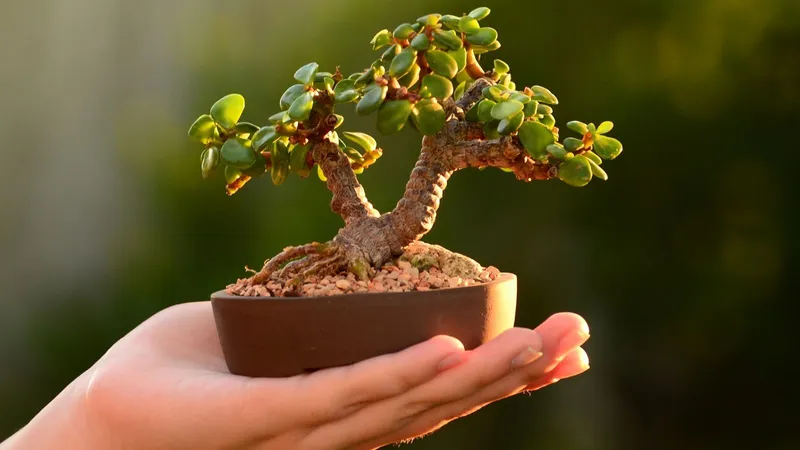
While technically a succulent, the Elephant Bush, which is the small leaf Jade is a favourite for Indian homes. Since it stores water in its fleshy leaves, this Bonsai tree for India is the ultimate drought resistant species. It is incredibly easy to propagate from cuttings. In the country’s dry heat, this indoor Bonsai tree is almost not likely to wither as long as they are not overwatered. Boasting of smooth, jade green leaves that symbolise prosperity and luck, this plant is the perfect desk companion for someone living in a high rise apartment with a sunny window.
4. Water Jasmine
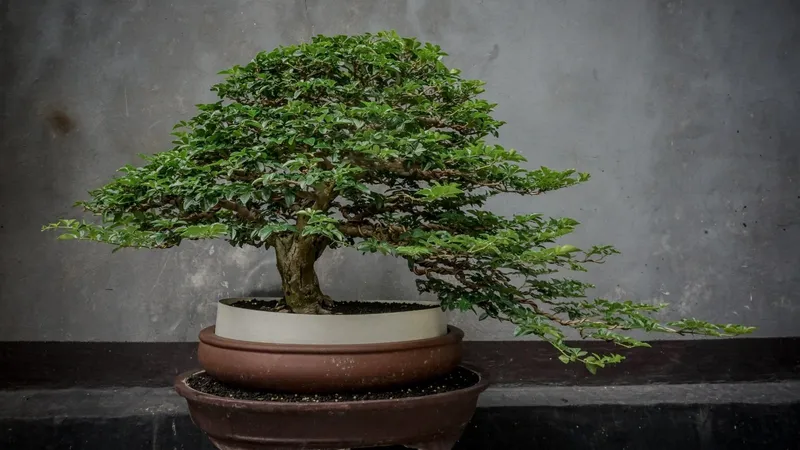
If you want your Bonsai to engage your sense of smell as well as your sight, the Water Jasmine should be among your top choices. A species of Bonsai tree for India that is popular in the southern parts of the country as well as in Bengal, this tropical shrub produces delicate, downward hanging white bells. It loves the humidity of coastal India, and boasts of thin and elegant branches that are easy to wire into weeping or informal upright styles.
Offering a serene, and Zen-like aesthetic, the fragrance of this plant, when it blooms in the evening creates a literal meditation corner on your veranda.
5. The classic Tamarind
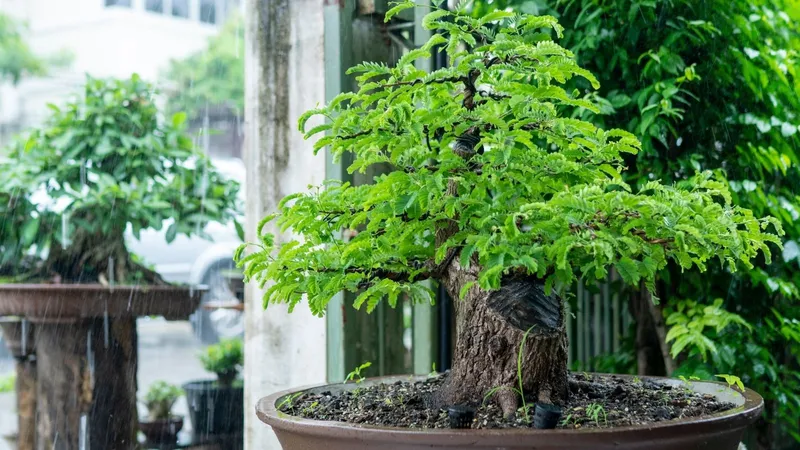
For those who want a Bonsai that looks like a miniature version of a massive countryside tree, the Tamarind stands unmatched. Its tiny, compound leaves are naturally scale appropriate for a Bonsai. It is a slow and steady grower that can live for centuries. It handles the extreme heat of central and south India with ease and develops a beautiful, craggy bark texture as it ages. Evoking a sense of nostalgia for the Indian landscape, this one is a heritage plant, the kind that you start today and pass down to the next generation.
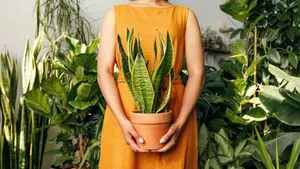
Fundamentals of Bonsai care
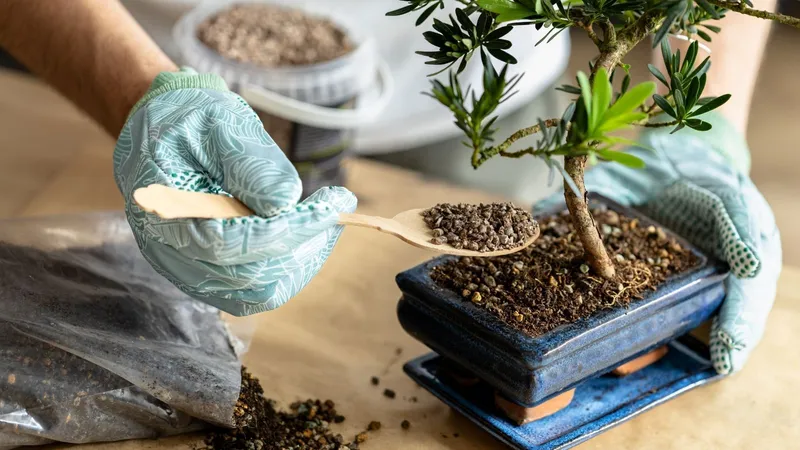
To take care of a Bonsai tree and successfully grow one in India, you have to unlearn a few traditional gardening habits. Since the Bonsai growing guide remains restricted to a pot, the fundamentals are less about general gardening and more about precision engineering.
Soil- Replace the heavy garden soil with a well draining mix of crushed brick, coarse sand, and compost to prevent root rot.
Watering- A basic way to take care of a Bonsai, use the finger test, and only water when the topsoil feels slightly dry, but ensure a deep soak until the water exits the bottom.
Sunlight- Aim for the 4-6 hours of morning sun, but use a green shade net to protect the leaves from the brutal 2 pm Indian heat.
Feeding- Apply a balanced liquid fertilizer every two weeks during the growing season, and avoid feeding during the winter rest.
Potting- A major aspect of your Bonsai growing guide is to ensure that the pot has large drainage holes covered with mesh to keep the roots aerated during the heavy monsoon rains.
Airflow- Place your tree in a ventilated spot like a balcony or veranda, since stagnant air is an invitation for pests like mealybugs.