






 Copy Link
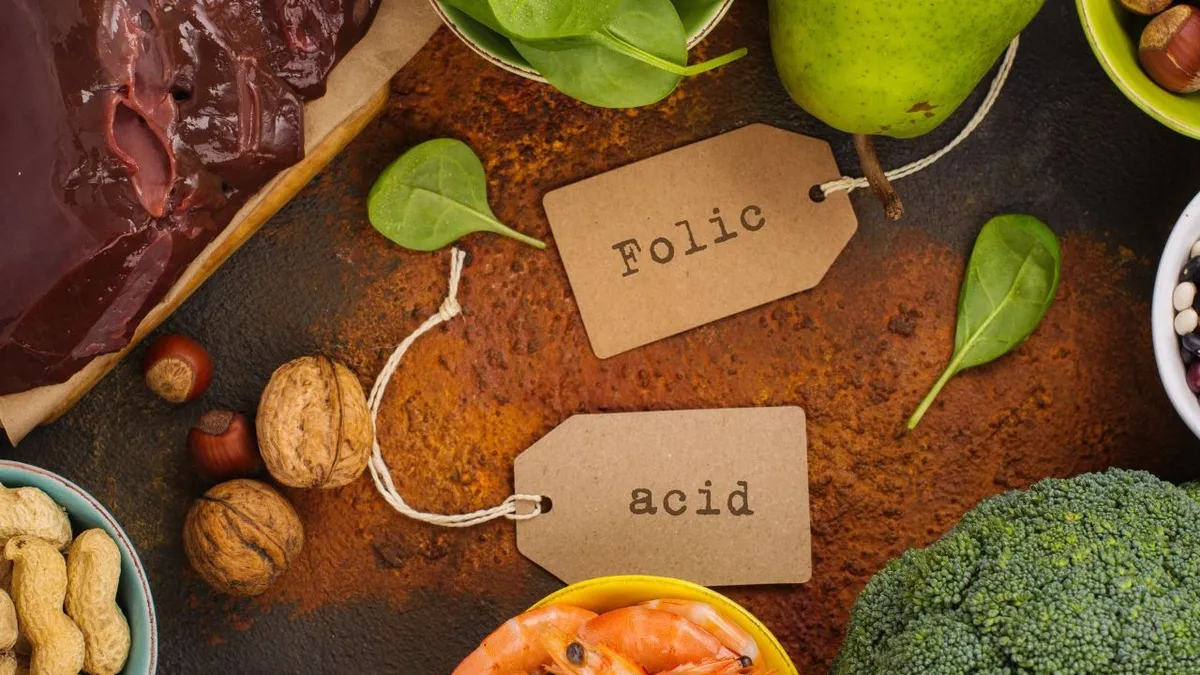
Increasing your folic acid consumption is something your doctor has probably suggested if you've ever been pregnant. Folic acid offers numerous benefits for women’s health during pregnancy and beyond; in fact, these effects last throughout a woman's entire life. The addition of folic acid to your routine is simple, which is excellent news. Acquiring the suggested daily allowance becomes simple once you grasp its significance, the quantity required, and its location. Plus, it's beneficial for your health. We've thoroughly explored folic acid, equipping you with comprehensive knowledge about this remarkable supplement!
What is folic acid?
Vitamin B9 may be taken in two forms: folic acid and folate, which are used to treat deficiencies and avoid problems during pregnancy. You may find folate or folic acid added to many foods. Vitamin B9 comes in many forms, although the words "folate" and "folic acid" are usually thought to mean the same thing. Folic acid differs structurally from folate and has different physiological effects. Vitamin B9 comes in several forms; the general term for all of them is "folate." This includes folic acid and 5-MTHF. One particular synthetic version of this vitamin is folic acid.

Folic Acid uses beyond pregnancy
Folic acid is prescribed to individuals to aid in the prevention and treatment of hypofolate (low blood folate levels) and hyperhomocysteinemia (high blood homocysteine levels). Another reason to take folic acid when pregnant is to lower the risk of spina bifida and other severe birth defects. Folic acid is used for a wide variety of additional medical purposes, such as treating depression, preventing stroke, and reversing cognitive loss, among many others.
Folic acid fortified meals are good for your health in general, but the amount of folic acid in food alone won't lower the chance of a neural tube defect in a growing baby. If you want to avoid spina bifida, you need more folic acid than what you can get from fortified meals. Many women aren't receiving enough folic acid because of the rise of grain-free, low-carb diets.For this reason, even if a woman is not trying to conceive, she should take a multivitamin that contains folic acid every day.
Folic Acid uses for pregnancy
To ensure a healthy pregnancy and infant, expectant mothers should take a prenatal vitamin that contains folic acid (400 micrograms minimum), iron, vitamin D, calcium, and other nutrients. The recommended starting point for taking a prenatal vitamin is between one and three months before you expect to conceive. The active ingredient in many prenatal vitamins is L-methylfolate rather than folic acid. Folic acid cannot be converted into its active form, L-methylfolate, in the body by many individuals due to their genetic makeup. Keep in mind that folic acid is what you're getting if you see L-methylfolate on your prenatal vitamins.
_1716987519545_thumb_300.jpeg?w=800&f=webp&t=858386a138aaa7cc)
Folic acid benefits
Folic acid may help lower your risk of cardiovascular disease, stroke, and some malignancies, among other health advantages. Folic acid is beneficial for the health of your hair, skin, and nails because it supports cells that divide and develop quickly. Low folate levels are associated with impaired brain function and an increased risk of dementia, according to researchers, making folic acid extremely important for better cognitive and brain function! Tired of brain fog? Time to include folic acid-rich foods!
How do I add Folic acid to my diet?
A bowl of fortified cereal eaten first thing in the morning may help ensure that you get the recommended daily allowance of folic acid. To find out how much folic acid is in each serving of any fortified product, just look at the label. Here are some foods that are rich in folate and folic acid. Since 1998, the law has mandated the inclusion of folic acid in cold cereals, wheat, breads, pasta, bakery goods, cookies, and crackers. Vegetables, okra, asparagus, certain fruits, beans, yeast, mushrooms, liver, kidney, oranges, and tomato juice are some of the foods that naturally contain a lot of folate. Supplemental folic acid is another option; it's often taken with other B vitamins.

Folic acid supplement- is it right for me?
A multivitamin or a tablet containing simply folic acid may be taken daily to increase your folic acid intake. If you want to be sure you're getting the right amount of this vitamin—not too much to prevent nerve damage from B12 deficiency, but just the right amount to reap the benefits—consult your doctor. Be careful to check the label of your prenatal vitamin to ensure it contains the appropriate quantity for pregnant women. If you are not pregnant, while selecting a multivitamin or supplement, check the label for "400 mcg" or "100%" next to folic acid. To help you choose the best supplement, see your physician or chemist.