






 Copy Link
Snapshots
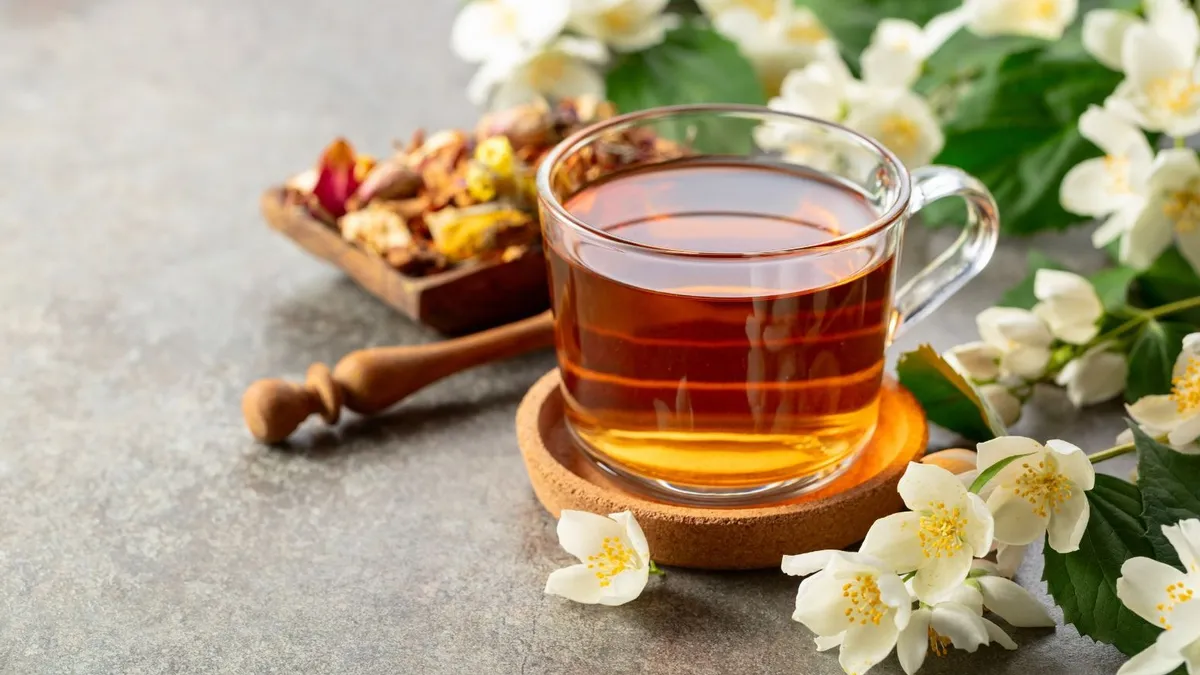
Imagine a tea that smells like heaven has the same benefits for your body! The fragrance of jasmine flowers permeates jasmine tea, a special kind of black tea. Many people are aware of the health advantages of green tea, but few are conscious of the benefits of jasmine tea. A cup of herbal jasmine tea is one of the best drinks for relaxing the senses and recharging the body. Its anti-ageing characteristics make it useful for reducing the rate at which cells in the body age. This wonderful beverage can alleviate anxiety, tension, and depression, and so much more comes with jasmine tea benefits!
After a long day, Japanese people enjoy unwinding in the tub with jasmine tea balls. It relaxes your body and calms your thoughts after a long day. Just taking a deep breath of jasmine tea's aromatic air can reduce mental tension, anxiety, and stress. The benefits of drinking jasmine tea make it an essential part of your self-care routine!
The history of Jasmine tea
Jasmine tea is widely believed to have originated in Iran, Pakistan, Afghanistan, and certain regions of the Himalayas, even though the flower is strongly associated with China and is abundant there. The cultivation of jasmine began in China during the Tang Dynasty (618–907), and it is often associated with the country due to its immense popularity during the Ming Dynasty (1368–1644), a period when floral patterns and blooms were highly fashionable. Jasmine tea made its way to the West in the late 1800s, becoming one of the early beverage exports from China.

Throughout history, jasmine has been used for a wide variety of purposes because of its adaptability. Essential oils and tea made from them may have positive effects on health. Foods, candies, and alcohol all contain it. Fragrances frequently incorporate jasmine due to its potent floral aroma. Since 1,000 jasmine blossoms are used in each bottle of Chanel No. 5, the fragrance, Chanel bought approximately 10 hectares of land in southern France specifically to cultivate jasmine.
Traditional jasmine tea is prepared by steeping green tea leaves with jasmine blooms. In fact, many jasmine teas available are green teas that have been infused with jasmine rather than containing only jasmine flowers. Jasmine green tea is not the topic of this article; rather, it is edible flower tea. Caffeine isn't an artificial ingredient in jasmine flower tea, which is a kind of herbal tisane. You have the option to enjoy our jasmine flowers on their own or blend them with other teas to create a jasmine green tea, depending on your preference!

Advantages of Jasmine Tea
Maintaining proper dental hygiene
The catechin-rich green tea is the usual foundation of jasmine tea. Catechins, a class of polyphenols, have shown promise in the fight against cavities because they inhibit the growth of Streptococcus mutans and other bacteria that cause tooth decay.
Keeps your heart healthy
Because of its high polyphenol content, jasmine tea may provide some protection against cardiovascular disease. Research on animals and in vitro has demonstrated that polyphenols in tea can prevent the oxidation of LDL (bad) cholesterol, which increases the risk of cardiovascular disease. Oxidized LDL cholesterol is more likely to adhere to arterial walls and form plaques that can restrict or block blood flow, making it a potentially dangerous substance.
Packed with protective antioxidants
The polyphenols found in abundance in jasmine tea are very potent plant-based chemicals. You can think of them as natural antioxidants that shield your cells from harmful free radicals. Damage from free radicals has been associated with cardiovascular disease and several cancers, according to research.
Might help with slimming down
Some people find that drinking jasmine tea speeds up their metabolism, which in turn aids in weight loss. Actually, jasmine tea's most popular foundation, green tea, may boost metabolism by 4-5% and fat burning by 10- 16%, according to a meta-analysis of research. The caffeine and polyphenol EGCG found in jasmine tea are responsible for its fat-burning capabilities. The fat-burning actions of these chemicals may build upon one another.
Improves cognitive abilities
Jasmine tea has a number of characteristics that may improve cognitive performance. Each cup (237 ml) of jasmine tea might contain anywhere from 15 to 60 mg of caffeine, depending on the base tea and how long the leaves are soaked. By inhibiting the inhibitory neurotransmitter adenosine, caffeine activates your neurological system. Adenosine is a substance that carries signals from your brain to your body. In a normal state, adenosine aids in relaxation. Also, other neurotransmitters that improve mood, such as serotonin and dopamine, are released more easily when coffee is present.
Great for gut
Jasmine flower has been discovered to effectively block the growth of certain dangerous germs, specifically Escherichia coli, according to research. This bacterium can cause nausea and other gastrointestinal problems, commonly known as "tummy bugs." The research indicates that the flower effectively lowers the levels of these bacteria and enhances gut health.
Jasmine blossom is beneficial for your digestive system because it contains antioxidants that support the enzymes in your digestive tract. Research has demonstrated that it can alleviate bloating, gas, and diarrhea, and it has been proven to be highly effective in treating conditions such as irritable bowel syndrome. Consuming jasmine tea promotes the expansion of beneficial bacteria and aids in the elimination of toxic substances and harmful bacteria from the body.