






 Copy Link
Snapshots
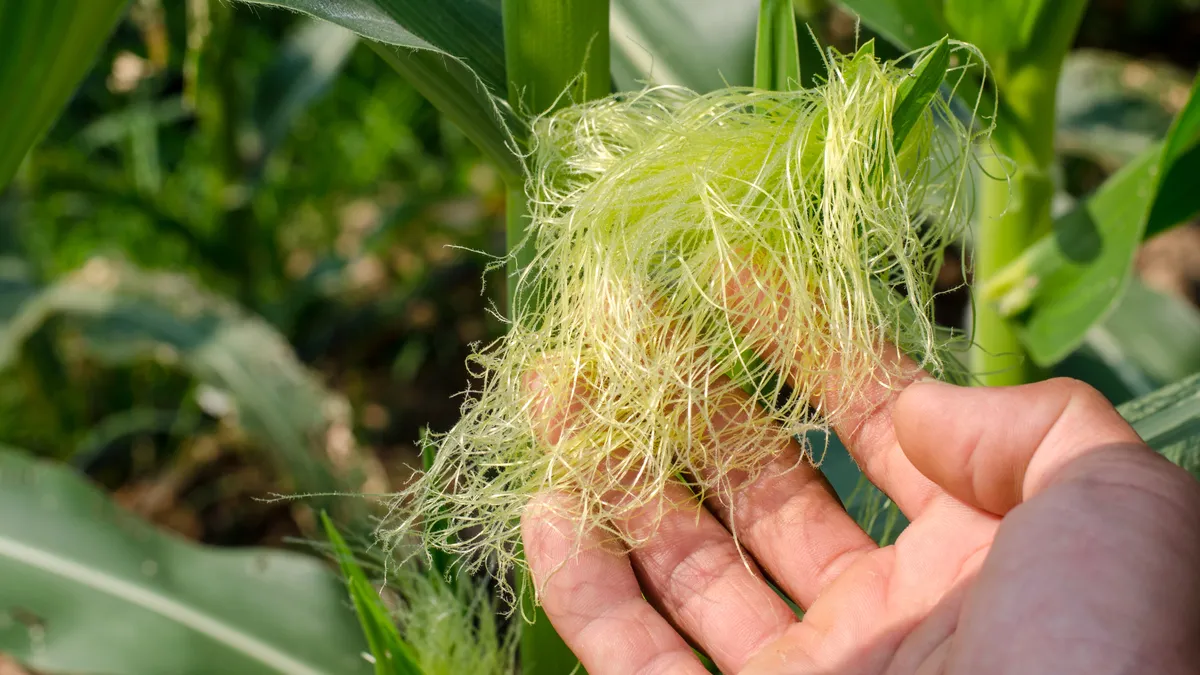
Corn silk, those thin golden threads often thrown away from corn cobs, is really rather useful. These threads are currently being hailed by nutritionists and gastroenterologists as a significant complement to healthy diets because of their high dietary fibre and antioxidant content. Corn silk, when consumed on a regular basis, may promote kidney and bladder function, control the gut-brain axis, enhance digestion, and support gut health.
Furthermore, it may aid in inflammation reduction and cardiovascular health (including control of blood pressure and cholesterol) due to its antioxidant characteristics. Corn silk, which can be easily included in nutrient-rich chutney or used as a herbal tea, is a natural and easy approach to improving health and getting the advantages that are frequently ignored in regular cuisine. But are the corn silk advantages, and how do you use corn silk? Read on to know more!
What is corn silk, and what is the best way for use corn silk?
Underneath the husk of a newly harvested ear of corn grows a substance that resembles thread: corn silk. In addition to its usage in traditional herbal medicine, these shimmery, thin fibers help in corn pollination and development. Corn silk benefits are abound! The corn silk has different health consequences according to the many plant components it contains. It has many uses in traditional Chinese and Native American medicine, including the treatment of prostate issues, malaria, UTIs, and cardiovascular illness. Newer studies indicate that it may help reduce inflammation, cholesterol, blood sugar, and blood pressure as well. Although corn silk may be used fresh, it is most often dried and then utilised in tea or extract form. Another option is to take it orally.
What you should know before consuming corn silk:
- When administered orally: Foods made with corn silk are popular. However, there is insufficient credible data to determine the safety of corn silk when administered at higher dosages as a medicinal agent. Possible side effects include reduced blood potassium and salt levels, although these occurrences are unlikely.
- If you are breastfeeding: Corn silk, at the proportions typically present in food, may not cause harm when consumed during nursing. However, sufficient evidence is lacking to determine if corn silk is safe to provide in larger doses as a medication during nursing. Just to be cautious, don't go overboard with the serving sizes.
- If you are pregnant: While pregnant, it is unclear if corn silk, at the proportions typically present in food, poses any risks. Large doses, however, may pose health risks when taken orally.
Corn silk benefits that you should know about!
- Promotes the health of your urinary tract : A potent diuretic, corn silk extract may increase your urine output. Increasing urine flow may prevent urinary tract infections (UTIs) and bladder infections. If you do have a UTI or bladder infection, corn silk extract helps alleviate inflammation and discomfort. Increased urination can also strengthen your bladder. When treating bedwetting in children or urine incontinence in adults, healthcare practitioners may suggest teas or extracts made from corn silk. Corn silk may help lower the risk of kidney stones and shield the kidneys from cancer treatments and some medications.
- Great source of antioxidants: To prevent cell damage and oxidative stress, your body may utilise antioxidants, which are chemicals derived from plants. Many long-term health problems, such as diabetes, cardiovascular disease, cancer, and inflammation, have oxidative stress as one of their root causes.
- Helps regulate blood pressure: Corn silk can be a viable therapy for hypertension. The first effect of corn silk is that it reduces your desire to drink water. Therefore, corn silk may provide a safer, more natural option compared to the diuretics that are often prescribed to lower blood pressure. Combining conventional hypertension medication with corn silk tea may enhance the medication's efficacy, according to a 2019 meta-analysis and comprehensive review.
- Helps reduce inflammation: The plant pigment, known as a flavonoid, that gives maize silks their vibrant green, yellow, brown, or red hues, possesses antioxidant properties. As an antioxidant, corn silk is on par with vitamin C. Antioxidants protect the body against harmful inflammation, age-related decline, cancer, and diabetes.
- Regulates blood sugar: The use of corn silk extracts for treating diabetes has a long history in traditional Chinese and Native American medicine. One study found that the extract may help reduce blood sugar levels and protect against diabetic neuropathy (nerve damage), among other problems. Corn silk extracts may help regulate blood sugar levels by reducing the rate at which the body absorbs starchy meals, according to other research.
How to make Corn silk tea
What you need: Gather three or four ears of unhusked, organic corn to begin. In addition to filtered water, the amount of cornsilk you use determines the tea's flavour.
Corn silk tea recipe:
- Take out the corn silk, which is the stringy stuff that's beneath the corn husks, and cut off any ends that are dead or exposed.
- The thread-like strands of maize silk may be dried by spreading them out on a plate and placing them in the sun until they are dry to the touch. Although it is not required, you may dry the corn silk and use it for tea in the future.
- Just before you're ready to brew, put some corn silk in a cup or a big bowl and pour some hot water over it. Give it 5 minutes to steep. An alternative would be to boil the thread-like fibre in water for five to eight minutes.