






 Copy Link
Snapshots
If you've done any internet shopping recently, you probably used a virtual room-sizer to see how each sofa would look in your living room before settling on a final purchase. Nowadays, it's even easier to shop for cosmetics; all you have to do is sit down at home and choose the perfect lip shade from a rainbow of options. The digital, multi-layered, and increasingly immersive augmented reality has crept up on us all.
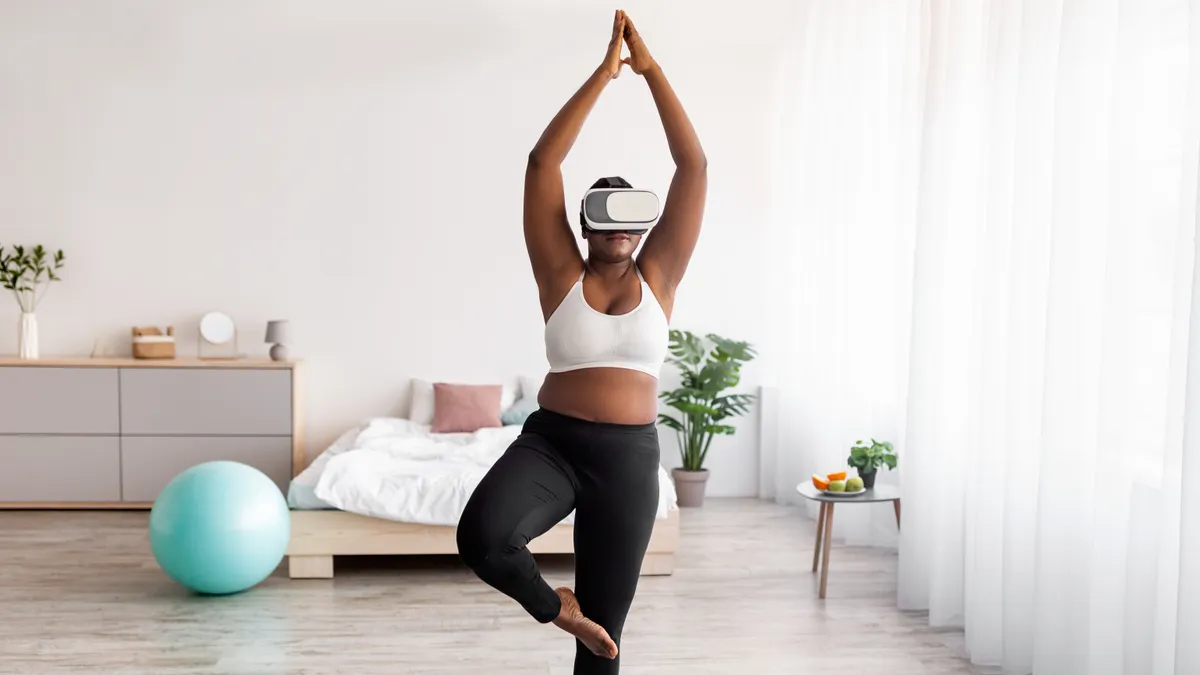
It would have been a regular occurrence for someone to post a photo of themselves playing cricket, virtual reality, or boxing in their living room on their Instagram page. It appears to be the wave of the future, and it may even revolutionise the fitness industry.
Why VR workouts are trending
It's undeniable that wellness has become the norm. Exercise is now a vital part of many people's lives, and we are very careful about what we eat. However, when routines become monotonous, indulging in virtual reality exercises can provide a refreshing change.
VR fitness combines elements of entertainment, gamification, technology, and fitness; whereas conventional exercise routines can develop old fast, VR makes physical activity exciting and focused on specific objectives. Members of Generation Z grew up with interactive media, real-time feedback, and immersive video games. Could you imagine walking on a treadmill while staring at a blank wall? Fighting your way through a high-intensity rhythm game or virtually ascending an Icelandic mountain is too much for it.

Will VR workouts ever replace the gym?
This is unlikely to happen in the near future. Virtual reality certainly simplifies the process of working out. However, it is only part of the story for the majority of personal trainers. The graphics are likely to alleviate boredom for a short time. But mindful movement practice never feels monotonous. Taking note of your form, breath, and body's reaction is where the fun lies. It is presence, not pixels, that causes it.
VR workouts offer strong advantages that could drive significant growth, especially for people who do not like traditional exercise.
- Immersion and motivation: VR makes exercising feel like a video game, and it feels like an immersive adventure, making the workout feel less like a chore. Video-game-related elements include features such as a leaderboard, high scores, various difficulty levels, and real-time feedback. It provides satisfaction and a strong, beneficial motivation to keep exercising. Such features can lead to higher workout adherence and consistency compared to non-VR routines.
- Convenience and accessibility: VR allows users to exercise anytime they want, right from the comfort and privacy of their own home, eliminating travel time and travel cost (for public transport). Users also do not have to worry about being anxious about going to the gym in fear of judgment. It provides a wide variety of workouts, such as boxing, dancing, virtual cycling, and virtual environments (mountain tops, other planets, and foreign countries) that might not be physically accessible. It is also convenient for people who have limited local gym or fitness centre options.
- Data tracking and personalised training: VR systems can perfectly track workout data such as timing, reps, calories burnt, or heart rate and provide personalised feedback which improves your technique. Users can share this data with advanced platforms and create custom-tailored workouts.
- Reduced perceived effort: The immersive experience on the ‘game’ can reduce the perceived effort or pain of the workout, allowing users to push harder while also enjoying the game. Studies have indicated that players can burn similar calories to traditional cardio with VR workouts.

What to watch out for
Despite the strong advantages, several factors are preventing VR from taking over the world of fitness.
- Expense: The VR headset and important accessories, such as high-quality controllers or specific sensors, represent a financial barrier for many users. More expenditure is caused by in-app purchases and potential weekly/monthly/yearly subscriptions for premium or pro platforms.
- Physical and health concerns: Working out for too long while using the headset could cause neck strain or discomfort. The sensory disconnect could potentially cause motion sickness, dizziness, or eye strain.The headset could also heat up if used for long periods, requiring special cleaning and maintenance.
- Space and safety requirements: Particular exercises might need an unobstructed space to move around safely, which might not be present in all homes. There is also a risk for bumping into objects, maybe sharp or dangerous, or maybe even pets, while immersed in virtual reality.
- Limitation on workout form: The user might not clearly see their body while working out, and without a real-life trainer, they may execute incorrect movements, which could lead to injuries. VR struggles to replicate the resistance feel required for serious strength training and powerlifting.
VR workouts are definitely a significant part of the fitness world, especially for cardio, motivation, and fun. However, it is very unlikely that VR will become the sole future of fitness. A hybrid approach is most suggested—to use VR for cardio and skill work while traditionally exercising for building maximum strength and muscle mass.