






 Copy Link
Snapshots
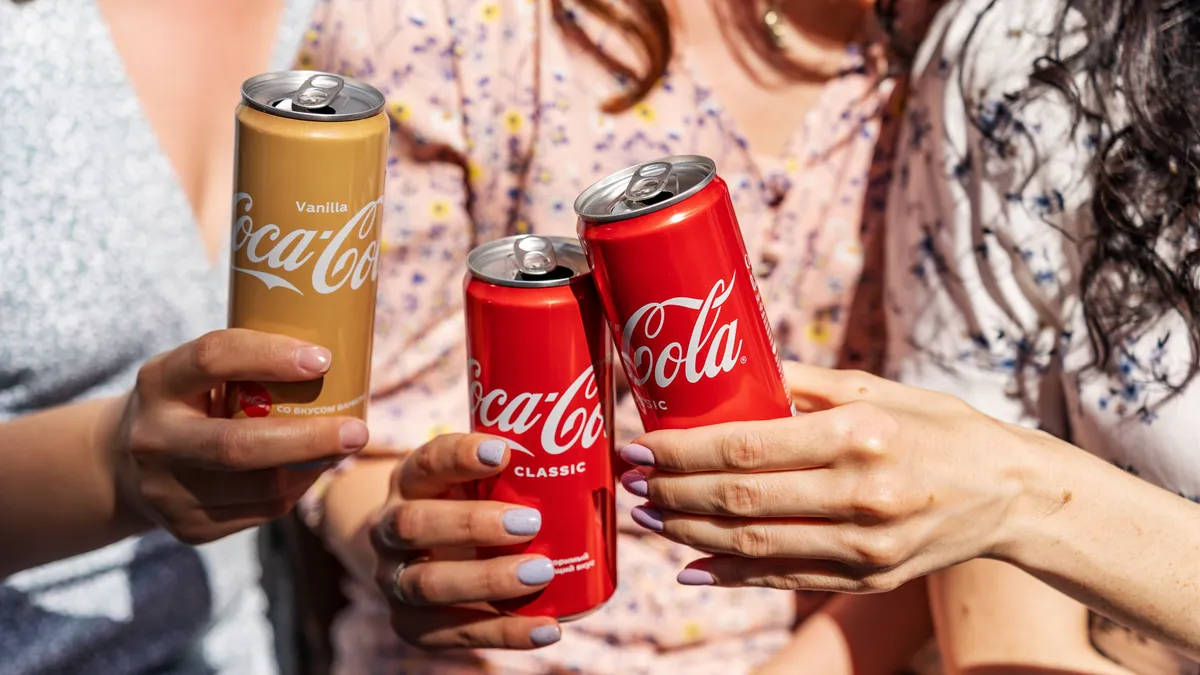
Gen Z has discovered a fresh method to halt a stressful situation temporarily—and no, it has nothing to do with nicotine. Here we present the 'fridge cigarette' craze, a ritual popularised on TikTok. It involves reaching into the fridge, taking out a cold Diet Coke (or any carbonated drink), breaking it open, and enjoying it with the same pleasure as a cigarette break. There are only bubbles and a fresh perspective—no nicotine or shame involved.
This summer, the fad exploded with Gen Z calling a Diet Coke a 'fridge cigarette', and nothing's been more true to me since." Others are concerned about the potential health and behavioural effects of this new comfort routine, while some users view it as a harmless coping strategy. So what is this new Gen Z wellness trend—and is it actually better?
What is the new fridge cigarette trend all about?
Envision yourself in the midst of a Zoom marathon or a deluge of unanswered emails, your mind pleading for a brief rest. A "fridge cigarette" is as simple as opening the fridge, retrieving a cold Diet Coke, cracking it open, and tasting the fizz. A "fridge cigarette" has evolved as a new ritual amid Zoom fatigue, never-ending deadlines, and life on fast-forward. This isn't a cigarette at all; it's just the crisp snap of opening a chilled Diet Coke from the fridge. Enjoy the refreshing ritual of popping without the guilt or smoke.

Young people of Generation Z on TikTok have transformed this effervescent period into a cultural wink—a smoking break that is completely artistic and has zero nicotine. This tongue-in-cheek break is Gen Z's latest passion; it's 50% self-care, 50% nostalgia, and 100% TikTok-viral. It's more than just a fad in the soft drink industry; it represents a cultural break from the hectic digital lifestyle.
Does ‘the fridge cigarette’ trend actually give a dopamine hit?
According to experts, the allure stems from the sensory experience, which includes the satisfying sound of the can's opening, the fizzing, and the pleasant flavour, which is comparable to smoking a cigarette. The event meets similar psychological needs for relaxation and exhilaration.
Although this trend avoids smoke, healthcare experts caution that Diet Coke still has its downsides. Calorie-free drinks sweetened with aspartame or another artificial sweetener may affect a person's dopamine levels and intestinal health over time. Research has mixed results, but it has linked diet sodas to metabolic problems, sugar cravings, and weight gain. Diet Coke should not be used as a regular emotional support, according to experts. Moderation is key. Many young people, especially those dealing with stress, burnout, or emotional tiredness, turn to the "fridge cigarette" craze as a way to cope emotionally. The term highlights a rising trend of relying on fast comfort behaviours to self-soothe, even though it sounds innocuous or hilarious. In a hectic or overstimulating setting, reaching for a cold, carbonated drink might provide a momentary feeling of pleasure, control, or distraction.
_1726371281300_thumb_300.jpeg?w=800&f=webp&t=54612d338d365e65)
Worryingly, this behaviour starts to supplant more long-term coping mechanisms like sleeping, talking, exercising, or expressing emotions. A vicious cycle may develop in which the brain links the occurrence of a certain ritual—in this case, drinking sugary or artificially sweetened beverages—with the alleviation of stress. Although it's not always bad when used moderately, it can make other stresses that are more pressing seem less severe.
What are the health tradeoffs of this trend?
- Acidic erosion: The phosphoric and citric acids in Diet Coke bring the pH down to about 2.7–3.0, which is just enough to erode enamel below the crucial 4.0 level. Research shows that drinking soda on a regular basis increases erosion and roughens enamel. While a single sip may be bearable, the healing power of saliva is overwhelmed by repeated use.
- The dangers of artificial sugar: Diet Coke uses artificial sweeteners such as aspartame and acesulfame K, even though it does not contain sugar. The World Health Organisation has recently classified aspartame as "possibly carcinogenic," and research has connected diet soda to an increased risk of cardiovascular disease, stroke, diabetes, and gastrointestinal problems.
- May cause dental issues: Diet Coke isn't without its share of dental and chemical issues, though it is a huge improvement over smoke. Damage to tooth enamel from its acidity is just one of the many health risks associated with aspartame and other artificial sweeteners, according to experts. These substances may also cause metabolic disturbances, stroke, and heart disease in the long run.
- Can cause gut issues: Bloating and intestinal problems are the results of carbonation, whereas nervousness, disturbed sleep, and moderate dehydration are the effects of caffeine. Rather than making cigarettes a daily habit, most experts say to treat them as infrequent reminders. Use a straw to sip water, and consider switching to non-sweet drinks and taking thoughtful breaks every so often.
The final verdict- are diet cokes really the better alternative?
Yes, "fridge cigarettes" provide a modern, healthier alternative to traditional smoke breaks for Generation Z. The hazards, however, are real, and they include things like exposure to artificial sweeteners, erosion of the enamel, weakening of the enamel, and caffeine side effects. Sipping aimlessly all day is much different from savoring the fizz and taking a pause.
_1714979543471_thumb_300.jpeg?w=800&f=webp&t=bfc732bd21c5168f)
In short, what is the conclusion? Take pleasure in the fizz and crackle, but do it on purpose. A relaxing routine can be a mindful fridge cigarette, which can be enjoyed with a quick sip of water, spread out throughout the day. However, you should frequently alternate it with water, tea, or gum to maintain your health. Ultimately, pausing won't hurt your grin (or your health).