






 Copy Link
Snapshots
Restaurateur Rakshay Dhariwal, who owns PCO, Jamun, Ping's Orient Cafe & SAZ under the Passcode Hospitality, points out two observations that were the flavour of the year in 2025: Extreme specialisation and smaller formats.
“This means if you are a South Indian cuisine joint, you can’t do just dosas, you have to offer a particular type of dosa, for instance. This will flow into 2026, in a larger way,” says Dhariwal.

At PCO Delhi, the Director's Room pours cocktails based on a patron’s personal preferences. “We present them a set of props to choose from. For example, a set of post travel cards – a preferred region, be it a beach, hill or river. The bartenders will take spirit and flavour preferences and customise a bespoke drink just for each patron,” he shares, giving an example of personal curation.
A trend he is not particularly happy with is skewed online storytelling. “Today, food presentation overpowers the vibe of a place. Social media has created a hazy hallucination of high standards. Narratives are getting convoluted with heavy influencing and people are believing it. Eventually, the false credibility will fall,” he points out.
With the nationalisation of regional cuisines, dishes are travelling out of their home state across the country. “You can now get a great sukka in Delhi, and north Indian mutton kebabs in Bangalore. Regional foods are finding acceptance in completely new locations,” says Dhariwal, adding, “What began with Chef Prateek Sadhu’s Naar has now slowly led to a rising offering of destination travels. “An experience at Samaa, a restaurant by Mharo Khet, a 40-acre farm on the outskirts of Jodhpur, has stayed with me,” he opines.
Destination dining on the rise
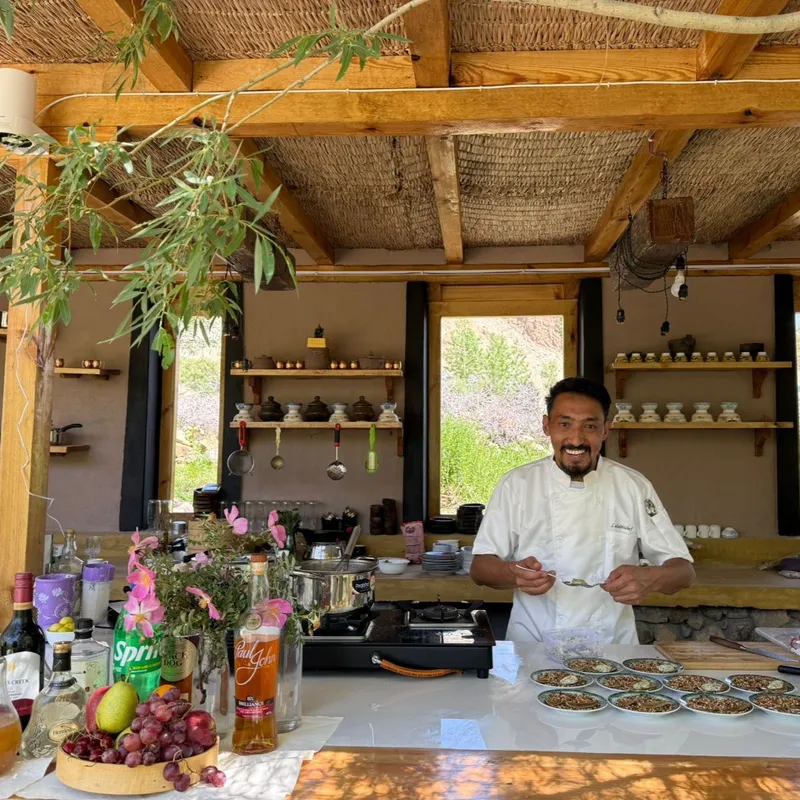
In Nubra Valley, Chef Jigmet Mingur, a 31-year-old monk-turned-chef, tills the farm, harvests seasonal produce and cooks fresh meals at his restaurant Tsam Khang. This June, Mingur moved back to Leh from Nubra for the want of experimental cooking. “Guest get to savour the taste and feel of a remote Ladakhi hometown in a nine-course meal. The menu changes every week depending on what’s growing in my garden – from turnips, mustard leaves, carrots and potatoes,” he says. On his menu, are foraged wild salad with dandelion leaves and wild mint leaves, gyumi (Ladakhi sausage) and even Chutagi (pasta soup) and khmabish bread.
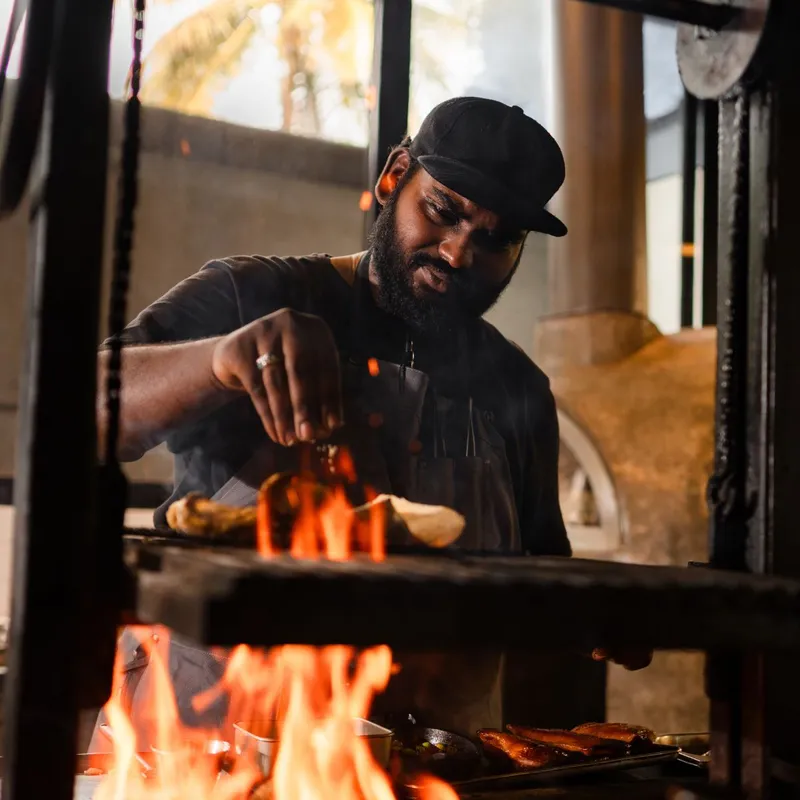
Down South, Farmlore in Bangalore, Karnataka, is giving visitors a similar experience of spending time on a farm. Owner Kaushik Raju has observed a rise in diners planning trips around meals, even months in advance. “There is a lot of exposure and curiosity in the average diner today. With rising disposable income people can afford and value such experiences. Social media is a great curator here,” says Raju who believes Indian restaurants are on par with Michelin standards at a fraction of the cost.
For the new-age diner a meal is more than what comes on the plate today, it’s about the story - how the place, the people and the food makes you feel. “On our farm, one can see crops, hydroponic pods and the occasional cows grazing as you walk up. Diners are well researched, and know what to expect from the moment they walk in,” says Raju.
Coffee on my mind
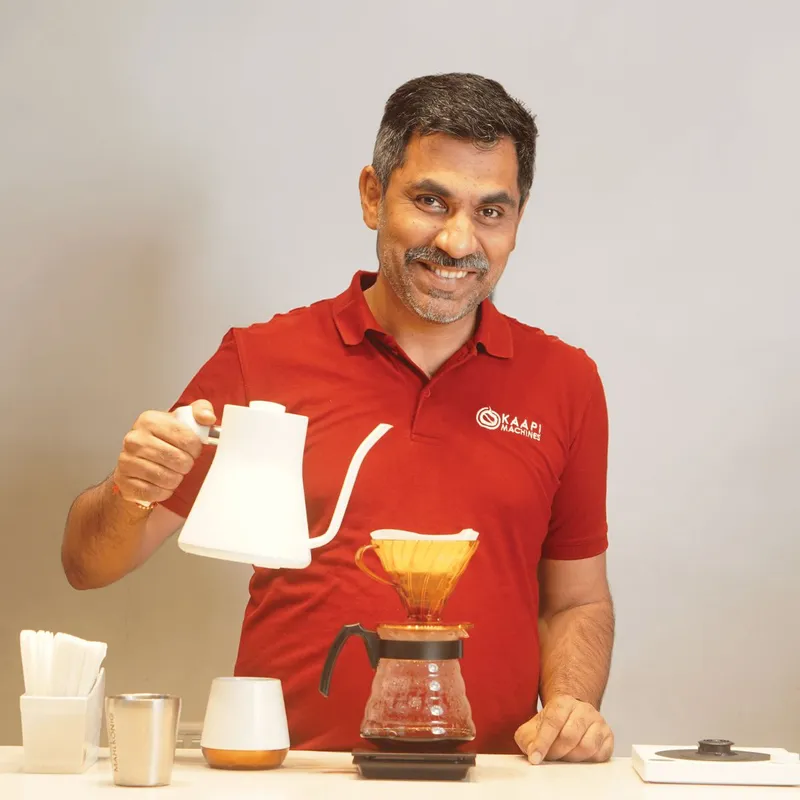
Home brewing has been picking up at a stead pace in the last few years. “To add to that, people who are giving up alcohol. Coffee steps in fills the void. Many people making room in their alcohol bar for coffee equipment and pours too,” says Abhinav Mathur, founder of Something’s Brewing and Kaapi Machines. People are shifting to manual brewing to extract a gentler, more robust flavour of coffee, compared to an espresso. “In these processes, coffee spends more time with water and unfurls more flavours, that can be consumed for a longer time,” Mathur explains.
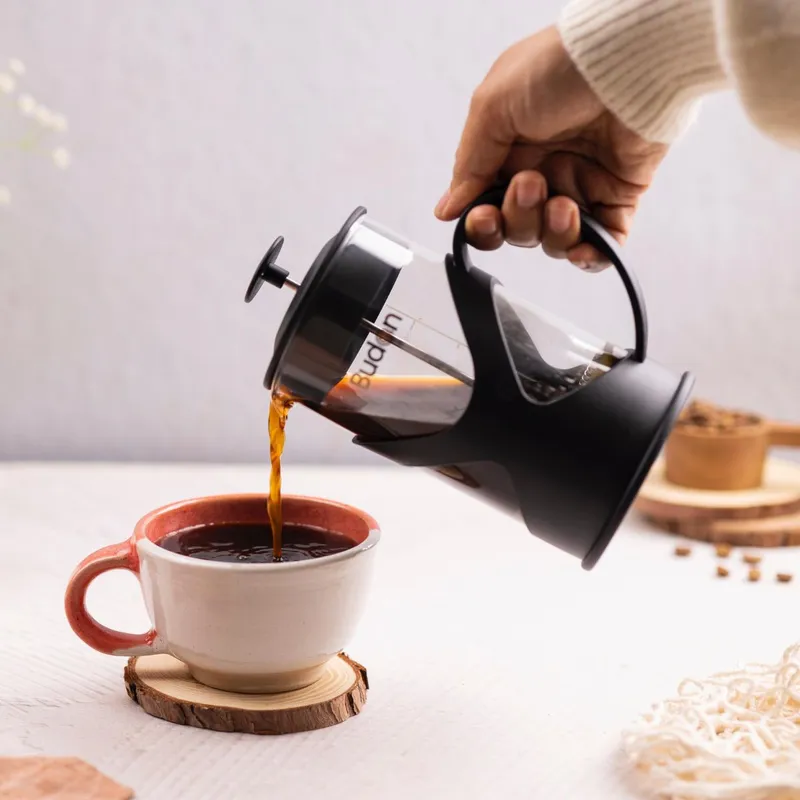
On the industry front, baristas like Suhas Dwarkanath, who aced the world championship at 15th spot, coffee is getting serious attention. “I am impressed with café owners and roasters encouraging their baristas to participate in national and international competitions. This is led to rise of Omakase experiences. Though an early morning coffee rave is a fad,” he quips. Matcha, on the other hand, is not scalable due to the shortage of its core ingredient, while boba has potential to expand, concludes Mathur.
Sip, swirl, savour
Will we ever get over our craze for Picante and Negronis? “Indians love a balanced combination of sweet, sour and spicy. That’s why the picante hits. It’s what we eat and drink on a daily basis,” Jeet Rana, co-founder of Barbet & Pals, says.
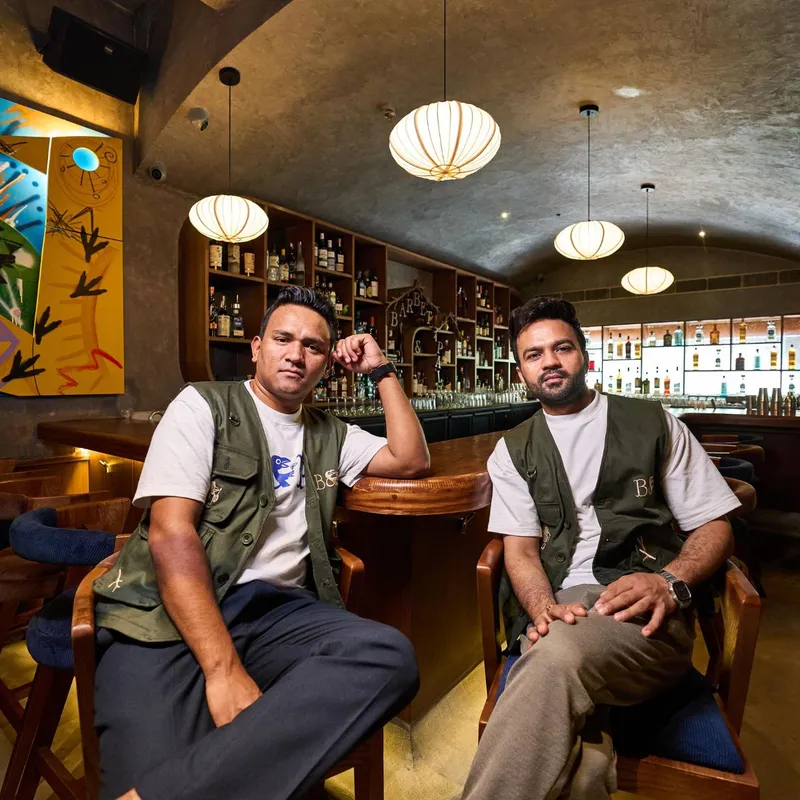
“What happened to regional cuisine a few years ago, is what the cocktails are experiencing now. There is a renewed focus on hyper-local ingredients and celebrating Indian diversity. Bartenders are taking on the challenge to look for the rare ingredients to add to their craft,” says Rana.
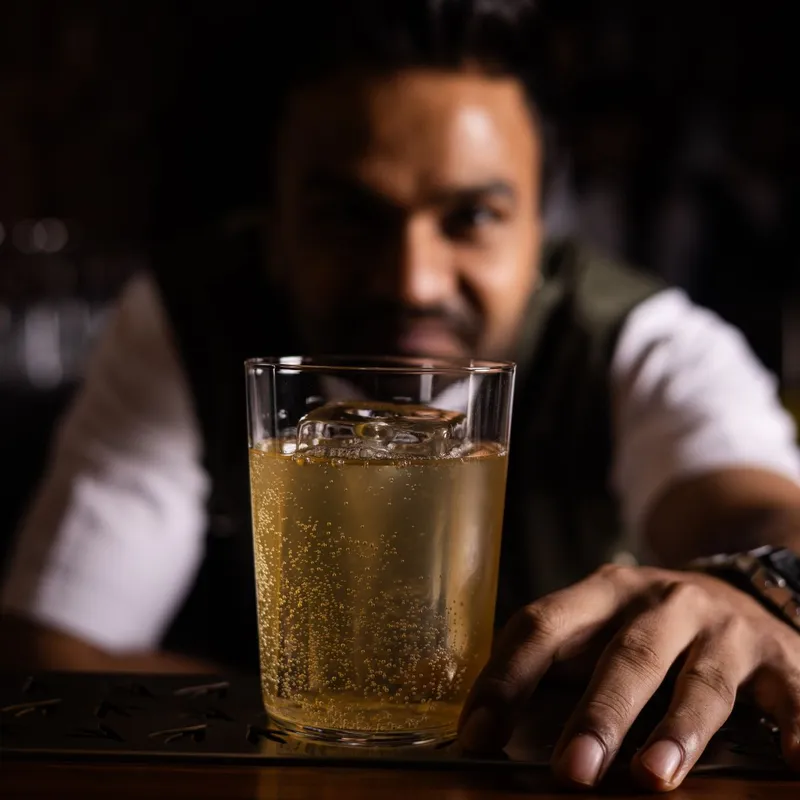
All the experiments are turning into complex cocktails. “But they need a sane approach. It’s okay to use multiple ingredients with attention on one core ingredient, as supporting flavours elevate the overall result. For example, one cocktail on our Bird’s Eye View menu makes gundryani root the hero,” says Rana. On spirits, he says vodka will take time to pick up again, but heritage drinks like mahua and feni are finding space. “That Indian bartenders are at least start respecting Indian craft or Indian categories, we are in the right direction,” he signs off.
Geek out over beer and mead
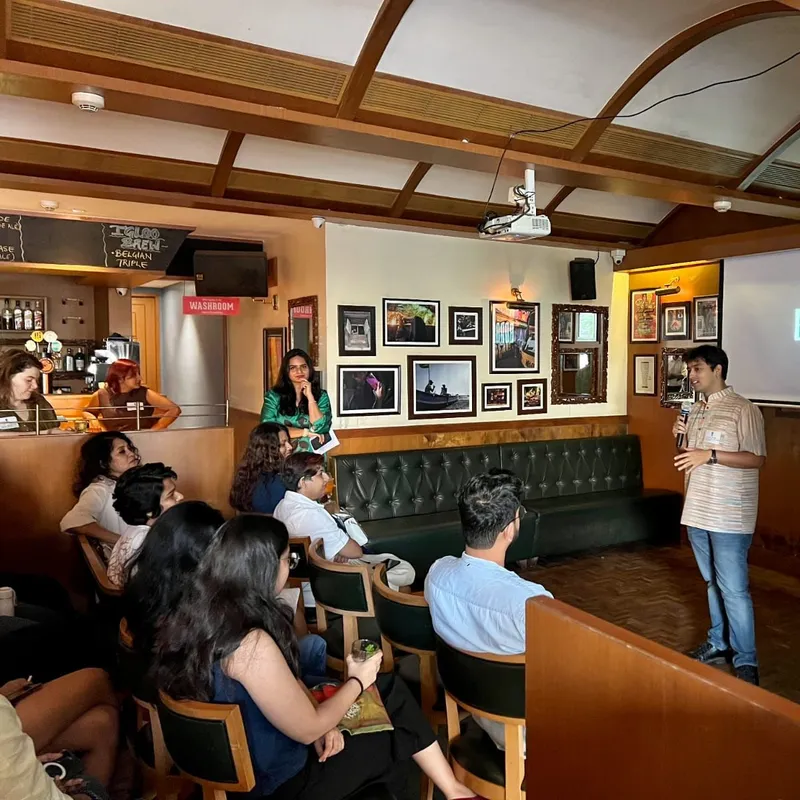
This year, the geeks took over pubs and bars to immerse in lectures and sessions that activated their intellectual minds. Diya Sengupta, co-curator of Pint of View, Mumbai chapter, tells us there was a need for a third space for intellectually stimulating conversations outside of classrooms. Bangalore-based founders Harsh Snehanshu and Shruti Shah took cue from NYC’s lectures on TAP and started lectures and bars in 10 cities, including Mumbai, Pune and Delhi. They collaborated with Moonshine meads as drink partner.
With Naresh Fernandes leading Taj Mahal Foxtrot -the story of Bombay's jazz age by Naresh Fernandes, Dr Suvodip Mukherjee, Assistant Professor of Astronomy & Astrophysics at TIFR, Mumbai, conducted a lecture titled Once Upon a Spacetime: The past, present and future of our cosmos,” says Sengupta.
Regional cuisine expands ‘food’ prints
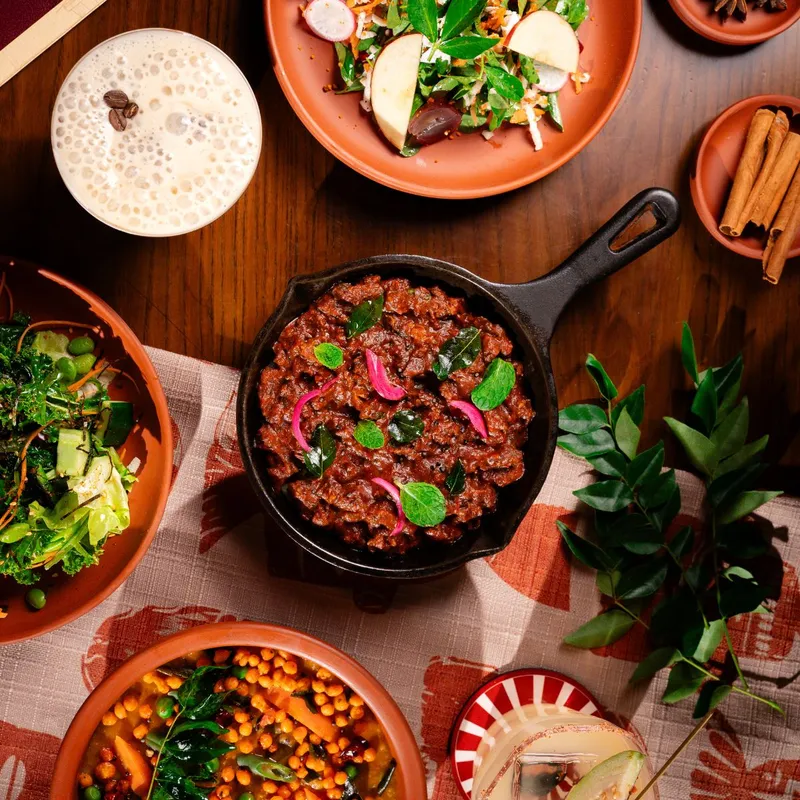
In 2026, we are not getting over our cravings for South Indian cuisine. “Today, there’s growing appreciation for Kerala’s coconut-rich gravies, Telangana’s bold spice profiles, and Tamil Nadu’s comforting rice dishes, along with dishes like Benne Dosas and Appams. People are seeking food that feels emotionally authentic rather than complex menus,” Ranjit Bindra, CEO of Bastian Hospitality that opened Ammakai in Mumbai, explains.
While Mumbai has grown up on dosas, sambhar, and filter coffee, diners are now seeking food that offers greater depth, regional character, and a stronger cultural connect. “In 2026, we’ll see a stronger focus on comfort-driven plates, rice-forward meals, seasonal vegetables, and home-style gravies. Dishes like the Mutton Khara Boti, the soulful Coastal Stew, and the family-style Ammakai Dosa reflect this approach,” says Bindra.
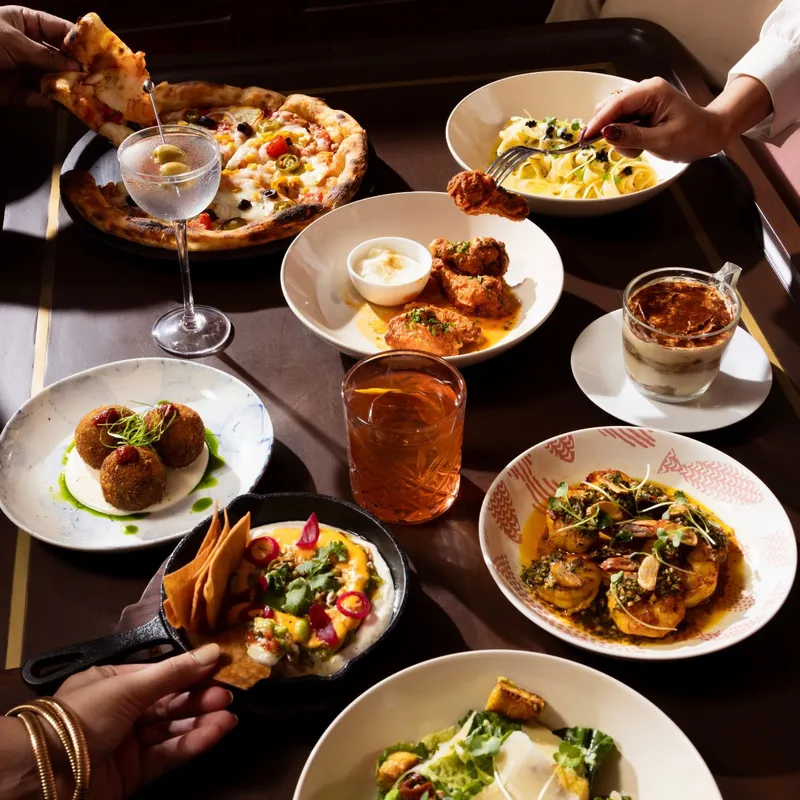
Even in the South, restaurateurs are reinventing the cuisine. Vignesh Ramachandran, chef-partner at Theta Theta Telugu in Hyderabad has positioned his restaurant as an evolution in how Telugu cuisine. “We want to show how familiar Telugu pairing can evolve by connecting with global formats - Thalimpu Mokka Jonna Custard, inspired by Hong Kong-style turnip cakes, and the Kodi Vepudu Seekh with Curry Leaf and Cashewnut Pachadi,” says Ramachandran.
It only gets better
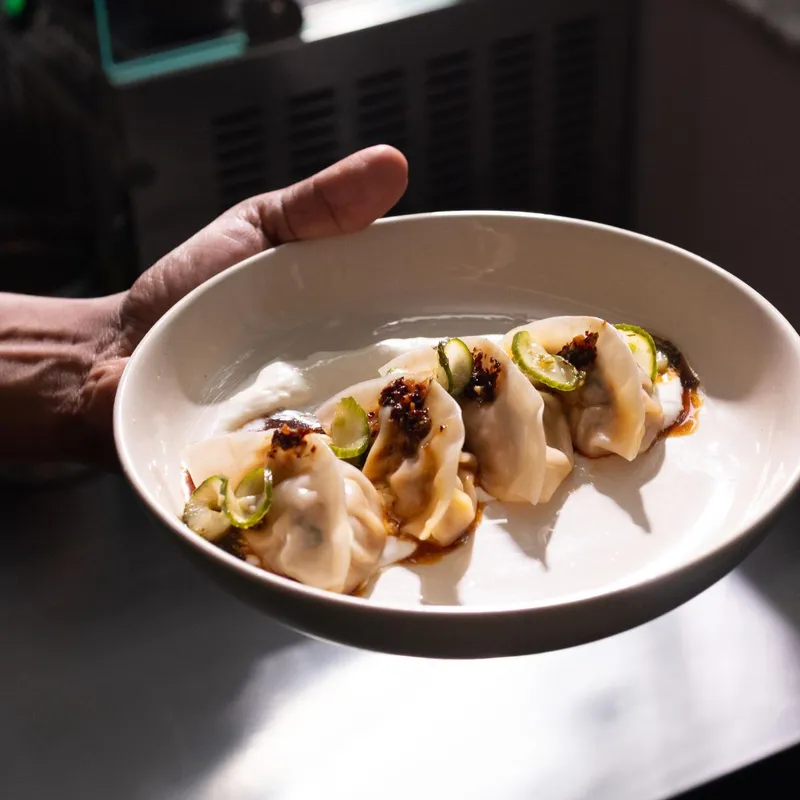
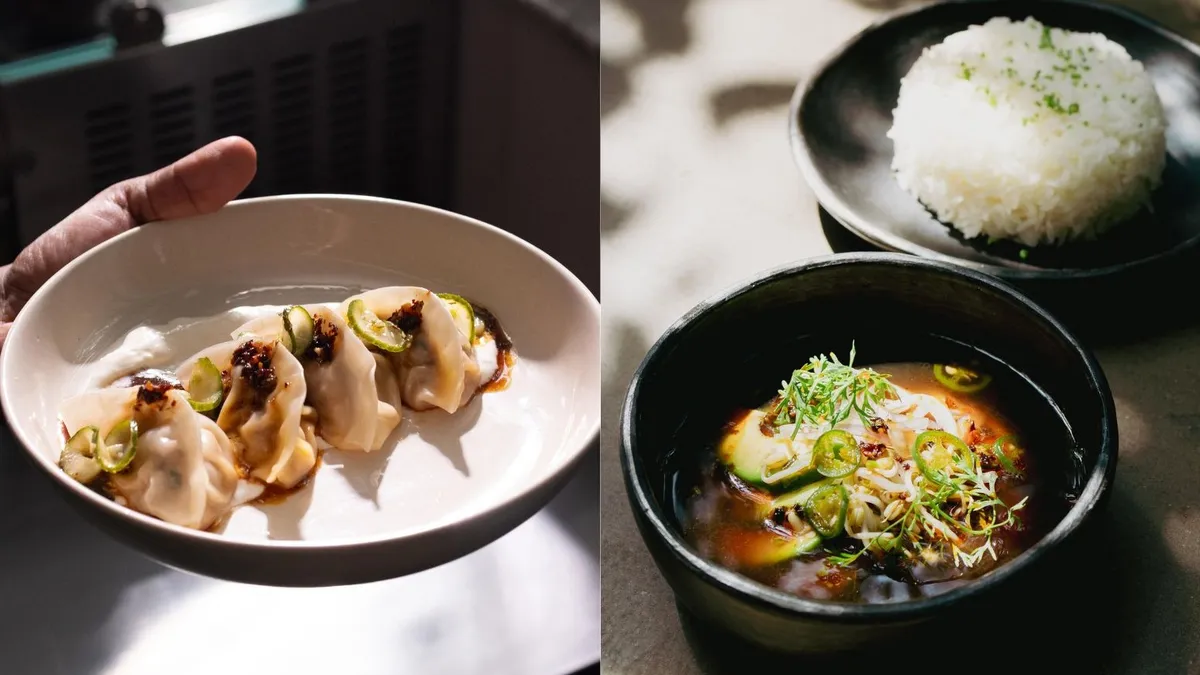
This concept of micro regional cuisines is finding solid representation through the cultural expression of chefs. “Today, if a menu or a dish is from North East, it zooms into a specific region in say Assam or Nagaland. Earlier, it was just East, South-West, North-East,” Chef Jyoti Singh of Café Lento and The Second House in Goa explains. On his café menu are Hangover dumplings and Chicken Soup from his wife’s village in Nagaland, while at The Second House, he presents a jackfruit quesadilla whose sauce is made from Naga chillies.
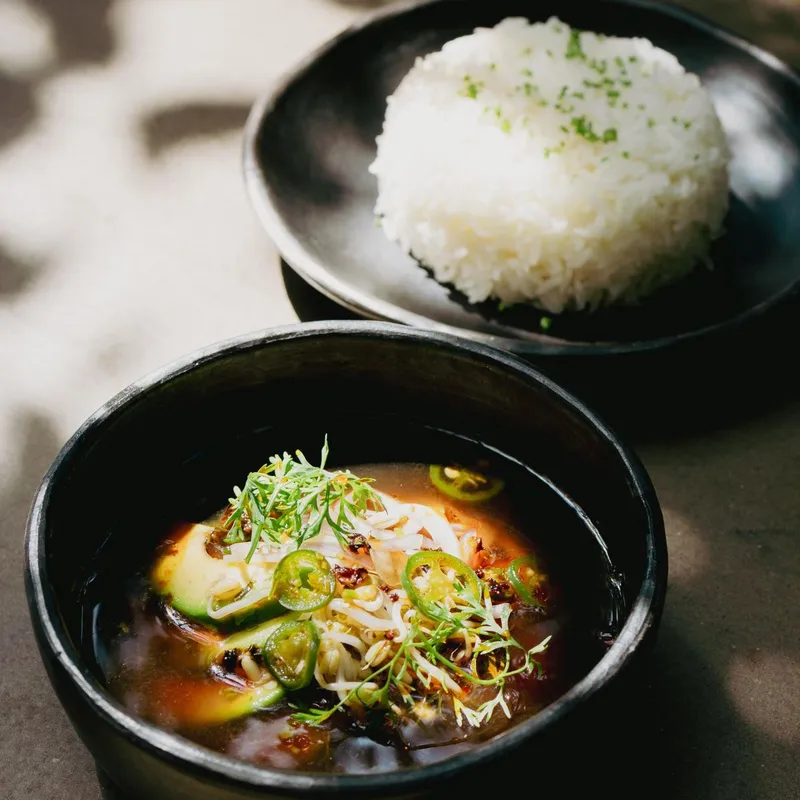
“More than cuisines, personalities are coming forward. People are cooking from all their mixed backgrounds or combining different cultures. Fusion doesn’t have a bad name anymore. It has matured,” he laughs.
“Remember, a fusion of past is the authentic of present. We didn’t have chillies and tomatoes in Indian cuisine 200 years ago. Someone had to use it. The way chefs create and express themselves has evolved. Restaurants will take personality of people who are behind,” Singh opines.