






 Copy Link
You often see a hulking slab of lamb, glistening with fat, lounging against a tousled mop of rocket leaves. Or a buttery fish fillet crowned with a wispy sprig of dill. Or a square of ravioli reclining in sage-flecked brown butter. And what do we do? We push the leaves aside. Arugula? Bitter fluff. Dill? Green confetti. Sage? A leathery leaf. But peel back that lazy assumption and you’ll find that arugula, sage, dill, and their green comrades are far from mere decoration.
We asked some chefs who actually know what they’re doing, and it turns out those herbs and greens are doing far more than the art of plating. When you leave those leaves behind, you’re missing the final act, the thing that ties it all together. So they’re the seasoning’s last word.
“We often talk about main ingredients as the star of the dish but what’s equally powerful is what’s supporting it,” says Chef Manuel Olveira of La Loca Maria and La Panthera. “Arugula, for instance, isn’t there to fill space. In our Charred Octopus, the bitterness and pepperiness of the fresh arugula does a lot of heavy lifting. It slices through the char and smoke of the octopus and balances the tartness of our slow-cooked tomato chutney. Without it, the dish can feel one-note. With it, it sings in harmony.”
This thoughtful layering of flavour is deeply rooted in European cooking traditions, where herbs are never afterthoughts. “Sage, bay leaves, thyme, rosemary, chives, parsley, each one plays a very specific role. They’re not just thrown in for aroma or colour. We use them to build and shape sauces, to finish just, to draw out subtleties in proteins or vegetables. Think of rosemary with lamb or chives folded into a beurre blanc.”
At La Panthera & La Loca Maria, “We treat herbs and greens as structural elements. The final seasoning isn’t just salt, it’s often herbs that complete the flavour profile.”
Chef Manuel wants diners to know those herbs and leaves aren’t there as decoration. “They’re like the squeeze of lime on your taco or the jalapeno in your picante; they bring everything together. So next time you see a few leaves on your plate, don’t push them aside. That’s where the chef’s final touch lives.”
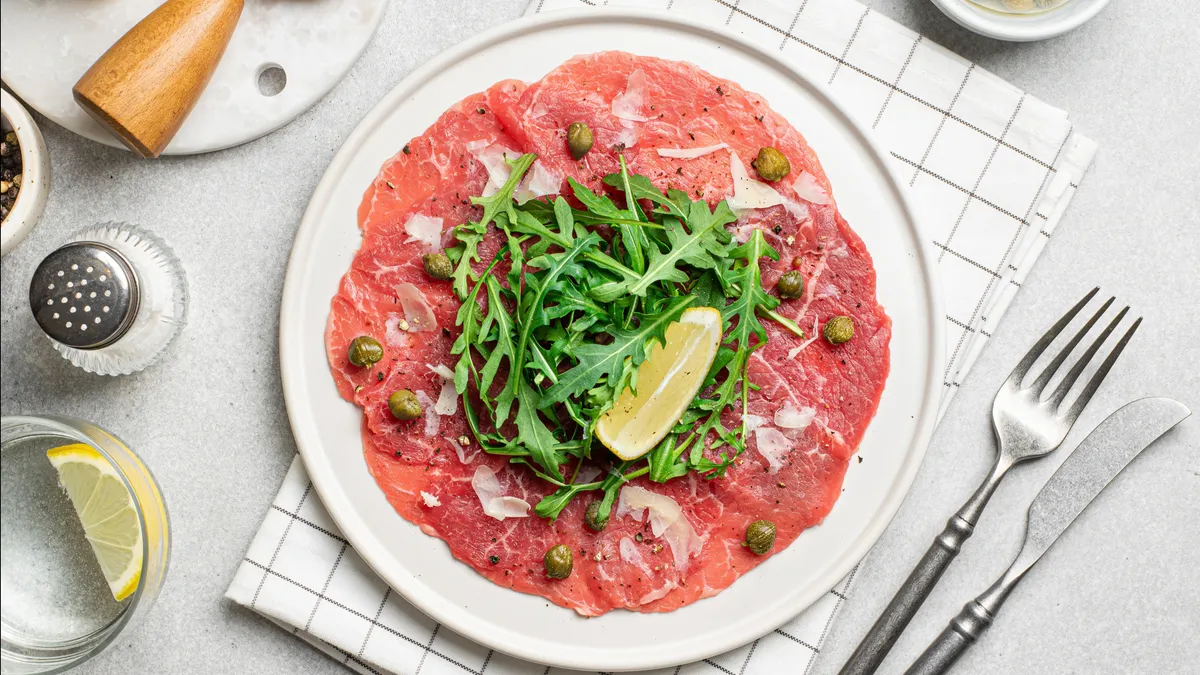
For chef Jyoti Singh of The Second House, Goa, Arugula is more than just a garnish in their Beef 'Melt’ Carpaccio. He explains, “It’s far beyond visual appeal, it's an essential part of the dish's balance and overall sensory impact. The beef itself, though lean, is deeply flavourful due to our in-house curing and aging process, which concentrates its umami depth. This richness is complemented by a touch of crème fraîche, which adds creaminess and a subtle tang. However, without contrast, these rich elements could quickly become overwhelming. That’s where arugula comes in. Its natural pepperiness acts as a palate-brightening counterpoint to the beef and crème fraîche.”
In fact, to ensure guests don’t leave the rocket leaves behind, they make it a point to train the servers to gently encourage guests to eat the Arugula. Whether you eat it together with the beef, alternate between bites, or find your own balance just make sure it’s part of the experience. It’s there to make each bite better.
Chef Ambar Rode of Nanna’s Negroni, Pune, picks herbs very carefully as without the herbs, the dishes don’t feel complete. He believes, “Diners who leave them on the side are missing out on the best version of the dish. Take the classic tomato burrata salad. The burrata is soft and creamy, the tomatoes are juicy and slightly sour, the dressing has a citrusy kick. But it’s the wild rocket that brings in a peppery bite and ties it all together. Without it, the salad feels too soft and sweet, it needs that sharpness to feel complete. That small leaf or sprig is actually meant to be eaten. It adds a pop of taste, a bit of freshness, or a little crunch. It can change how the whole dish feels in your mouth.”
%20(1)_1754905249912.jpg?w=800&f=webp&t=7c25f04bb19d106f)
Arugula, for Chef Sarita Pereira who runs Lovefools, Mumbai, is one of the tastiest leaves. She recalls, “My first memory of it was in a salad mixed with falafel that I had in Dubai. My friend told me the leaf was so peppery and flavourful that you didn’t even need dressing. From that moment, I was hooked. The leaf is so versatile and accommodating that it blends with any dressing, taking on the character of that cuisine as if it never belonged anywhere else. Arugula will always top my list.”
Dill, for Pereira, is like saunf and makes any dish feel fresh. “It’s not only delicious but also an extremely pretty-looking leaf. Because I love flowers, I’m drawn to its beauty first, and when paired with garlic, its flavour is amplified,” she adds. And she calls Sage, the king of herbs, “Like truffle, it leaves a strong impression. Before truffles were celebrated, sage ruled. All you need is sage and a little garlic, and your job is done.”
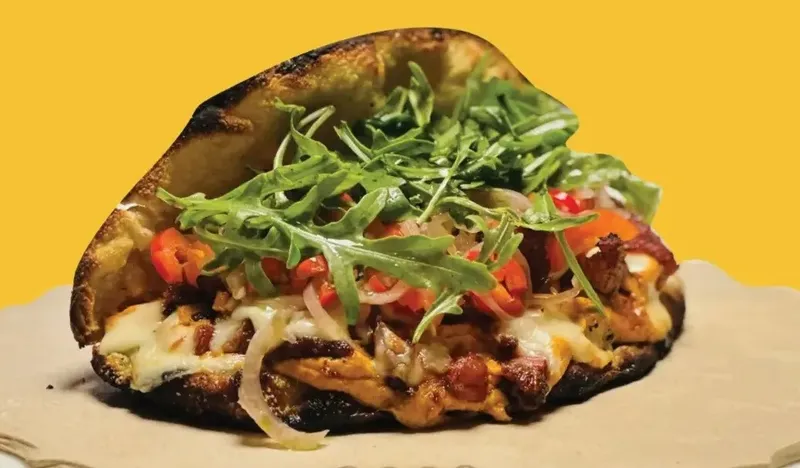
For instance, their arugula-pesto pizza with fresh burrata. Burrata on its own is wonderfully creamy and rich, and the pesto adds a beautiful basil note. But it’s the arugula that cuts through all that richness and brings a sharpness that ties everything together. If you pick the arugula off, you miss out on that perfect balance. Pereira explains, “In our Avo Arugula Salad, the raspberry-goat-cheese dressing might sound like the star, but it’s really the arugula that becomes even tastier because of that dressing. The arugula’s bite is what brings everything together and gives the dish its unique character.”
Chef Vanshika Bhatia, Owner, Petite Pie Shop believes, the idea is that first and foremost, herb is flavour. She shares, “Sometimes herb is used in the form of an oil infusion, or sometimes directly garnished. Most times, these additions are intentional and can take a dish from great but missing something, to perfect.” Additionally, they can often be used as salad and are often a great source of fiber in a meal. “They have digestive properties that certain meat dishes heavily rely on. So, these leaves are on the plate intentionally. They serve a purpose. A tomato sauce pasta is incomplete without some basil thrown in. Eat it with the pasta, or eat it at the end, it is still going to add that freshness and earthiness to the dish. Another example that I would like to add here is that a simple masala omelette without coriander would just be missing that essential flavour.”
Every dish at Petite Pie Shop includes herbs in some form or the other. Whether it be thyme thrown in with butter to saute the mushrooms that go in the Signature Mushroom Pie, or the mixed salad, made up entirely of 10 different herbs and leaves that is tossed with dressing and is served along every dish.
Chef Sarfaraz Ahmed, Tresind Mumbai, believes, “Leaving rocket leaves out can mean missing out on part of the intended experience as they select specific herbs to complement the flavours of the other ingredients. Peppery notes of arugula cut through the richness, sage has got earthy flavour which goes well with richness and smoothness of butter, dill has very fresh and herbaceous notes which balances the richness of seafood Not just that, leafy greens are rich in fiber, which can promote healthy digestion.”