






 Copy Link
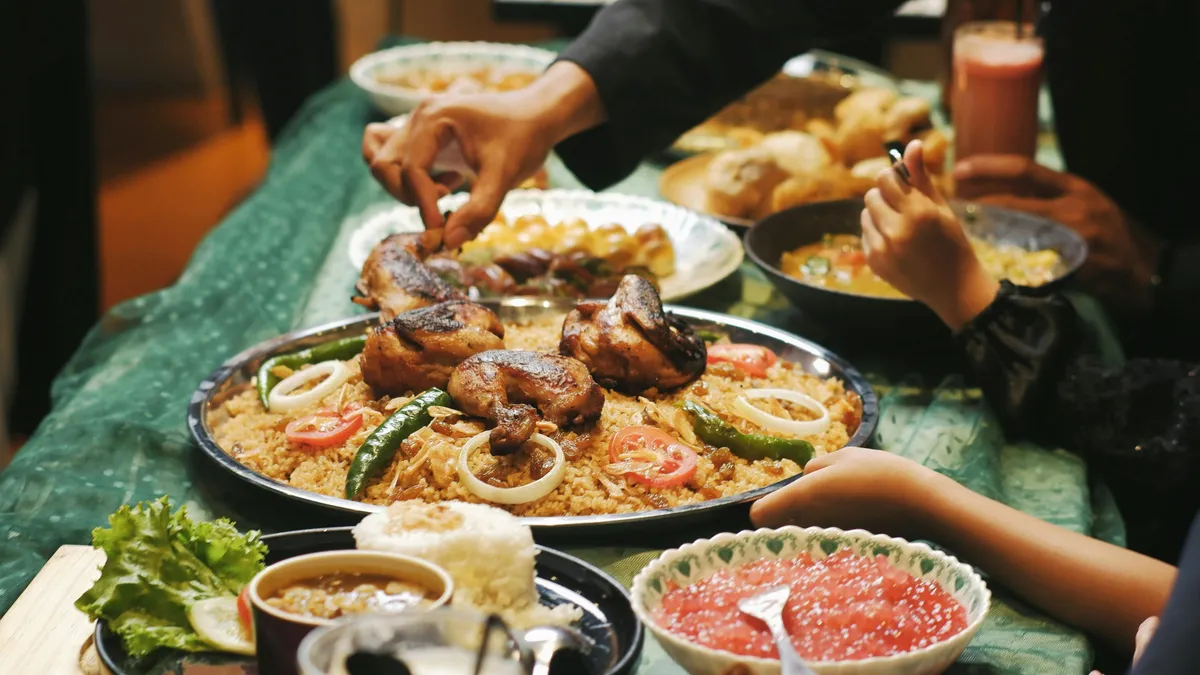
Ramadan is that special time of the year that is all about peace, faith, and togetherness. The days begin before sunrise with sehri and end at sunset with iftar, when families gather to share food and prayers. The meals are simple yet meaningful, filled with flavours that many wait for all year.
As Eid approaches, kitchens come alive with activity, and favourite dishes are prepared with care and love. Food is not just about taste during this time — it carries memories of childhood, family, and tradition.
To celebrate this spirit, we spoke to some of the country’s leading chefs about their earliest Ramadan memories and the dishes they still hold close to their hearts. From sweet treats to savoury favourites, each story reflects how deeply food and family are connected during this blessed month.
Asma Khan, Author & Owner, Darjeeling Express, London
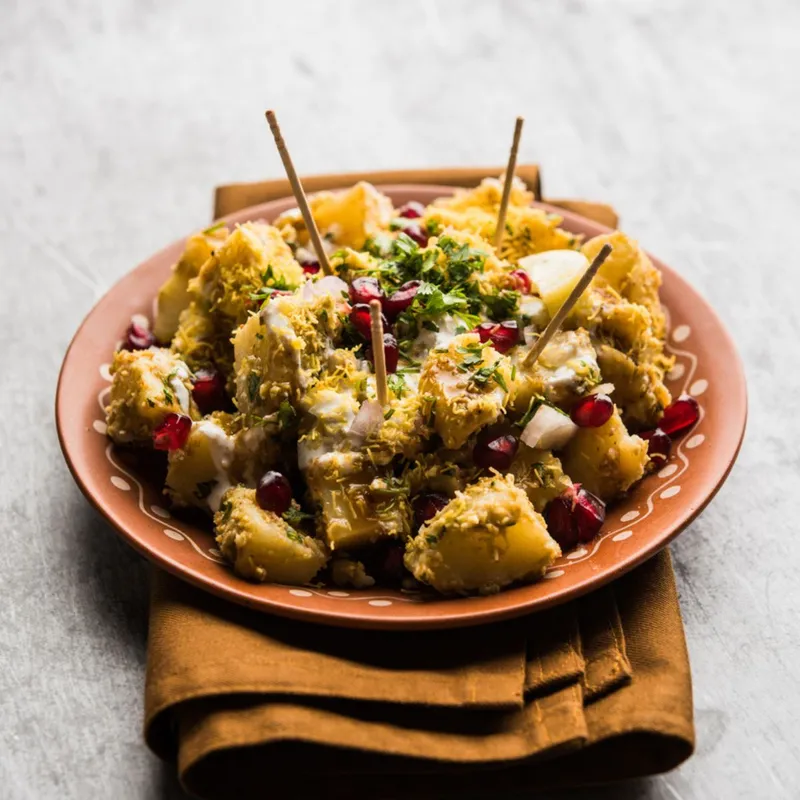
My most nostalgic Ramzan memory is the guava chaat my mother would make each year — a dish reserved only for the month. Even now, three decades after moving to England, I ask her to prepare it whenever I return home. One bite takes me straight back to breaking fast around our large, round dining table on Bright Street in Calcutta.
We called it Kachalu; others know it as Amrood ki Chaat, and in Hyderabad, it’s often referred to as Jam ka Kachalu. Ripe guavas are sliced thin and gently marinated in lime juice, sugar, kala namak, and a whisper of chilli powder. It’s simple, sharp, sweet and salty all at once — a taste of home that lingers far beyond Ramzan.
Rana Safvi, Author & Historian
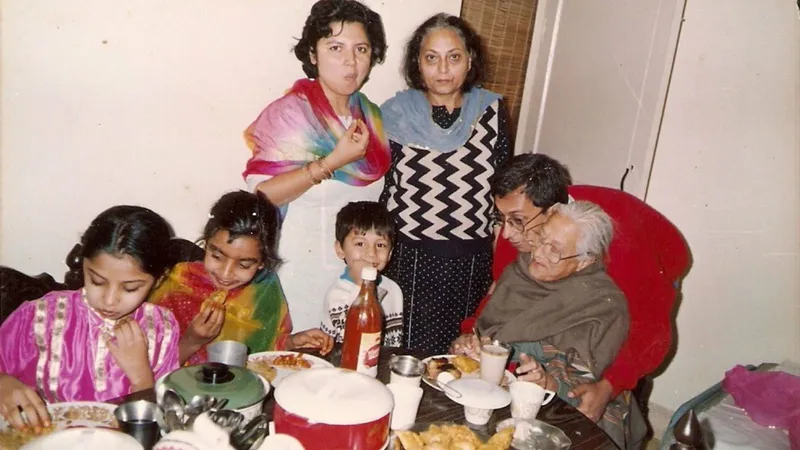
Ramzan, in childhood, carried a quiet, unmistakable magic. The hours before dawn felt suspended in stillness. Sehri meant being gently woken while the neighbourhood slept, padding to the table half-dreaming, the kitchen lit softly against the dark. A warm bowl of gajrela waited, followed by eggs with toast or a flaky paratha. We ate slowly, letting the warmth settle, aware that, somewhere across the world, others we loved were waking to the same ritual.
By late afternoon, the house shifted into anticipation. Plates clinked, chana chaat was brightened with lemon and spice, and fruit chaat glistened at the centre of the dastarkhwan. The air felt fuller, yet patient. Then the azaan would rise, a brief hush falling over everything. A dua was whispered, and that first bite tasted not simply of food, but of gratitude, togetherness, and a day gently completed.
Sadaf Hussain, Chef & Author
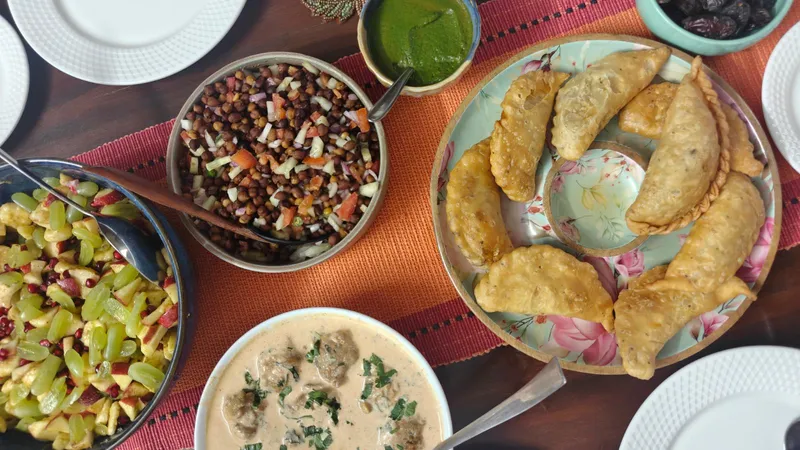
Ramzan, for me, has never been just about what’s laid out on the table; it has always been about the rhythm of the house. Growing up, the month carried its own tempo. By three or four in the afternoon, preparations would quietly begin. Ammi would call me into the kitchen to help — stirring glasses of Rooh Afza sharbat, spooning spiced keema into samosa pattis, or carefully setting the table before sunset. It was a slow, deliberate build-up to iftar, unfolding with both anticipation and restraint.
My fondest memories are of hovering near the kitchen, waiting to grab a keema samosa or sneak a bite of dessert. Yet what stays with me most is that no matter how busy the day had been, everyone gathered to break the fast together.
Some evenings, there were phulkis, pakoras, and chole. On others, leftover rotis were transformed — rolled into laddus or simmered gently in milk. Ramzan meals were never about extravagance. They were about belonging, memory, and the shared, sacred silence just before the maghrib azaan.
Manzilat Fatema, Owner, Manzilat & great-great-granddaughter of Nawab Wajid Ali Shah.
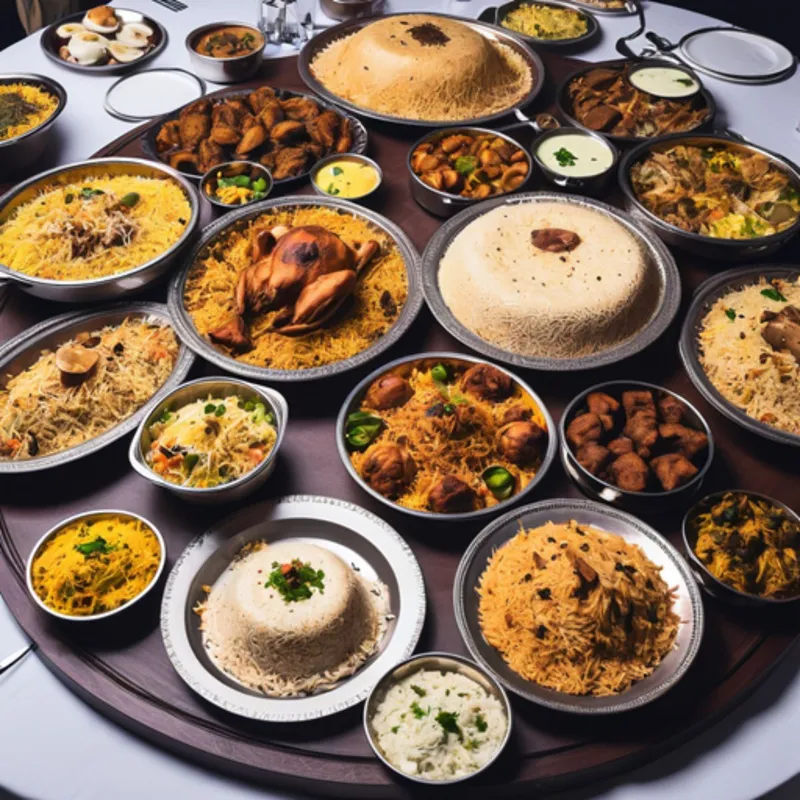
Ramzan is synonymous with nostalgia, much like every festive season, but its memories feel especially intimate. Certain dishes were reserved exclusively for the month and, even today, remain part of the iftaar table. What made it truly special, though, was how the entire family came together to prepare the iftaari — children included.
I remember sitting around the table as a young child, proudly entrusted with small but important tasks. We peeled and sliced boiled potatoes, washed apples, oranges, and grapes, and carefully arranged them on plates. Anything involving the stove was off-limits, but we helped assemble guava kachaalu, banana kachaalu, and boiled potato kachaalu. Making Rooh Afza, laying out the dastarkhwan, setting down bowls, plates, and spoons — each task felt ceremonial.
As I grew older, I graduated to preparing black chana. It was my favourite — spicy, tangy, simple to make, and always garnished with neat cubes of cucumber.
Children were deliberately involved in Iftaari preparations — to support Amma, to understand effort, and to learn the quiet responsibility of bringing a family together.
Chef Ishtiyaque Qureshi, Owner, Kakori House & son of Imtiaz Qureshi
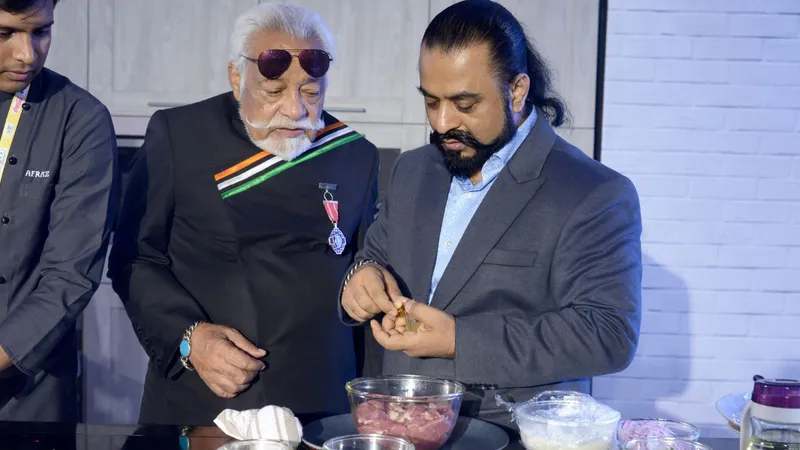
Ramzan was always the month when, no matter how busy life became, everyone tried to gather at least for sehri and iftar. My father, Imtiaz Qureshi, had a very demanding schedule, yet he made it a point to be present in the evenings. If he was cooking at home, he wasn’t just preparing a meal — he was running a kitchen, and I was proudly his companion.
When I moved from Lucknow to Delhi, I saw the same dedication in my mother despite her hectic routine. Everything was made at home — phulki, gulgule, kachalu of guava and banana with pepper and sugar. In mosques, large batches of phulki, pakawani, dahi bhalla, urad and moong dal were prepared, creating a beautiful community atmosphere.
At home, Sehri was light — parathas with malai and plenty of fruit. Iftar, however, was pretty much indulgent: spinach fritters, mint fritters, baigan ki phulki, chane, and always Kakori kebabs. Later came Margori — a chicken version of Kakori I created during COVID. There was Nabeez, a nourishing drink of almonds, sesame, and dates. Biryani, kheer, phirni was just inevitable, but our chaat was different as it had mahua saunth that completed the spread. Tradition mattered; even kulchas over bread sparked debate. The names were grand, but the real work, lovingly, was ours.
Shabana Salauddin, Founder, Ammeez Kitchen
_1772435300639.jpg?w=800&f=webp&t=bdce4280f63eff30)
As children, Ramzan meant a deeply pious atmosphere at home — no television, no radio — just the rhythm of timely namaz and the gentle, continuous tilawat of the Quran.
There were decorations, flowers, soft lights, and the daily excitement of discovering what Ammee would prepare for iftaar. Each evening felt new. We especially awaited the grand iftaar that our Dadi cooked herself entirely. Friends would often join us, and faith never mattered — they were simply part of our family.
As Maghrib (sunset) approached, the kitchen grew chaotic. I still remember the brass stove, a large iron kadhai shimmering with hot oil, samosas and bhajiyas frying before being laid on newspapers to drain. Kababs, naan, jellies, chana batata, sandan, pelve, malpua, sharbat, a vibrant thal of fruits, and a separate plate of Maskati khajoor filled the dastarkhwan like a royal feast. At the azaan, Ammee recited a dua we repeated before taking our first bite of date. Completing one roza felt like a triumph. And on Eid, we proudly announced how many we had kept — hoping for extra eidi.
Today, the scale may be simpler, but the essence remains: parched throats, tired eyes, and hearts full as we await the azaan together.