






 Copy Link
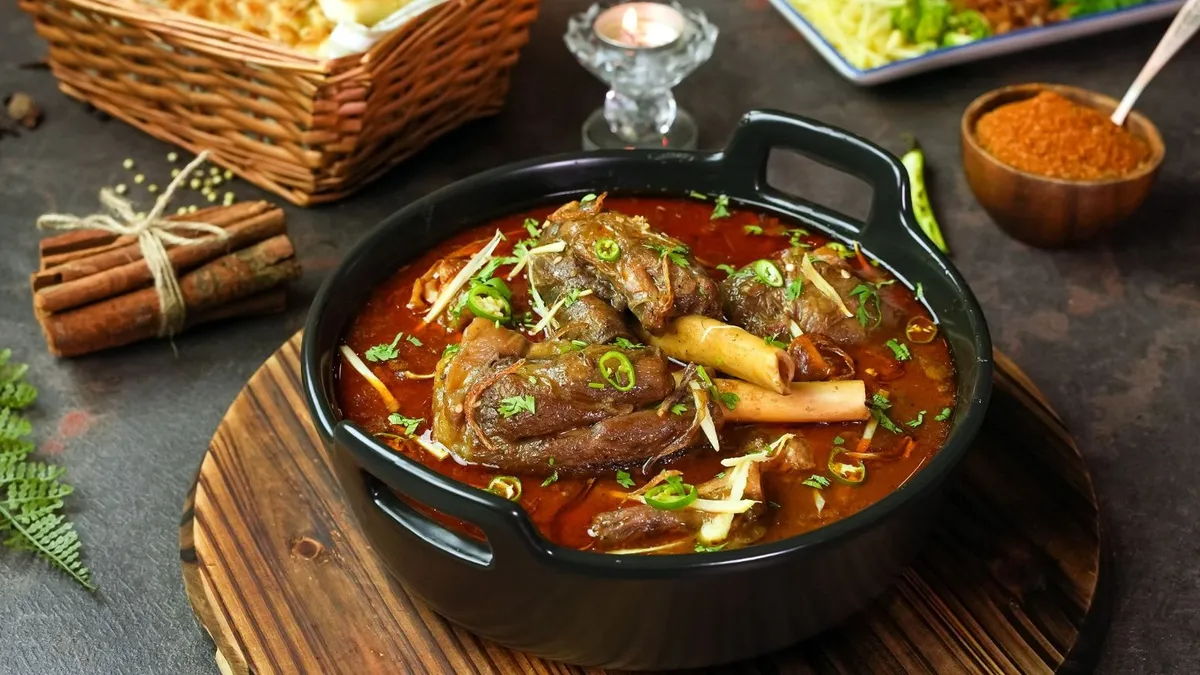
Imagine a perfectly chilly winter morning in Kolkata, the fog still blurring your vision as you wrap yourself in shawls, and with quiet hunger, head to some of the city’s most iconic spots for a hot piping plate of Nihari with khameeri roti. In winter, Kolkata belongs to Nihari, Paya Soup, Dal Gosht and more. Before the sun is fully up, queues form outside legendary kitchens where cauldrons of meat have simmered through the night. Souvik Bhattacharya, an IT professional by day and avid food blogger by night, says, “Kolkata’s winter Nihari isn’t about rushing. It’s about surrendering to warmth, patience, and flavour, one spoonful at a time. This isn’t just breakfast; it’s a ritual. At Sufiya, the Nihari is soulful and old-school, thick with collagen and history. Zeeshan offers its own loyal following, where tender meat melts into a deeply spiced broth that feels both indulgent and comforting. Paired with khameeri roti or flaky paratha, this breakfast is unapologetically slow, heavy, and perfect.”
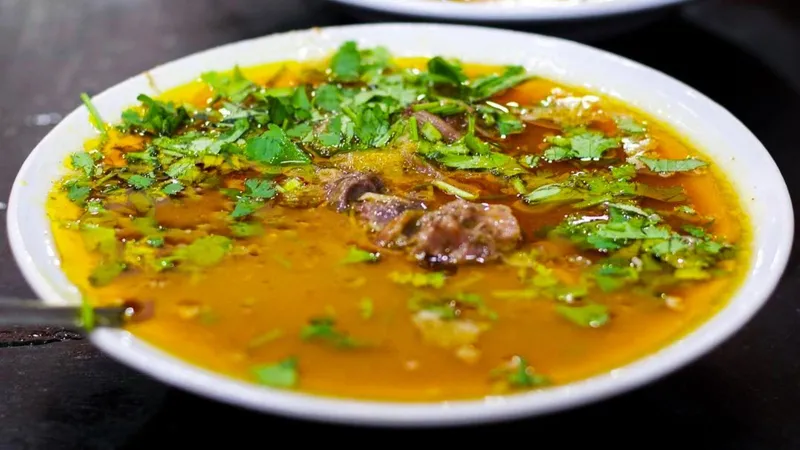
This rich and spicy dish, Nihari (Nihar means morning, hence the dish is eaten mostly in the morning), once happened to be a working-class staple, eaten early morning for strength and warmth, and its slow-cooked bones, spices, and collagen are believed to aid digestion and sustain labourers through long days of physical hard work. Not many know that as the dish evolved, a more refined version entered royal kitchens. Nihari was prescribed by hakims as a therapeutic food for cold and cough, with royal rakabdars enriching it with turmeric and fenugreek as preventive medicine. Consumed on an empty stomach, it was believed to provide lasting energy, sustaining one’s strength and focus until the afternoon meal.
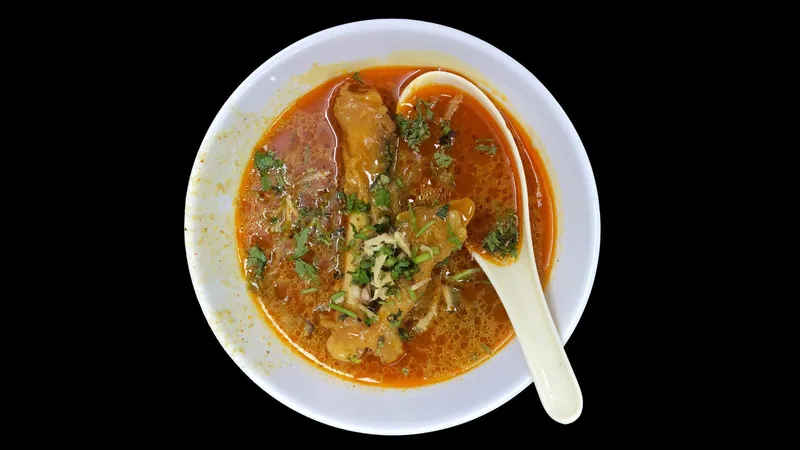
While we all crave a good bowl but it’s only the masters who make sure that they deliver one that is always flawless, and holding to this theory, Mohammad Zubair Zaman of Jadid Islamia Hotel at is a historic Colootola, near Zakaria Street states, “For an authentic nihari, the quality of meat is crucial. We use Kareli (tender, marrow-rich mutton shank pieces) as its richness and natural juices define the depth, body, and true character of the dish.”
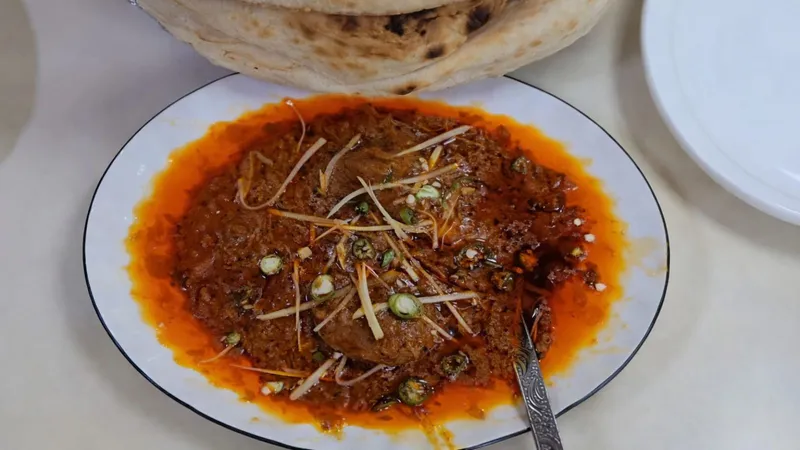
In today’s time too, this humble dish gives that same warmth as and Kaniska Chakraborty absolutely agrees, adding “Methinks this dish was the perfect respite from the cold that and as a result it drew people to the comforting warmth of spicy broths — along with, of course, our enduring love for carbs, whether in the form of dalpuri or soft rotis. Though the city swears by plenty of places that serve nihari today, Sufiya is much talked about, as are several iconic spots in and around Zakaria Street and central Kolkata. More recently, even a small, viral biryani joint in South Kolkata has entered the conversation, dishing out some surprisingly gnarly nihari of its own — proof that this winter ritual continues to evolve while keeping its soul intact.”
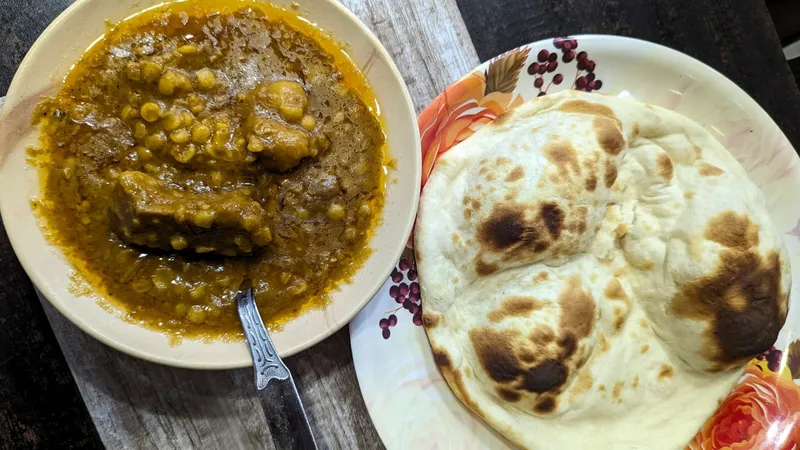
These hot piping plates have been responsible for bringing Kolkata’s winter food culture to life, with street scenes bringing me back those vivid memories of the winter of 2024, when I walked into Zeeshan at Park Circus for the first time—strange, considering I love wandering the city and discovering every hole-in-the-wall eatery. Stepping inside, the aroma of hot khameeri rotis puffing in the tandoor wrapped around me, while Kabuliwalas sat nearby, dipping torn bread into bowls of dal gosht—a scene etched permanently in my mind. Yes, Kabuliwalas still visit the city, mostly during winter. Unable to resist the hunger and craving, I ordered dal gosht and roti. To this day, I haven’t tasted meat that fell so effortlessly off the bone, or a dal gravy so deeply spiced and soulful, that could rival Zeeshan’s.
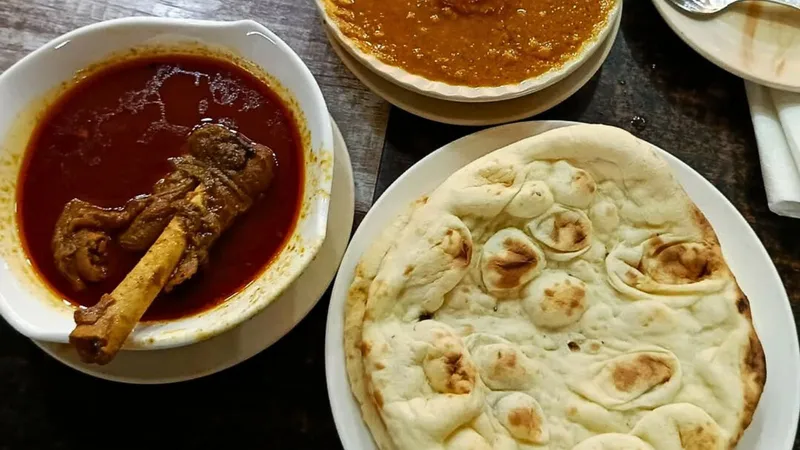
Talking Mughlai favourite Chakraborty shares, “For folks like me, constantly juggling the so-called 'work life,' indulgence becomes a calculated pleasure. Weekends are the obvious choice, but I often give in on chilly evenings instead, turning nihari or dal gosht into a comforting soup-and-bread dinner. It feels indulgent yet justified, warming, filling, and deeply satisfying after a long day. After all, when winter offers its very best, ignoring it would almost feel like a missed opportunity.”
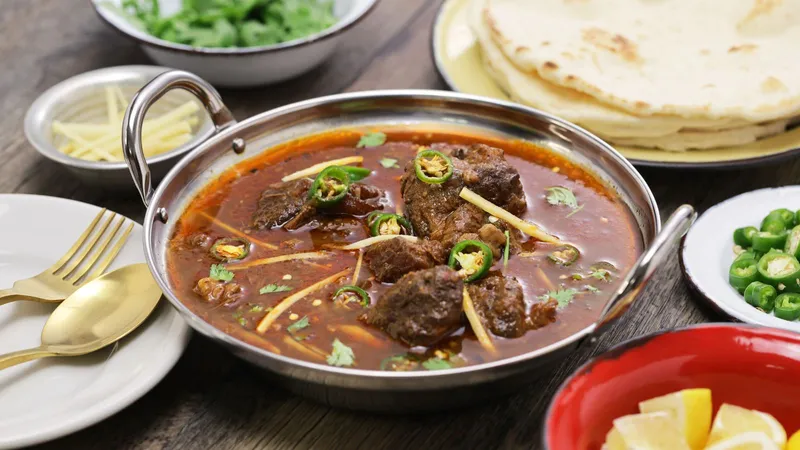
While most city dwellers swear by a few of the common names for their Mughlai staple, we can’t ignore the iconic Sufia restaurant at the famous Zakaria Street. “Hailing from Uttar Pradesh’s Barabanki district, our cuisine carries deep Mughal influences. I have always kept my vision very simple: to serve honest, home-style food that people can truly savour. The nihari, in particular, is my own recipe. I personally select and sort every spice and herb at home before they make their way to the kitchen. On busy Sundays, we begin serving nihari as early as 4 AM, and within three hours, over 300 kilograms are sold. Such is its following that customers often leave their tiffin carriers with us the night before, so even if they can’t wake up at dawn, they don’t have to miss their favourite breakfast. The restaurant was entrusted to me 50 years ago, and today, my daughter Shaheen Rasool proudly carries this legacy forward,” admits Ahmed Rasool owner Sufia. Their iconic beef nihari simmers for over 10 hours, with preparation beginning as early as 3 PM, ensuring it is ready to be served fresh the next morning. And when restaurateurs like Anjan Chatterjee swear by it, saying “the mutton rezala here has ruled hearts for decades, and still continues to draw full houses—proof that timeless flavour can be the most dramatic performance of all, you surely know it has to be the best.
So before winter slips away, choose your spot and indulge in a feast too iconic to miss.