






 Copy Link
Snapshots
Travel in Sri Lanka is no longer limited to sightseeing alone, and thankfully so. While the country is blessed with gorgeous views and historically significant monuments, its culture and food deserve just as much appreciation. And increasingly, travellers visiting Sri Lanka are seeking experiences that allow them to engage with everyday life, traditions, and local knowledge. This can include making your own ring in Mirissa, going fishing with the locals, signing up for a tea tasting class, and more.
Among these activities, something that has gotten very popular, and understandably so, is Sri Lankan cooking classes. If you are the kind who likes to eat, it is one of the most meaningful ways to understand Sri Lankan culture. More than just recipes, they offer an insight into history, geography, family life, and regional identity that you’d miss otherwise.
Cooking classes in Sri Lanka
Culinary tourism has steadily been on the rise worldwide for a few years. And Sri Lanka is no different. With a steady influx of tourists post-pandemic, cooking classes and experiential travel have taken off in the country. There is no set format. While most work with vegetarian dishes, given their ease and simplicity, there are plenty that offer seafood classes too. Where you choose to take your cooking class in Sri Lanka also heavily determines what you’ll learn to cook.
In Colombo, expect spicy classics. Jaffna and North Sri Lanka has a bit of Tamil and South Indian influence, Kandy offers you an insight into the Kandyan dishes with a bit of Buddhist inspiration. Down south in Galle, Mirissa, and Tangalle, expect great seafood, and in and around Ella, there’s a lot of fresh produce, straight from the farms that goes into cooking classes. So if you’re a tourist trying to pick, eat your way through local stuff, and decide what appeals the most to you.
Or if you love cooking, sign up for more than one. The simple ingredients, and very straightforward use of spices and herbs makes Sri Lankan cuisine rather easy to learn. And given that they are 3-4 hours, including prep, cooking, and eating; ranging from $30-50, makes cooking classes in Sri Lanka a great way to experience the island life.
The Sri Lankan way of life
_1770007978706.jpg?w=800&f=webp&t=ca401b094b464fcf)
One of the most beautiful aspects of cooking classes in Sri Lanka is their setting. Many are hosted in private homes, village kitchens, or small family-run spaces rather than formal culinary schools. This allows participants to experience Sri Lankan hospitality firsthand. We signed up for one in Galle. Hosted by Aroshina, who also runs a homestay, the experience was insightful to say the least. What stood out with her was also the small size of the class, as well as the wide variety of dishes.
She hosts 6 people at max, and our class had 4, so the attention to detail was top-notch. With two guests from the States, one from Germany, and yours truly from India, it was a good mix of palettes. I reached first, and Aroshina took me along to the local markets. Many classes start with this step. You learn how to identify fresh produce, spices, and coconut-based ingredients that form the backbone of the cuisine. These market visits introduce travellers to local rhythms and food sourcing practices that are central to daily life on the island. Mine also came with a complimentary banana by the seller, making the run a tad sweeter.
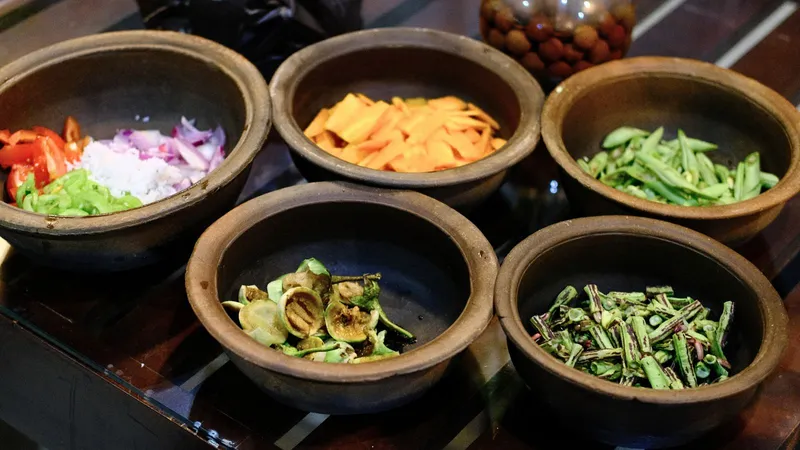
Once we were back, the prep started. Aroshina started by breaking the fresh coconut into halves and teaching us how to grate it perfectly. Labour-intensive, and a reminder of how warm, freshly cooked food in the subcontinent is a day-long job. Then came peeling and chopping the vegetables. This is where we learnt the difference between different beans, onions and shallots, what needs to be chopped how, what tastes better with what, and the general basics.
Challenging your understanding of food
_1770006946717.jpg?w=800&f=webp&t=fd2efa4d853a5aaa)
As an Indian, you’ll often feel during the process that you know what is being talked about. A culinary deja vu, if I might. But blink, and it turns into a different dish altogether. The chopped eggplant, for example, I followed the recipe for a while, turned around for a minute, and the next thing I knew, we were frying them for moju. Or that you think you know okra, but while you’ll be busy frying the banana blossoms, it’ll get cooked with coconut milk, shallots, garlic, and pandan leaves. The end result will leave you stumped.
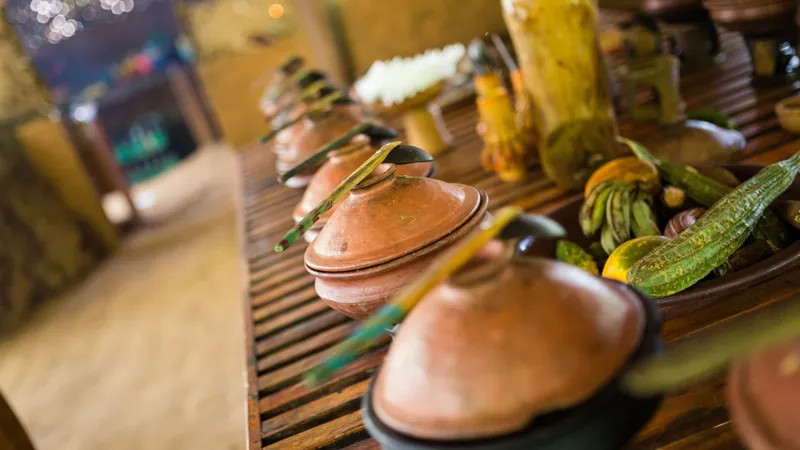
What also stood out to me was the extensive use of earthenware. I can’t tell if that’s why the food tasted the way it did. As urban Indians, I’m sure most of us have heard our grandmothers praise the way food is cooked in villages. How the food cooked in earthenware, on open flames, slowly, tastes better. And if you’re not very well attuned to the process, you might miss the slight difference in taste. But here, with an entire different cuisine, that uses the same base ingredients, the difference will stare at you.
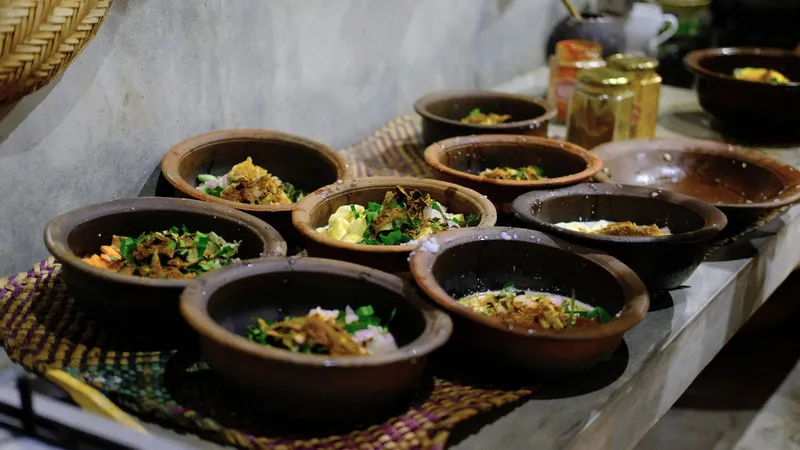
Beyond technique, cooking classes in Sri Lanka also offer a cultural context. Aroshina explained how food choices change based on region, religion, and occasion. She brought in her own experiences, comparing the food in Galle to other regions, and even how the city being a busy port has historically meant more diversity. Signing up for the classes, no matter where you do in the island, will also debunk the claim that Sri Lankan food is mostly non-vegetarian. The inclusion of the fresh produce, and the many recipes which are mainly vegetarian, or sometimes even vegan, is the proof. Many classes also touch on vegetarian traditions shaped by Buddhism, enriching the learning experience.
Cultural storytelling with food
Cooking classes also create space for storytelling. You cook together, you eat together, and you share. Hosts frequently share family histories, festival customs, memories, and these conversations provide a more personal understanding of Sri Lanka than any guidebook or monument. As guests, you also share and learn about each other’s tastes, similar dishes in their cuisines, and tales from their other travels too.
_1770007912505.jpg?w=800&f=webp&t=49eeb06b25919600)
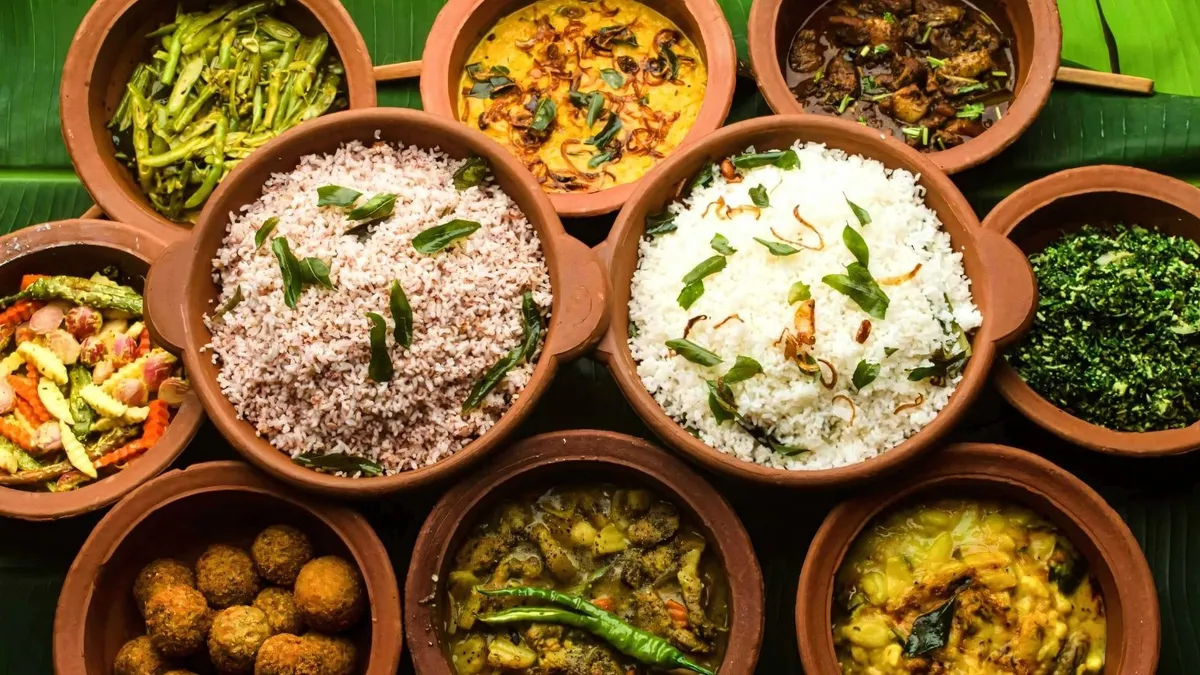
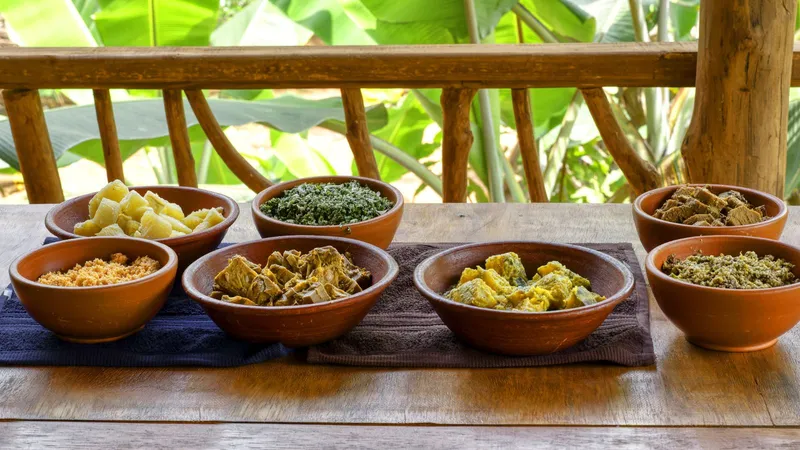
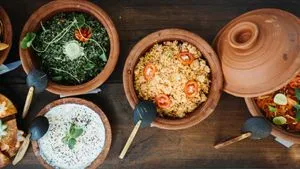
So what did we make? Sri Lankan dhal, red rice, cucumber salad, winged beans curry, jackfruit curry, jackfruit with coconut paste, beans, carrot curry, raw banana curry, eggplant curry, aubergine moju, banana blossom moju, sweet potato, long beans, pumpkin curry, snake gourd salad, okra, chicken curry, papadums, and some good memories.