






 Copy Link
Snapshots
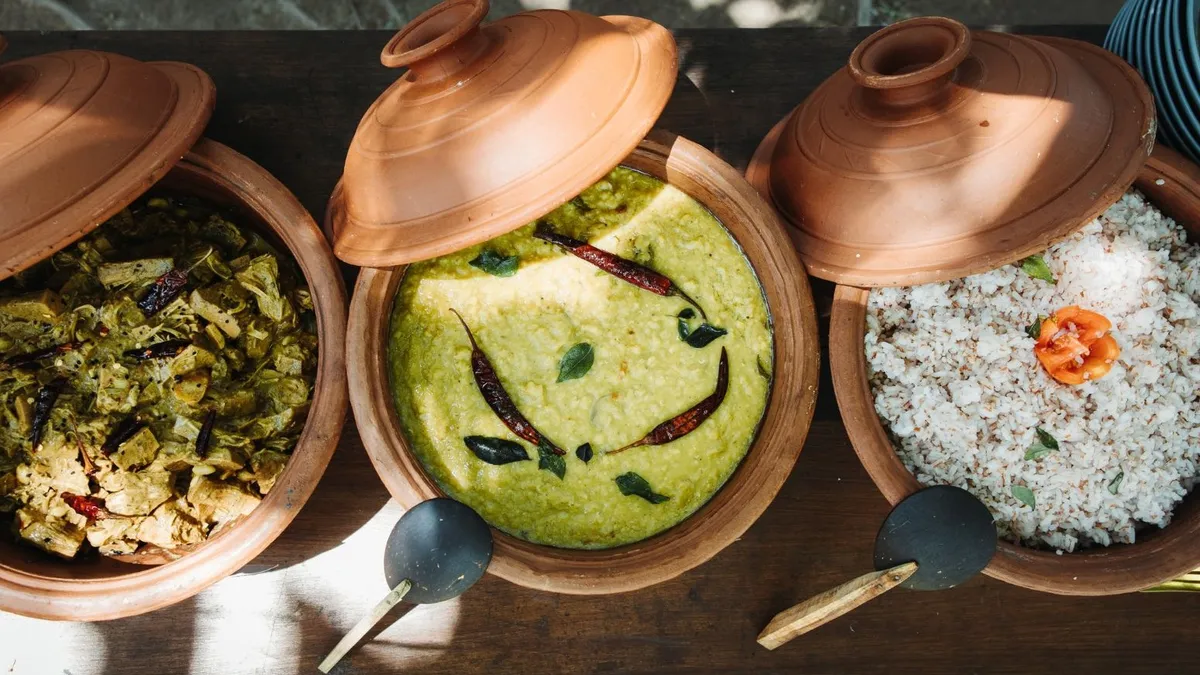
If you’ve booked your tickets to Sri Lanka and you happen to be a vegetarian, chances are, at least 3 people have told you already that you better carry some ready-to-eat meals. Their logic? Vegetarian food in Sri Lanka is hard to find. While coming from a genuine place of concern, it is one of the silliest misconceptions about vacationing in the island country.
Sri Lanka is often celebrated for its beaches, wildlife, and ancient heritage, but one of its most rewarding experiences for travellers lies at the table. And we’re sure that you’d know well about the wide variety of fresh seafood that the country offers. From fresh catches being sold in small local markets to fish drying on beaches, options are plentiful. Apart from that, too, the options for meat dishes are endless. In some ways, you could say that the menus seem to be made primarily for non-vegetarians. There will be a chicken curry, a fish curry, then prawn, then pork, then beef, then egg, and then maybe a veggie curry. I say maybe because a lot of eateries didn’t really have that option.
Vegetarian food in Sri Lanka
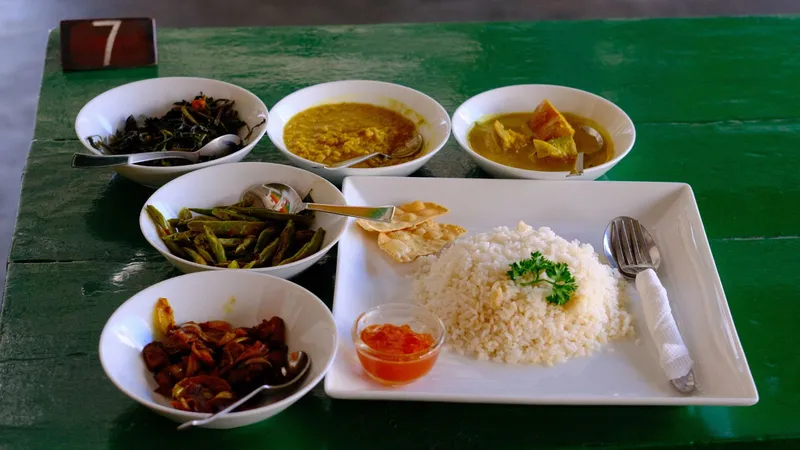
So, what’s there for vegetarians in Sri Lanka, you ask? Plenty of local fare. Let’s start with the rice and curry. You’re served a big mound of rice, multiple curries, papadum, chutneys, and you mix and eat. Simple, no nonsense, and as practical as it gets. The list of curries includes Sri Lankan dhal, Wattakka or pumpkin curry, Polos or green jackfruit curry, Ala or potato curry, eggplant moju, beans curry, winged beans curry, and more.
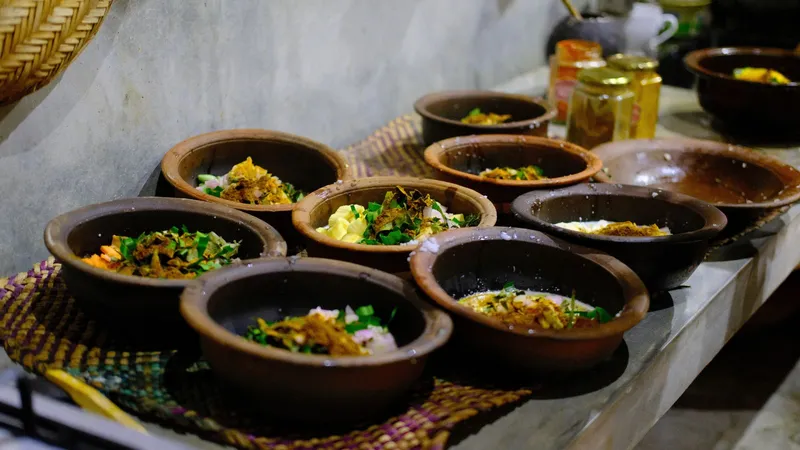
The use of curry leaves, mustard seeds, pandan leaves, and freshly grated coconut creates layers of flavour without relying on meat. As a result, this simple Sri Lankan meal feels hearty and nourishing. And the chutney I was most commonly served was a tangy, sweet mango chutney. With crispy papadums on top, rice and curry is a great place to begin for vegetarians visiting Sri Lanka. You get to sample the local flavours, the meal is super light, and freshly made. Win-win!
_1700476984408_thumb_300.jpeg?w=800&f=webp&t=5e0d818a67c657c8)
Vegetarian breakfast and snacks in Sri Lanka
_1769941220505.jpg?w=800&f=webp&t=eefd9374c5c9c937)
For breakfast and quick snacks, we opted for hoppers, kottu roti, string hoppers, and veggie roti. Generally, the 3-4 hoppers or apa are served, where one of them has an egg in the middle, and the rest can be plain. This is enjoyed with curry, and based on what you’d like, they can give you plain hoppers too. With string hoppers or idi apa, ask for vegetarian curry, and you’re sorted.
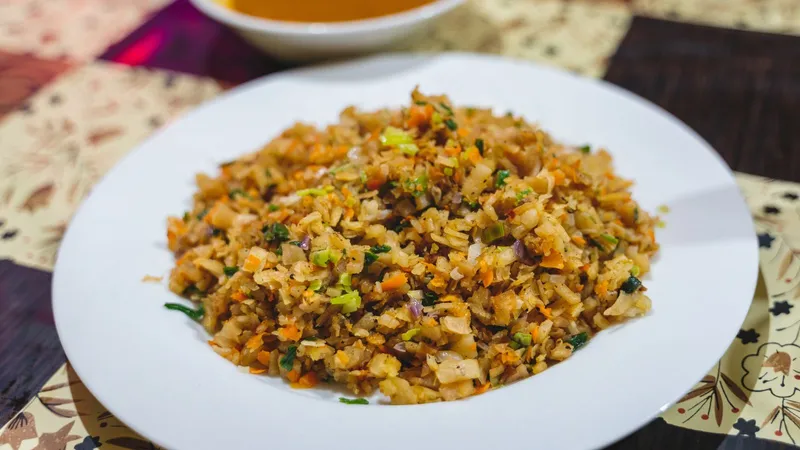
Kottu roti is basically a flour roti sliced thinly and fried with vegetables or your choice of meat if you’re opting for a non-vegetarian option. It might look like a small serving, but kottu rotis are your cheat code for a long day of Sri Lankan sightseeing. They’ll keep you full. And for days you’re on the move and want to keep it light, go for veggie roti or Elawalu roti. Available at most snack shops, it is a triangular wrap filled with spiced veggies and potatoes. Pepper and curry leaves are the key flavours.
Continental fare in Sri Lanka
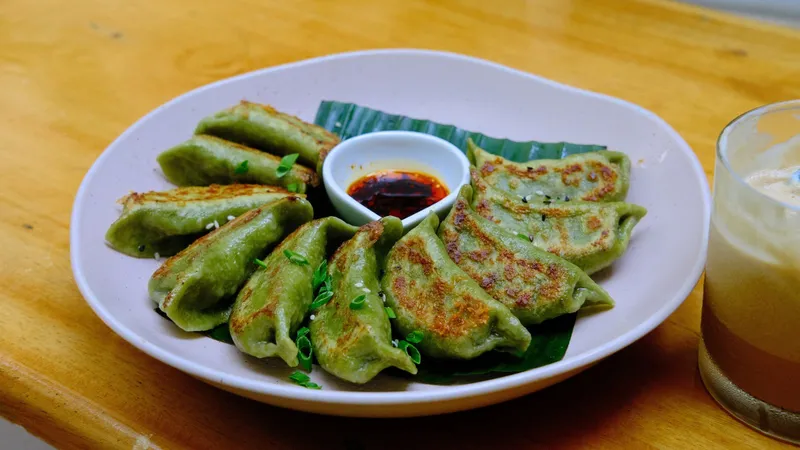
Sri Lanka is a country that knows its flavours very well. The local food is a gorgeous play of textures, spices, fresh ingredients, and a whole lot of love. But that said, it obviously has many other cuisines on offer as well. Like any other country in the subcontinent, ofcourse there were so many Asian inspired eateries, and Sri Lankan spices with East Asian recipes is a combination you’ll absolutely love. Pan-fried dumplings where the filling is veggies with pandan seasoning? Yes please! And Singaporean noodles with a Sri Lankan pepper base? You’ll want more!
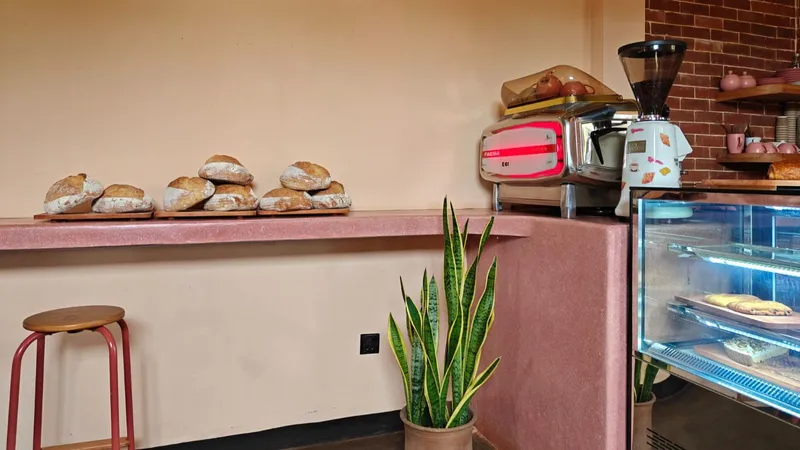
One of the most commonly found and seriously delicious was the Italian fare. Whether it is upbeat restaurants in Colombo, beachside eateries in Mirissa, or a small, cosy cafe in the alleys of Kandy, good Italian is easy to find and offers you plenty of vegetarian options. From pizza made in wood-fired ovens, to hand-rolled pasta, to cornetto sandwiches with homemade pesto and buffalo milk mozzarella, there’s so much to enjoy.
Fruits in Sri Lanka
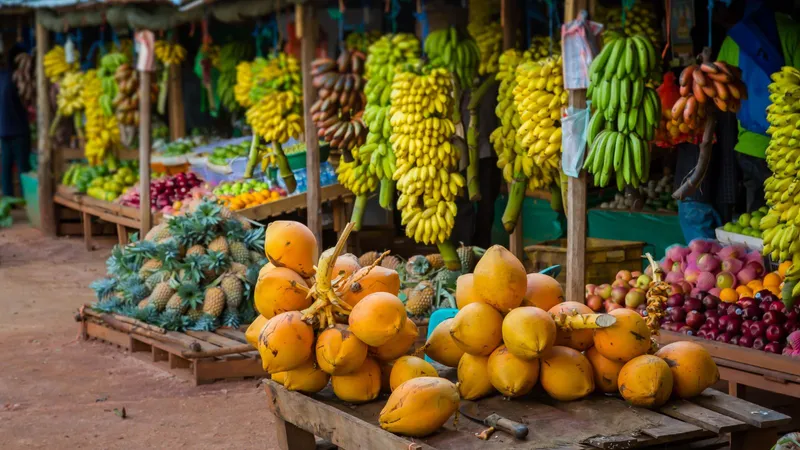
It’s a tropical country, of course, it has fresh, juicy fruits. But when the wait staff holding the tray of pineapples claimed that they have the sweetest pineapples, we thought it’d be an adorable claim everyone makes to tourists. Boy, were we wrong!
The pineapples were indeed the sweetest, most juicy you’ll find. And not just those, watermelons, mangoes, papaya, passionfruit, and even the bananas were simply so good that you could eat only fruit platters throughout your trip, and not mind it.
Coffee in the land of tea
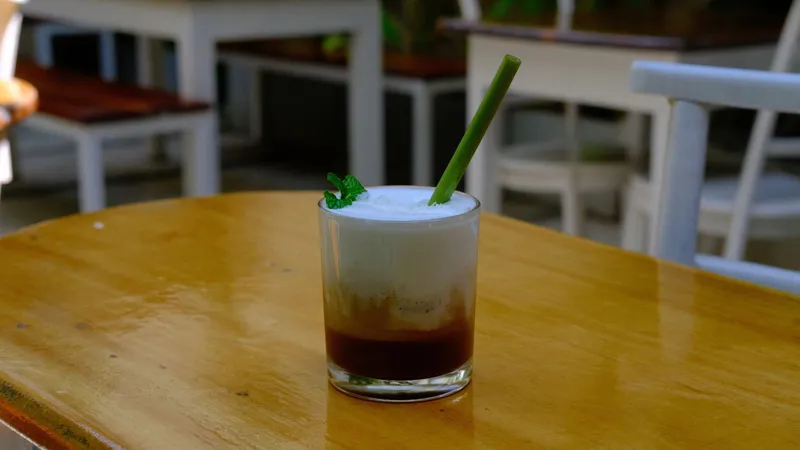
Sri Lanka is easily the land of tea, but don’t miss out on the coffee culture that is steadily on the rise. While most of the places still carry imported beans, ask around, and you’ll be able to find a cafe that brews locally grown beans. And then Sri Lankan baristas really take it to town. In Galle, we had Pol, which had coconut milk, espresso, sugar syrup, and coconut flakes. In Kandy, it was a cold brew latte, which paired with the in-house carrot cake, was a sheer delight. And back in Colombo, walking through the Dutch Hospital area brought me to an art gallery-café that had a drink called Ceylon Iced Coffee. Cardamom-infused milk, condensed milk to sweeten, and espresso. Absolute banger!