





 Copy Link
Snapshots
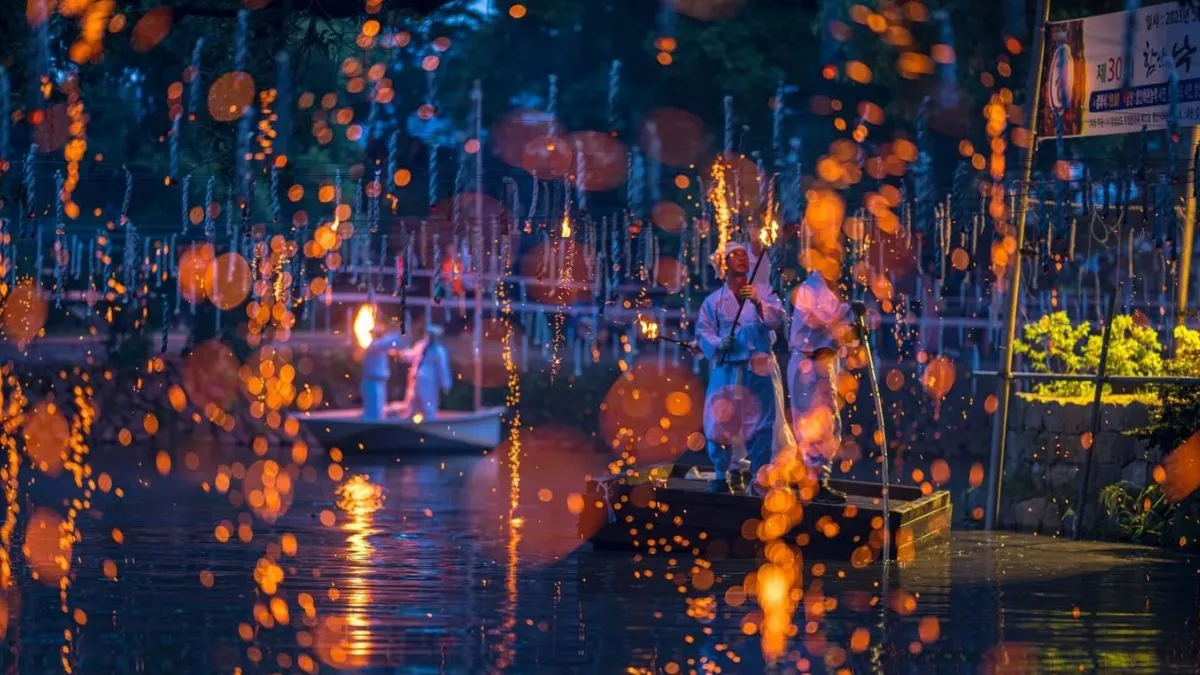
If you watch K-dramas regularly, we are sure you’ve at least once seen the Nakhwa Nori festival be featured on the big screen. Whether it is the leads realising that their bond goes beyond this lifetime (Hello! Destined With You) or the flying ember symbolising the relationship, as seen in Bloody Heart, this Korean festival has made many fans swoon as a gorgeous backdrop. If you’ve wanted to experience the surreal dance of flying embers, pack your bags, because in 2025, the Nakhwa Nori festival will be observed on the 16th of October.
This is unusual, given that the fireworks festival is generally observed on Buddha’s birthday in April-May. In 2025, the dates have been shifted to October. While there is no official explanation given, it is believed that this is a mix of a bunch of reasons. First, the later months of the year are when there are more tourists in Korea, and the festival can then be experienced by many. All set to take place in Hanam, Gyeongsangnam-do, this year’s festival will also mark the 60th anniversary of the normalisation of diplomatic relations between Korea and Japan. Plus, a limited edition festival? Just not something you’d wanna miss!
What is the Nakhwa Nori festival?
The Haman Nakhwa Nori festival traces its roots back more than 400 years, to the turbulent days of the Imjin War in the late 16th century. According to legend, Haman's residents honoured the ghosts of the warriors who gave their lives protecting the area by lighting torches and releasing fiery flowers of sparks along the Nakdong River. Using fire, light, and community to preserve history and honour the tenacity of those who came before, what started as a sombre act of remembering quickly developed into a beloved custom.
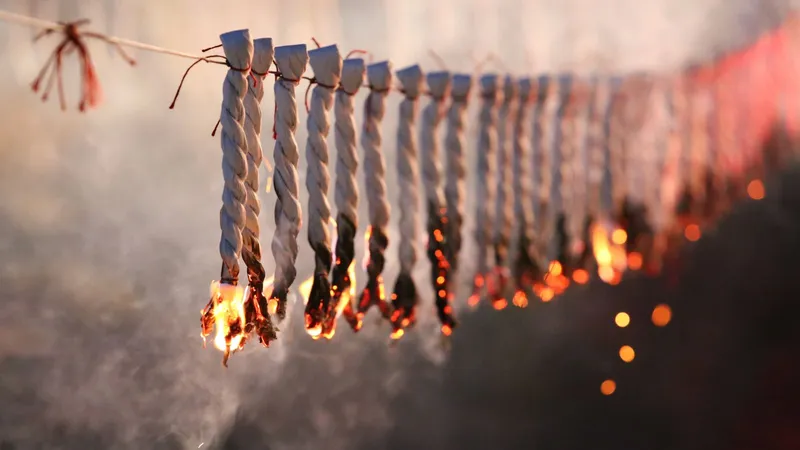
Over the centuries, the ritual transformed from a local memorial into a vibrant cultural showcase. Today, Nakhwa Nori, which literally translates to ‘falling flower play’, is famed for its breathtaking sight of embers cascading like glowing petals across the night sky. Although the festival has its roots in remembrance, it has evolved to represent both regeneration and continuity, connecting the past and present via spectacle and artistic expression. The event, which is acknowledged as an Important Intangible Cultural Asset in Korea, reminds guests that beneath the fireworks is a tale of bravery, camaraderie, and unwavering cultural pride while retaining its spiritual core.

History of Japan and Korea
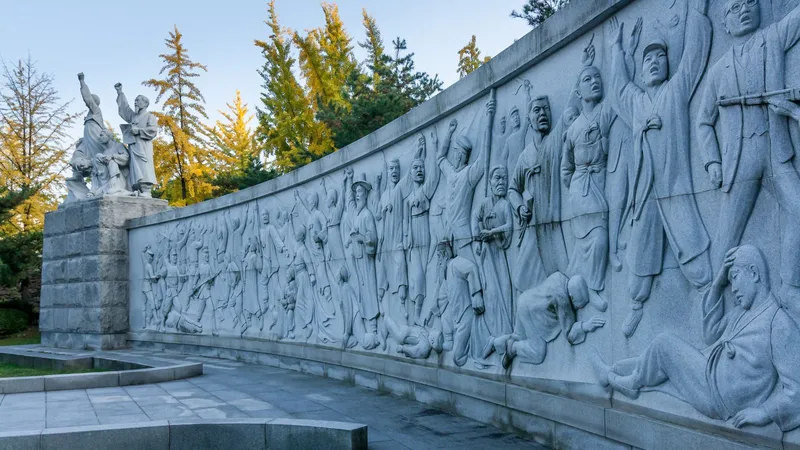
Japan and Korea have had a complicated connection for centuries, marked by both violent history and cultural exchanges. Japan’s colonisation of Korea in the early 20th century left deep scars, and even after liberation, the two nations struggled to reconcile. The turning point was reached in 1965 when diplomatic relations were re-established by the Treaty on Basic Relations, or normalisation. It was a watershed moment that paved the way for cross-cultural communication, tourism, and business alliances.
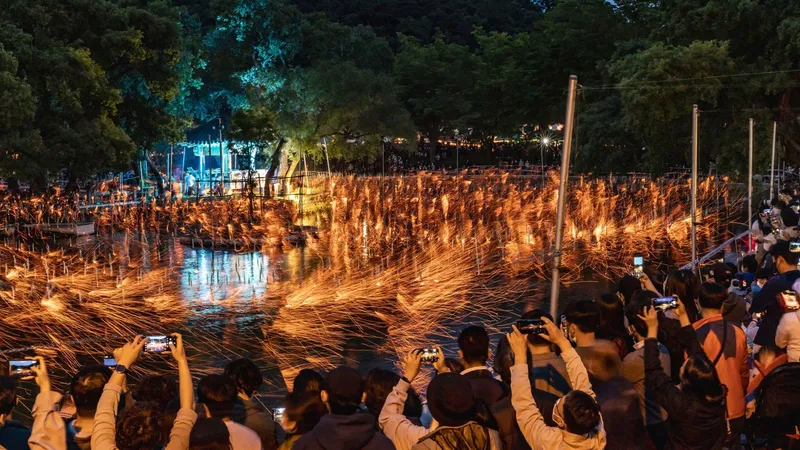
Over 1,000 Japanese visitors are anticipated to join the 2025 Haman Nakhwa Nori ceremonies, which will commemorate 60 years of diplomatic relations between Japan and Korea. As we explained above, the event is usually held in May according to the lunar calendar; however, in honour of the anniversary, it has been set for October 2025.
Plan a trip to Korea
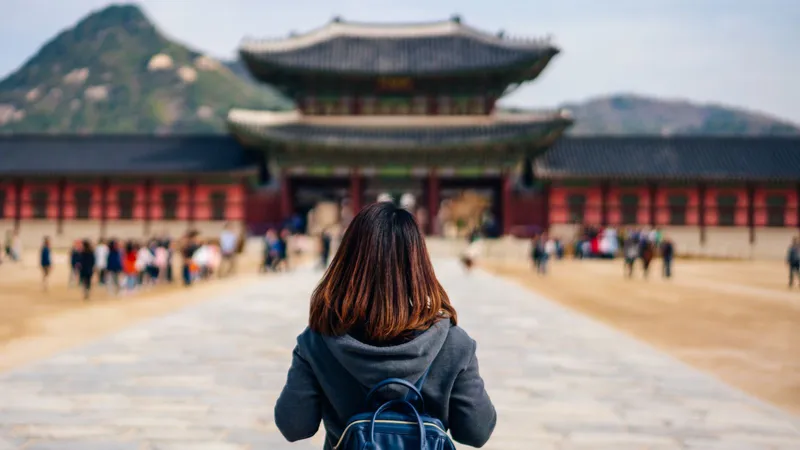
Reaching Haman for the Nakhwa Nori Festival is a journey absolutely worth making. From India, you need to fly into Seoul’s Incheon International Airport. The airport has many flights with direct connections from Delhi and Mumbai. Once you’ve reached Seoul, take the KTX high-speed train to Changwon or Masan (around 3 hours). After this, you can take either a local bus or a taxi to Haman.
Alternatively, you could fly into the Gimhae Airport in Busan to make the trip easier. Haman, where this festival is held, has good connectivity to big cities, but accommodations are limited, so booking in advance is essential. Many visitors also choose to stay in Changwon or Busan and make a day trip to the festival.
Things to do in Korea
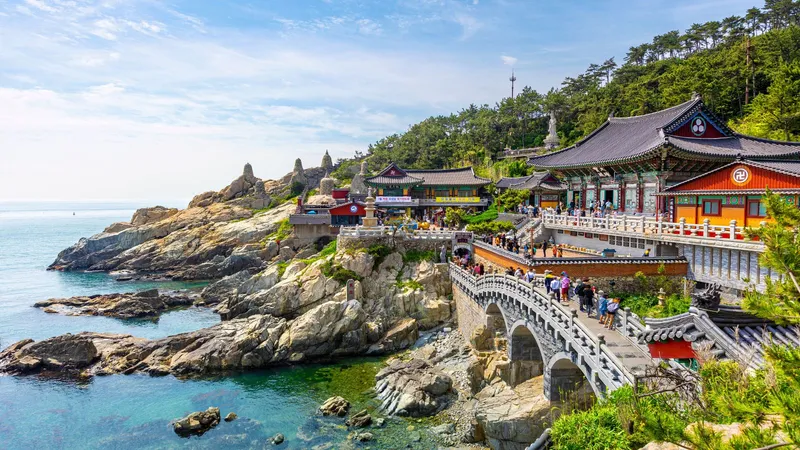
If this got you excited enough to book your tickets, here’s more of what deserves a spot on your itinerary.
- Visit the Haman Dinosaur Museum: Explore life-sized dinosaur exhibits and interactive displays; perfect for history buffs and kids alike.
- Explore Mount Geumjeong Hiking Trails: A scenic escape with panoramic views of Haman and the surrounding countryside, ideal for a morning trek.
- Take Insta-worthy pictures at the Changwon Sculpture Park: Stroll among contemporary sculptures in a lush, open-air park; great for artsy photos.
- Soak in the vibrance at Gyeongnam Art Museum: Contemporary Korean art housed in a sleek space, blending culture with modern architecture.
- Take your taste buds on an adventure at the Masan Fish Market: Fresh seafood, bustling stalls, and local flavours; a taste of authentic Korean coastal life.
- Spend a day at the Busan Gamcheon Culture Village: Colourful hillside streets, murals, and quirky cafés, perfect for wandering and Instagram shots.
- Relax at the Haeundae Beach, Busan: Soft sand, ocean views, and vibrant nightlife; a refreshing seaside stop after festival excitement.
FAQs
1. What is the Haman Nakhwa Nori Festival?
It’s a traditional Korean festival known as ‘falling flower play’, featuring fireworks, embers, and cultural performances that celebrate history, community, and light.
2. Do Indians need a visa to visit Korea?
Indian travellers need a tourist visa (C-3) to visit South Korea. Some e-visa options are available for short trips, so check the official embassy site before booking.
3. How much does a trip to Korea cost?
A week-long trip from India can range from Rs 1.5–2.5 lakh per person, including flights, accommodation, meals, and local travel, depending on what kind of traveller you are.
4. What are the food options in Korea?
Korea has something for every palate. There's street food like tteokbokki and hotteok, vegetarian-friendly options, traditional Korean BBQ, and plenty of international cuisine in cities.
5. Can I stay in Seoul and visit the festival?
Yes! Seoul is about 3–4 hours away by KTX train. Many travellers stay in Seoul and make a day trip to Haman to experience the festival.