





 Copy Link
Snapshots
As the Wood Snake sheds its skin, the world braces for the thundering arrival of the Fire Horse.Today, we are trading the quiet introspection for a rare and high octane energy that only surfaces every 60 years. Whether you are chasing the dragon dances in the streets of San Francisco, savouring authentic street food in Kolkata’s Tangra, or seeking spiritual serenity, 2026 promises a year of bold transformation. Gallop with us through the traditions, astrological shifts, and global hotspots that are defining this spectacular Lunar New Year.
What is the Chinese New Year all about?
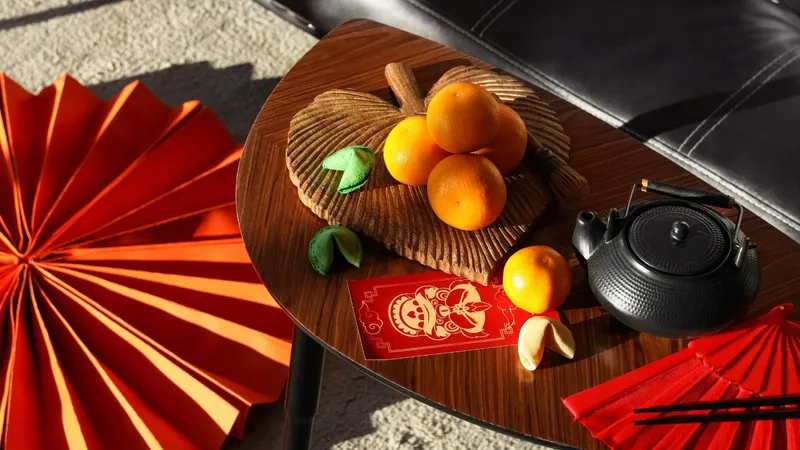
At its heart, the Chinese New Year is a vibrant cultural reset. The Chinese New Year celebrations is a 15-days long symphony of colour and noise that are designed to sweep away the stale energy of the past and invite a flood of prosperity. A season of radical renewal, it is during this time that homes are scrubbed clean to make room for good luck and streets are painted in the lucky red to ward off the shadows of the old year. More than just a date on the calendar, it is the world’s most massive celebration of family and reunion. From the warmth of the reunion dinners to the hopeful exchange of hongbao or the red envelopes, the Chinese New Year celebrations kick off with powerful second chances for anyone whose January resolutions have already begun to fade. So, take a moment to pause and gallop into the new cycle with a fresh heart and an emboldened spirit.
From the snake to the horse
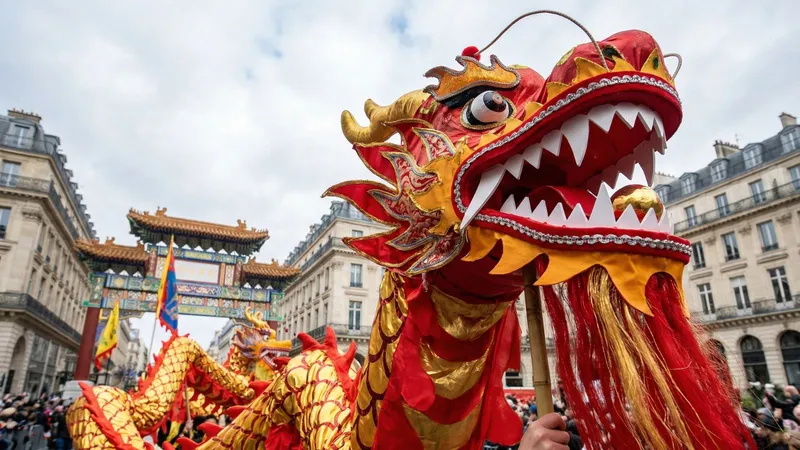
The transition from 2025 to 2026 marks the seismic shift from the calculated Yin energy of the Wood Snake to the explosive Yang power of the Fire Horse. While the Year of the Snake favoured the strategist, encouraging us to shed old skins, plan in silence, and move with cautious wisdom, the Fire Horse demands a thunderous jump into the spotlight. This is a rare Double Fire event that occurs only once in every 60 years, supercharging the Horse’s natural desire for freedom with an intense, transformative heat. This is the year where the quiet approach is replaced by a primal urge for independence and rapid action. As a part of the Chinese New Year events, 2026, the cosmic winds shift from internal reflection to external resolution, rewarding those who are brave enough to break their reins and chase their most passionate ambitions with unbridled speed.
Where to celebrate the Chinese New Year from around the world
If you want to experience the sheer scale and magic of the Chinese New Year celebrations in 2026, these iconic destinations offer a front row seat to the Year of the Fire Horse.
1. Beijing, China
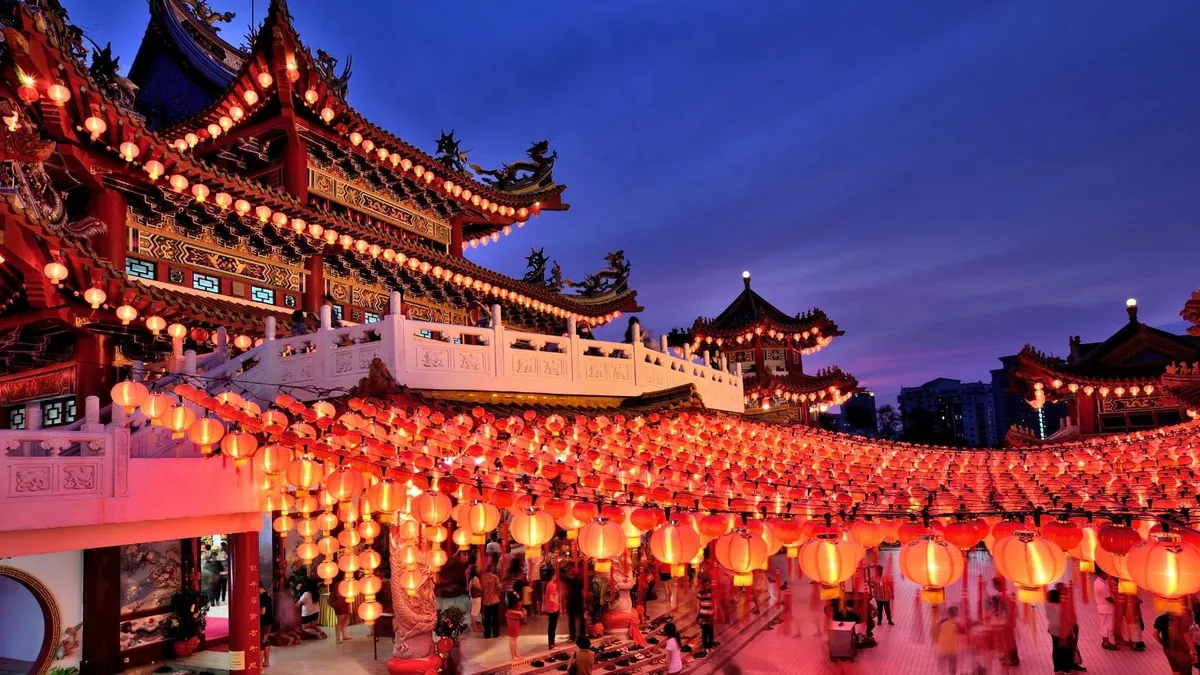
The heart of the celebrations and the prime Chinese New Year destination, visiting Beijing during this time feels like stepping into a living history book with a sea of crimson lanterns and intricate paper cuts. The soul of the celebration lies in the Temple Fairs, where ancient folk performances, puppet shows, and the smell of sizzling street snacks create an electric atmosphere. For a truly bucket list moment, witness the countdown light show at the Great Wall, where the stone ramparts are illuminated to guide the Horse’s gallop into the new year.
2. Singapore
If you are wondering where to celebrate the Chinese New Year, then be rest assured that nowhere blends ancient rituals with high tech wonder quite like Singapore. The Chingay Parade is a dazzling street extravaganza of towering floats and fire-eaters, while the Chinatown district glows under the light of over 80,000 LEDs. Don't miss the River Hongbao, where the major Chinese New Year event to witness is the giant carnival.
3. San Francisco, USA
Boasting the largest Lunar New Year parade outside of Asia, San Francisco’s Chinese New Year celebration is legendary. The illuminated night parade features a 288-foot Golden Dragon that is carried over by 100 performers, accompanied by the deafening thunder of 600,000 firecrackers. It is a sensory explosion that has been a city staple since the Gold Rush era, blending American showmanship with deep rooted Cantonese traditions.
Where to celebrate the Chinese New Year in India
To celebrate the Chinese New Year in India, look no further than the vibrant streets of Kolkata, which is home to the country’s only surviving Chinatown. For a truly immersive experience, head to Tiretta Bazaar, which is the Old Chinatown in the city, early in the morning to witness a flurry of activity as the community gathers for traditional lion and dragon dances that weave through narrow lanes to the rhythmic thunder of drums and cymbals.
As the sun rises, treat yourself to an authentic street side breakfast of steaming momos, fishball soup, and pork sausages. For a grander evening spectacle, head to Tangra or the New Chinatown, where red lanterns illuminate the neighbourhood and the air is filled with the scent of Hakka-style Indo-Chinese delicacies.

Tibetan New Year Losar
While the streets of Tangra celebrate with the dragon dances, another lunar revolution unfolds in the high-altitude pockets of India. Losar is the Tibetan New Year. In 2026, Losar begins on February 18, falling just a day after the Chinese New Year. It is a period of profound spiritual cleaning and communal joy that paints the Indian Himalayas in vibrant shades of blue, white, and gold.
Where to celebrate Losar in India
If you are seeking a New Year experience that blends high-energy culture with serene spirituality, these are the best places in India to witness Losar.
1. Dharamshala and McLeod Ganj (Himachal Pradesh)
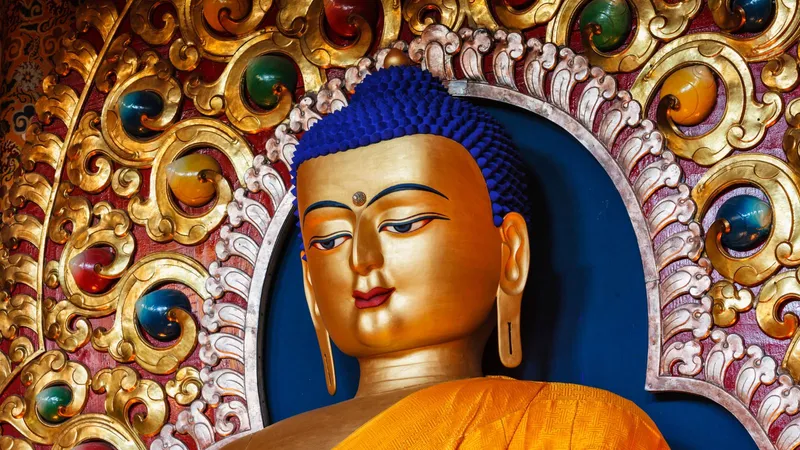
As the residence of the Dalai Lama, this is the global epicentre of Losar. The Tsuglagkhang Complex becomes a hub of chanting and butter lamp offerings, while the town vibrates with the energy of thousands of monks and pilgrims.
2. Ladakh
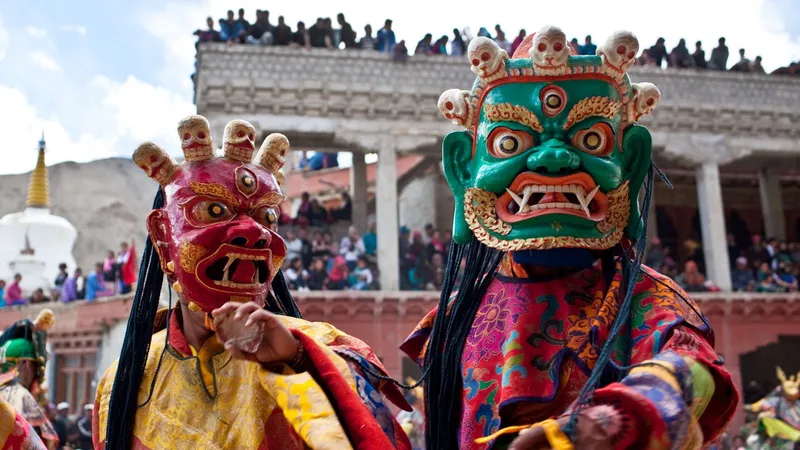
Known as Ladakhi Losar, the celebration here often starts earlier than the traditional Tibetan date, but the main festivities involve a spectacular Metho Procession, where locals carry flaming torches through the streets to banish evil spirits.
3. Tawang (Arunachal Pradesh)
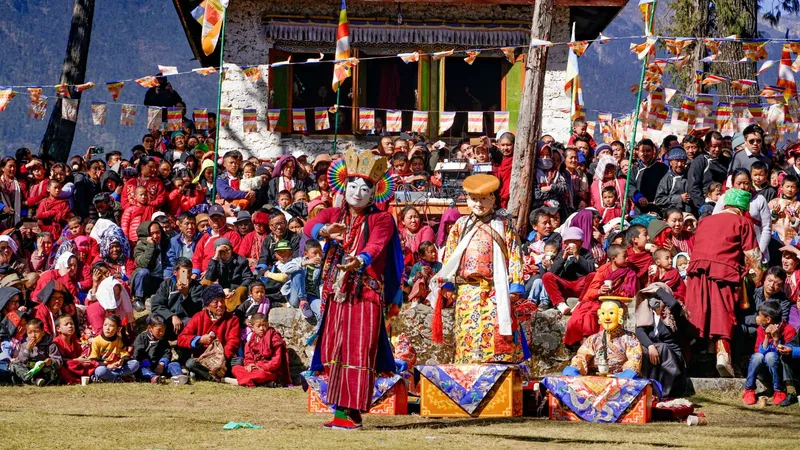
In the far northeast, the Monpa community celebrates Losar with incredible fervour at the Tawang Monastery, which is one of the largest in the world. Expect traditional folk songs, archery contests, and a mountain of Khapse or fried biscuits.