






 Copy Link
Snapshots
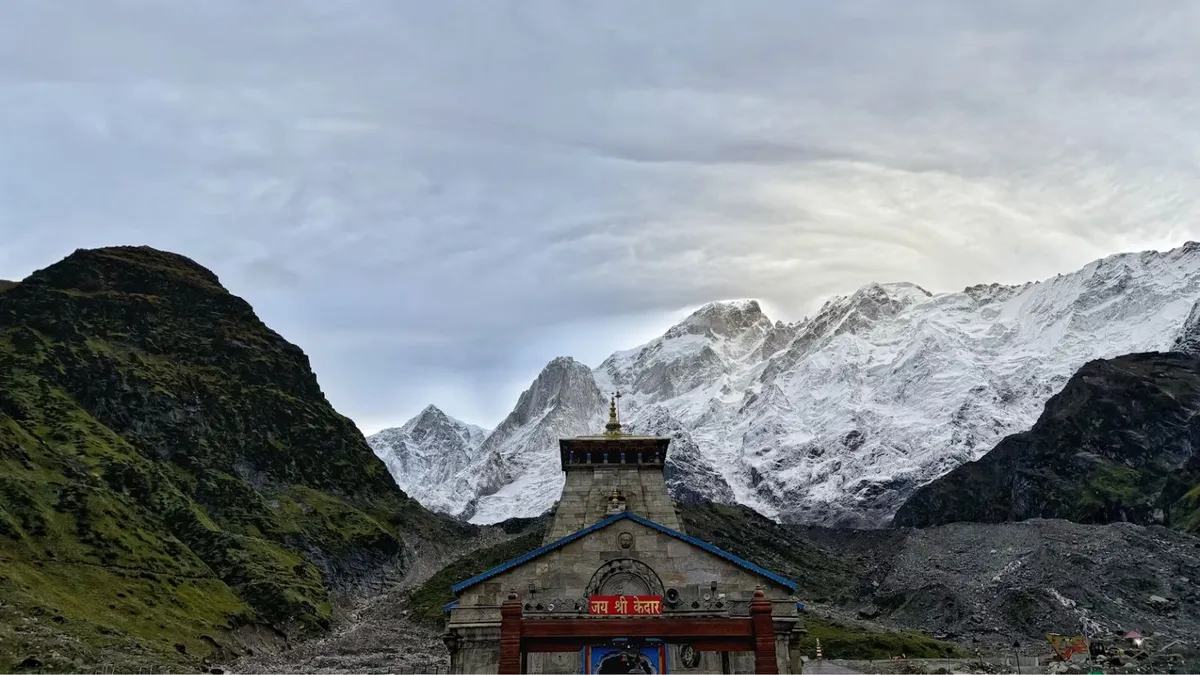
As winter descends upon the Himalayas, the sacred shrines of Kedarnath and Badrinath bid farewell to their devotees, marking the end of another spiritually vibrant season as they close their doors for the winters. Nestled amidst the snow-clad peaks, these revered temples shut down during this time to protect the sanctums from the harsh mountain cold. However, as the bells of these temples fall silent, anticipation begins to build for the next pilgrimage season, which calls for a time when faith, adventure, and the divine serenity call upon travelers to the heart of Uttarakhand. So, here’s for you to understand the Badrinath and Kedarnath visiting months better for your next trip.
Kedarnath and Badrinath closing dates for 2025
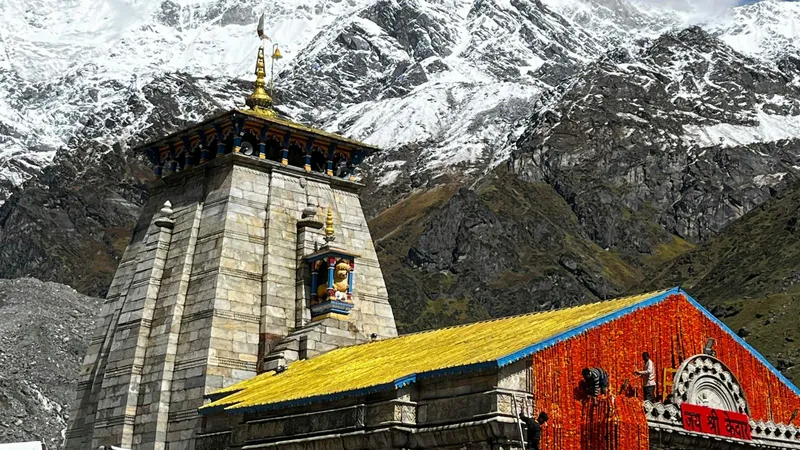
The majestic portals of Kedarnath Temple have already closed for the winter season on October 23, 2025. The closing dates of Kedarnath have coincided with the sacred festival of Bhai Dooj, as the idol has been taken to its winter abode at Omkareshwar Temple, Ukhimath.
Meanwhile, the doors of the Badrinath Temple will be ceremonially shut on November 25, 2025 at 2:56 pm, following the commencement of the Panch Puja on November 21, 2025.
Why do Kedarnath and Badrinath close for the winter season every year?
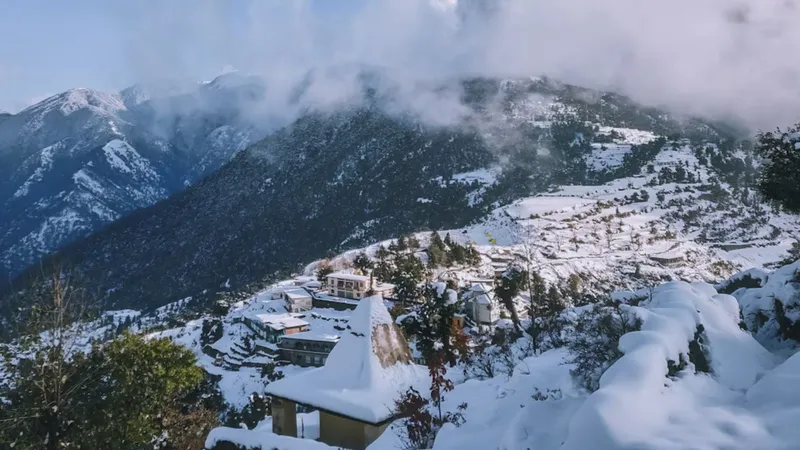
Every year, as the winter season begins to intensify over the Garhwal Himalayas, the sacred shrines of Badrinath and Kedarnath retreat into a peaceful hibernation. Towering at altitudes, which is above 10000 feet, these divine abodes are blanketed by heavy snowfall, making the rugged mountain paths nearly inaccessible. In order to protect the sanctity of the deities and ensure the safety of the pilgrims, temple authorities perform elaborate farewell rituals before ceremonially closing the doors of these temples. The idols are then moved to their winter abodes in Omkarsheshwar Temple in Ukhimath for Lord Kedarnath, and Joshimath’s Narsingh Temple for Lord Badrinath, where the prayers continue through the cooler months.
Best months to visit Kedarnath and Badrinath
The best months to visit Badrinath and Kedarnath spans from the entire period of May to October, however each season has its own charm and experience to offer-
1. May to June: Summer months
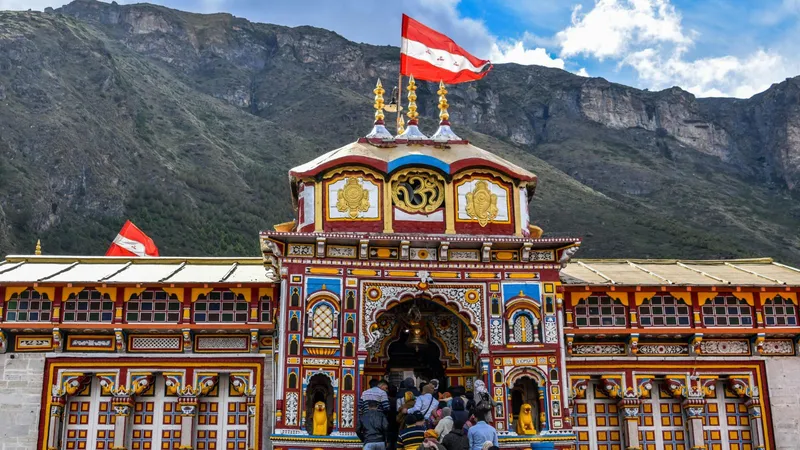
This is the most popular time for the Char Dham Yatra. As the snow melts and the shrines open for the Badrinath and Kedarnath visiting months, the weather is also pleasantly cool during this time, which makes the season ideal for pilgrimage and trekking. The valleys of the Garhwal hills come alive with vibrant foliage, gushing rivers, and clear skies, creating a divine atmosphere that beautifully complements your spiritual journey. Pilgrims can also comfortably explore the temples and surrounding landscapes without major weather disruptions.
2. September to October: Autumn months
Once the monsoons rains recede, the Himalayas reveal their clean and glistening glory. The crisp mountain air, golden hued valleys, and the serene ambience of the hills make the autumn season a truly magical time for darshan. This time makes for an ideal Kedarnath and Badrinath visiting months as the crowds become thinner, the views sharper, and the spiritual aura deeper. Among the best months to visit Kedarnath and Badrinath, September to October is perfect for those seeking a peaceful and reflective pilgrimage experience before the temples close for winters.
How to plan your next yatra to Kedarnath and Badrinath
Embarking on a sacred journey to Kedarnath and Badrinath requires not just devotion, but thoughtful preparation to make the experience comfortable, safe, and spiritually enriching. A journey of faith, devotion, and discovery, to make your experience a smooth one as well as spiritually fulfilling, here’s how you can prepare the yatra thoughtfully as well as beautifully-
1. Choose the right time
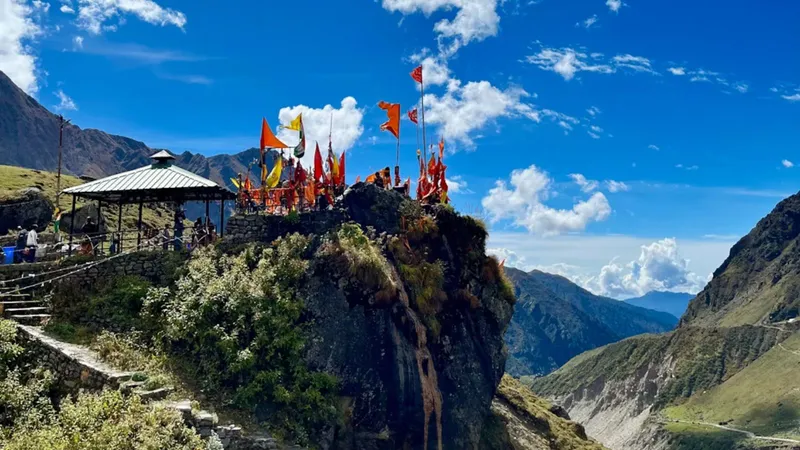
The best Badrinath and Kedarnath visiting months are from May to October, when the weather is most pleasant and the routes are accessible. May to June are best months to visit Badrinath and Kedarnath temples to experience the vibrant summer energy, while September to October offers a more seren, post monsoon tranquility.
It is advisable to avoid the peak monsoon months, that is July to August since the weather can be a little unpredictable due to rainfall and landslides.
2. Complete the Char Dham registration
All pilgrims are required to register officially for the yatra through the Uttarakhand Tourism portal or via authorised centres. Registration for the yatra ensures your safety and allows the authorities of the state to manage accommodations and travel efficiently.
3. Plan your travel routes
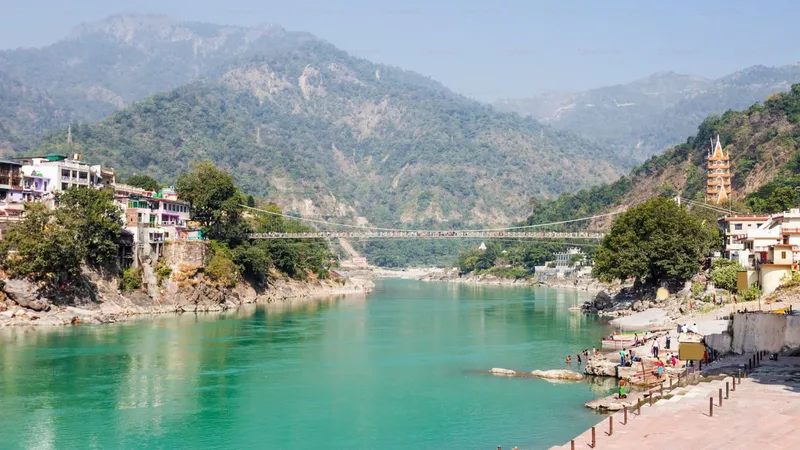
For Kedarnath, reach Gaurikund by road and then trek for about 16 km to the shrine, or book a helicopter service from Guptkashi, Phata, or Sirsi for a faster journey. Meanwhile, in order to reach Badrinath, the temple is accessible by road with well connected routes from Rishikesh, Joshimath, and Haridwar.
Consider spending a night at Joshimath or Guptkashi to acclimatize and rest before the final ascent.
4. Book your stay in advance
The yatra season attracts thousands of devotees, which is why it is advisable to book hotels, lodges, or dharamshalas early. For a peaceful stay, you can also consider small guesthouses run by local families.
5. Immerse yourself in the spiritual experience
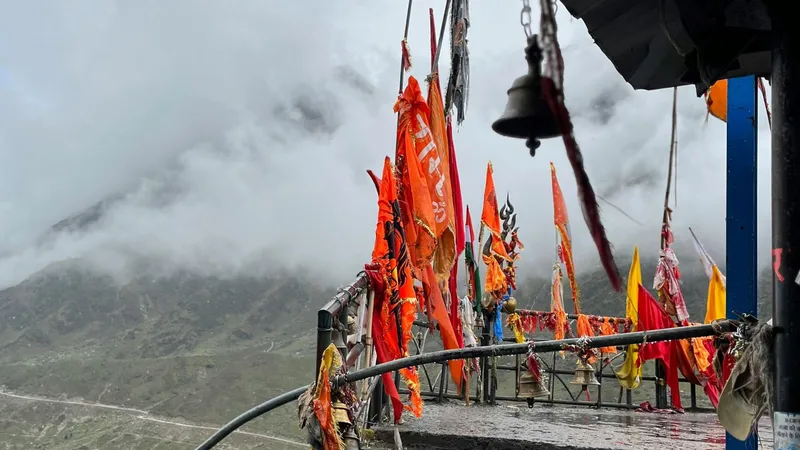
Take time to participate in the morning and evening aartis. You can further enrich your travel experience by visiting the nearby sacred sites like the Vasuki Tal and Gandhi Sarovar near Kedarnath, and the Mana Village and Tapt Kund near Badrinath.