






 Copy Link
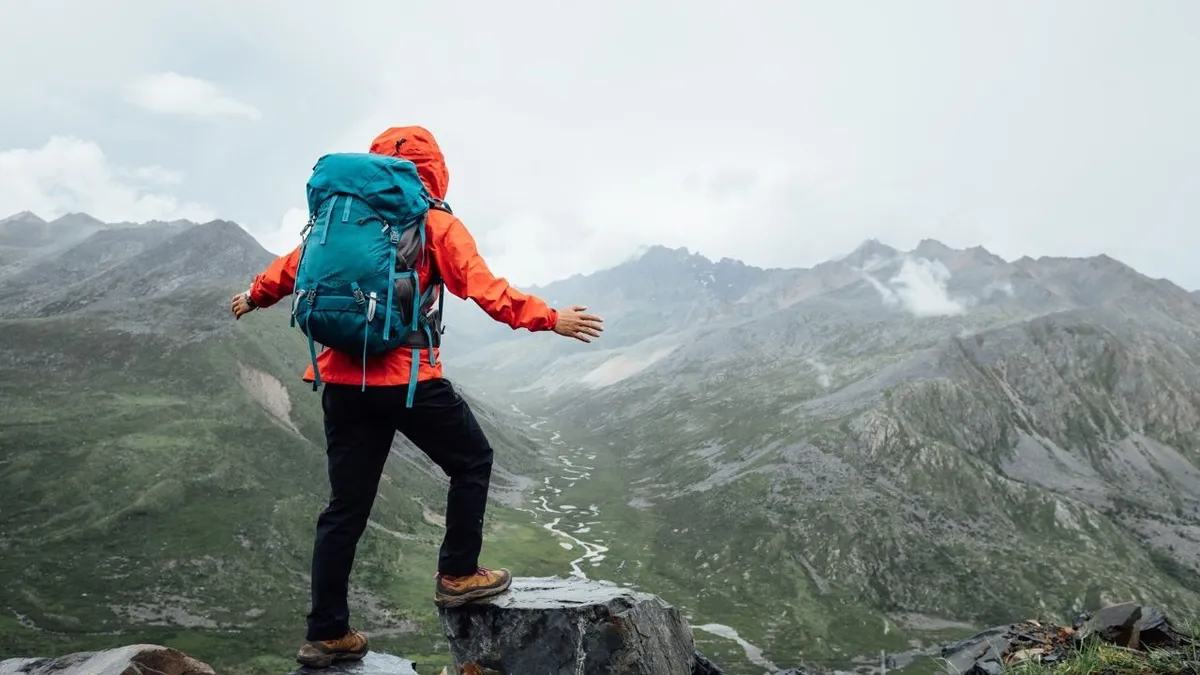
You will never forget the greatest experience of your life—hiking into the wilderness, away from the hustle and bustle of city life. Trekking, often pushing you beyond your comfort zone, not only broadens your perspectives but also presents you with both physical and mental challenges. So if you are doing a hike for the first time, you need these essential hiking tips for beginners! Hiking is something you should do, but start out slowly and sensibly at first. In light of this, we have compiled a list of our first-time hiking tips for beginners! We have organised our hiking tips for beginners into different sections! So, before you go on your hike, you need first-time hiking essentials. Here’s what you need to get!
First-time hiking essentials
Get good shoes
As far as first-time hiking essentials, hiking shoes are among the few "genuine" necessities. Whether you're planning a stroll around town or an epic multi-day trek, investing in high-quality walking boots or trail running shoes is essential. Outdoor footwear should be able to withstand wetness without sacrificing breathability, be lightweight (either in terms of fabrics or leather), and provide enough arch and ankle support for those long days on the trail.
Get a good backpack
Think about borrowing or renting a pack from a friend or a local business or a club before you buy a new one. You should test out a few different packs with weights before purchasing a new one. Try on the pack for a few minutes as you peruse the aisles to find the one that fits best. Different packs have different capacities and are typically sized according to the wearer's torso length and waist size. Plan to ensure that your pack can fit all of the gear you want to bring by purchasing it last. When you can get by with a smaller, lighter bag that has the right amount of space, why bother with a bulky, half-empty pack? It takes some practice to figure out what capacity you need. Depending on your preferred style of hiking, you can find yourself with many packs if you become addicted. Consider purchasing a daypack as an entry-level item for novices who want to perform shorter treks.
Make sure to layer up
Just make sure you can remain at the perfect temperature by considering the weather forecast and wearing what makes you feel comfortable. Wear your garments in layers, like an onion. Jeans aren't hiking attire since they won't keep you warm in rainy or cold weather, but otherwise, feel free to wear whatever makes you happy. The best hiking tips for beginners are always to layer up according to the weather!
Hiking tips for beginners- here’s what to do before your first hike!
Do not forget to apply sunscreen
Even on days when the sun didn't seem to be out, we've all had sunburns. Conversation and the deceptive shadow of trees can cause you to lose sight of your trail while hiking. Put sunscreen on exposed skin at all times, even if you don't believe the sun is strong enough to cause problems.
Make a route plan
Stopping for a break or two along the way is highly recommended. You can rest and enjoy the view or refuel here (besides the snacks in your pack). To keep from tiring out too soon, it's a good idea to take a 10-minute break every few hours to rest your feet. Additionally, it will encourage you to savour the non-walking aspects of a stroll, such as connecting with nature and taking in the scenery.
Make sure you have a snack stash
If you're only bringing snacks on your walk, it's still a good idea to eat something before you go out. The ideal breakfast options are complex carbs, which release energy slowly throughout the morning. Some examples of such meals include homemade granola, porridge, and whole-meal bread with peanut butter and banana. We also highly recommend foods rich in protein and healthy fats due to their slow digestion and ability to keep us satisfied for longer.

Choose your trail wisely
When possible, plan your walk at off-peak times, such as the off-season or when the park is least crowded. This can include going for a walk on a popular route first thing in the morning, during the spring instead of the summer, or weekdays instead of weekends. This will make your walk more pleasant (no one enjoys a crowded route), and it will also protect the environment for future generations to enjoy.