






 Copy Link
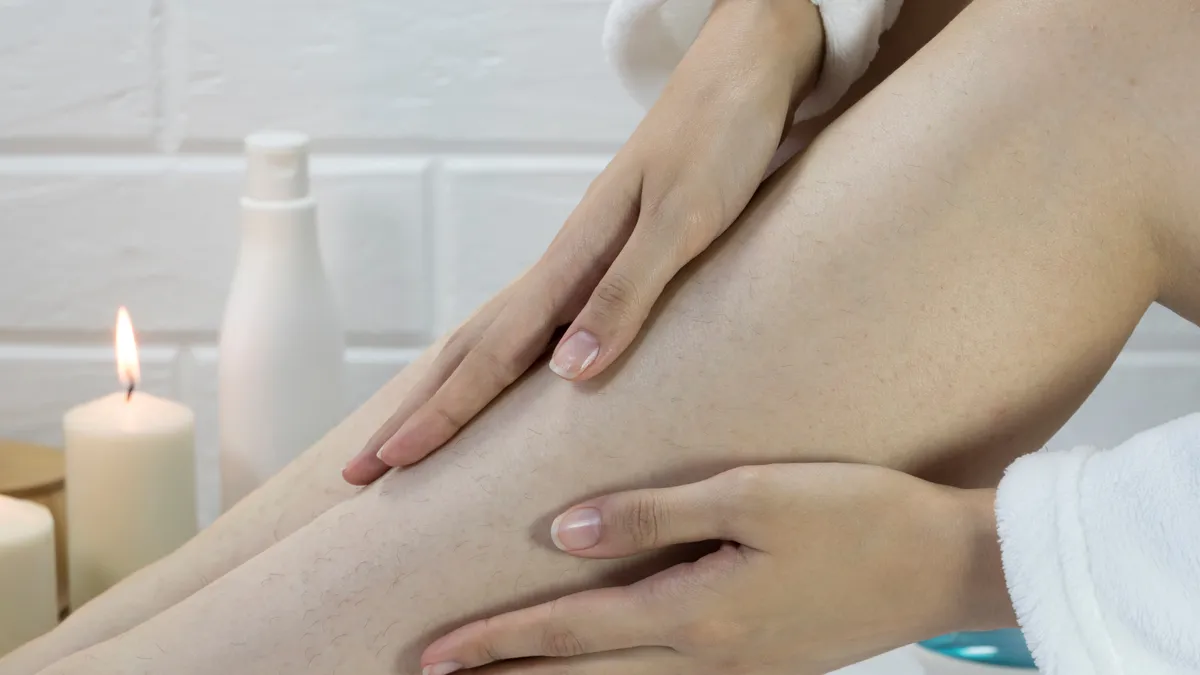
Strawberry legs, or those unsightly black patches that mimic the texture of a strawberry's exterior, are easier to remove than you might believe. You need to know what these dots are and how they formed before you can come up with remedies to make your skin look smoother and cleaner. Need a deep dive on what's causing strawberry legs? Here's everything you need to know!
Strawberry skin or keratosis pilaris- what is it?
As a skin disorder, keratosis pilaris (KP) affects 40% of adults. On the buttocks, upper arms, or thighs, you might see little, firm pimples encircled by red patches of skin. To put it simply, KP is a condition in which the hair follicles become clogged. Keratin is a protein that is found in hair, skin, and nails. When it builds up in the skin, it forms a plug that blocks the hair follicle, which causes the little bumps. The redness surrounding each hair follicle is caused by inflammation in the skin, which might be triggered by the blockage. Although KP is common and often runs in families, the exact causes of its occurrence remain a mystery. Those with extremely sensitive skin or who suffer from eczema or atopic dermatitis are at increased risk.
So, what causes strawberry legs?
The three most common causes of strawberry legs are ingrown hairs, folliculitis, and blocked hair follicles. When dead skin cells, oil, or debris oxidize within blocked pores, they can turn black and give the skin a strawberry complexion. When the hair follicle gets inflamed, waxing or shaving can lead to ingrown hairs, also called pseudofolliculitis. Redness and pustules centered around the hair follicle are symptoms of a bacterial or fungal illness known as foliculitis. This may also occur if the hair is subjected to friction, as when it gets caught in tight leggings or when exercising. While keratosis pilaris is a distinct condition, strawberry legs can make one look like chicken skin due to the way dead skin cells, or keratin, become stuck in the hair follicles.
Both doctors agree that heredity should be taken into account when determining susceptibility to this skin ailment. Ingrown hairs and follicular obstructions are more common in darker-haired people because of a genetic predisposition.
What are some things to avoid with strawberry skin?
First things first: avoid these pitfalls. The most typical error is attempting to "scrub" the bumps off or exfoliating them with a rough loofah. Rough exfoliation may temporarily remove the keratin plugs, but it will further irritate the skin and hair, leading to increased redness and an even more apparent condition overall. Even though physical exfoliants aren't always gentle enough for KP, there are some that work, like the First Aid Beauty KP Bump Eraser, which is a finely-milled body scrub. For those who enjoy exfoliating their skin with a gentle scrub, it's important to remember to moisturise right afterward. After a bath, wipe your skin dry with a towel and apply a rich moisturizer while it's still damp.
Although a skin-softening scrub can provide short-term relief, the most effective method for keratosis pilaris treatment is chemical exfoliation, which employs acids to delicately dissolve away dead skin. Glycolic acid, lactic acid, salicylic acid, gluconolactone, urea, and other topical lotions, creams, or serums containing these acids are available for chemical exfoliation. Chemical peels, which can range from gentle daily peels to more intense in-office monthly or bi-weekly peels, provide a step up in treatment. Retinol or a prescription-strength retinoid also works well against KP for certain folks. These vitamin A derivatives promote healthy cell turnover and help maintain a healthy skin barrier.
The ultimate bodycare routine for strawberry legs
- First, cleanse your body with a mild exfoliant: To prepare the skin for shaving, it's best to moisturise it thoroughly, but avoid using a dry brush because it's too harsh and could cause irritation. She suggests a mild exfoliating body wash instead. Try to find one that has lactic acid or salicylic acid, since these assist to exfoliate the skin and release any hairs that may be stuck. In addition to preventing ingrown hairs, this technique makes shaving easier.
- Second, shaving cream is a must!: Even though you might save time by not using shaving cream, you run the risk of razor burn and pimples. Shave cream, according to the experts, acts as a barrier to keep your skin from being cut by the razor. This lessens the likelihood of discomfort or wounds while also facilitating a closer shave. Pick a moisturizer that works for your skin type; those with sensitive skin should look for one that is fragrance-free. The shave should be soft, safe, and uncomplicated.
- Third, after shaving, use a glycolic acid spray: Using a glycolic acid spray is the next critical step after getting out of the shower. This aids in the prevention of ingrown hairs by maintaining open pores and stimulating hair growth in an outward direction. One mild chemical exfoliator that helps even out skin tone is glycolic acid. If you want to apply it evenly across your legs, Dr. Nathan says to use a spray bottle. If you have sensitive skin, it's best to ease into it and see how it responds.
- Fourth, use a lotion containing urea to moisturise: Applying a urea-containing moisturiser is the last step in your procedure. Urea has a dual purpose: it moisturizes the skin and aids in the breakdown of rough or dry areas. As a result, your legs remain smooth, supple, and irritant-free. It can also make your next shave easier by softening hair regrowth. You can keep your summertime smoothness at bay by using this moisturizer every day, particularly after shaving.