






 Copy Link
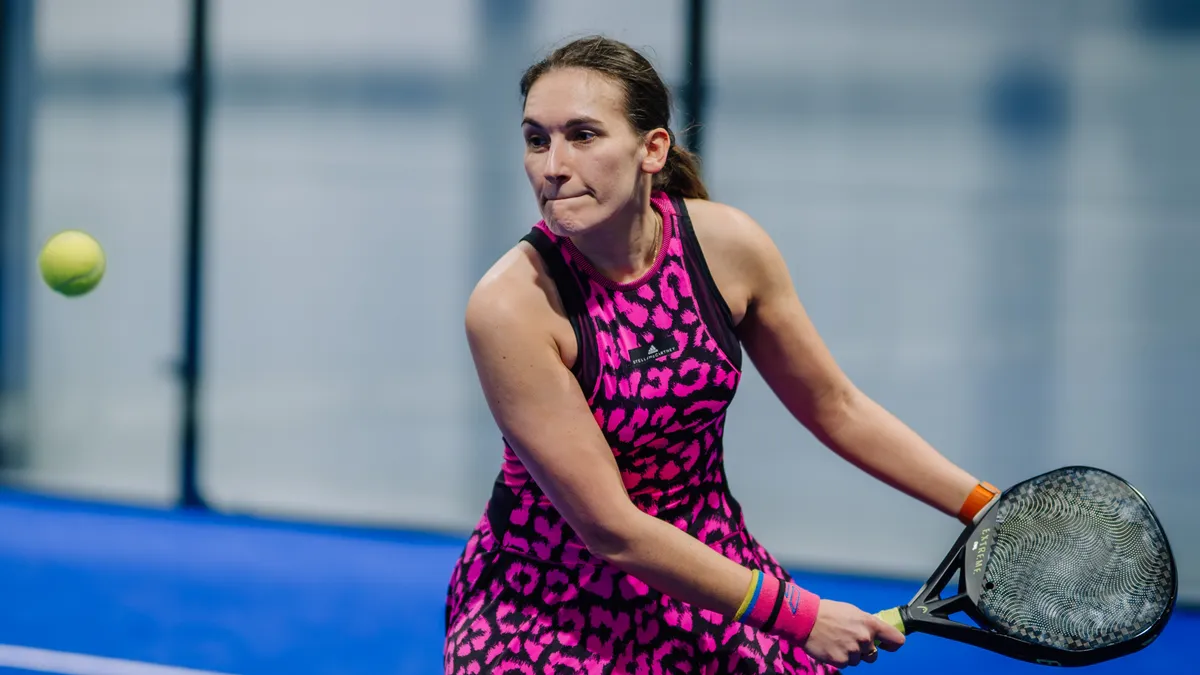
In 2025, sports will appear truly exciting! This is it: the pickleball vs. padel ball craze that's taking over fitness classes, boutique clubs, and even your Instagram feed. Envision vibrant, energetic play on sunny courts accompanied by trendy apparel.
Pickleball, a sport characterised as a hybrid of tennis and ping pong, has had a meteoric rise in popularity in the United Kingdom, with clubs estimating a 70% increase in participants since 2024. With glass-enclosed courts, high-energy doubles matches, and an ever-expanding list of famous fans, padel is now enjoying a time in the sun in the United States and Australia. There is more to these sports than what initially appears. Things like courtside styling, customised playlists, and community involvement are important. Want to know where the kids are rallying? Here’s the dish on padel ball vs pickleball, and you can ultimately decide which one’s for you!
The pickleball vs. padel ball argument is about more than just leisure time; it's about a whole way of life. Curious? We explore 2025's heated debate on two trending racket sports!

Paddleball vs Pickleball: Court design
To begin with, the padel court is slightly larger than the pickleball court. In comparison to a pickleball court, a padel court is 20 by 10 metres. Additionally, there is a slight modification to the layout. Unlike pickleball, which has its service boxes linked to the baseline, padel follows a tennis court layout with two boxes near the net.
Pickleball, on the other hand, has a no-volley zone—the kitchen—that spans the whole court and extends for about 1.06 meters on each side of the net. Next, we have the walls, which are the most noticeable change. The typical layout of a padel court includes a metal cage, glass walls, and two doors. You can create thrilling rallies in padel by playing off the walls.
Padel vs Pickleball: Rules of the game
Unlike pickleball, which may be played either as singles or doubles, padel is usually played solely as a doubles game. Before playing the point out, both sports begin with an underarm serve that is diagonally hit into the opponent's service box. A single bounce is all that's allowed in padel and pickleball. You may make a return by hitting the ball off the walls or letting it strike the walls, which is what makes padel special. If the ball hits the wall before bouncing on your opponent's side, it's out.
One stroke on either side of the net, including the serve, is required in pickleball before a volley may be played. Volleys may only be played from locations outside of the court's "kitchen" region. In pickleball and padel, the equipment plays a key role in quietly establishing the ambience of the game.
Padelball vs Pickleball: Key differences in skill
Accuracy and dexterity are key in pickleball. The 26–40-hole plastic ball changes behaviour based on its surroundings. Outdoor balls contain more holes in closer formations to withstand wind and bounce higher, whereas indoor balls have fewer, bigger holes, making them slower and softer. Angles, control, and timing dinks often triumph over raw power in this game of tactical rallies. The composite or graphite paddle has a solid face that does not have any strings. It has a natural feel and quick response in the hand, and new textured coatings allow players to to add spin without sacrificing the characteristic clean contact.
Padel equipment, on the other hand, is designed to be quick and responsive. This ball is like a low-pressure tennis ball—it has just the right amount of bounce to make the game exciting without making the court impossible to control. The carbon fibre frame provides rigidity and power, while the perforated foam core absorbs stress. The racket is small and lightweight. Its design prioritises rapid exchanges and deft rebounds off glass walls, making it ideal for high-speed doubles play. Because of the close quarters and high level of action on the court, players are also required to wear wrist tethers.
Performance footwear is a must-have item. Pickleball shoes usually include a lightweight cushioning system, a multi-directional outsole, and a sturdy grip. With more manufacturers entering the market with performance-driven designs, some players choose to modify their indoor tennis shoes for pickleball, while others choose to go with more modern sneaker shapes made expressly for the sport.
Is pickleball for me?
Get in on the pickleball action if you're a fan of the serve-and-volley style of tennis or prefer competing in doubles matches. For retirees and former tennis players who no longer have the necessary agility to play doubles tennis, pickleball has emerged as a popular and sociable activity. As a result of the high level of athleticism required, singles pickleball has emerged as a popular pathway for aspiring professionals looking to switch from tennis.
Is padel for me?
Padel is a great sport for those who are used to playing in a confined environment, such as a racquetball or squash court. Padel is a racquet sport that demands agility and skill, as well as a degree of engagement and passion from novice players that is uncommon in other types of tennis.