






 Copy Link
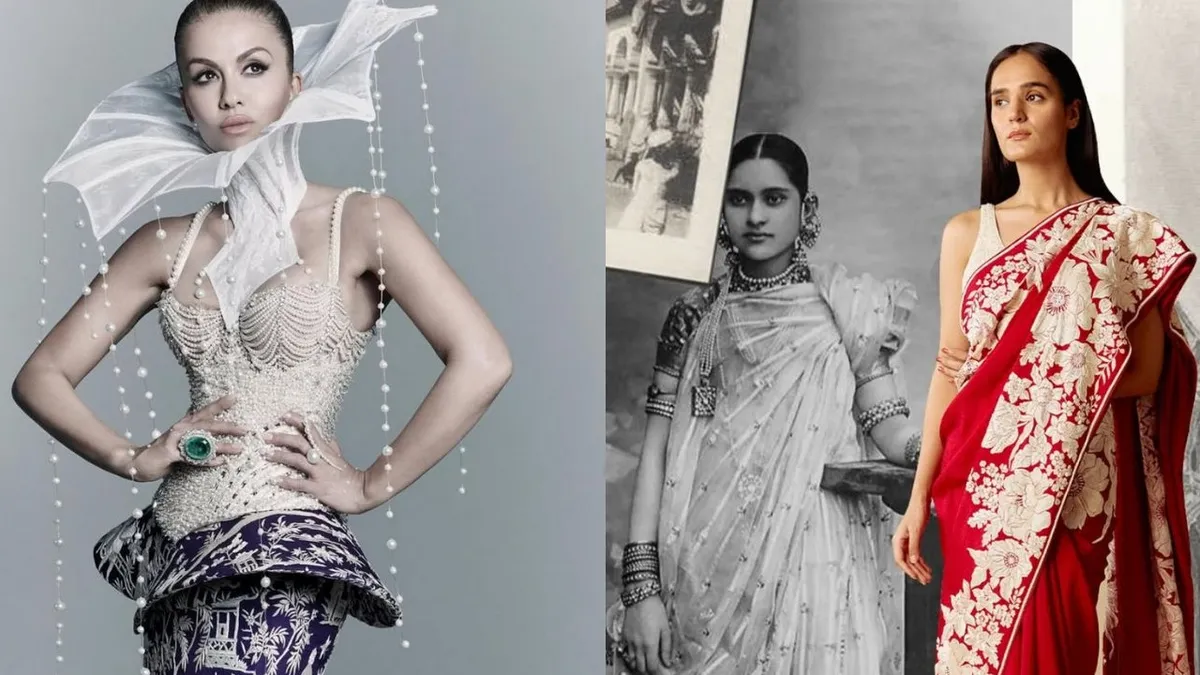
Parsi gara sarees have been the epitome of elegance and tradition for centuries, not just for the Parsi community but for Indian textiles and history in general. But the recent debut of Parsi Gara on the biggest fashion platform in the world – the Met Gala – has caught everyone’s sartorial eye. Manish Malhotra pieced together Natasha Poonawalla's outfit for the 2025 Met Gala using two antique Parsi Gara saris. The entrepreneur's attire, centred on a fishtail skirt, was sculpted from two historic Parsi Gara saris, one of which was a gem from the archives. The tapestry of silk threads stitched by hand appealed to the long history of Indian patriotism. An exquisite antique French lace bralette accented in scalloped pearls complemented the skirt—an essence of dandyism, where rigid form meets understated luxury—and a corset-cummerbund. But what is the history of the traditional Parsi saree, and most importantly, how can one style it? We explore all these questions and more!
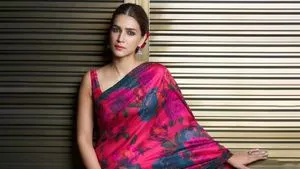
The history of the Parsi gara saree
When the Parsis of India began travelling to China for commerce, gara embroidery became part of our creative vocabulary. They travelled from India with opium and cotton, which they traded for tea in China. The British were keen on increasing their tea sales in Europe, where the item was becoming more popular. Thanks to their trade with the British, the Parsis grew wealthy very quickly.
They also brought back pottery and other artefacts that they found in China aboard their ships. According to folklore, one of the merchants returned with a novel kind of creative needlework that was aimed squarely at the European market and included very realistic depictions of flora and animals. In the end, it was ordered to be a 5.5-meter sari for the Indian merchants. Before the ladies began making the journey to China, all of the incoming pieces were meticulously stitched from corner to corner. However, as time went on, they began editing the pieces to include borders, blank spaces for tucking, and other details. The Parsi community in Bombay had just arrived, grown quite wealthy, and desired a new style of dress; the Gara sari became their emblem.
The renowned "Cheena Cheeni" design, for example, features a Chinese man and a Chinese woman amidst a Chinese landscape of pagodas, bridges, plantations, and people going about their everyday lives in China while toting lanterns and various trinkets—items The design was so foreign and unusual to the Indian eye that it quickly became a desirable commodity. The children's clothing, including tunics called "Jhablas" and trousers named "Ghicha," as well as the narrow borders called "Kor," was also brought back together.
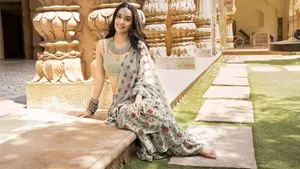
How do I drape a Parsi Gara saree?
Passed down over many generations, Parsi Gara is a cultural art form. It marks the beginning of a special chapter in a Parsi woman's life and is a source of immense pride for all Parsi women. Not only is the painting outstanding, but the hanging method is what makes it unique. But how do you drape a Parsi Gara saree? We explain!
- Master the basic tuck: In other words, it means just what it says. Essentially, you form a single circle around yourself with the saree. Almost every draping technique starts with this.
- Drape the pallu: The draped-over-the-shoulder portion of the saree is called the pallu. In this kind of drape, the pallu is worn over the right shoulder, similar to a Gujarati saree, rather than under the left arm as in the Nivi drape.
- Pleat it tight: After modifying the pallu's drape, pleat the remaining textiles. Placing a pleat in your saree requires two hands: one held between your middle and index fingers and the other between your thumb, pinky, and ring finger. Begin pleating the remaining fabric until you have used it all. Make a knot in the middle of your waist and secure it with a pin.
- Add a Parsi twist: Adjust your pallu and tuck the pleats inside. Then, bring one end of the pallu in front of you from behind your back. Thereafter, tuck the corner into the saree's side.

Styling a Parsi Gara Saree
- The wonderful thing about a Parsi gara saree is that it is innately beautiful! Intricately detailed with beautiful birds and flowers, you just have to let the craftsmanship shine. This makes styling a Parsi Gara saree a breeze! To begin with, make sure your blouse is simple yet elegant. This is to ensure that the personality and detailing of the saree stand out, so we recommend a silk or a satin blouse. You can also add your flair by adding flared elbows and other simple embellishments to amp up the look!
- When accessorising, subtle is the name of the game. Because the saree will stand out, keep it simple with a pearl choker, studs and simple bracelets to complement the saree. We recommend a slick bun with a simple gajra, kohl-ed eyes and a nude lip. Simple, understated, elegant.
- When draping, go for the traditional Parsi style that shows off the elaborate pallu across the front, or stick to the classic Nivi drape for a modern appeal. Pair with embroidered mojaris or metallic heels to complete the look. The key to styling a Parsi Gara is restraint—let the saree tell its own story.