





 Copy Link
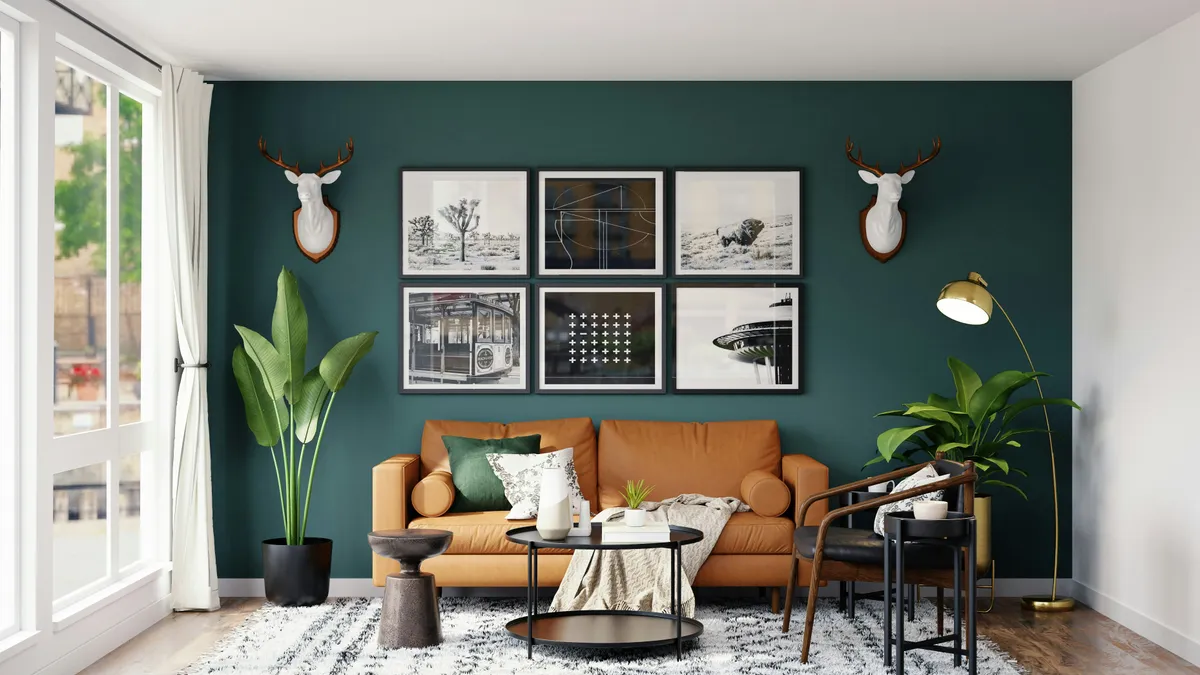
As we wrap up 2025 and get ready to usher in the new year, it is a time to bid adieu to all things old and herald the new. It is that time of the year when we check what is in vogue, trends that are expected to rule the roost and looks set to go strong in 2026. So, what is new for home décor in the next year?
From tactile maximalism to sensory rich interiors, there is a clear shift towards creating homes that are rooted in tradition and feel deeply personal. “In 2026, design philosophies will see a confident return to expressive, richly layered interiors where colour and emotional tone take centre stage thus breaking the monotony of muted colours and westernised perspectives. Spaces will embrace liveliness, and will become deeply atmospheric, balancing boldness with elegance through warm neutrals, earthy vibrance, jewel tones and saturated accents. This combined with luxurious materials, natural light, and sculptural detailing is sure to add a sense of drama, comfort, and identity to homes” says Aditi Savani, Principal Interior Designer, Studio Tattva by Aditi.
Edited Maximalism and Quiet Luxury
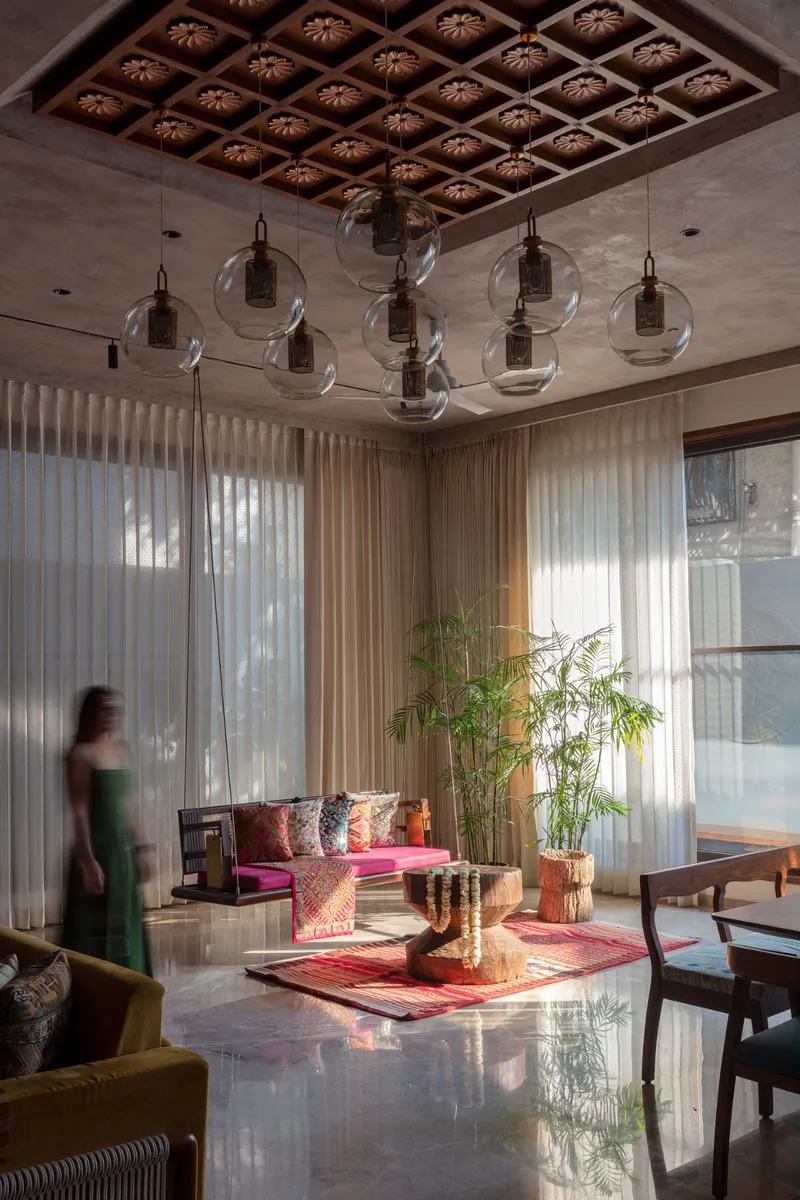
The new year is expected to see stark minimalism out but instead the focus is on creating soft structured spaces. Think softened corners, curved junctions, fluid ceiling lines and furniture that invites you to sit rather than stare. Also, quiet luxury with an Indian mood board is definitely in. “True luxury is becoming calmer and more contextual. Instead of logo-heavy, showy decor, we’re seeing elements like finely detailed millwork, impeccably finished stone and custom furniture. In India, this translates to spaces where a hand-carved console, a brass inlay, or a handwoven rug becomes the hero against a very pared-back shell. Such homes feel indulgent, but never loud. Again, there is a focus on ‘craft-forward’, not ‘craft-as-accessory’. Instead of adding one token “artisan piece”, craft will be structurally integrated into the home – stone inlay in flooring, hand-fluted wood panelling, custom marquetry doors, woven cane wardrobes, blown-glass lights etc.” says Nayan Shah, Founder of Palindrome Spaces.
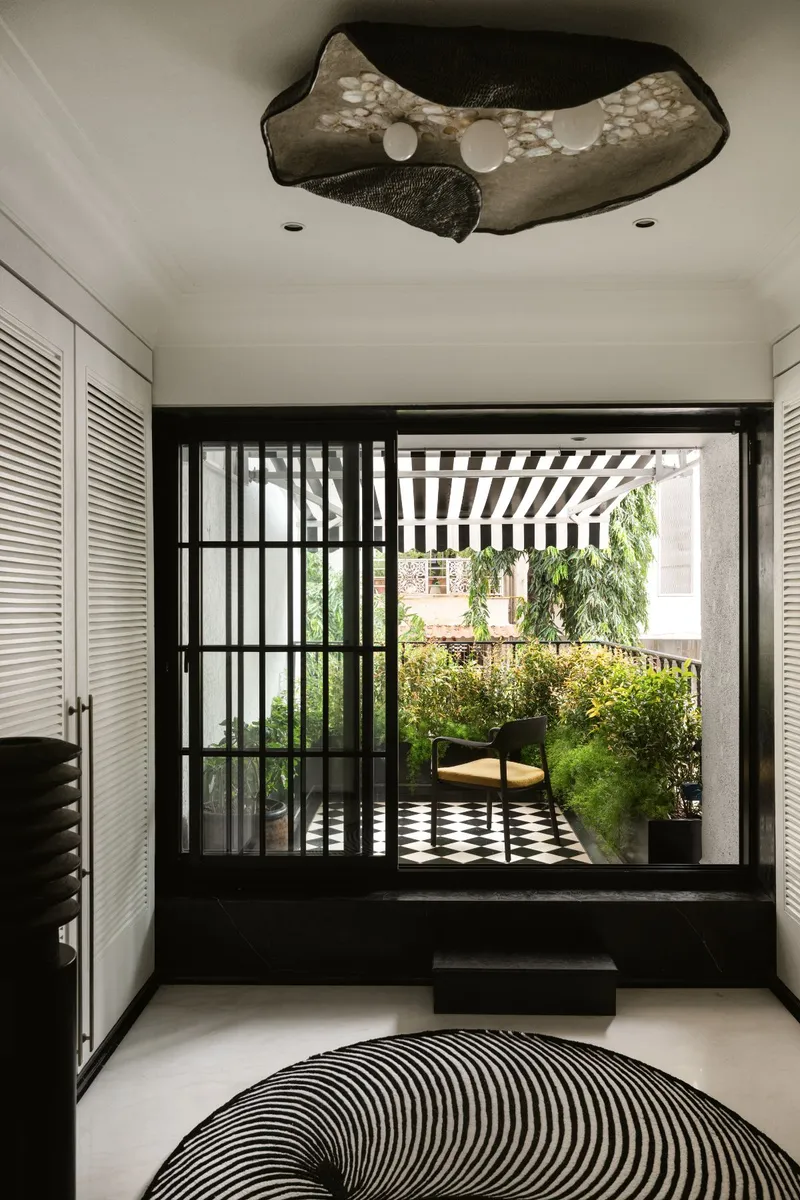
The year will see more thoughtfully planned dens, reading corners, gym/yoga rooms, study nooks for children and well-designed utility spaces. Also, lighting is expected to steal the spotlight, quite literally! Instead of one dramatic chandelier doing all the work, 2026 homes will use layered lighting: cove lighting, wall washers, concealed linear lights, task lights and warm, dimmable lamps. “Maximalism isn’t going away, it’s just growing up. One or two areas, say a bar, powder room, dining or family lounge, will be more expressive with features like patterned stone, bolder colour, richer wallpapers and art. But the rest of the home will remain calm, so the impact feels curated rather than chaotic” adds Shah.
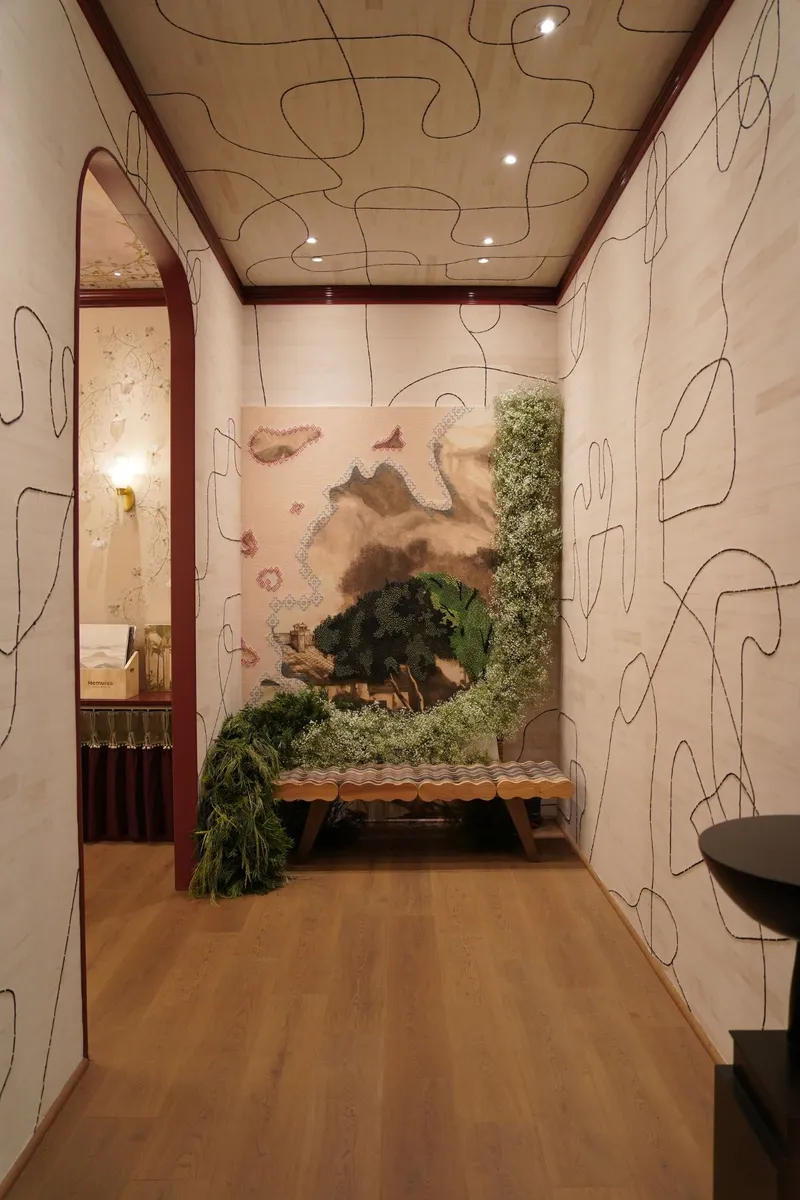
Design is expected to strongly leverage on technology in the form of AI-assisted scaling and digital prints blending seamlessly with handwork to create bespoke hybrid surfaces. “Ultimately, 2026 will be the year when interiors will become more personal and layered; where every wall will tell a story, and every space will represent an elevated handcrafted vision of home” says Neha Jain, Founder, UDC Homes.
Colours, Shapes, Materials, Silhouettes and More
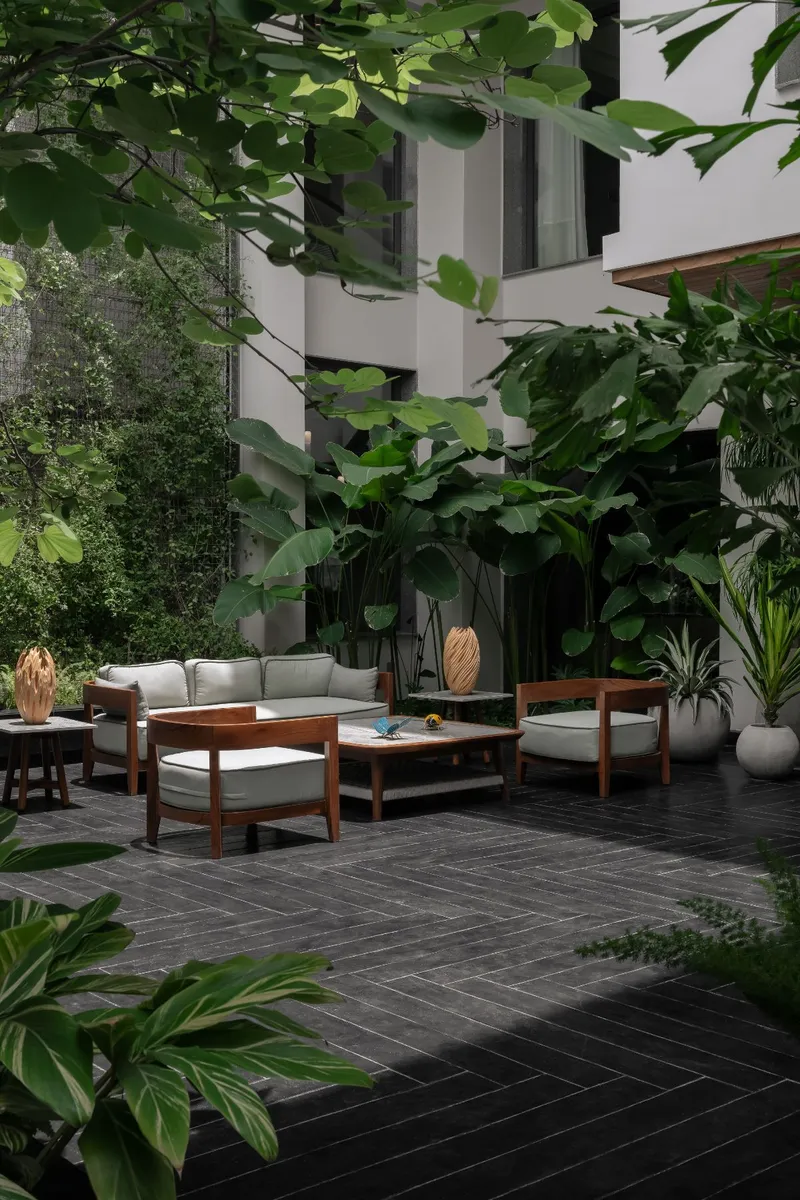
Biophilic materials, warm textures and nature inspired storytelling is expected to stay strong in 2026. “The material palettes will shift towards hyper-tactile luxury. It will include natural stone like Thassos, Statuario and textured marbles, warm metals in brushed brass and rose-gold mirror finishes. Further, limewashed walls, fluted and ribbed glass, natural wood veneers, handmade rugs, and sustainable finishes like no-VOC paints, LEED-grade lights and water efficient fixtures will be popular. Materials will be layered to create calm, depth, and sensory richness rather than being visual-heavy” adds Savani. Natural linens, mulberry silk, handloom and brushed cottons, bouclé, hemp, jute and wool will be increasingly seen in upholstery, rugs and drapery.
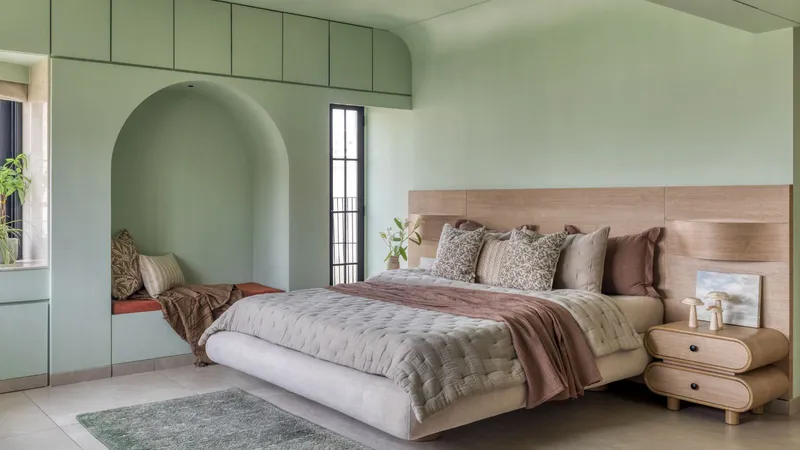
In 2026, designs will continue to evolve in terms of sculpture as well as ergonomics. Soft geometry – straight lines with softened edges: bullnose profiles, rounded corners on islands and tables, pill-shaped mirrors, gentle curves on headboards and sofas will be in vogue. “I’m seeing a return to curves, a rounded sofa back, an arch in a doorway, a plump, comfortable armchair. Furniture that feels solid and settled; it’s a comfortable, reassuring sort of look” says Mita Mehta, Founder, Interior Stylist & Curator, Mita Mehta Studio.
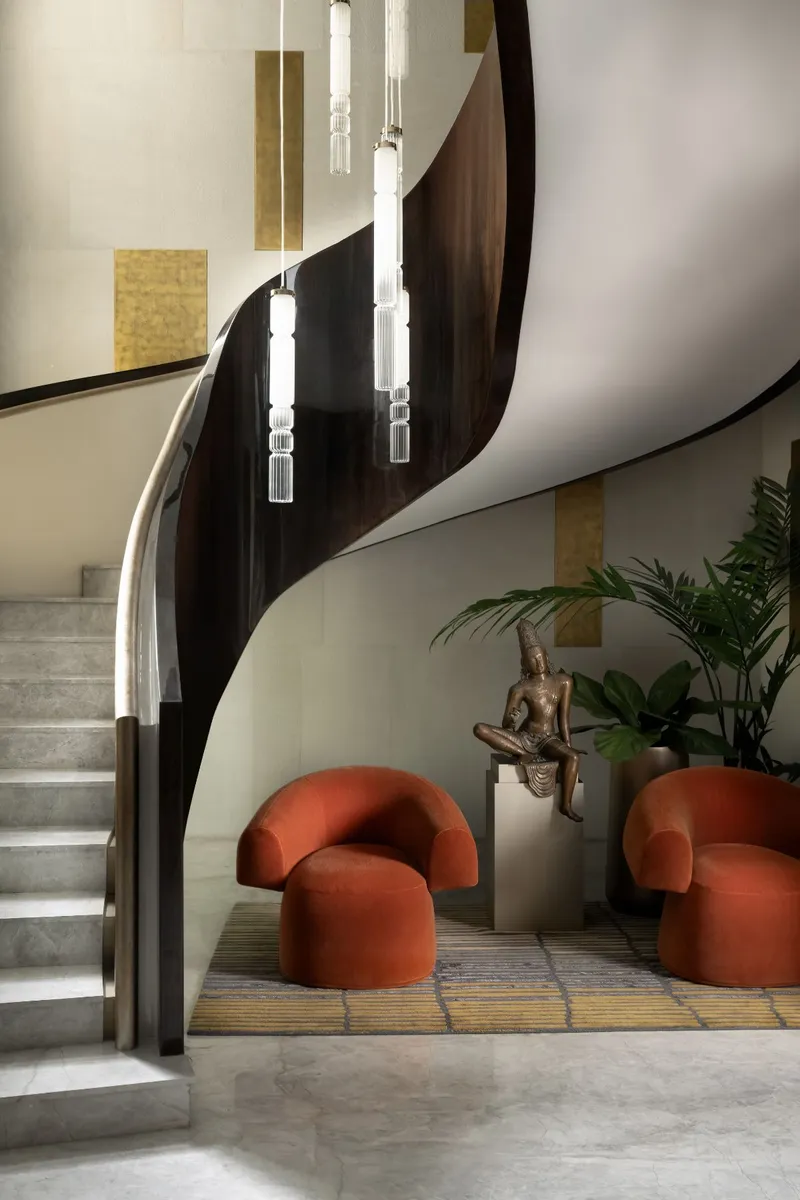
Elegant design is returning to organic silhouettes inspired by sea waves, soft arcs, and coastline-like movements. “Curved doorways, capsule-like lifts, sculptural staircases, undulating wall panels, cocooned ceilings with layered lighting, and abstract, irregular shapes in decor will dominate. The overarching silhouette of interiors will lean towards softness, fluid motion, and architectural calm” adds Savani.
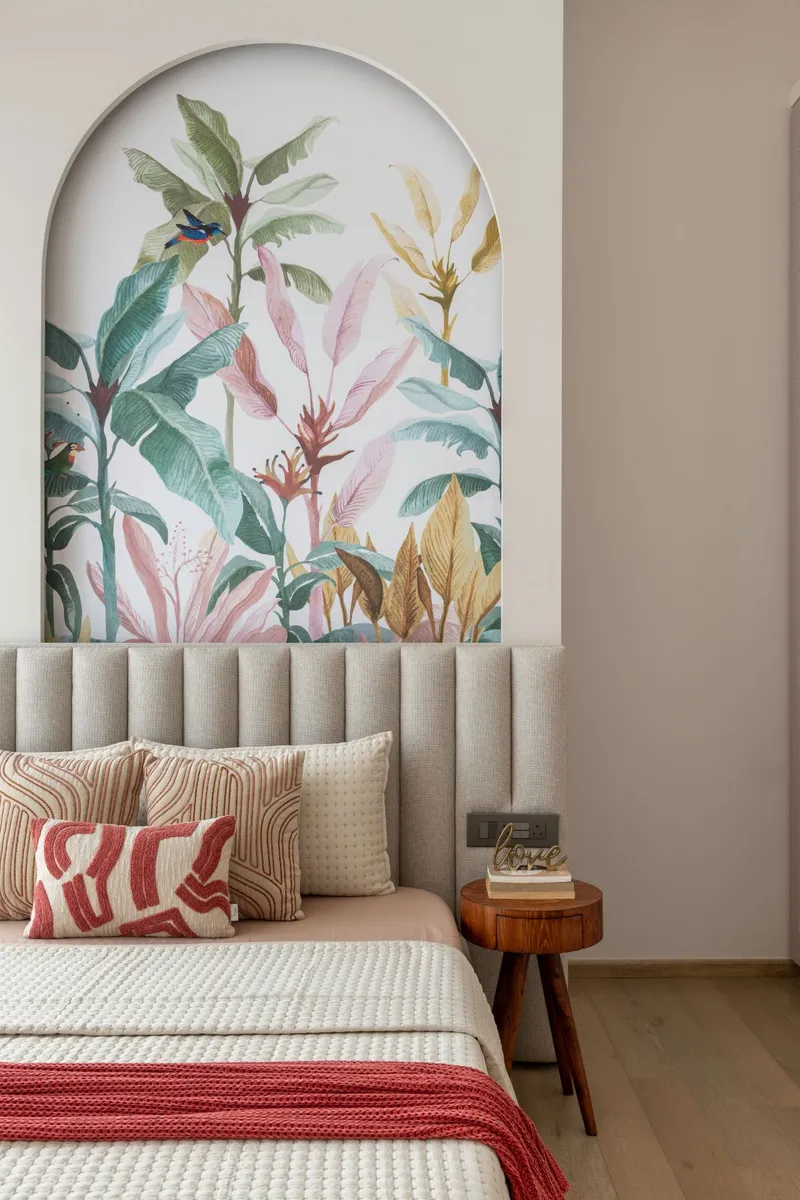
Savani further adds that colour stories will be inspired directly from nature, like soft pastels, gentle taupe, mushroom beige, warm ivories, champagne golds, and sky-fed blues. These colours will stay grounded and balanced with coral and rust from reef ecosystems, gentle greens drawn from coastal landscapes, and rare, intentional accents like crimson or deep rust to evoke a feeling of serenity. Metallic tones will remain warm and brushed rather than shiny and loud.
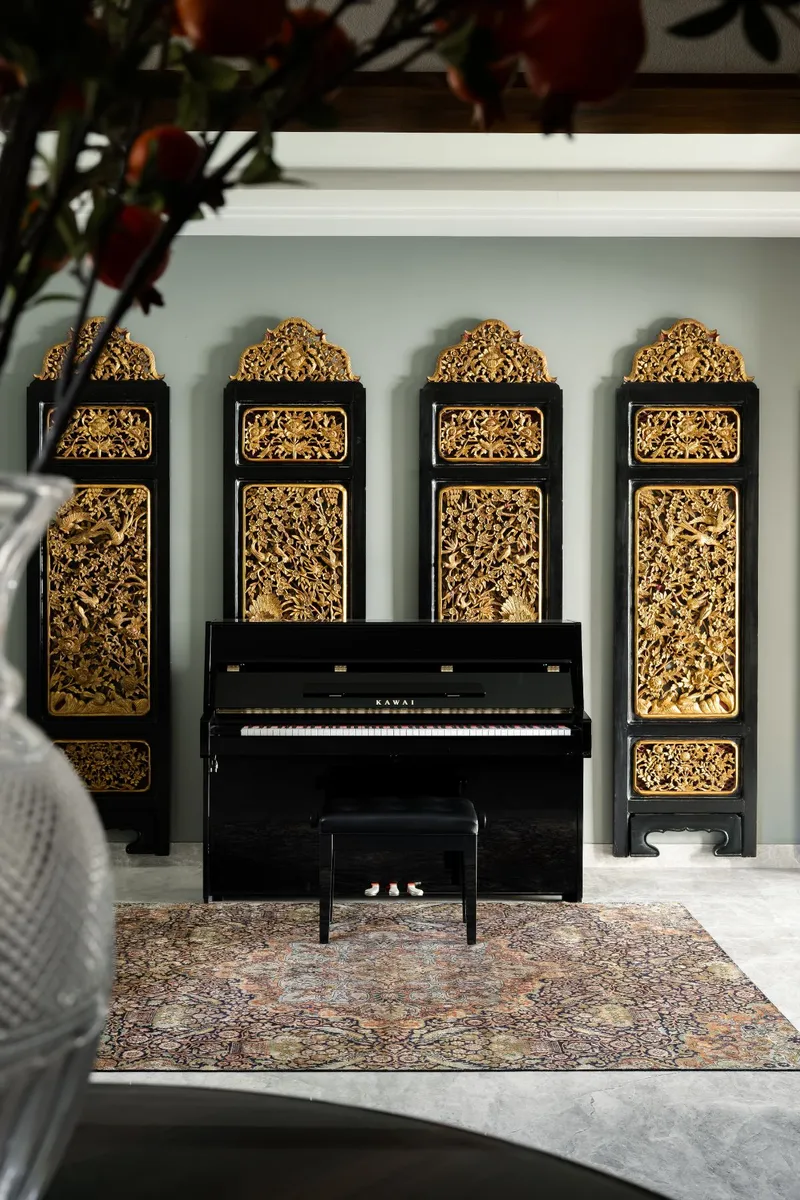
“Jewel tones will make a comeback too, but in a more sophisticated, velvet-like way with deep oxblood, merlot, forest green, and midnight blue serving as grounding accents. Above all, 2026’s colour story is about harmony and atmosphere; earthy warmth paired with softened botanicals, touched by gentle metallics, creating spaces that feel serene, storied, and hand-finished,” adds Jain.
Longevity is the Real Trend
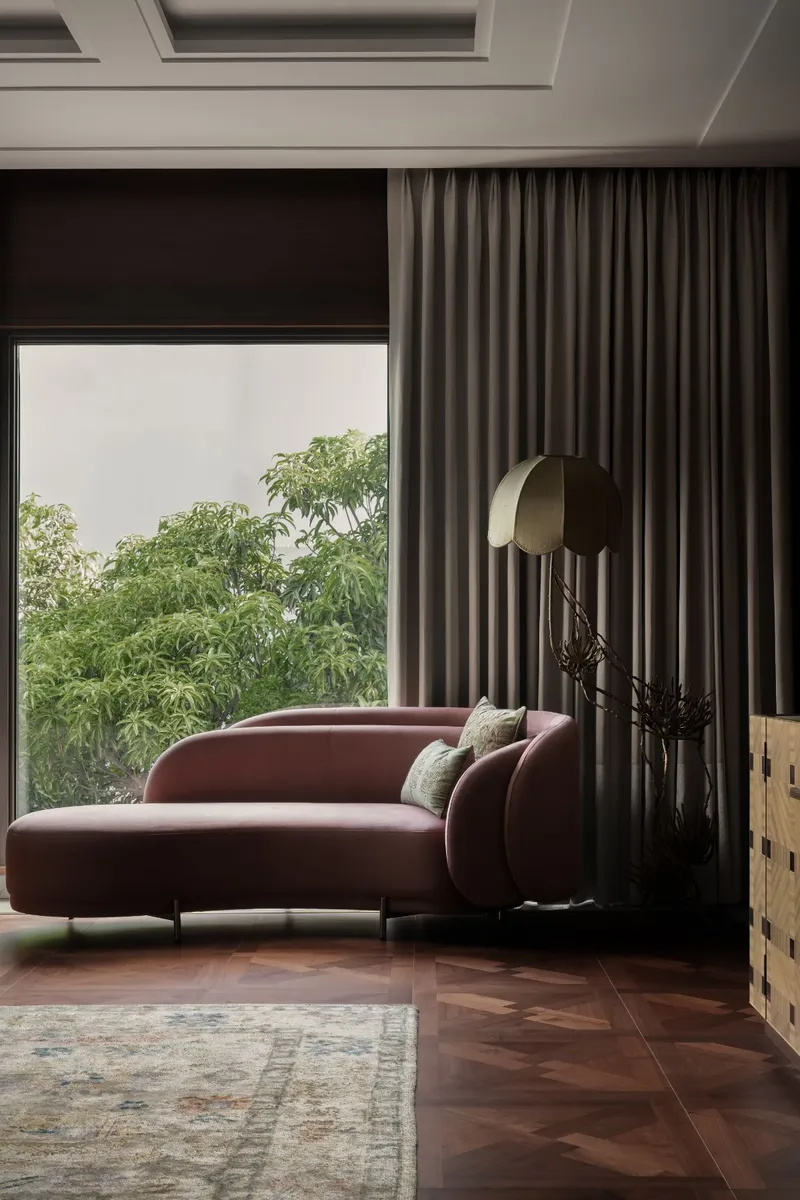
It is key to note that while trends may be transient, the most sustainable, luxurious decision you can make is to design a home that feels timeless and personal. So, while it is good to keep track of the trends, the objective should always be to create an emotionally resonant home rather than a visual spectacle. “In three decades, I've learned that clients rarely come to me wanting a 'look.' They come wanting a feeling of peace, of belonging, of inspiration. The most beautiful spaces aren't decorated; they are curated over time with a slow, defiant love for the authentic that's not generic,” concludes Mehta.