






 Copy Link
Snapshots
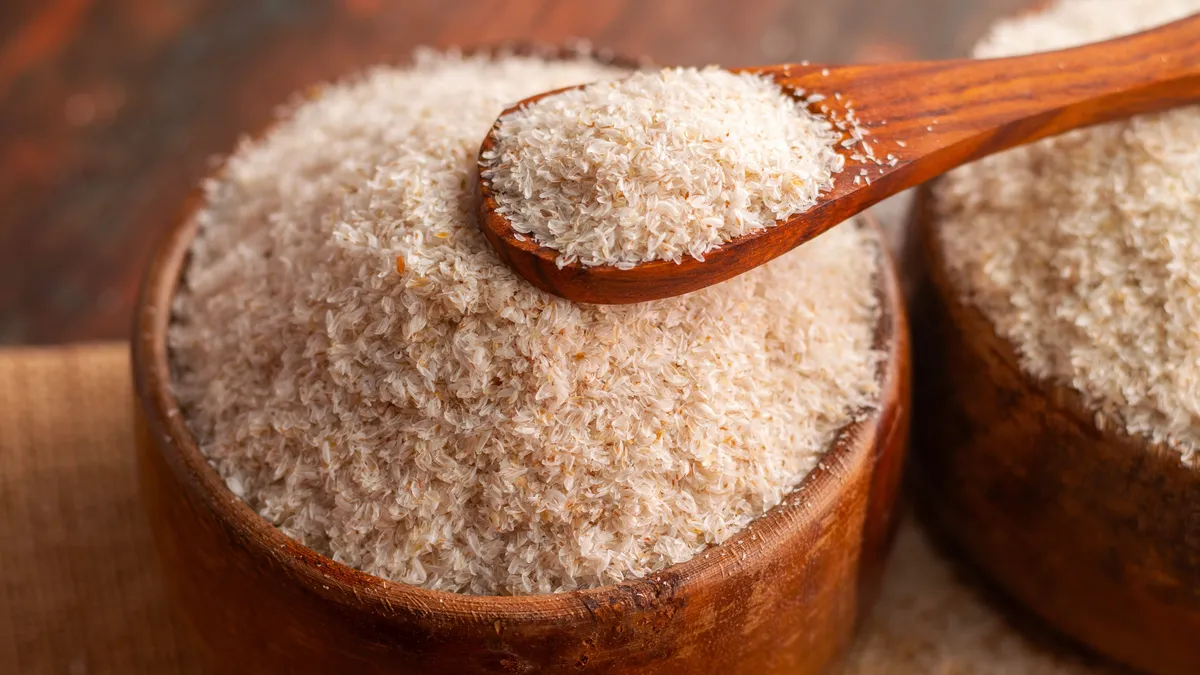
Yes, you read that right. Isabgol is making a comeback, and HOW! The psyllium husk, or isabgol, which was formerly reserved for private bathroom discussions, is now all the rage. Diet charts and influencer reels have the same gooey gel that grandmas used to swear by to "keep things moving" as a miracle cure for gastrointestinal issues, sugar control, and cholesterol reduction. In 2026, isabgol (psyllium husk) is all the rage again, making waves in wellness clinics, nutrition forums, and social media. Its scientifically supported role in enhancing digestion, intestinal health, and metabolic balance has brought it from its humble beginnings as a simple home cure for constipation to worldwide recognition. People are re-visiting this natural fibre solution due to the increase in digestive issues associated with stress, processed foods, and sedentary lives.
The science behind your grandfather’s favourite isabgol
Our digestive system is more like an inquisitive neighbour with a direct connection to our brain than a piece of plumbing; yet, we handle it like plumbing. Fermentation of fibre causes the production of short-chain fatty acids (SCFAs) by the bacteria in your digestive tract. These small molecules mediate the relationship between digestion and your anxiety response.
They function along a few of the actual channels. It seems like they activate vagus nerve receptors, signalling to the brain that it's safe to turn off lights indoors. They have the potential to affect the cortisol-regulating hormonal loop. The cortisol spike in healthy individuals exposed to an acute stress test was considerably reduced when given SCFAs by colon-delivery capsules, as compared to a placebo, in a randomised experiment published in Neuropsychopharmacology in 2020. It speaks a lot about the molecules' operation that their bodies responded with greater serenity, even if their perceived stress levels remained unchanged.

SCFAs help the gut lining stay healthy, which in turn lowers inflammation. Inflammation is a known stressor for the entire body. This is summarised in a review published in Frontiers in Endocrinology, which notes that SCFAs have the potential to affect the human HPA axis. This axis is responsible for regulating the amount to which your stress hormones rise and fall.
The gut often creates more noise than we realise daily. The nervous system quits getting distress messages that were never necessary when fermentation patterns improve, and inflammation lowers. Although this study is in its early stages and lacks definitive evidence, promising results from human trials suggest that these chemicals produced in the gut may be worth further investigation.
Why Indians need Isabgol
We still don't receive enough of the fibres our digestive systems need, despite a diet heavy in lentils, veggies, and grains. The national habit of eating dinner way too late, along with hard workdays and uncertain sleep, adds up to a lot of stress for the gut. In this context, Isabgol begins to make sense, as it bridges a gap that our routines keep expanding.
Benefits of Isabgol
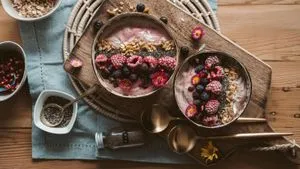
- Proper digestion: The fact that isabgol can restore intestinal regularity without causing serious adverse effects is a big reason why it is now again popular. It helps normalise stool consistency by softening stools in constipation and absorbing excess water in diarrhoea. Psyllium also has a slight prebiotic effect, which helps good bacteria thrive and improves the health of the gut microbiome as a whole. This microbiome is important for immunity and nutrient absorption.
- Cholesterol and glucose management assistance: Not only does psyllium aid digestion, but it also binds bile acids in the colon, which lowers LDL (bad) cholesterol, according to research. People with diabetes or insulin resistance can benefit from it because it reduces the absorption of carbohydrates, which helps to avoid dangerously high blood sugar levels after meals.
- Weight management with isabgol: Appetite regulation is another factor contributing to its resurgence in popularity. The gastric expansion caused by the fibre makes you feel full for longer, so you won't want to snack as much. In conjunction with a healthy diet, it encourages better eating habits, but it is not a weight loss pill.
How to have isabgol
- Now it's popular to use 1-2 teaspoons in a glass of water or coconut water, combine it with overnight oats, or add it to smoothies.
- When added to curd, dal, or soup, the fibre becomes completely invisible.
- Be sure to drink plenty of water when taking it. In the absence of water, fibre has the reverse effect of what you intend.
- While isabgol has no health risks to the average person, those with serious gastrointestinal disorders should talk to their doctor before using it.
Science finally catching up to tradition is the driving force behind Isabgol's rise, not nostalgia. In a world where digestive wellness is all the rage, this mild, plant-based fibre has stealthily risen to the top. Better, smoother, more balanced digestion is all it promises—no miraculous changes, which is probably the most appealing aspect.