






 Copy Link
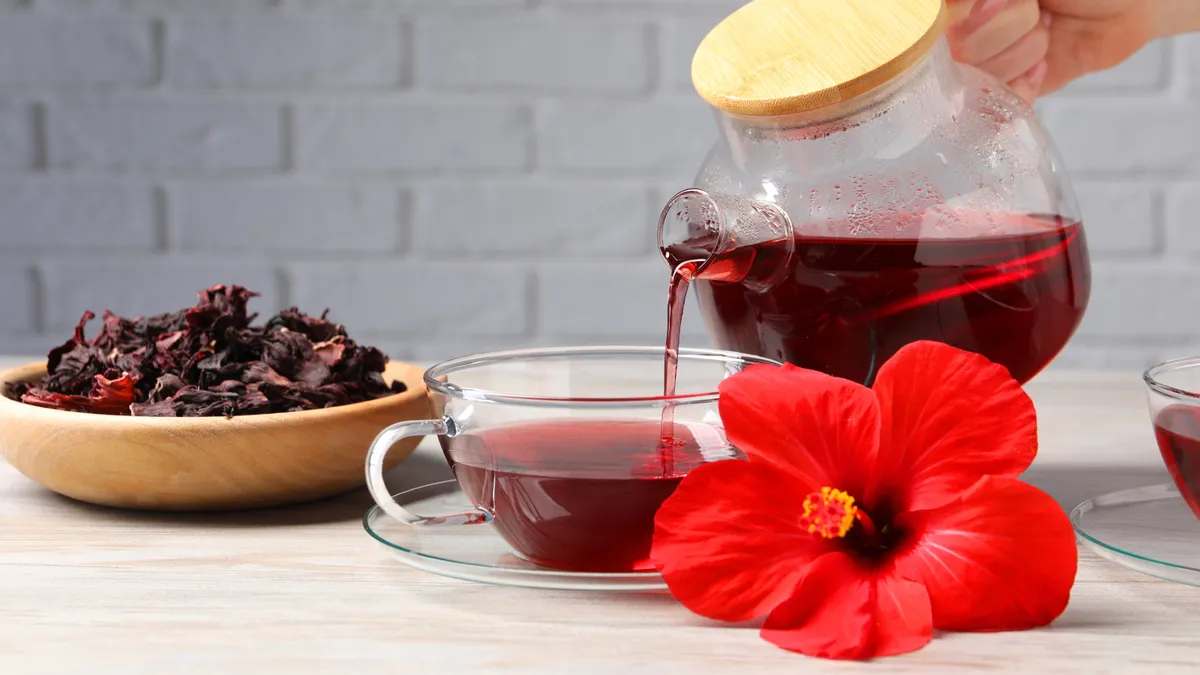
This pink drink comes with a host of benefits! You can get hibiscus in the form of an extract or, more commonly, as hibiscus tea. An herbal beverage called hibiscus tea is prepared by steeping hibiscus plant parts in water that is boiling water. It tastes like cranberries but with a tartness, and it's good hot or cold!
Hibiscus sabdariffa is the most popular variety of hibiscus used to create tea, although there are hundreds of varieties of hibiscus that differ in climate and location. Hibiscus tea has many potential health benefits, including lowering blood pressure, inhibiting bacterial development, and assisting with weight loss, according to research. The calyx is the name given to the plant component that is used to make hibiscus tea. The hibiscus flower is shielded and kept upright by the calyx. Hibiscus is a staple plant in many cuisines and traditional medicines around the world. Two species of hibiscus, Hibiscus sabdariffa and Hibiscus rosasinensis, are commonly used in tea preparations.
Before you scroll to learn more about hibiscus tea, do you know hibiscus is just god sent for hair! Learn more here:

What are the must-know hibiscus tea advantages?
Lowering blood sugar levels
H. sabdariffa tea reduced LDL cholesterol and decreased fasting blood glucose levels, according to a review. This is the blood sugar level in an individual who has gone without food for an entire day. One way doctors can tell if a patient has diabetes is by checking their fasting blood glucose levels. Evidence of anti-diabetic properties and potential assistance with diabetes control was also reported in another review with H. rosasinesis.
Contains a wealth of antioxidants
Reactive oxygen species, commonly known as free radicals, are harmful chemicals that can damage your cells, while antioxidants help protect you from these damaging substances. Due to its high antioxidant content, hibiscus may help prevent illnesses and injuries that result from the accumulation of free radicals. One study found that injecting hibiscus extract into the bloodstream of patients with Marfan syndrome, which is a connective tissue disorder, decreased oxidative stress and increased levels of antioxidants in the blood. Consistent with these human results, an animal study found that hibiscus extract protected rat cells from harm. However, instead of using hibiscus tea, these trials utilised very high concentrations of hibiscus extract. To learn if the antioxidants in hibiscus tea have any effect on people, further studies are required.
Managing one's weight
A recent meta-analysis and review examined the effects of H. sabdariffa when combined with other plant extracts. Both healthy individuals and those struggling with obesity may obtain relief from their weight problems by drinking hibiscus tea blended with other plants, according to the authors. The metabolic syndrome is a cluster of risk factors for cardiovascular disease, stroke, and type 2 diabetes; the researchers believe it may be a beneficial tool in treating this condition. Nonetheless, they stress that these are only initial findings. The results indicate the need for further studies to investigate the potential benefits of hibiscus tea in treating metabolic syndrome or obesity. Hibiscus tea has demonstrated potential in several trials for combating obesity and assisting with weight loss. According to one study, hibiscus extract reduced BMI, body fat percentage, and total body weight after 12 weeks. Nevertheless, further investigation is necessary due to the study's modest size.
Best for hormonal health
Traditional Mexican medicine utilizes H. rosasinesis for a variety of purposes, including the treatment of premenstrual syndrome (PMS), a cluster of symptoms that some women experience in the days leading up to their periods. Hibiscus has a history of being used in the treatment of menopause symptoms. According to one test tube investigation, hibiscus extract suppresses E. coli. estrogen in the body. Additional research is necessary to determine whether this tea can effectively alleviate menopause or premenstrual syndrome symptoms.
Curative hibiscus tea for the kidneys
The impact of hibiscus on kidney health has only been examined in a handful of studies. There was some evidence that hibiscus extract helped with kidney function and UTI symptoms. As a diuretic, hibiscus tea aids the kidneys in flushing out excess fluid.
Reduce the risk of hypertension
One of the most remarkable and well-known advantages of hibiscus tea is its potential to reduce blood pressure. Chronic hypertension (hypertension weakens the heart muscle due to the constant stress it experiences. An additional risk factor for cardiovascular disease is hypertension, or high blood pressure. Research suggests that hibiscus tea may reduce blood pressure by affecting both systolic and diastolic levels. A single pilot study compared the effects of hibiscus tea and a placebo on 46 hypertensive patients. Systolic and diastolic blood pressure were shown to be lower in the hibiscus tea group compared to the placebo group after one month of treatment.
How to make hibiscus flower tea?
Making hibiscus tea requires different steps depending on the quality of the materials and whether you are using dried whole calyces or ground calyces. To achieve the desired flavour and strength in an herbal infusion or tisane, one usually has to experiment. Although the colour and flavour of tea are enhanced with a longer steep, the bitterness of any tea can be intensified if steeped for too long.
How to make ordinary organic hibiscus tea with dried leaves:
- For every 250 ml cup, use 2 teaspoons.
- Add pulverised hibiscus to a pot of boiling water.
- Leave it to steep for 5–7 minutes.
- Prior to savouring or preserving tea, strain it.