






 Copy Link
Snapshots
As expected, the pickleback initially gained traction in New York in the early 2000s. It all started when a bartender in Brooklyn proposed a whisky chaser with pickle brine. The rest, as they say, is history in the making. It quickly became popular among bartenders, whisky connoisseurs, and anybody else with a passing interest in pickles after that.
So, what is a pickleback?
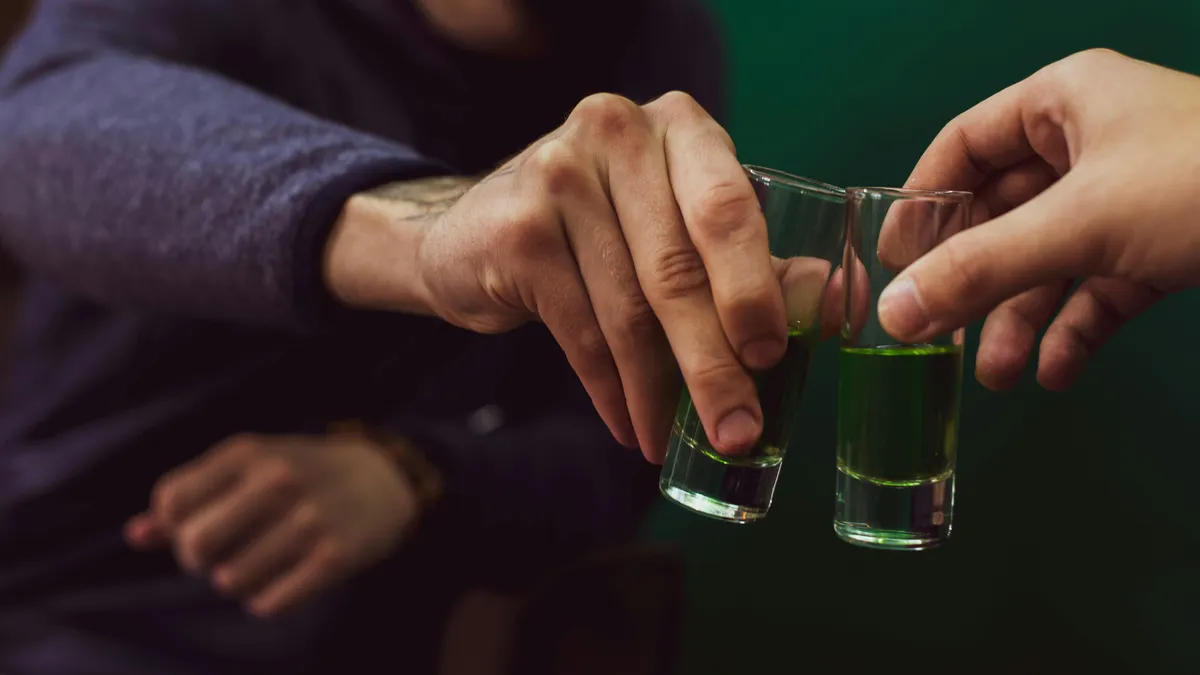
A pickleback is a shot in which a shot of pickle brine follows a shot of whiskey; however, the word "pickleback" can also mean just the pickle brine shot. Biting into a pickle (sometimes an entire dill pickle) is another option to accompany the shot. The pickle brine cuts through the sourness and the heat of the whiskey.
What is the history behind this iconic drink?
After a trip to New York City, British tourists brought the recipe back to Britain and shared it with pubs in Devon and London. In 2012, Byron Knight, a bartender from the United Kingdom, made a bottled pickleback from dill pickles that he grew himself. The recipe called for ginger, mustard seeds, dill, garlic, and dark sugar. The beverage has also made its way to South Australia, Shanghai, Belfast, New Zealand, and Canada.
Just as a conceptual combo, the pickleback isn't unique. A salty and sour accompaniment is a typical serving for powerful liquors. It's hard not to picture the traditional tequila and lime juice cocktail, when the drinker licks salt off their palm, takes a shot of tequila, and then finishes the sequence by sucking on a wedge of lime. If you travel to a region where distilled liquor shots are eaten with gusto, you would expect to see similar examples of salty, pungent, and strong dishes and sauces served with them. Intense flavourings, like garlic, can handle the strength of the liquor, while the acid and salt balance out the bite. So, it's a winning mix.
The pickleback, however, has its own unique backstory: on March 12, 2006, a female guest at the Bushwick Country Club witnessed then-bartender Reggie Cunningham eating McClure's Pickles straight from the jar, which inspired the creation of the dish. Reggie became famous after he handed a customer some pickle brine and a shot of whiskey after she asked him if she could have it.
Why the pickleback works?
The vinegar cleanses your palate, leaving behind a crisp aftertaste, while the salt soothes the burn, reducing the intensity of the whisky's harsher ethanol undertones. In a good manner, your taste receptors get all mixed up; it's as if brine and whisky were mortal foes who couldn't stand each other. To be honest, it's far more effective than mixing Scotch with water or beer.
How to make the most elite pickleback
While quality should be your first consideration, picking the correct brine is ultimately a question of taste. Dill pickle brine was the initial partner, and it was really decided by pure chance. The whiskey in a single shot is the first component of a two-shot combo known as a pickleback; the brine is added to counteract the afterburn of the whiskey. The recommended serving volume for both the brine and the alcohol is 1.5 fluid ounces, which is the same as a shot. For the most part, the brine tastes best when refrigerated.
Jameson whiskey is now the most common pickleback, but it wasn't always so, and you don't have to follow it. The initial accompaniment at the Bushwick Country Club was a shot of low-quality Old Crow Whiskey served with brine from McClure's dill pickles. The kind of brine that goes well with whiskey depends on its nature. While American whiskeys are known for their robust spice flavors, Irish whiskeys are known for their sweetness.
Why does the pickleback feel so familiar to the Indian palate?
In many ways, the pickleback finds a natural cousin in India’s own way of drinking hard spirits—with something sharp, salty, and unapologetically bold on the side. Think whisky followed by a squeeze of nimbu with salt and chilli, a bite of raw mango with red chilli powder, or even a spoon of achaar masala acting as the chaser. Much like pickle brine, these Indian accompaniments are not about subtlety; they are about balance. Acid cuts the burn, salt calms the ethanol bite, and spice distracts the palate just enough to make the next sip inviting. The pickleback may have been born in Brooklyn, but its philosophy feels deeply familiar to Indian drinking culture—where intensity is embraced, flavours collide, and the ritual matters just as much as the drink itself.