






 Copy Link
Snapshots
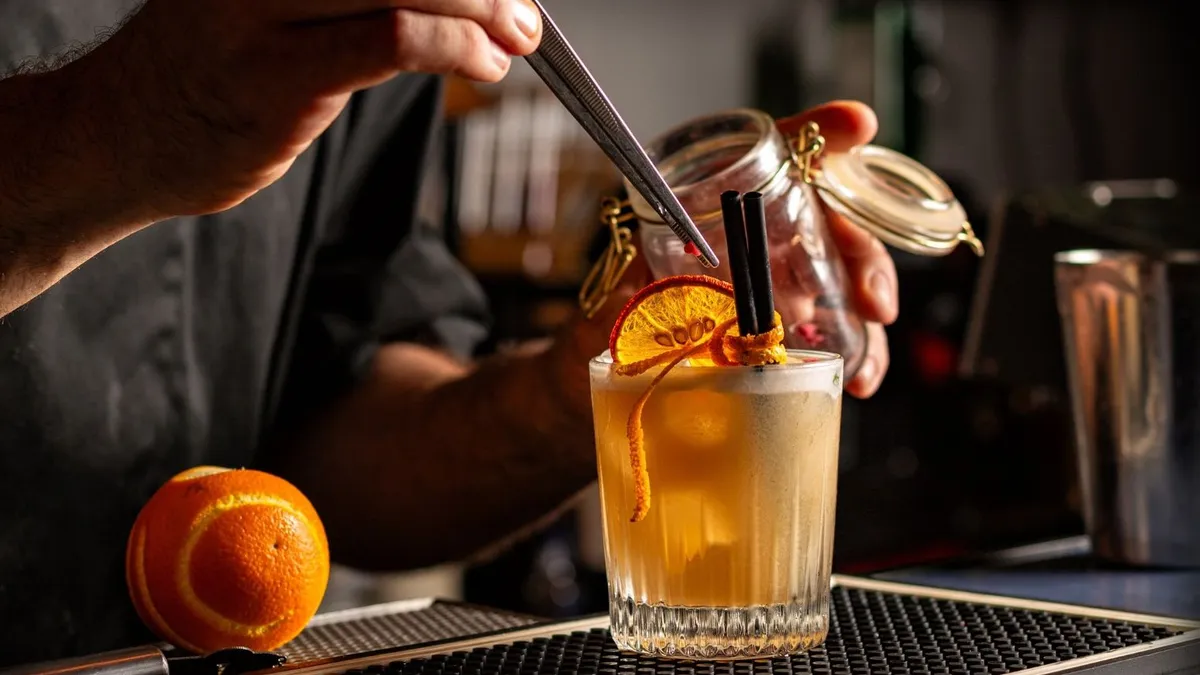
At Singapore’s renowned watering hole, The Elephant Room, co-founder Yugnes Susela incorporates a biryani tincture with a basmati rice wine and ghee sake to create one of their most popular drinks – Briyani. The spiced and umami drink is a masterclass in liquid storytelling, one that bridges the gap between the kitchen and the bar. There’s also a Chicken Curry and a Spiced Crab Rasam in the menu – in the cocktails section – and if that doesn’t make you hungry for a drink, nothing will!
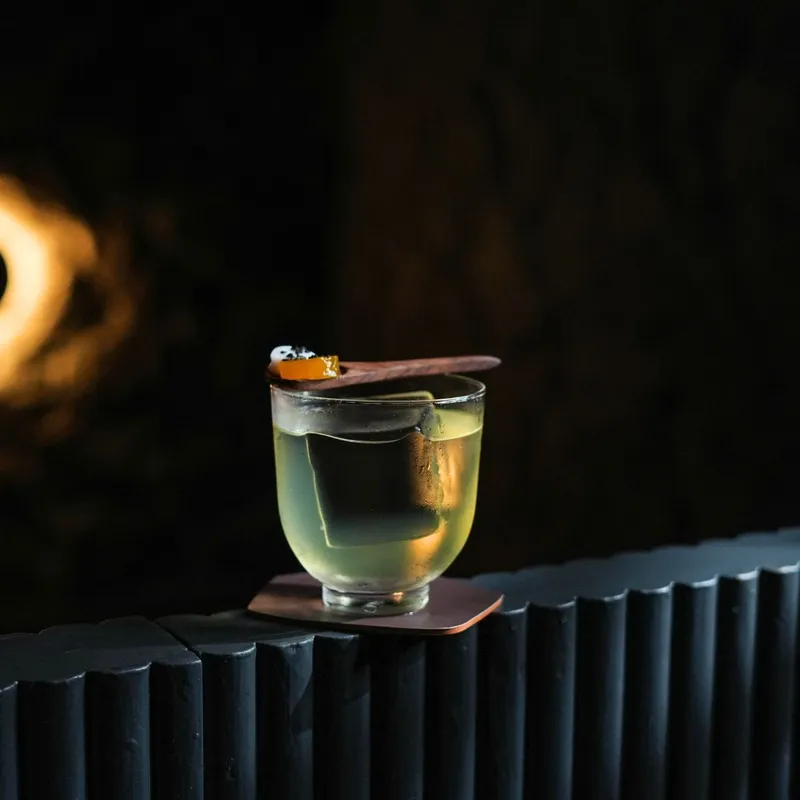
With a little culinary chemistry and oodles of imagination, bartenders and mixologists across the world are blurring the lines between a three-course meal and cocktails. By utilising processes such as fat washing, sous vide infusions and fermentations, we have naturally opened the door to flavour memory. Varun Sharma, Head of Bars, EHV International, believes that the shift began a decade ago when bars started being treated as kitchens in their own right. “Turning food into drinks isn’t about novelty; it’s about familiarity. When a guest recognises a flavour subconsciously, it creates an immediate emotional connection,” he says.
Bengaluru-based mixologist and bar consultant Avinash Kapoli voices a similar view. “India has a huge food landscape, and if you want to create a drink today where the cocktail has a familiar flavour, the easiest thing to do is go pick a food and think if one can turn it into a cocktail,” he says.
Tastes familiar?
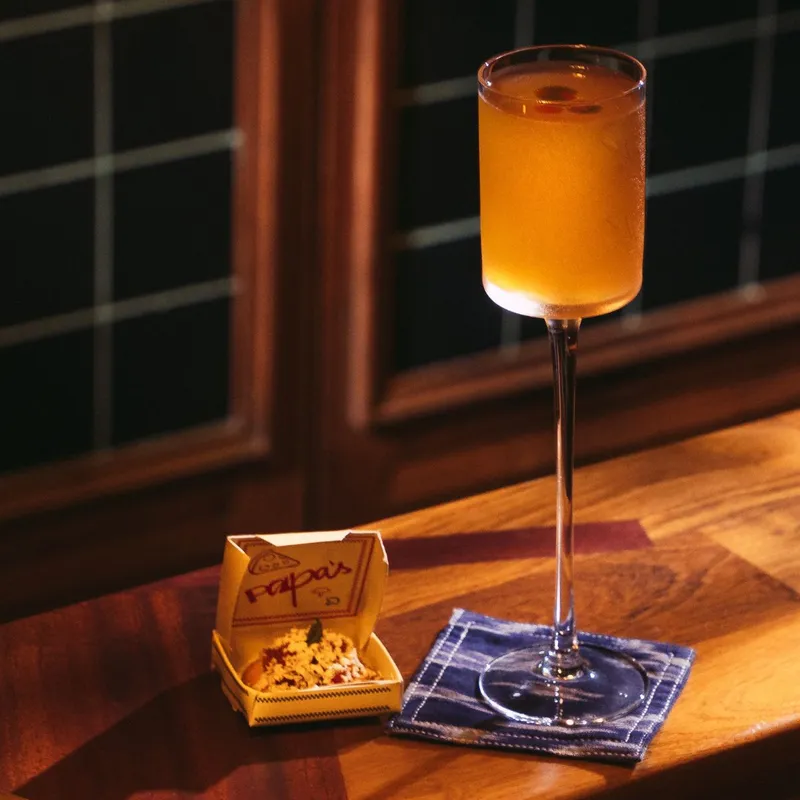
One of the first restaurants at which this writer recalls having one such cocktail was at the award-winning Papa’s in Mumbai two years ago. Having had one too many drinks, I wasn’t ready for another until I was asked, “Do you like pizza?”, to which I responded, “Who doesn’t?”
Papa’s Hut is made of homemade marinara sauce, garlic, herbs, and vodka and tastes distinctively of a Margherita pizza. Kartika Kallianpur, Bartender at Papa’s, shares that the inspiration for one of their menu’s most loved cocktails was to provide the guest the experience of enjoying a pizza in a glass. “A pizza is always enjoyed by people, so tapping into that sense of comfort was the motive of this drink. We broke down the idea to its most basic form where the heart of any pizza is the marinara sauce. We thought to ourselves, why not make the sauce itself and clarify it,” she says. Kallianpur believes that tried and tested dishes provide a successful flavour template to build drinks on. “It could also tap into guests’ relatability and nostalgia,” she adds.
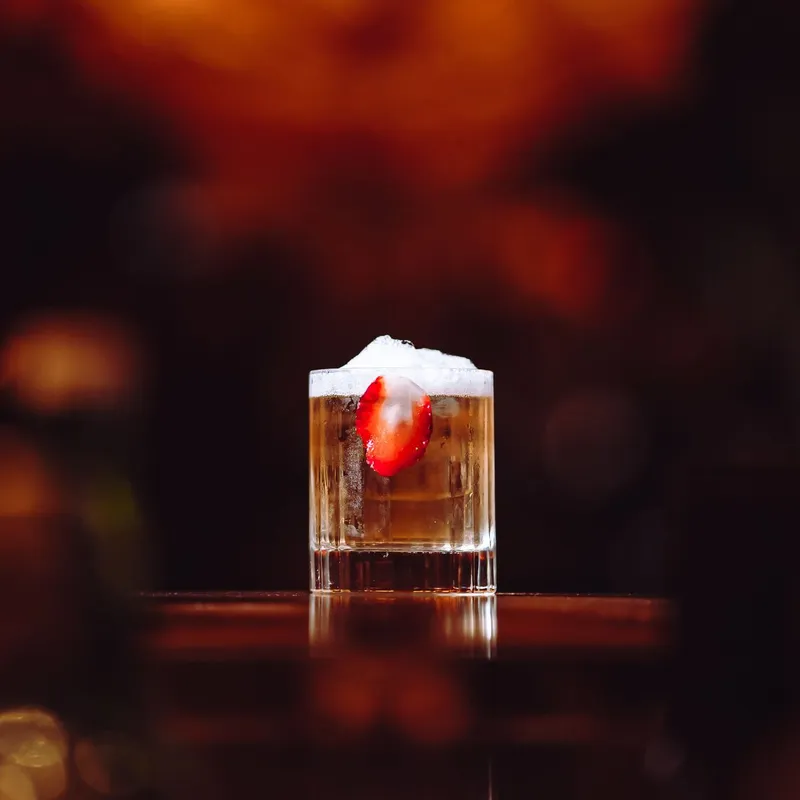
It is by tapping into this “flavour DNA” of beloved dishes — whether it’s the char of a tandoor or the tang of a marinara — mixologists are able to speak directly to a guest’s childhood memories. No wonder then, you often find food critics often resorting to terms such as “this drink felt like a hug in a glass”, chiefly because it reminded them of a favourite street-side snack or the comfort of a Sunday lunch.
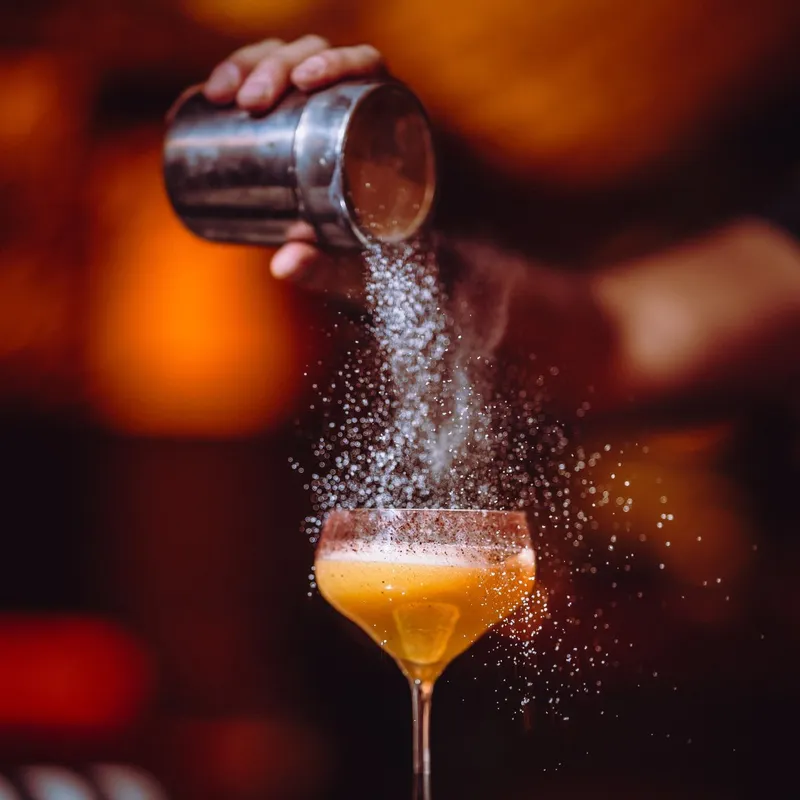
With the flavours of Bengaluru being the inspiration behind Soka, which was ranked 28th on the list of Asia’s 50 Best Bars 2025, Kapoli’s menu has a few creative concoctions that lean into the familiar. A cocktail called Cheese Cherry Pineapple is named after a snack of the same name, which is a local favourite at many clubs in the city. Another one called Big Froot is a drinkable take on the summer staple mango dish called Appe Huli in Malenadu in Bengaluru. While the dish is made by taking ripe Appemidi mango juice and tempering it with coconut oil, mustard seeds and curry leaves among other ingredients, the drink uses a mix of Alphonso and Appemidi mangoes with coconut oil, which is tempered with curry leaves and clarified and mixed with rum.
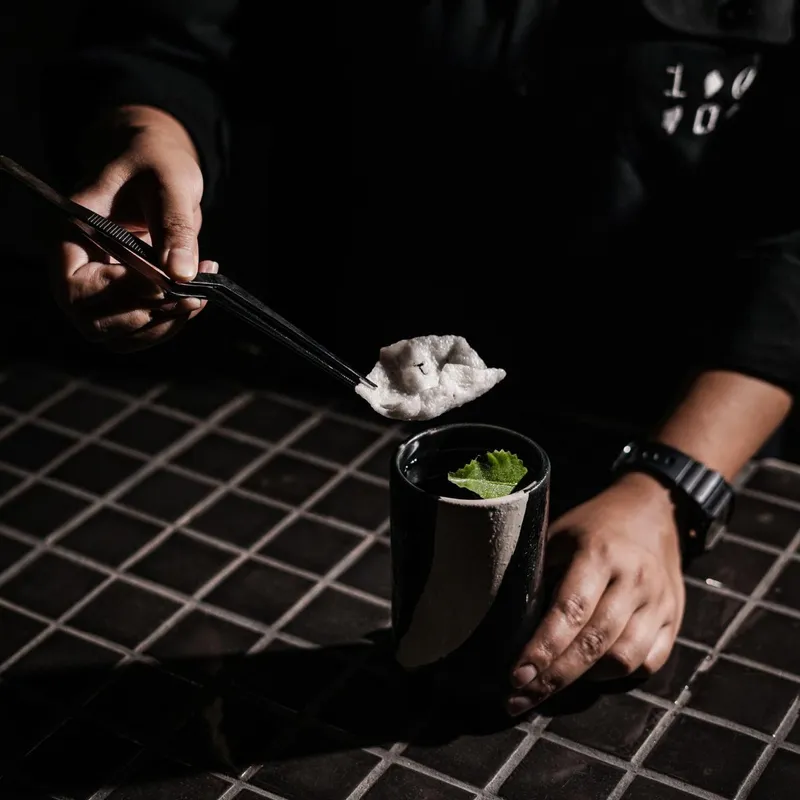
Mohit Badh, Beverage Manager at Call Me Ten in Delhi, says that their cocktails are often conceived the same way dishes are, starting with a flavour memory rather than a format. “Some of our most popular drinks are direct translations of iconic food dishes into liquid form, where balance and restraint are key,” he says. Case in point, the Tom Yum cocktail, which draws inspiration from the classic Thai soup but is interpreted through a Japanese bar sensibility. Another example is Mango Sticky Rice, where black and white rum is softened with mango yoghurt, lime, and a sesame palm sugar orgeat and is a take on the beloved dessert. “They are familiar on the palate, yet entirely new in expression,” he adds.
From kitchen to bar
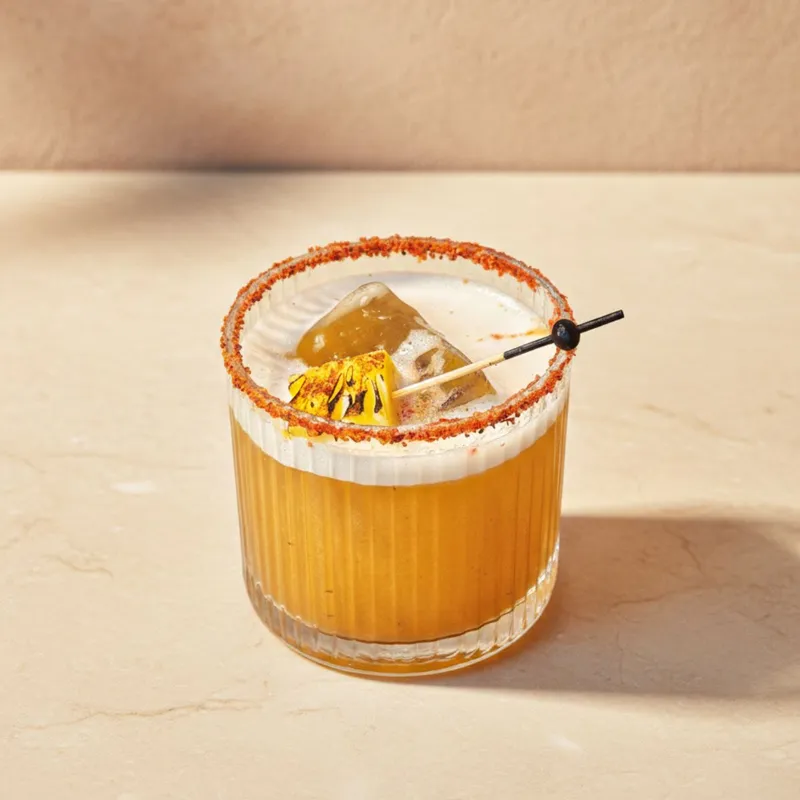
At the newly-opened Upstairs at Indian Accent in Delhi, the speciality is the martini trolley, which, as Sharma says, was always meant to respect the classic while allowing an Indian lens. Therefore, the Desi Dirty Martini plays with acidity and salinity in a way that instantly reminds one of home lime and pickle brine without becoming literal. “It’s more about the feeling of that first bite of aloo paratha than the dish itself,” he says. The Bone-Dry Martini with nihari-spiced vermouth comes from a similar place. “Nihari has depth, warmth, and spice, but it’s also very elegant when handled carefully. By infusing those spices into the vermouth, we’re adding complexity and structure to the martini without disturbing its core identity,” he says, adding that at Upstairs, the idea isn’t to replicate dishes, but to translate their essence into liquid form with balance and restraint.
The modern bar is starting to look a lot more like a kitchen, as bartenders trade in simple syrups for immersion circulators and centrifuge machines. Kallianpur shares her perspective. “The difference between kitchens and bars is diminishing. We also see a shift in the flavour profile in guests. Sugary and sweet drinks now no longer appeal to diners. This shift has given way to more savoury cocktails, leading to more inspiration from approachable dishes. With knowledge of advanced techniques like sous-viding, bartenders can now incorporate solid food flavours into liquid form. More thought given to sustainability leads to giving kitchen scraps a second life in a cocktail,” she states.
Here to stay?
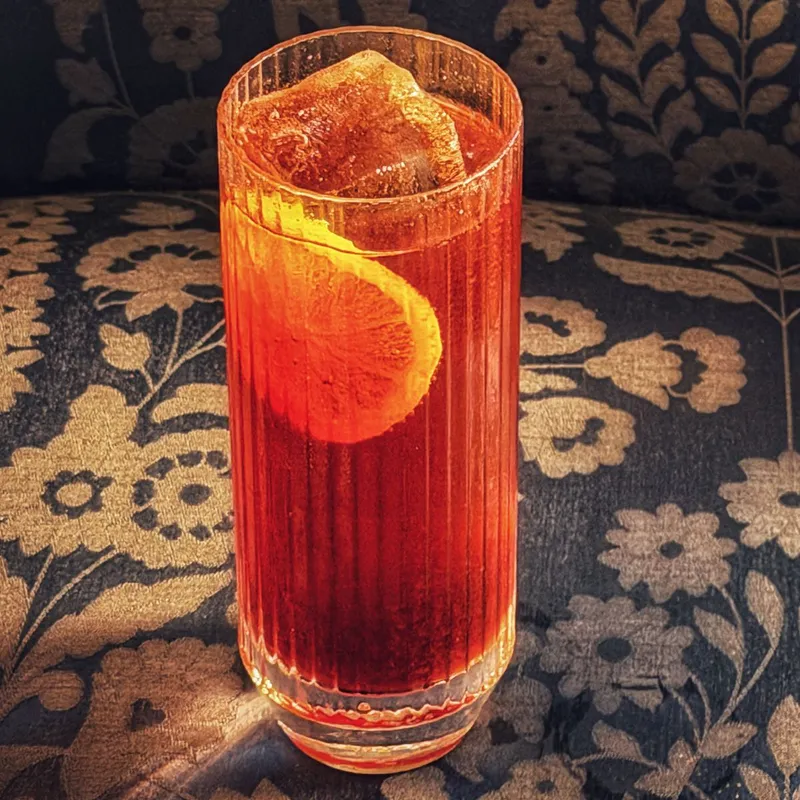
Not every delicious food dish lends itself to a great cocktail, though. “A cocktail should never compete with a dish,” opines Sharma, adding that it should complement or evoke it. “What works is subtlety: suggestion over simulation. If a drink tries too hard to taste exactly like food, it often loses balance and drinkability. At Upstairs, we’re very conscious that these are cocktails first. The inspiration may come from food, but the final expression must still feel elegant, precise, and easy to return to for a second round,” he says.
That said, this is a trend which will only grow with time, most believe. “There will always be hits and misses. Bartenders are being able to create such drinks because they are also travelling more, and international bartenders are coming more often to India. The palette of the consumer as well as the bartender is changing,” says Kapoli. So, the next time you sit down at a world-class bar, don’t be surprised if the best thing you “eat” all night is actually served through a straw.