






 Copy Link
Snapshots
Come summers, and all one can talk about are the mangoes and all the yummy dishes that the king of fruits brings with itself. Understandably so. Whether you wait desperately for Hapus to make aamras puri, or mango falooda is your thing, the Indian love affair with mangoes is well known, and in my humble opinion, overshadows everything else that summers bring with them.
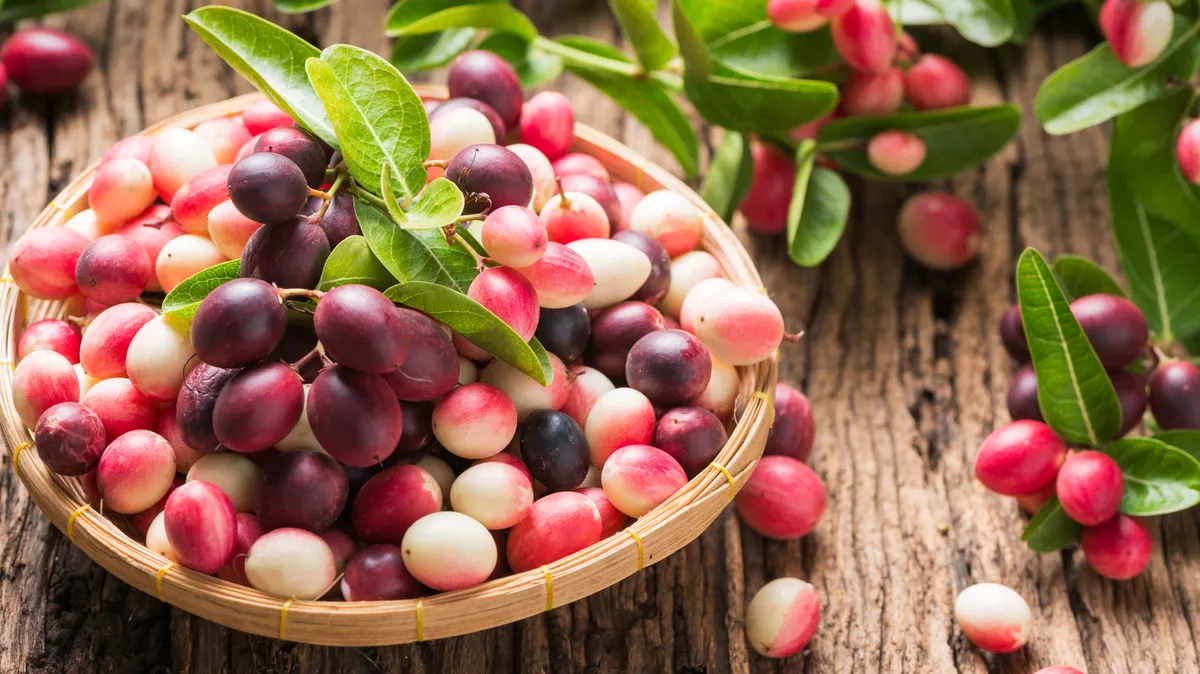
The season in India is a full-blown produce parade if you know where to look. You’ve got everything from tangy kokum curries and sherbets, to crisp long kakdi adding quiet refreshment to everyday meals, to jamun staining tongues a deep purple with its sharp-sweet bite; there’s so much that gets overlooked. If you are regular at the mandi, you’d know about phalsa, tiny but punchy, perfect for heat-cutting drinks, and then there is karonda, often pickled into bold, lip-smacking accompaniments. In terms of curries, raw mangoes may flirt with fame, but ingredients like kundru, kachri, and kachnar step in as the real workhorses of summer kitchens.
Vanishing fresh produce in Indian kitchens
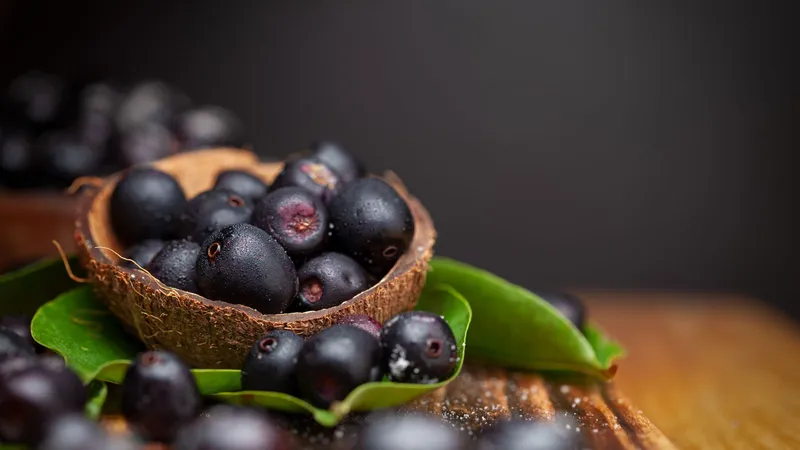
There was a time when summer announced itself not just through heat, but through the rhythm of the good old mandi or haat. Going to the local market with your grandparents, spotting the freshest kakdi or a basket of jamun felt almost instinctive. With the rushed timelines and bustle of metropolitan life, that sensory ritual is fading. Grocery apps are busy curating convenience over curiosity, and as a result, many of these seasonal gems rarely make it into algorithm-led carts. Produce like kokum, phalsa, or even tindora often gets edged out by familiar, year-round staples or even imported, global fruits. Without the tactile experience of choosing, smelling, and asking vendors, the knowledge of what’s truly in season is quietly slipping away from everyday kitchens.
This shift is even more pronounced among younger households, where ordering in, whether it is meals or groceries, has become second nature. The mandi once doubled as an informal classroom, where generations learned how to identify, cook, and value hyperlocal produce. Now, with fewer reasons to engage directly, ingredients like karonda or bael risk becoming relics rather than regulars. And with lower customer awareness, fewer vendors have started to keep these seasonal gems on their carts. In their defence, it only makes sense to keep what actually retails.
Underrated summer produce we grew up eating
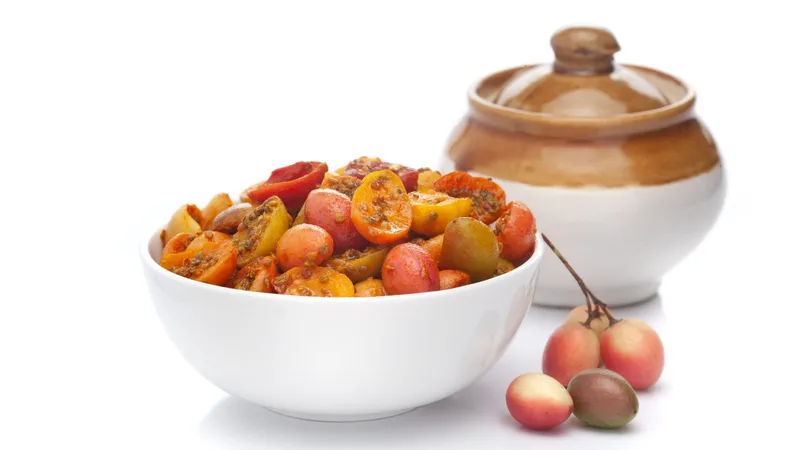
Growing up, across the country, kitchens have spelt summers in so many ways, apart from mangoes. In North Indian kitchens, kachri finds its way into spicy garlic chutneys and tenderising marinades, while karonda, onions and green chillies come together in a sharp, almost senses-awakening kind of side dish. Kakdi, sliced fresh and dusted with chaat masala, becomes the simplest kind of relief as you walk back from school. Kundru is tossed into quick stir-fries. Simply tempered with cumin and paired with dal-chawal for comfort that doesn’t weigh you down. And then there’s bael or wood apple. The insides are soaked in for a while, and then strained into a cooling sharbat that feels almost medicinal but gets the body heat down in minutes.
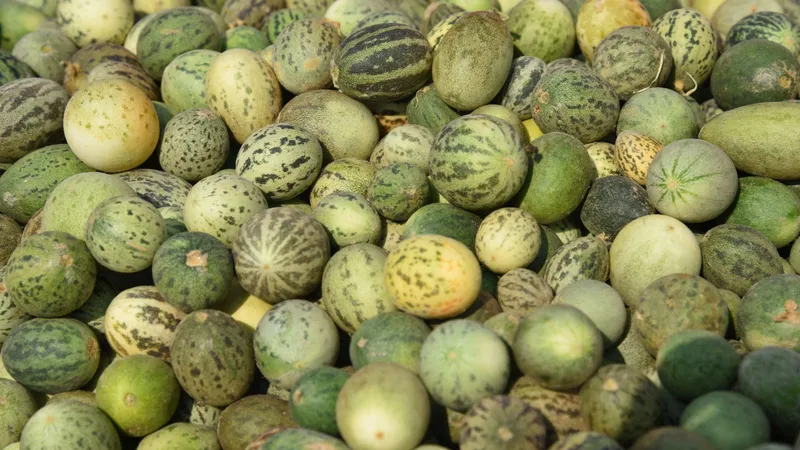
Because of the heat and dryness, Western Indian summertime food tends to be tangy and restrained. Raw mango is used in dals, kairi panha, and sharp chutneys, whereas kokum anchors Sindhi and Konkani curries and sol kadhi, providing both relief and sourness. In Rajasthan, kachri is used to make chutneys, tenderise meats, and make ker sangri, making it an essential ingredient. Chaas is used as a coolant and digestif during meals, and gunda (lasoda) is pickled into sticky, spiced accompaniments. Even straightforward dishes, like bhakri with a kachumber of cucumbers, onions, and raw mango, feel seasonally appropriate, deftly balancing sourness, salt, and hydration.
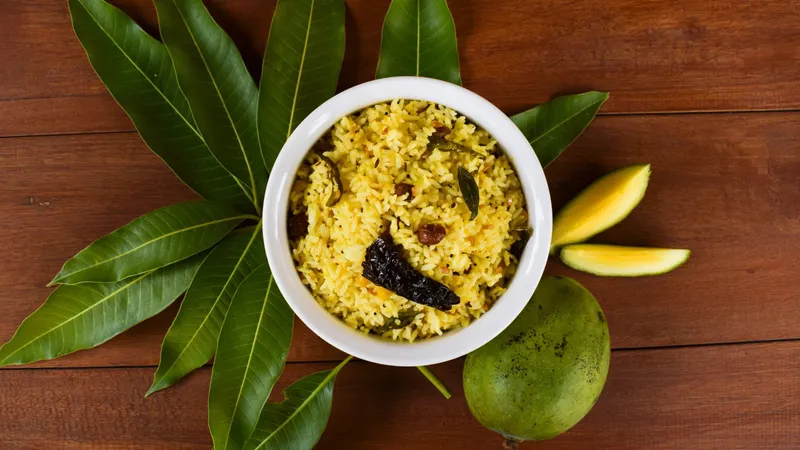
Southern kitchens approach summer with a profound awareness of harmony, cooling the body while maintaining vibrant tastes. Raw mango pulp is found in everything from dals and pachadis to Andhra-style mamidikaya pulihora. While coconut, curry leaves, and green chillies keep things vibrant, buttermilk-based dishes like sambharam and mor kuzhambu calm the palette in Tamil Nadu and Kerala. Lightly cooked tender vegetables, such as ridge gourd, ash gourd, and snake gourd, are frequently tempered with lentils and mustard seeds. In curries and pastries, jackfruit, both ripe and raw, takes centre stage.
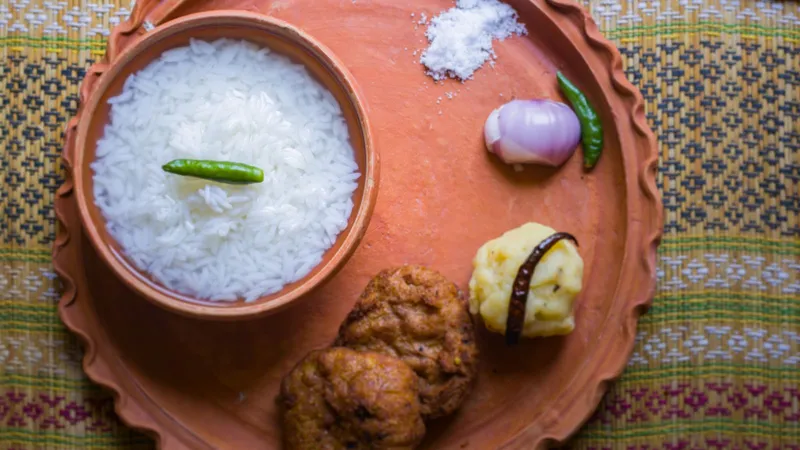
Summertime cooking in Eastern India is precise, refreshing, and very local. Bengali cuisine balances heat and appetite with bitter-forward foods like shukto, aam dal, and raw mango chutneys laced with kasundi. Odisha has its unique rhythm; meals are anchored by Pakhala bhaat, which is accompanied by sour sides that calm the body, fried veggies, and saag. As one moves farther into the Northeast, the style changes to minimalism: tender greens, lai xaak, and bamboo shoots are prepared simply, frequently with fermented fish or chillies, allowing the elements to speak for themselves. Sourness, bitterness, and fermentation are essential components that shape meals that naturally adapt to the season in these areas.
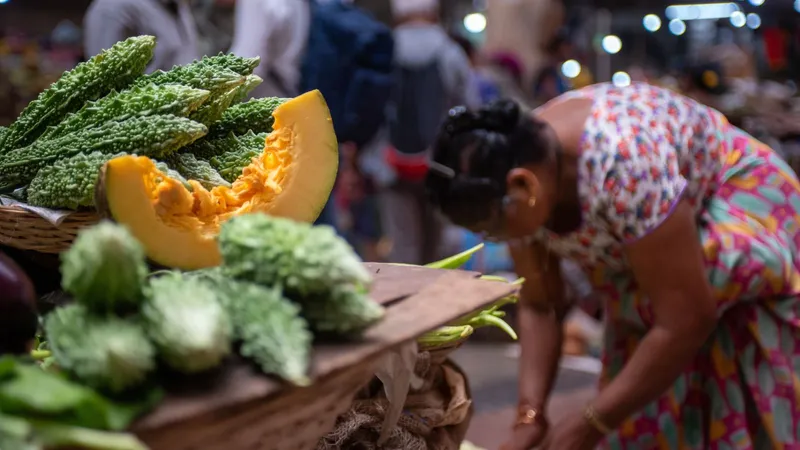
The one thing that stands out, no matter which part of the country you are in, is the incorporation of seasonal, hyperlocal produce. For generations, these summertime rituals have shaped what we remember as the flavours of the season. So maybe this summer, the flex isn’t just chasing the perfect mango, but remembering everything that grows quietly alongside it. The produce that doesn’t demand attention, but shows up. Cooling, balancing, and adapting to the heat in ways we’ve always known, but are slowly forgetting. A trip to the mandi, a conversation with a vendor, a small detour from the usual grocery list, I promise, that’s where the season will really reveal itself.