






 Copy Link
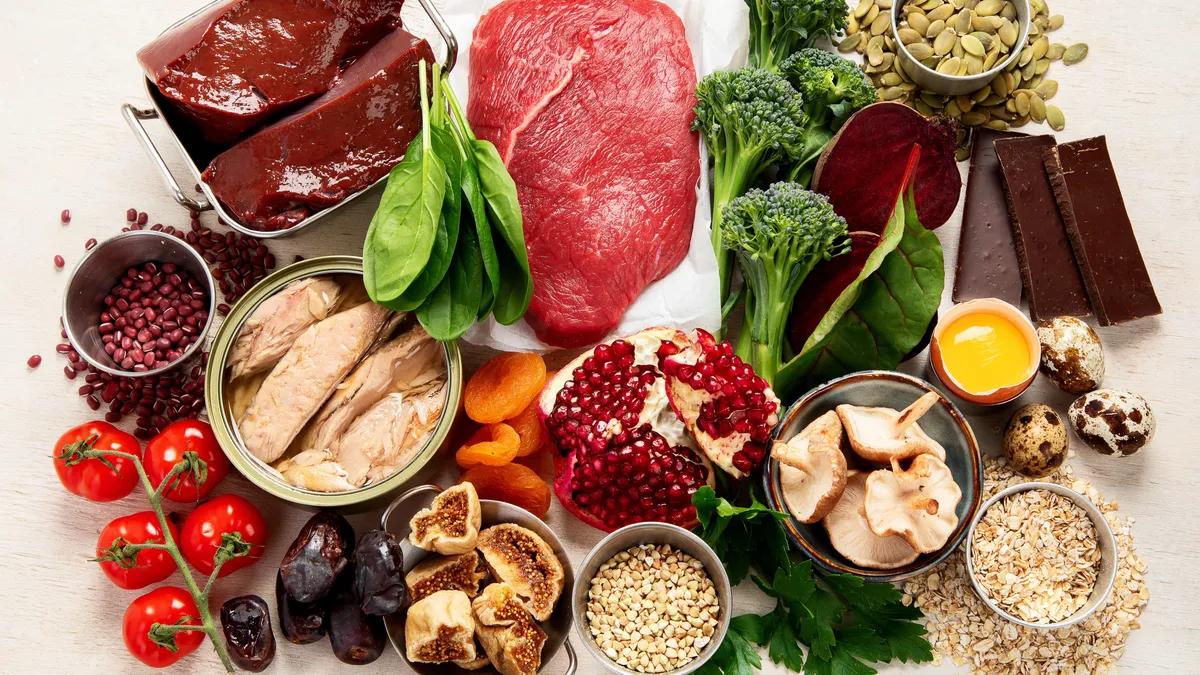
Iron deficiency often goes unnoticed due to its subtle symptoms, despite being the most prevalent dietary deficiency worldwide, especially among women. Many women ignore symptoms like exhaustion, lightheadedness, and brain fog, attributing them to things like a lack of sleep or an overly stressful job. Problems during and after pregnancy, as well as heart problems, can develop from anaemia, which in turn can be caused by a chronic iron deficit.
Whether or not iron deficiency leads to anemia, it can still cause severe symptoms in some individuals. Iron deficiency affects primarily women of childbearing age. The reason behind the problem is that men do not undergo menstruation, which results in the loss of blood and iron. Deficiency of iron is more likely to occur during pregnancy than at any other period. This is because the growing fetus requires significantly more iron during this period. The actual impact of iron deficiency on pregnant women is unknown because low iron screenings are infrequent.
Why are women more deficient in iron than men?
Heavy periods are the most common cause of low iron levels in women. Period excessive bleeding (each two hours soaking a pad or tampon) affects as much as one-third of women. Consult a medical professional if you are suffering from signs of low iron but are not experiencing heavy periods. Serious but less common causes of low iron levels include malignancy and gastrointestinal hemorrhage.
Iron deficiency symptoms are not always easy to recognise and may be confused with those of other diseases. That can make a definitive diagnosis challenging. Checking iron levels isn't typically part of yearly bloodwork unless your doctor believes you could be iron-deficient, and this contributes to the problem. See your doctor about getting your iron levels evaluated if you get heavy periods, follow a vegetarian or vegan diet, or experience symptoms like dizziness or exhaustion. Insurance may pay for testing if a patient has certain symptoms or risk factors, but not for routine testing.
So, do you get enough iron?
The mineral iron is essential for proper bodily development and growth. This nutrient is essential for the production of red blood cells, which transport oxygen throughout the body. Carbon dioxide is a waste product that the body's tissues release. Red blood cells also carry this gas back to the lungs so that it can be expelled. A strong immune system, strong muscles, and healthy bone marrow are all benefits of an iron-rich diet. The gastrointestinal tract (GI) carries it from the digestive system to the muscles, where it is used to make red blood cells or saved for later. Plus, being involved in DNA creation and repair, iron is essential for every part of the body. The second is haemoglobin, which carries oxygen to the tissues of the body and is an iron-containing protein found in red blood cells. Blood haemoglobin levels are the main indicator of anemia. Anaemia is defined as a haemoglobin level in the blood below 12 g/dL for women and 13 g/dL for men, according to World Health Organization (WHO) recommendations.
How can one tell if they have an iron deficiency?
Some such symptoms may include:
- Tiredness, or persistent lethargy, even after a good night's sleep
- Hair loss
- Nails that are thin and fragile
- Unease in the legs
- Mental fog

High-iron foods you should include in your diet
Iron is not produced by the body, but it can be obtained from old red blood cells. Consequently, individuals must obtain iron through their diet, particularly from iron-rich foods like green vegetables and red meat. As an adult woman, one must get 8-18 mg of iron every day! These iron-rich foods can help you make healthier choices!
- Shellfish: Shellfish are delicious and healthy. Iron is abundant in shellfish in general, but especially in clams, oysters, and mussels. Take clams as an example; just 100 grams can provide as much as 3 milligrams of iron—17% of the recommended daily allowance. The body more easily absorbs heme iron from shellfish than non-heme iron from plants. This iron-rich food is also a fantastic source of protein!
- Pumpkin seeds: When you need a snack on the go, consider trying some pumpkin seeds. There are 2.5 milligrams of iron, or 14% of the recommended daily allowance, in 28 grams of pumpkin seeds. Vitamin K, zinc, and manganese are all abundant in pumpkin seeds, which are an iron-rich food! One common dietary shortage is magnesium, and they are among the finest suppliers of this mineral.
- Spinach: Despite its numerous health benefits, spinach is relatively low in calories. Roughly 2.7 milligrams of iron, or 15% of the daily requirement, are found in three and a half ounces (100 grams) of uncooked spinach. Even though spinach is a good source of vitamin C, this iron isn't heme, so it won't be absorbed very well. Vitamin C greatly enhances the absorption of iron; thus, this is crucial. Carotenoids, which are abundant in spinach, are antioxidants that may lessen inflammation, shield the eyes from illness, and lower the risk of cancer. This is one of the best iron-rich fruits and vegetables you can add to your diet!
- Organ meat: Organ meats are rich in health benefits. The iron-rich liver, kidneys, brain, and heart are among the most common kinds. The iron content of 100 grams of beef liver, for instance, is 6.5 milligrams, or 36 per cent of the recommended daily allowance. Protein, B vitamins, copper, and selenium are all abundant in organ meats. With 1,049% of the DV in just 3.5 oz of liver, it's clear that this food is rich in vitamin A.
- Broccoli: The nutritional value of broccoli is enormous. One cup of cooked broccoli provides one milligram of iron, or six percent of the recommended daily allowance. Broccoli aids iron absorption since it contains 112% of the daily value for vitamin C per serving. There is a good amount of vitamin K, 5 grams of fibre, and a high folate content in the same serving size. Among the cruciferous vegetable family, broccoli is found, along with cabbage, kale, Brussels sprouts, and cauliflower. This is one of the best options from the iron-rich fruits and vegetables list that you should try!