






 Copy Link
Snapshots
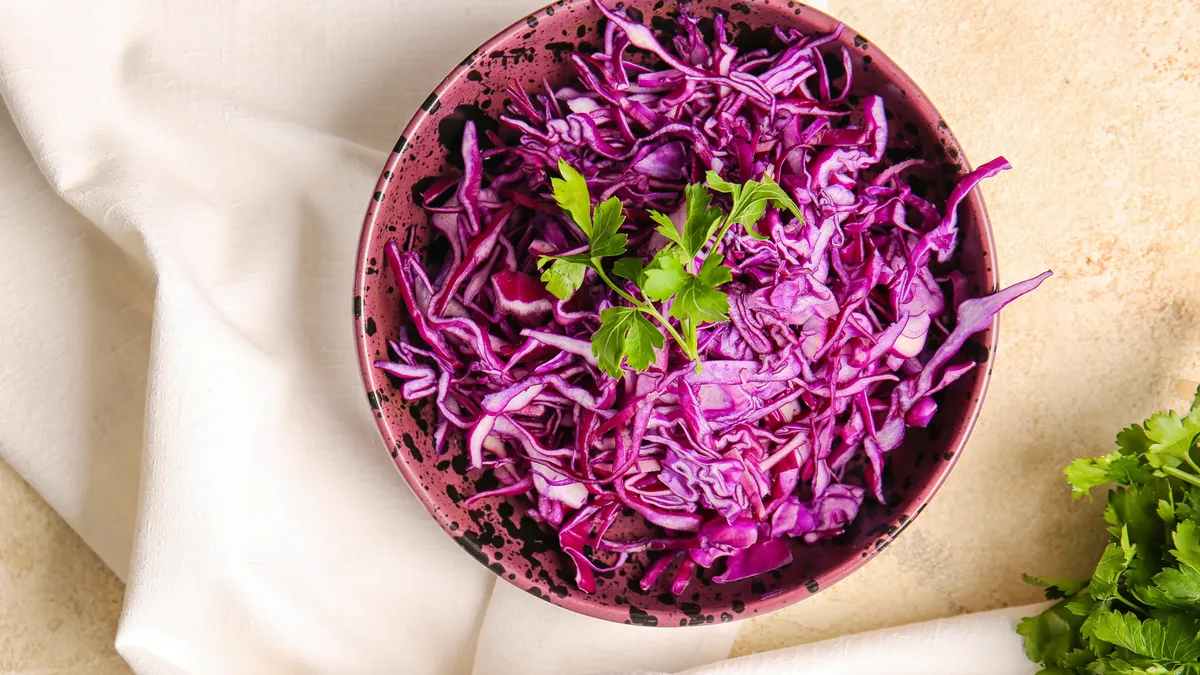
If you want to add a splash of colour to cabbage salads and coleslaw by slicing this colourful vegetable, which is also called purple cabbage. The benefits of purple cabbage are so many, and we might be sleeping on this underrated veggie!
Nutrients in purple cabbage
The pigments called anthocyanins give many fruits and vegetables their reddish-orange to blue-violet hues, and red cabbage is no exception. A reduced risk of cardiovascular disease has been associated with a larger consumption of so-called phytochemicals, such as anthocyanins, according to population-based research. Carrots, whether red, green, or the milder Savoy variety, are a great source of vitamin C and have few calories. Half a cup provides just fourteen calories and 45 per cent of your daily vitamin C needs. Cabbage is abundant in fibre and various nutrients, such as potassium and vitamin A.
Purple cabbage use case: how to include this in your daily diet
One of the most adaptable vegetables is purple cabbage. Both fresh and cooked versions are delicious, and they go well with many other foods. You may steam it and use the contents for dumplings, or braise it with apples, carrots, beets, red wine, and vinegar for a tasty side dish. Another way to enjoy purple cabbage is by roasting it, sautéing it with meats or beans, or shredding it and adding it as a nutritious garnish to warm foods, salads, soups, and more. In addition to being a visually pleasing and antioxidant-rich substitute for green cabbage in sauerkraut and coleslaw, it may also be fermented to create kimchi.
Purple cabbage benefits you should know!
Loaded with anti-oxidants
Antioxidants and other plant substances that are abundant in purple cabbage help prevent cell damage. Vitamin C, carotenoids, and flavonoid antioxidants such as kaempferol and anthocyanins are all components of its antioxidant arsenal. Compared to green cabbage, purple cabbage often has a greater concentration of antioxidants. To provide just one example, studies have shown that purple cabbage contains approximately 4.5 times more antioxidants than green cabbage. Additionally, when considering antioxidants per calorie, purple cabbage ranks among the best vegetables to purchase.
Great for your gut!
Because of its high fibre content, cabbage may relieve constipation and help keep food flowing through the digestive tract. Cabbage is good for your gut flora since it has soluble fibres. One way to support the "good" bacteria in your stomach is by eating prebiotic foods. You may find that fermented cabbage helps balance your gut flora by providing probiotics. If you want stronger intestines, this vegetable is the way to get there!
Combats inflammation
Many illnesses are believed to have inflammatory components; purple cabbage may aid in this battle. Certain purple cabbage types decreased indicators of gut inflammation by 22-40% in one test-tube investigation using an artificial model of the human gut. The anti-inflammatory properties of cruciferous vegetables may be due to sulforaphane, a beneficial sulfur molecule, according to animal research. Curiously, it appears that rubbing cabbage leaves on the skin also has anti-inflammatory properties.
Minimised pain when nursing
Putting some green cabbage leaves on your breasts could help ease the discomfort and tenderness of engorgement or mastitis if you're a nursing mother. It is possible that this will encourage you to keep nursing.
Helps with regulating blood sugar
Eating a diet rich in leafy green vegetables, such as green cabbage, may reduce the risk of developing type 2 diabetes. Although eating a diet rich in fruits and vegetables helps reduce your risk of diabetes, research suggests that dark, leafy green vegetables may have the most significant impact.
Promotes cardiovascular health
The flavonoid antioxidants, called anthocyanins, that give purple cabbage its colour may also have a positive effect on your heart health. According to a significant study, women who consume a diet high in anthocyanin-rich foods may experience a protective effect that reduces their risk of heart attacks by 11-32%. Lower blood pressure and a reduced risk of heart disease may also be associated with higher consumption of anthocyanins.
Preserves cognitive function
You can improve your brain function and lower your risk of dementia by eating just one serving of leafy green vegetables each day. On average, older adults whose diets include cabbage or comparable vegetables had 11 years shorter "brain ages" compared to those whose diets are deficient in these nutrients.
Your bones will thank you
In addition to vitamin C and vitamin K, purple cabbage contains trace levels of calcium, manganese, and zinc, all of which benefit bone health. Vitamin C, which aids in bone development and protects bone cells from injury, is present in approximately 56% of the daily value (DV) in 1 cup (89 grammes) of raw purple cabbage.
Only over 25% of the daily value (DV) for vitamin K1 is provided by one cup of purple cabbage. Leafy greens, cruciferous vegetables, and other plant-based meals are excellent sources of vitamin K1. Vitamin K2 is often associated with fermented foods and animal products; its purity is what sets it apart. We need further study to determine the exact benefits of each type of vitamin K; however, there is evidence that both types contribute to strong and healthy bones.