






 Copy Link
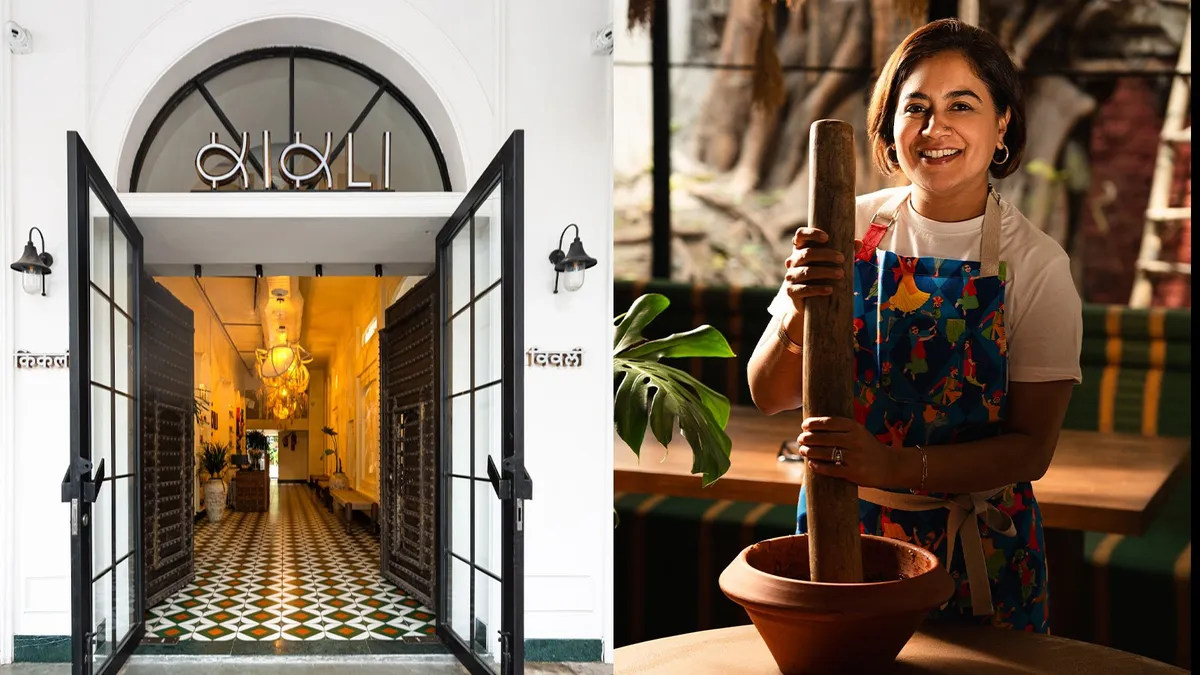
Set in the heritage surroundings of a restored heritage site in Connaught Place, Kikli is Chef Amninder Sandhu’s tender homage to the kitchens of Punjab. Drawing from oral histories, forgotten village traditions, and royal family kitchens, she has resurrected recipes that were once shared across charpais and courtyard floors. "There are so many Punjabi restaurants, but they’re all so disconnected from how Punjabis eat at home," she laments. “Adding butter and cream recklessly to daal does not make it Punjabi!” According to her, many restaurants have got Punjabi food wrong; hence she felt a strong urge to do it right. A chat with her about lesser-known ingredients and dishes that you’ll find in Punjabi households took me down memory lane of foodie conversations with my father who hailed from Amritsar.
Building a legacy
Although Chef Amninder’s family was originally from the Land of the Five Rivers, she spent her formative years with her parents in the north-eastern part of the country. Ironically, she didn’t have very fond memories of Punjab from her childhood, recalling some even as traumatic—“we used to have some local biscuits in Punjab that left a weird taste,” she shares during our conversation. So, when she travelled through Punjab while researching for her new venture, it turned out to be more than a culinary homecoming. She feels that having an outsider’s perspective towards Punjab worked to her advantage because she didn’t take anything for granted. This time she experienced first-hand the large-heartedness, a quintessential trait of most Punjabis, that left an indelible impact. “At some point, I realised I wasn’t just gathering recipes. I was witnessing a culture that feeds not to impress, but to honour.”
Recounting various stories from her time in Punjab, she found beauty in simple things and the smallest details. Enriched by countless examples of heart-warming Punjabi hospitality, Chef Amninder’s research doesn’t end with the launch of Kikli. “This is going to be an on-going project through which I will continue to learn and document; I want to transmit the knowledge that I am collecting and leave behind a legacy long after I’m gone. I want Kikli to become a cookbook,” she shares. In the larger picture, she wants to collaborate with artists and artisans from Punjab and have a merchandise section as well. We can also expect to see this brand grow in the foreseeable future with multiple outlets across the country.
The food: Punjab on a plate
Unlike other Punjabi restaurants across the country, there’s no butter chicken here; nor dal makhani. What you will find, however, is malka masoor ki dal, bun-kaleji, satpura ki chaat, keema-stuffed karela and plenty more dishes that are ubiquitous in homes across the state. Many of these dishes and ingredients at Kikli reminded me something that I had tasted as a child; and if not tasted, definitely heard of from my elders who spoke so evocatively of their days in Punjab, before they moved to Delhi. While the menu is extensive, the few dishes that I would love to go back for are bun magaz and bun kaleji, (mutton brains and mutton liver, respectively) that are cooked on the tawa with the perfect balance of spices and served with soft, buttered buns. I usually refrain from these meats, but Chef Amninder has aced the preparation so well that even the ones with timid palates can enjoy these delicacies.
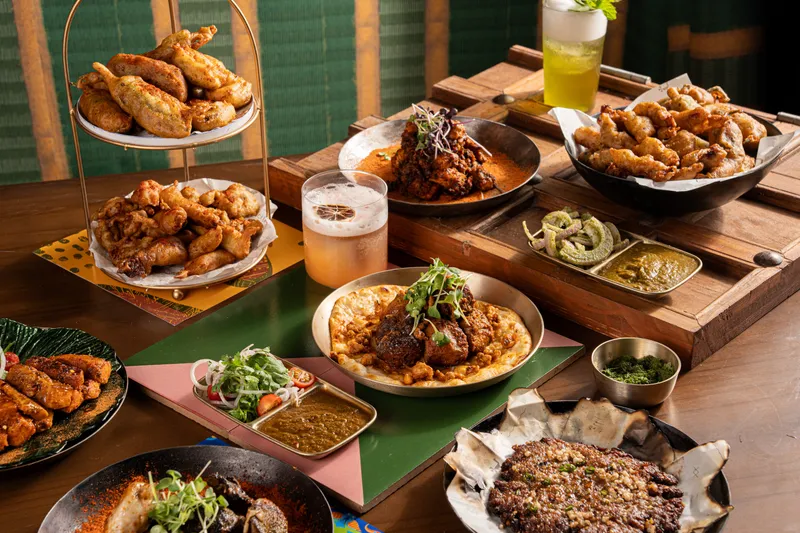
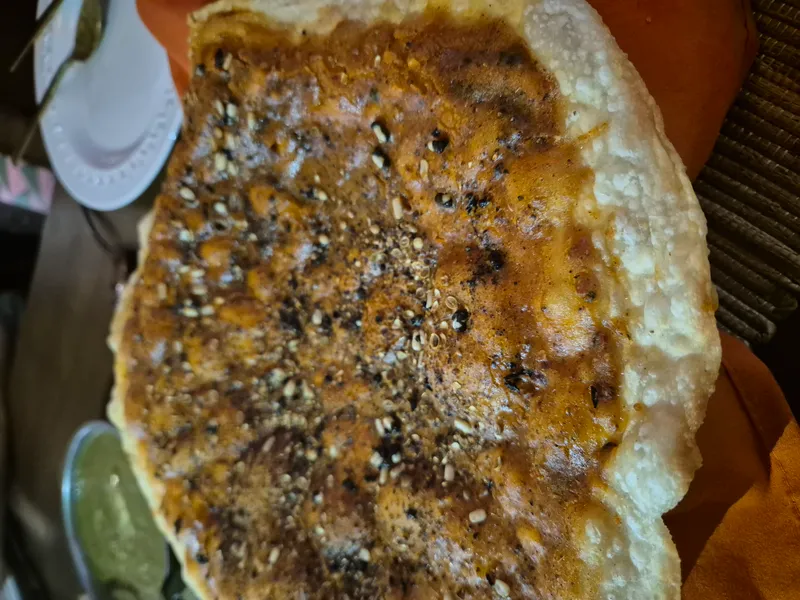
Chef Amninder’s kitchen philosophy is rooted in tradition and slow mindfulness. For instance, the slow-cooked langar-style daal, chholey and the seasonal sarso da saag at this restaurant are left overnight on a smouldering hara, a traditional utensil that’s designed for slow-cooking that Chef has specially gotten made for Kikli. No detail is overlooked, whether it is the white butter that is hand-churned with a wooden madhani, or pickles and wadiya that are made in-house, every element embodying the measured grace of a Punjabi household. And it’s not just the array of salad, chaat, appetisers or mains, but even the choice of breads represent the region, its varied seasons and rhythm of the land. From soft and thin paani de hath di roti to gluten free bajre di roti, naturally fermented mushki roti or phulkas made with khapli whole wheat, you’ll find an entire range of homestyle Punjabi rotis, besides the typical naans and tandoori rotis. My top pick however is the shallow fried Kikli Katlama — the flaky bread was traditionally shared amongst families during Baisakhi. Here, it is smeared with spiced besan and I paired it with Lakshmi Chowk’s kadhai mutton for the perfect, rustic bite.
Traditions and techniques aside, the team has clearly had a lot of fun creating the menu. Spend a few minutes to read through the bill of fare and you’ll find Punjabi “lingo” used liberally; I thoroughly enjoyed seeing colloquial terms like “coffee shoffee”, “thand rakh” and “tussi vegetarian ho???” and I’m sure even non-Punjabis will understand most of these references.
The drinks: Ode to Punjabiyat
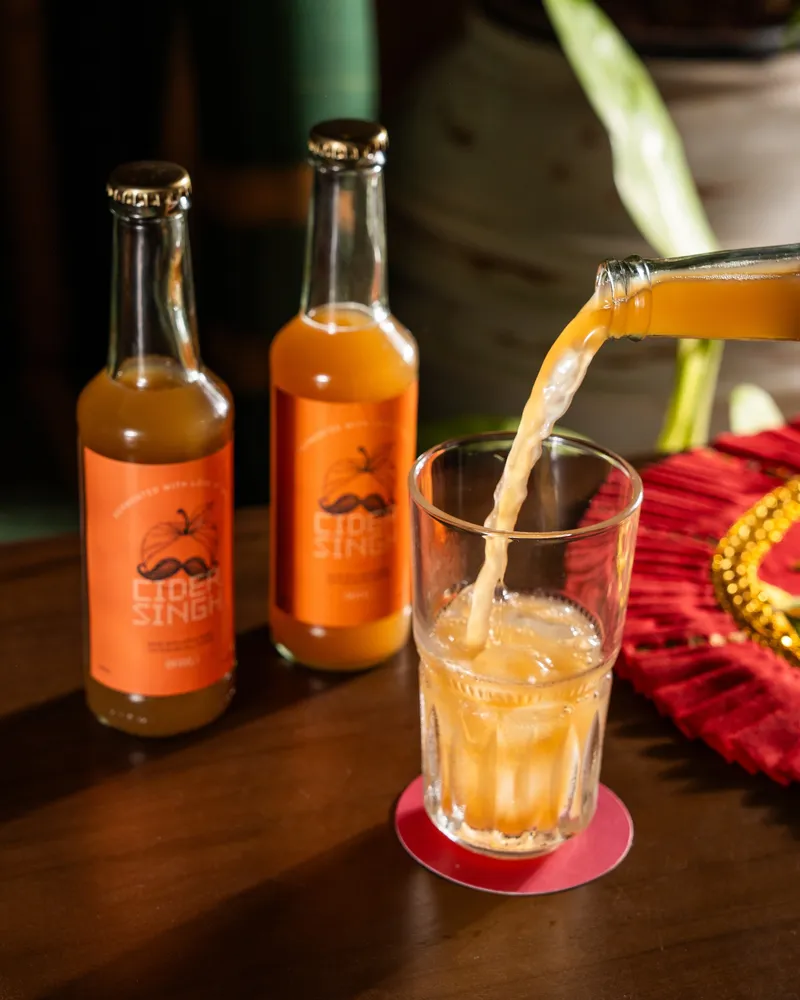
Kikli is not only about Punjab’s food. The bar offers a playful nod to the irreverent Punjabi drinking culture that goes beyond Patiala pegs. Inspired by refreshing bases like aam panna, ganne ka ras, lassi, and thandai, the cocktail menu by Jeet Rana and Chirag Pal is far removed from current mixology trends. They have created bold and beautiful cocktails in keeping with the core theme of the restaurant. Interestingly, each cocktail is served with either a regular amount of alcohol or a solid Patiala pour. There’s also a section called “tadka maar ke” in which beer gets a Punjabi upgrade with the addition of whiskey! For zero proof drinks, there are ‘nasha free’ mocktails as well.
The space: Rustic elements meet heritage rudiments
Here’s a confession: I had peeped into Kikli a few days before I went for a meal there. What I had seen earlier through the arched doors was a mere glimpse of traditional phulkari motifs and bright coloured walls with digital projections. But when you actually enter, the restaurant unfolds like a home: a sun-drenched courtyard with an open kitchen buzzing with action, a warm indoor hall flanked with ancient trees and family-style seating, and even a barroom tucked on one side. Interior designer Ariane Ginwala brings Punjab alive through walls inspired by chowk-poorana mudwork, phulkari-embroidered cushions, flooring that is reminiscent of old verandahs, and traditional utensils integrated as design.
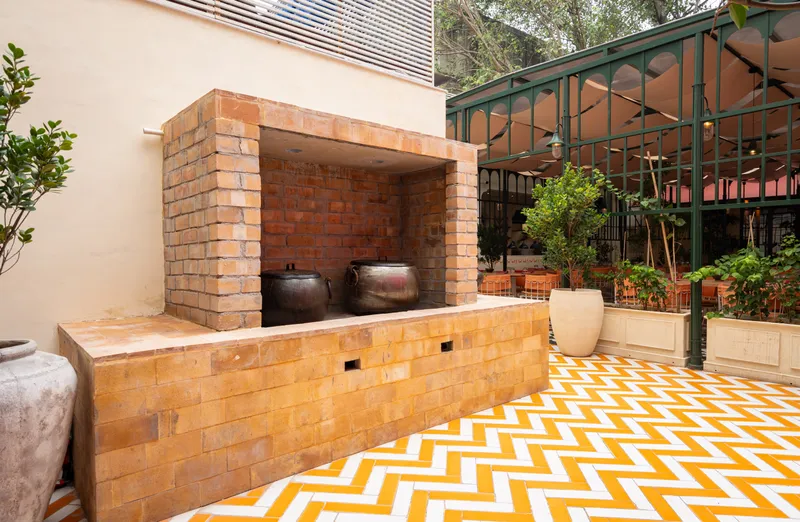
Embracing the true spirit of Punjab, once a month, Kikli will open its back door for a meal—served freely, inspired by the spirit of langar. This, according to Chef Amninder, is Punjab’s greatest intangible heritage: a spirit of generosity and inclusivity. This is a way to feed not just guests, but to serve the community. “We won’t call it langar because that is a sacred concept, but it’s in the same spirit. Hospitality is not a trend. It’s our inheritance,” states Chef Amninder Sandhu.
Where: Kikli, K 11B, Connaught Outer Circle, K Block, Connaught Place, New Place
Meal for two: INR 1,500 (without alcohol)