






 Copy Link
Snapshots
If you're looking for a vacation spot that's 5,000 years old and has stories hidden in shattered pottery, ancient bricks, and hill stations, you might want to consider India's archaeological sites. Archaeotourism is on the rise!
There’s a new travel trend on the rise! Indian tourists are increasingly seeking experiences beyond the typical destinations of beaches, five-star hotels, and hill stations, leading to the rise of archaeological tourism, also known as archaeotourism. There has been a recent uptick in the number of people looking for heritage tourism in India that will bring them face-to-face with ancient cultures. The government's announcement of large development plans in the last Union Budget, the gradual availability of excavation sites to the public, and the growing popularity of curated heritage walks on social media all point to archaeotourism as one of the most promising new travel trends in the country.
The Indian Government gives the much-needed push to archaeotourism
What used to be deemed as "boring history" is gradually turning into an adventure. Museum visits are being replaced by archaeological hikes, storytelling tours, and hands-on workshops. People want to stand where history happened, not merely read plaques, when they go. There is now official support for this increasing curiosity. No wonder there is so much interest in historical tourism in India!
Sarnath, Rakhigarhi, Lothal, and Dholavira are some of the ancient sites in India that the government has suggested turning into archaeological tourist hotspots in the recently revealed Union Budget. Improved visitor facilities, curated pathways, interpretive centres, and immersive narrative experiences are all in the works to pique the interest of travellers in these settings.
The concept is being promoted as an interactive vacation after previously just existing in museum publications and academic circles. Workshops in pottery making in Haryana and stargazing in Gujarat's Harappan landscapes are just two examples of how tourists are turning ancient history into an experiential rather than a passive one. Definitely a positive step forward for heritage tourism in India!
So, which are the best spots for archaeotourism?
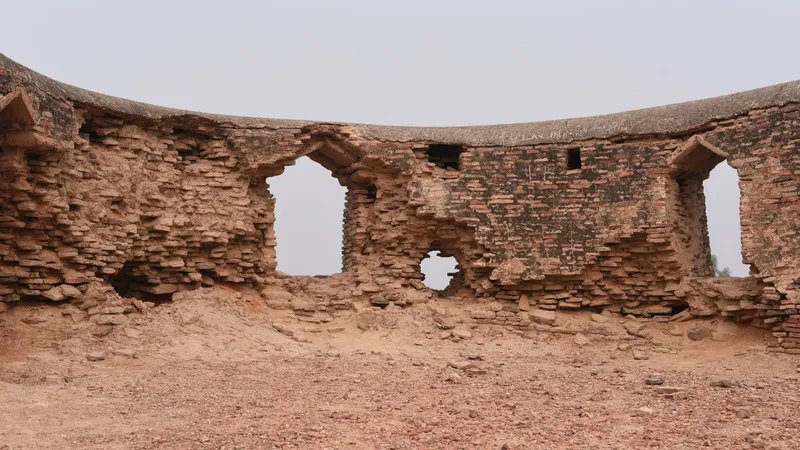
For a long time, Indians would often skip over the equally potent tales buried in their own country in favour of visiting the ruins of Rome or the temples of Greece. This perspective appears to be shifting presently. Slowly but surely, archaeological tourism is making India's ancient past the latest vacation craze, with activities ranging from pottery workshops in Travel from Haryana to stargazing. And who knows? Perhaps next time you need a weekend escape, it will be to a 5,000-year-old civilisation lying dormant beneath the surface.
For now, add these ancient sites in India to your must-visit archaeotourism list!
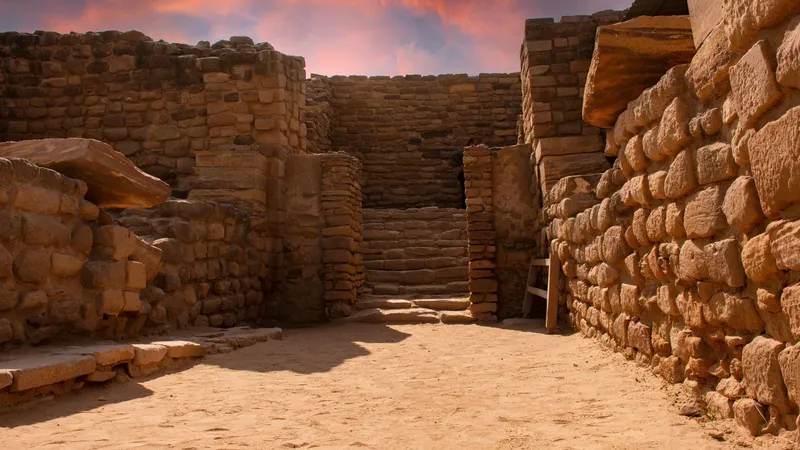
Dholavira
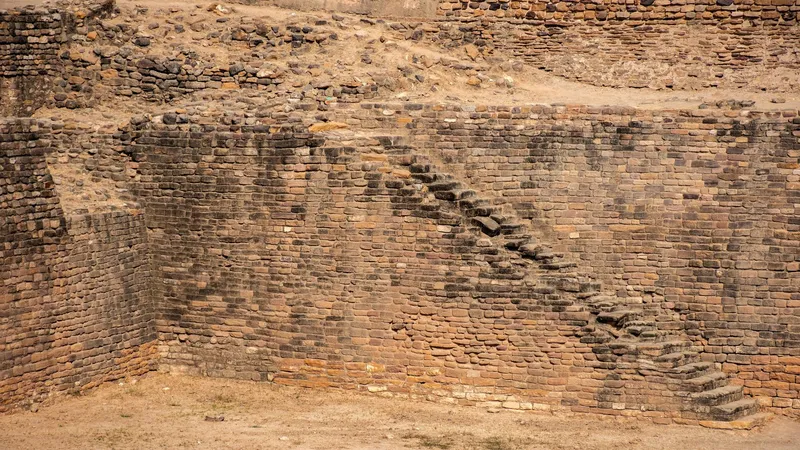
Heritage tourists love to visit the 5,000-year-old city of Dholavira on Khadir Bet in the Rann of Kutch. Its advanced water infrastructure and urban planning earned it UNESCO World Heritage Site designation. Dholavira is unique in that it combines historical exploration with a cosy atmosphere. Luxury establishments today offer tailored itineraries that include site tours, stargazing, flamingo-spotting, and regional cuisine. Dholavira stands out as a prime example of modern archaeotourism, combining ancient history with boutique travel.

Rakhigarhi
_1773154893244.jpg?w=800&f=webp&t=8b37d6ddab0b829f)
Transforming a sleepy hamlet into a cultural mecca, Rakhigarhi is subtly changing in Haryana. Over the past two years, the state's archaeology and museums department has collaborated with tour groups to provide more than a hundred guided historical walks. Next year, the site is also planning to open a museum that will showcase terracotta artefacts, jewellery, and skeletal remains found during digs. The Harappan Knowledge Centre, which has opened to the public, provides an up-close look at the lifestyle and settlement patterns of the ancient civilisation.
Hastinapur
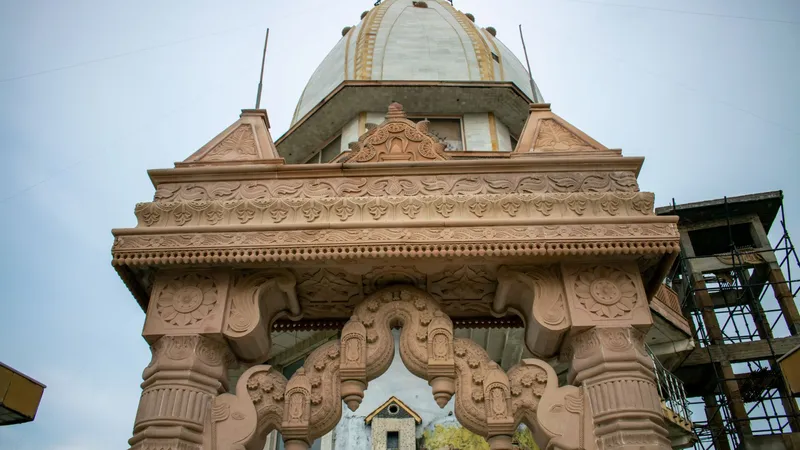
Hastinapur is a religious, mythological, and archaeological site in Uttar Pradesh. It has important Jain temples and sites from the Mahabharata era; it was also the capital of the Pandavas and Kauravas. The Pandeshwar Temple, the Draupadi Ghat, the Karna Temple, and the complex of Jambudweep Jain are all well-known attractions.
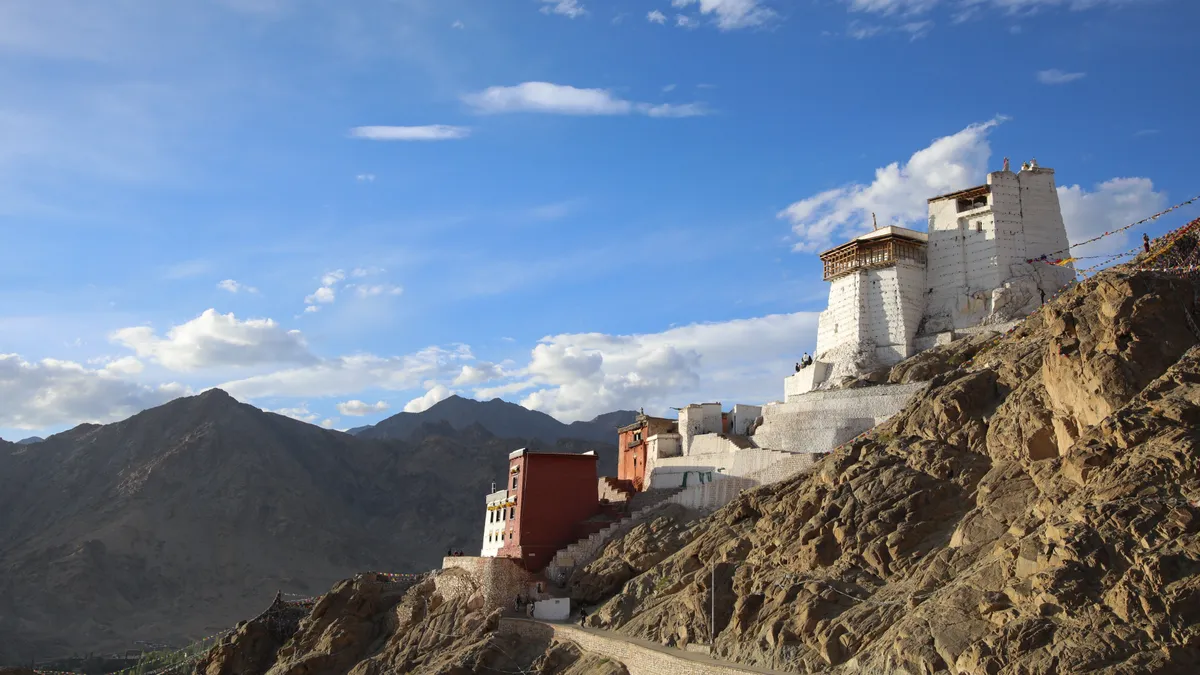
The Leh Palace
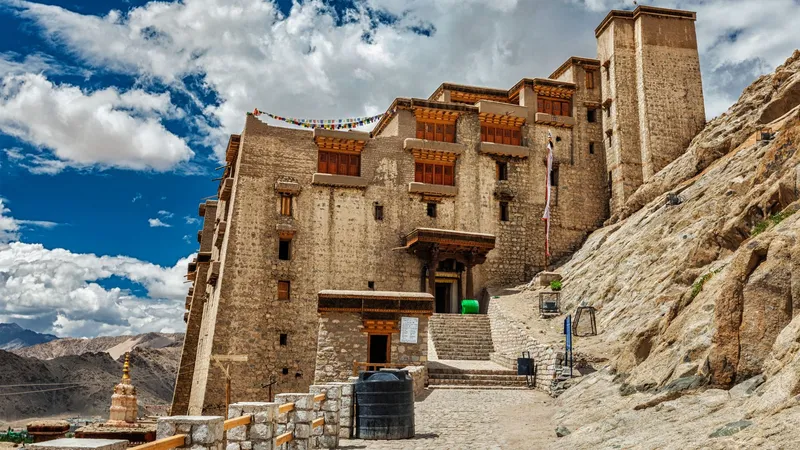
The Leh Palace, which dates back to the 17th century and is located on Namgyal Hill, is a representation of the rich cultural and architectural history of Ladakh. Despite the fact that most of it is in ruins now, the Archaeological Survey of India has rebuilt a number of rooms to use as exhibition spaces. The palace is an important historical site for visitors to Ladakh who are interested in the region's monasteries, mountain paths, and high-altitude scenery.

Lothal
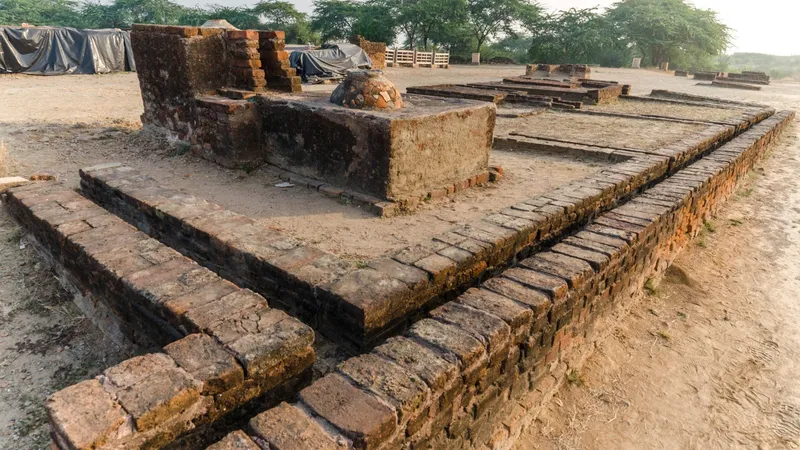
A National Nautical Museum Complex is currently in the planning stages at Lothal, close to Ahmedabad. Its stated goal is to display India's nautical history by recreating the old dockyard town. Revamping the old dockyard town is part of the plan to highlight India's maritime heritage and give people a taste of life in one of the most important port cities in the Indus Valley.