





 Copy Link
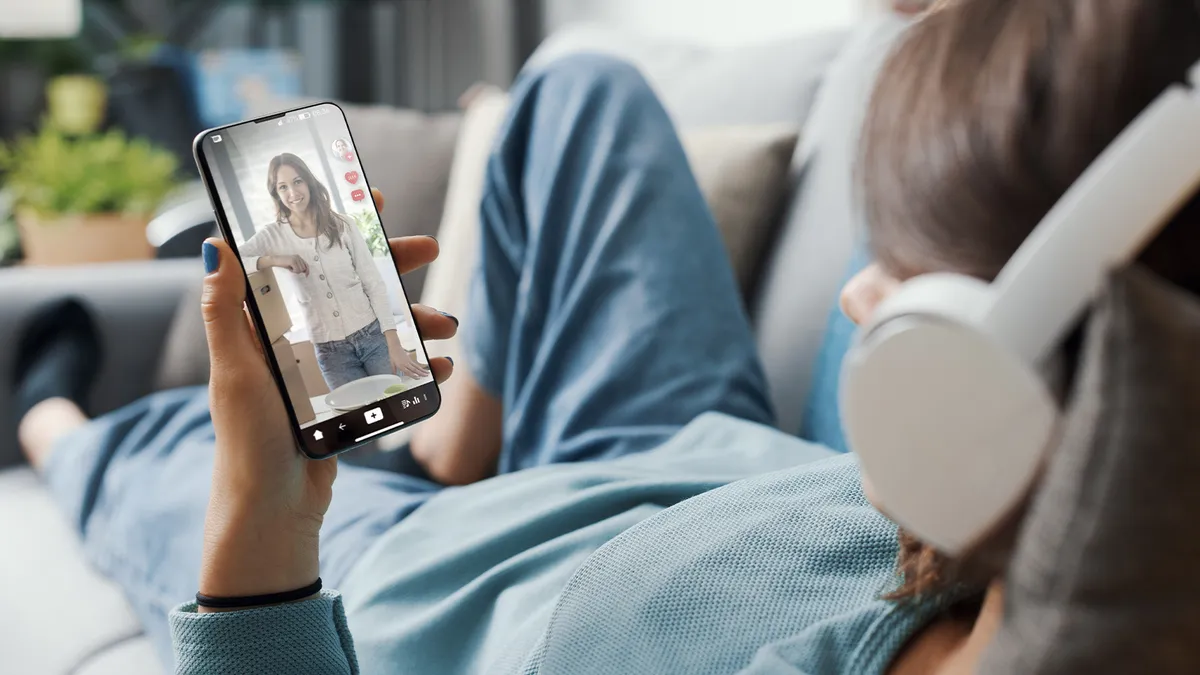
It’s the age of short-form content and while a 15-second reel on Instagram, Facebook, YouTube, X, Threads can get you millions of views, social media creators and brands easily overlook and forget about one important aspect of such content and that is music licensing.
On World Music Day, as we celebrate the influence of music across generations and cultures, it becomes crucial to recognise the rights of those who create original music. Using copyrighted music including a trending beat, a superhit number, or just familiar music without proper permission, can result in takedowns of the reel or video in question, the video being muted, blocked, or legal action being taken by aggrieved parties along with heavy fines.
Experts across all areas of Indian music and rights agree that consent, not duration, determines legality. Read on…
‘Consent is key’
Mayur Puri, lyricist and board member of the Indian Performing Right Society (IPRS), emphasizes that copyright law is not about how long a music clip is, but whether the portion used is identifiable and if it’s being monetized. “As per copyright law, it’s not the duration of the music that matters, whether it’s 5, 10, or 15 seconds. What matters is whether the portion is identifiable and if it’s being used for commercial purposes or monetization. There are many case-by-case factors involved, and it ultimately depends on whether the music or IP owner chooses to grant permission. If I have created something, it’s my moral right under the Copyright Act to decide how it’s used or not used. That’s why music companies, filmmakers, and advertisers pay for licenses. It all comes down to consent. Everyone understands consent. This isn’t about fair use or educational exceptions. If a part of a song is being used in a way the creator hasn’t approved, it’s a violation of intellectual property, and it can land you in trouble.”
‘Ignoring music rights can cost brands crores’
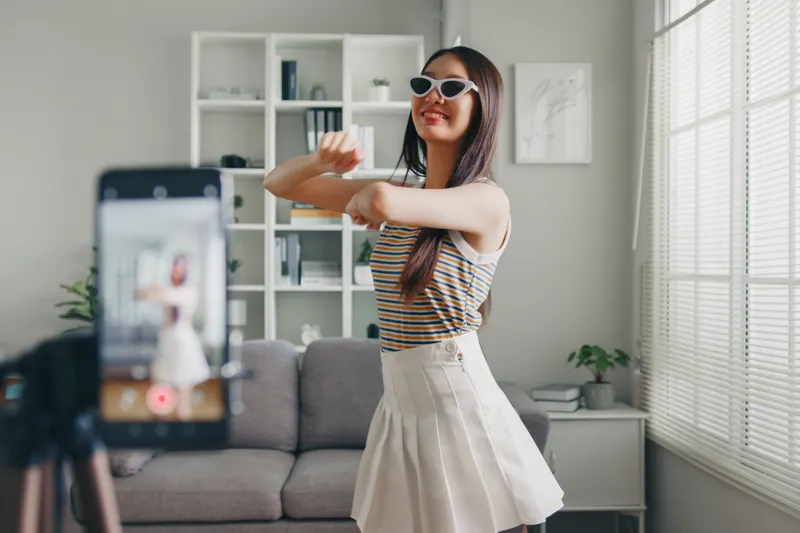
Gaurav Dagaonkar, Co-Founder and CEO of music licensing platform Hoopr, highlights the legal and financial risks of using music in branded content without proper clearance. “Indian copyright law clearly states that any commercial use of music, whether in ads, influencer videos, or digital campaigns, requires official permissions,” he says. Despite this, he notes that nearly 87% of branded content in India today uses unlicensed music, resulting in annual losses of ₹8,000–10,000 crore to the music industry. This includes ₹3,600 crore in unpaid licensing fees and ₹900 crore in royalties owed to artists. With over a million pieces of branded content generated monthly, the legal exposure is significant. “Brands that skip licensing risk takedowns, platform strikes, campaign underperformance, and penalties ranging from ₹20 lakh to ₹5 crore. In an era where content is king, ignoring music rights can turn a viral win into a costly liability,” Gaurav warns.
‘If your content is commercial or cross-platform, get it licensed’
Sherley Singh, founder of Music Rights Management (MRM) and a veteran in royalty administration with over 17 years of experience, warns that even a few seconds of unlicensed music in a reel can lead to muted audio, copyright strikes, demonetization, or worse, legal action. “Short length is not safe, and platform access is not ownership,” she states. “If your content is commercial or cross-platform, get it licensed. Always check music rights before posting. Better safe than silent.”
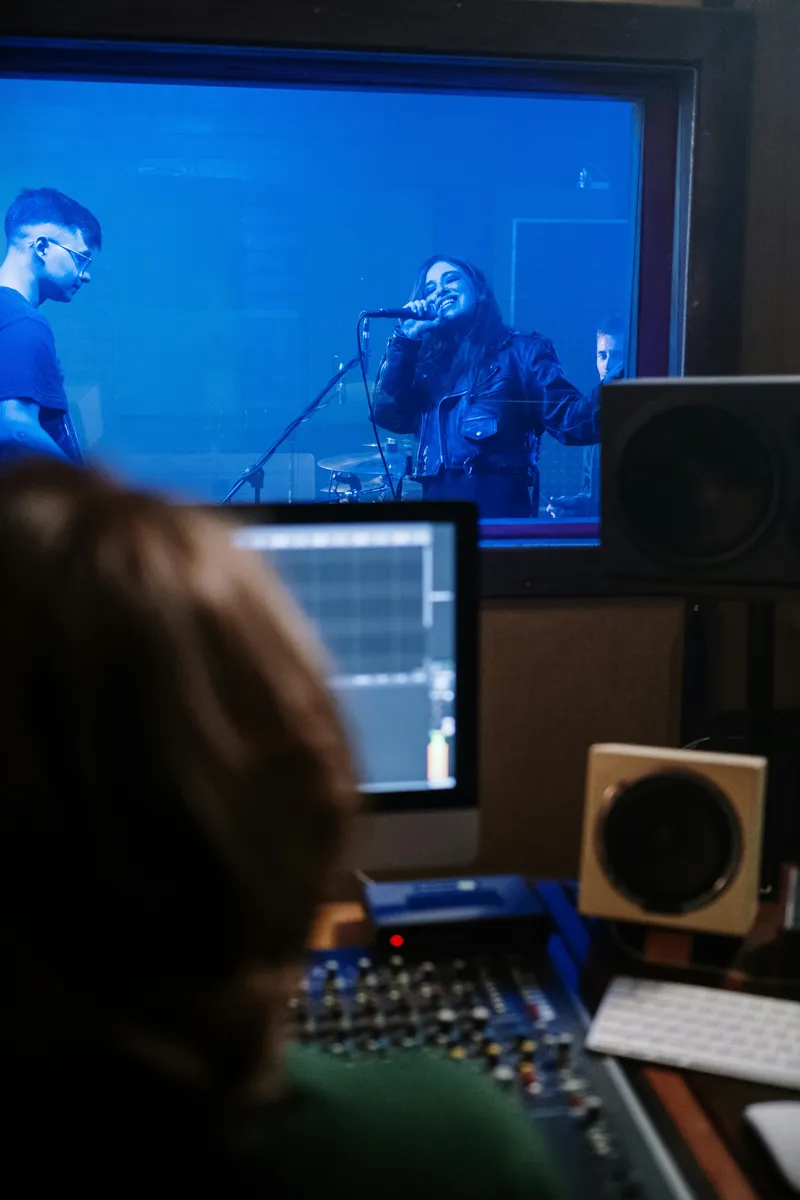
Sherley explains that under Indian and international copyright law, there’s no exemption based on clip duration, even using three seconds without permission is a violation. “Moreover, two separate rights must be cleared for any music: the composition (lyrics and melody) and the sound recording (the performance). Using either without proper licensing can result in infringement. While Instagram, Facebook, and YouTube offer in-app music libraries, their usage is restricted, typically only for personal or editorial content within the app. Commercial use, including boosted or sponsored posts, requires a separate sync license, which is not covered by default. Cross-posting such content on websites or other platforms can also trigger takedowns. If your content is flagged, your reel could be muted, blocked in certain regions, or your account could face penalties,” Sherley adds. Her advice: use platform-cleared music only for non-commercial purposes, and opt for royalty-free, original, or properly licensed tracks for all business and promotional content.
Top of Form
‘Short clips aren’t exempt from copyright’
Rakesh Nigam, CEO of IPRS, dispels the myth that short audio snippets fall under 'fair use'. “Even a 2 or 15-second usage of copyrighted music is still the use of someone else’s intellectual property,” he asserts. He stresses that a license is always required to use copyrighted music, regardless of length. “The idea that short clips fall under 'fair use' is a myth. Without proper licensing, creators who use music with a permission/license risk copyright infringement, knowingly or unknowingly. It’s crucial to understand the nuances of fair use and ensure music is used legally to uphold a culture of fairness and respect in the creative economy,” Rakesh explains. Upholding legal standards around music usage, he adds, is essential to building a respectful and sustainable creative ecosystem.
Bottom of Form
‘Licensing music is a strategic business move’
Vitasta Kaul, Chief Marketing Officer at Hoopr, addresses the widespread misconception that short-form or influencer content is exempt from licensing requirements. “Duration is irrelevant when there’s commercial intent,” she clarifies. A major issue, she adds, is the lack of awareness among creators and the complex, fragmented structure of music rights in India. “Labels have started taking a more aggressive stance, and we’re now seeing legal notices and lawsuits emerging against misuse,” she notes. Vitasta also points out that brands can be held liable for copyright violations by influencers they collaborate with, even if unknowingly. “This not only creates legal exposure but also damages brand trust, campaign ROI, and audience loyalty,” she explains. In today’s digital-first world, Vitasta emphasizes, “securing music rights isn’t just a legal formality, it’s a strategic business imperative.”
‘There’s no ‘safe’ duration that’s exempt from copyright laws’
_1750411847712.jpeg?w=800&f=webp&t=c095496cf52423cb)
Bollywood singer Shweta Pandit warns content creators against using copyrighted music in their posts and reels even if it is for a little as five seconds. She states, “There is no ‘safe duration’ that is exempt from copyright laws.” The singer narrates a personal incident to highlight the issue, “I remember once a big music company had told me, it’s easier to work with the biggest actors and just pay them an amount upfront but it's way more complicated and difficult to work with even a new singer/composer due to copyright laws. Artists and online users who grab any songs or sounds, can get a copyright strike, get penalised or lose access to their content if they use any music without prior permission or don't comply with rules.”
‘Respect the art and the artist’
_1750411811755.jpeg?w=800&f=webp&t=963b39735696c109)
Singer Simran Choudhary emphasizes that using copyrighted music without proper licensing can have serious consequences, from videos being muted or removed to potential legal action. But for her, the issue goes deeper than platform policies. “It’s about respect; respect for the music, and for the people who create it,” she says. “Whether it’s 5 seconds or 15, using someone’s art without credit or permission undermines the entire creative industry.”