






 Copy Link
Snapshots
Once, Indian summers smelled of salt, sun, and patience. Terraces became living pantries, where time slowed and food learned to last. Today, convenience has replaced craft, and flavour has lost memory. What we call nostalgia was once daily survival—and quiet, inherited wisdom. Our cherished traditions and the comforting atmosphere of our grandmother's cooking are inseparable from these recollections. These priceless traditions are fading away as we adapt to modern comforts.
The forgotten science of sun and salt
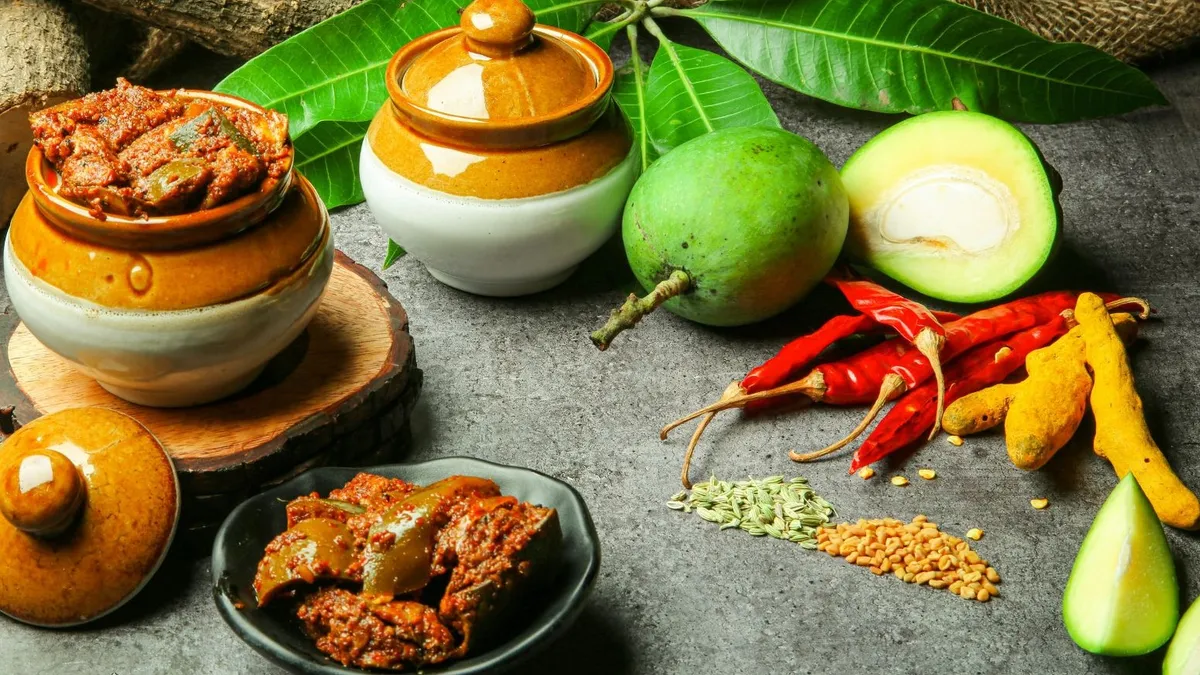
Making pickles is more than simply a way to preserve food in India; it's also a way to preserve culture. Dishes, methods, and seasonal preferences vary from one area to another. Pickles are a window into our varied culinary history, from the hot mango pickles of Andhra Pradesh to the delicate mustard-infused speciality of Bengal. There is no better combination of science and intuition than traditional pickle manufacturing. To make the ideal pickle, one must pay close attention to the fermenting process, the ratio of salt to spices, and the time of sun-drying. Knowing just when to add spices and for how long to allow the pickles to mature, our grandmothers had an innate understanding of these concepts.
As you stroll down the length of the kitchen, you could notice a row of attractive jars. Some of them contain a rainbow of old condiments, while others have freshly prepared ones that are just waiting to be seasoned. Some are served with rice, some as an accompaniment, and yet others as a dessert. Some are prepared months in advance to endure the worst seasons, while others have a specific expiration date. The only unifying factor is the ancient Indian art of food preservation, which has been lost over time.
However, it is still present in a form that would horrify our grandmothers in food processing facilities, where an industrial machine fills containers with these purportedly preserve-worthy items, which are actually loaded with an assortment of chemicals and colours that no one can identify. A rainbow of papads, a dozen different kinds of pickles, and a plethora of condiments await you in any grocery store, no matter how big or little. You can use any of them with a tap, but they all leave a metallic or absinthian aftertaste, depending on the situation, making you want to reach for Digene or the sink. We can't help but think back to the days when our mother's backyard was the only place to find locally grown, organic food, as we lean toward buying more of it.
Furthermore, while our grandmothers and mothers made their choices intentionally rather than by force, the passion for cooking from scratch, which may seem new to us today, has been a longstanding tradition. Thanks to the procedures and substances used, which were both easy to spell and easily accessible, seasonal vegetables and fruits could be stored for later use without sacrificing their fresh taste. They accomplished all tasks: slicing mangoes and drying them in the sun, puréeing tomatoes and reducing them in a skillet, hand-placing papads, and curing chillies in salt.
How India celebrates pickling and papad season!
The Portuguese word “proviso” means "making provision," and the Goan festival purument celebrates the harvest season. The Purumentache feast is an annual outdoor market held by the Margao church in May. During the fair, vendors and home cooks sell various goods, including dried fish, sausages, pickles, and more. The date for this year was May 28th. Mangoes, jackfruit, kokum (Garcinia indica), and other fruits are abundant in Maharashtra throughout the summer. Specifically in the Konkan area, jackfruit and mangoes are preserved in a kind of leather called phanas poli and amba poli, respectively. Amsol, or dried kokum, and kokum juice are made from kokum and other sour fruits. For stir-fries, veggies like gavar (cluster beans) are sun-dried after soaking in spicy buttermilk.
Sukavni is the Gujarati word for dried veggies. Crunchy side dishes sometimes include sun-dried and deep-fried vegetables, such as bitter gourd, okra, cluster beans, and lotus root. Mangoes, jackfruit leather, alsande (cowpeas), teppal/tefla (Sichuan peppercorn), and otamb (monkey jack) are just a few of the many products of Goa's agricultural sector. Dried vegetables are the secret ingredient in panchkuta, a popular dish in Rajasthan. This recipe calls for five dried items: sangri, which are the wild beans of Prosopis cineraria; ker, which are the berries of Capparis deciduas, gum berry, amchur, which are dried raw mango, and koomti, which are acacia seeds.
Vadi, also known as badya, vadyo, or sandge, is a popular dumpling dish in numerous states. It consists of crushed dals and grains, puréed veggies, and spices. Ladle the dal paste onto a cloth or plastic to achieve a variety of shapes and forms. Perhaps due to the gentle, undyed cotton used to make them, an ancient Maharashtrian recipe recommends drying the sandges on a white dhoti. Served year-round, the vadis are best when deep-fried. You can also get them cooked with a variety of greens and vegetables. They are the original plant-protein alternative! Pulses and vegetables are used in diverse ways by different regions. For example, ash gourd and black gram are widespread in Goa, Karnataka, and Maharashtra.
Why we need to preserve what preserves us
Drying and pickling at home ensures the highest quality vegetables and spices because we pick them by hand with only salt, oil, and sun serving as artificial preservatives. Pickles must be made slowly and with the freshest ingredients to fully develop their flavours. Making traditional pickles in today's fast-paced kitchens can be a real challenge. But getting to know and love these techniques brings us closer to our culinary roots. Not everyone has the luxury of time to create their own pickles, but that shouldn't stop them from savouring classic pickles produced with the same care and love.
Reviving sun-drying and pickling is not a rejection of modern life, but a return to intention. These practices remind us that food can be seasonal, honest, and humane. In saving these traditions, we preserve more than taste—we protect knowledge, restraint, and a slower way of living.