






 Copy Link
“You can change your hair, and you can change your clothes
You can change your mind, that's just the way it goes
You can say "goodbye, " and you can say "hello"
But you'll always find your way back home”
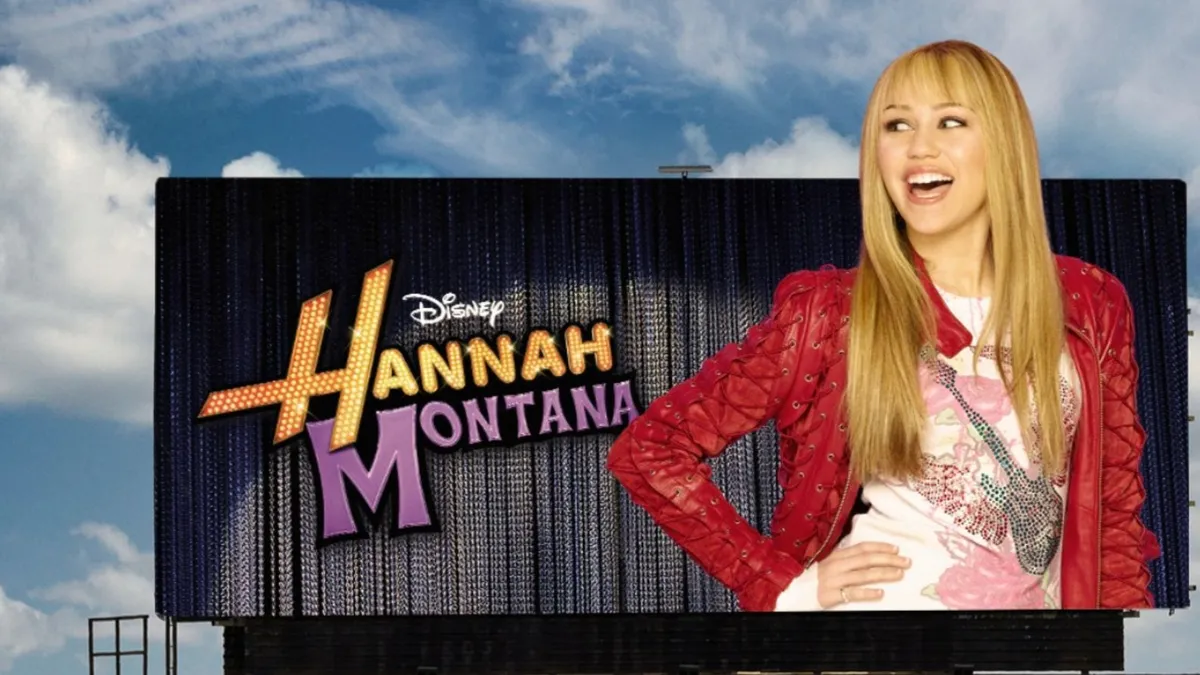
And just like that, I was 12 again, clutching my album of the Hannah Montana show, full of pre-teen anxieties, but with light in my eyes. My show was on! And I heard myself giggle again when I was watching the 20-year-old Hannah Montana anniversary.
Let me explain what Disney Channel meant if you were a pre-teen in India in the late 2000s.
There was no algorithm curating your personality back then. There was no For You page telling you who to be. There was cable, and there was a remote control, and if your family had the right package, the Disney Channel lived somewhere between Cartoon Network and Star World in the channel lineup and finding it felt like a secret door every single time. You didn't stream it. You scheduled your life around it.
Being a Disney Channel kid in India was a specific kind of growing up. It was a parallel education, not in anything your school cared about, but in the things that actually mattered at twelve. Camp Rock entered my life with a sudden impact. Demi Lovato singing This Is Me in a dining hall full of people who had dismissed her, and, man, I have been annoying ever since. It is my go-to Karaoke song. Put it on, and I am knocking my knees- Disney style. Zack and Cody taught me that chaos could be a love language. But Hannah Montana? Hannah Montana was the one who felt personal. And so personal, that my entire bedroom has Hannah Montana plastered on it. I still have my Hannah Bedsheets. I was once heavily reprimanded at school because I took a dizzying hot pink Hannah Montana school bag that was too flashy for convent school sensibilities. Hannah made you rebel, and how!
And so Hannah Montana after school became the thirty minutes where everything, the social hierarchies of school, the general confusion of being a girl becoming a person, all of it went quiet. The show was loud, warm, and absurd, and it made you feel, for reasons you couldn't articulate at twelve, that everything would be okay. Miley Cyrus told you so. And you believed her.
"There's always gonna be another mountain / I'm always gonna wanna make it move"
The Climb came out, and something cracked open in my chest. It wasn't just a pop song. It was the first time something told me that the struggle was the point, that you didn't have to have arrived somewhere to be worthy of your own story. It’s my go-to leg day song, especially if I have to do Bulgarian squats. Miley gets me through it.
And then, THEN, the anniversary special put Alex Russo and Miley Stewart in the same room. Selena Gomez and Miley Cyrus, together, as grown women, laughing. If you were the kind of child who watched both shows and felt an almost proprietary love for both of them, watching that moment felt like your entire childhood waving at you from across a very long distance. I may have made a noise that was not entirely dignified.
But the episode that made Hannah Montana something more than just a show, the one I return to, is where Miley loses her voice. She can't sing. Her whole identity is unravelling. And in a dream, her mother comes to her. The mother who died before the show began, the absence that quietly shaped everything about who Miley was – she comes back, just for a moment, and tells her daughter it's going to be alright. It’s going to be alright, I tell myself.
My first real education in best friendship came from Miley and Lilly. Not from books or advice, from watching two girls show up for each other through secrets and boys, terrible disguises, and spectacular disasters. They were loud about their love for each other in a way that felt new to me. They said I need you without flinching. I took notes, even if I didn't know I was taking them.
And can we please talk about Hannah Montana dubbed in Hindi. Miley's Tennessee drawl coming out of a voice that sounded like it belonged in a school play in my paara. The laugh track was slightly mistimed, the slang translated into something so earnest it looped back around to being perfect. It was bizarre. It was wonderful. It was ours.
At the end of the anniversary special, Miley sang Hey You– a letter to her younger self. And I sat very still.
Because she was singing to her, but I was hearing it for me. For the twelve-year-old with the album and the pre-teen anxieties and the light in her eyes. The girl who didn't know yet how hard some of it was going to get but who had a show after school, that told her, reliably, every single evening – it's going to be okay.
She was right. It was.